PubChem CID · CC0
palmitoleic acid
Research associations
Literature-derived · peer-reviewed sources only · not medical advice
Foods containing this compound


Purslane is a common name for several plants with edible leaves and may refer to: Portulacaceae, a family of succulent flowering plants, and especially: Portulaca oleracea, a species of Portulaca eaten as a vegetable and considered a weed, known as summer purslane Portulaca grandiflora, moss rose, or moss-rose purslane Claytonia perfoliata, Miner's lettuce or winter purslane Claytonia sibirica, pink purslane Halimione portulacoides, sea purslane
Prunus cerasus (sour cherry, tart cherry or wild cherry) is a species of Prunus in the subgenus Cerasus (cherries), native to much of Europe and southwest Asia. It is closely related to the sweet cherry (Prunus avium), but has a fruit that is more acidic, has greater nutritional benefits, and may have greater medicinal effects. Dried sour cherries are used in cooking including soups, pork dishes, cakes, tarts, and pies. Sour cherries or sour cherry syrup are used in liqueurs and drinks. In Turkey, Greece and Cyprus, sour cherries are especially prized for making spoon sweets by slowly boiling pitted sour cherries and sugar; the syrup thereof is used for vişne şurubu or vyssináda, a beverage made by diluting the syrup with ice-cold water. A particular use of sour cherries is in the production of kriek lambic, a cherry-flavored variety of a naturally fermented beer made in Belgium [Wikipedia].

Lablab purpureus, commonly known as the hyacinth bean, Indian bean, calavance, seim, Egyptian bean, njahi, bulay, bataw, a species of bean in the family Fabaceae, is widespread as a food crop throughout the tropics, especially in Africa, India, Bangladesh, and Indonesia. A traditional food plant in Africa, this little-known vegetable in the West has potential to improve nutrition, boost food security, foster rural development and support sustainable landcare.
Lupinus albus, commonly known as the white lupin, is a member of the genus Lupinus in the family Fabaceae. It is a traditional pulse cultivated in the Mediterranean region.

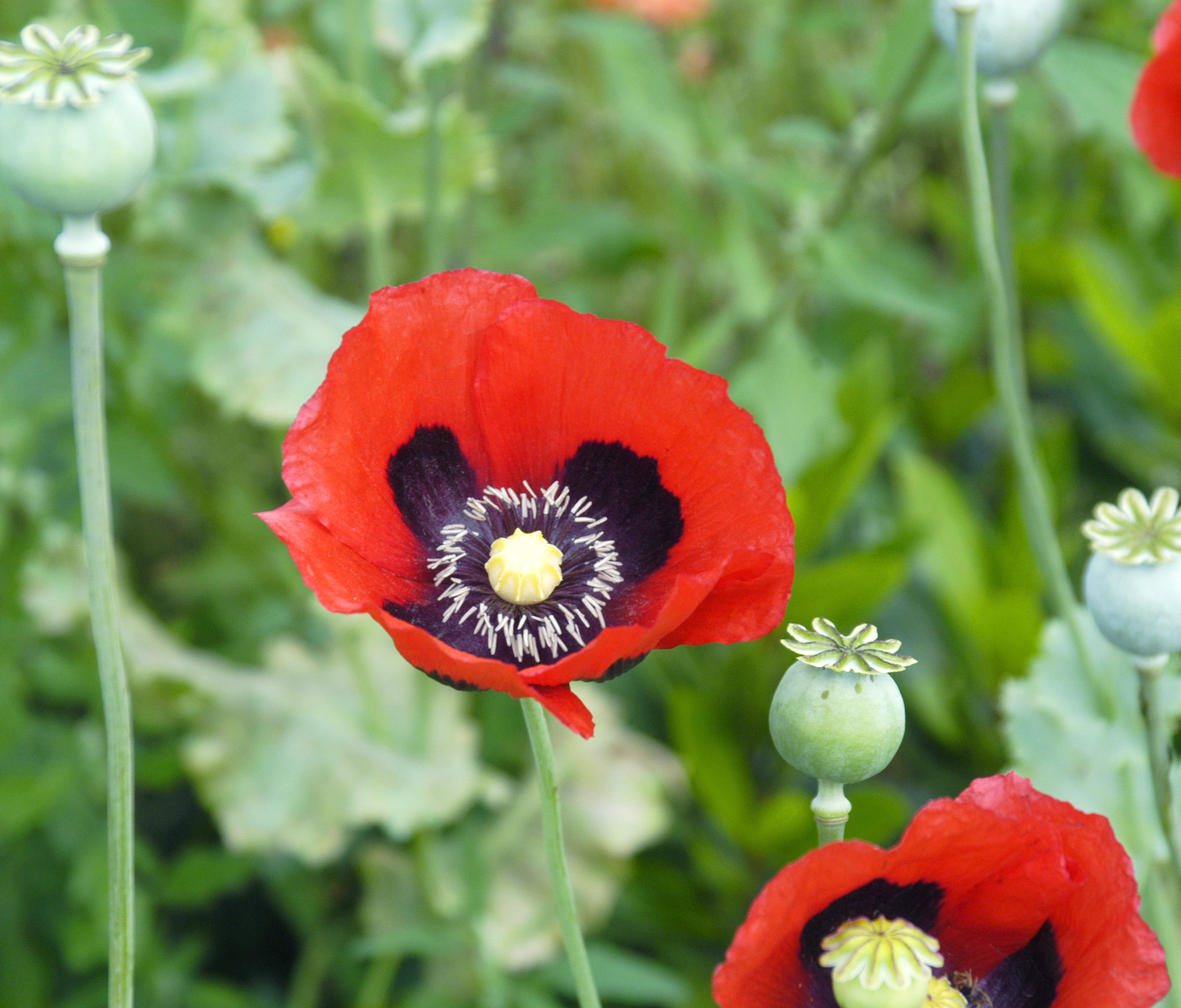
Papaver somniferum, the Opium poppy, is the species of plant from which opium and poppy seeds are derived. Opium is the source of many narcotics, including morphine (and its derivative heroin), thebaine, codeine, papaverine, and noscapine. The Latin botanical name means the "sleep-bringing poppy", referring to the sedative properties of some of these opiates.
The roselle (Hibiscus sabdariffa) is a species of Hibiscus native to the west Africa, used for the production of bast fibre and as an infusion. It is an annual or perennial herb or woody-based subshrub, growing to 2?2.5 m (7?8 ft) tall. The leaves are deeply three- to five-lobed, 8?15 cm (3?6 in) long, arranged alternately on the stems.
Psidium cattleianum, named in honour of notable English horticulturist William Cattley, commonly known as Cattley guava or Peruvian guava, is a small tree (2?6 m tall), bearing small red or yellow fruit, which are somewhat sour but sometimes eaten or made into jam. The red-fruited variety, PSIDIUM LITTORALE Var. Longipes, is known as strawberry guava; the yellow-fruited variety, PSIDIUM LITTORALE Var. Littorale (Lucidum) is variously known as lemon guava, ""Yellow-fruited Cherry Guava"", and in Hawaii as waiaw? and is usually smaller. Native to Brazil and adjacent tropical South America, it is closely related to common guava (P. guajava), and like that species is a widespread, highly invasive species in tropical areas, especially Hawai?i. It tends to form dense, monotypic stands which prevent regrowth of native species, and is very difficult to eradicate; it also provides refuge for fruit flies which cause extensive agricultural damage. As an invasive species, it is sometimes erroneously called Chinese guava. Cherry Guava is sporadically naturalised in coastal areas of Queensland and northern New South Wales. It is also naturalised on Lord Howe Island, Norfolk Island and Christmas Island (Navie 2004; Queensland Herbarium 2008).The yellow variety bears even more heavily than the red and generally has larger fruit.
Sunflower (Helianthus annuus) is an annual plant native to the Americas. It possesses a large inflorescence (flowering head), and its name is derived from the flower's shape and image, which is often used to depict the sun. The plant has a rough, hairy stem, broad, coarsely toothed, rough leaves and circular heads of flowers. The heads consist of many individual flowers which mature into seeds, often in the hundreds, on a receptacle base. From the Americas, sunflower seeds were brought to Europe in the 16th century, where, along with sunflower oil, they became a widespread cooking ingredient. Leaves of the sunflower can be used as cattle feed, while the stems contain a fibre which may be used in paper production.
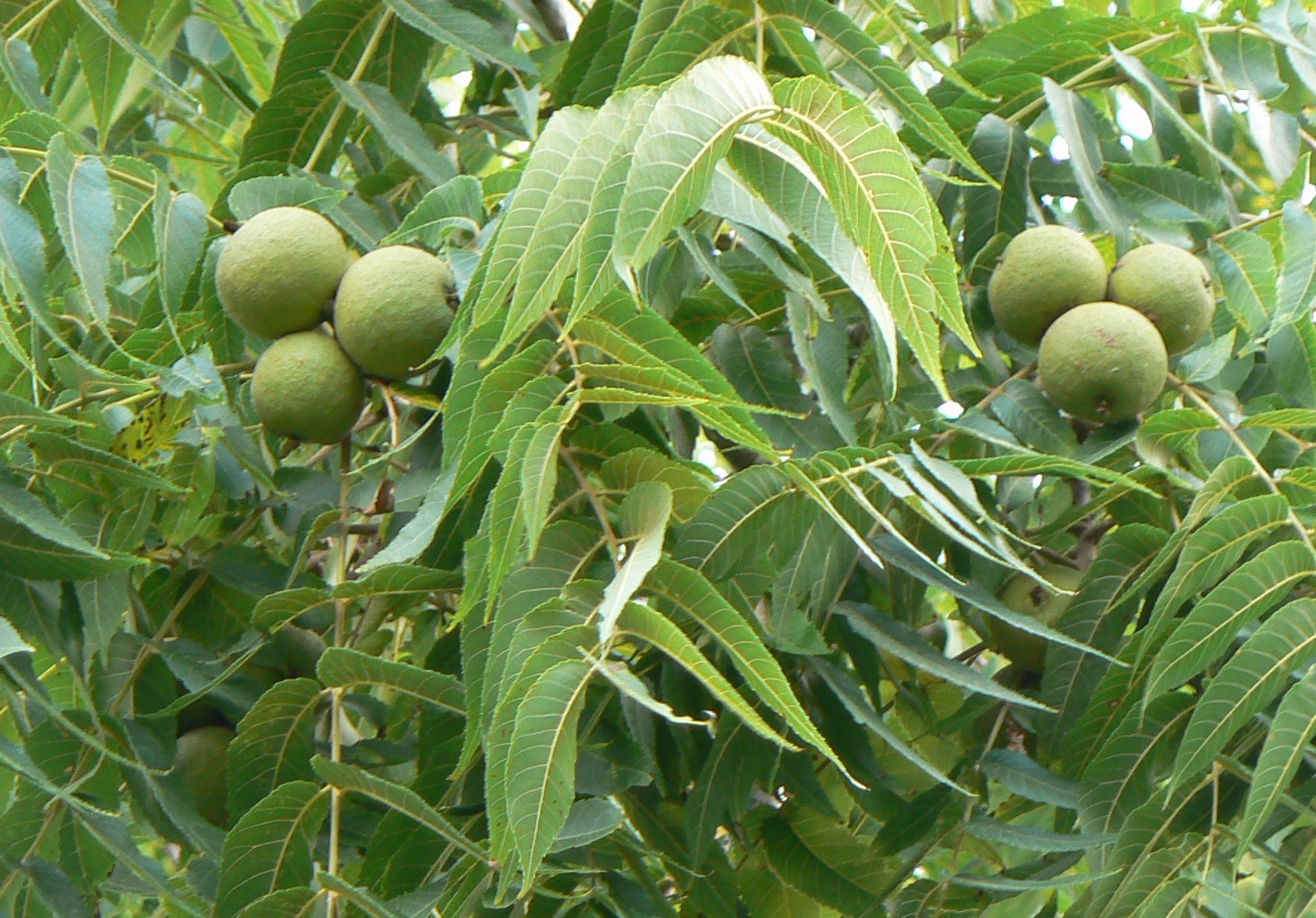
Juglans nigra, the eastern black walnut, a species of flowering tree in the walnut family, Juglandaceae, is native to eastern North America. It grows mostly in riparian zones, from southern Ontario, west to southeast South Dakota, south to Georgia, northern Florida and southwest to central Texas. Isolated wild trees in the upper Ottawa Valley may be an isolated native population or may have derived from planted trees.
White mulberry trees that produce pure white fruit are rare. Typically, the fruits are white when immature, but gradually ripen to shades of pink or purple. They are a small variety, just a few centimeters long, and far sweeter than the black and red mulberries. They have a low acidity and a mild honey-like flavor. White mulberries are best when slightly overripe


Okpa is a delicious delicacy popular in the Eastern part of Nigeria, especially in Enugu state. Okpa has equally won the hearts of people in different parts of Nigeria and is now classified as a traditional Nigerian delicacy.
seed of serval legumes
fruit
rose cultivar (1951)

Hybrid flowering plant in the family Lamiaceae

Plant species in the mint family

Species of edible plant

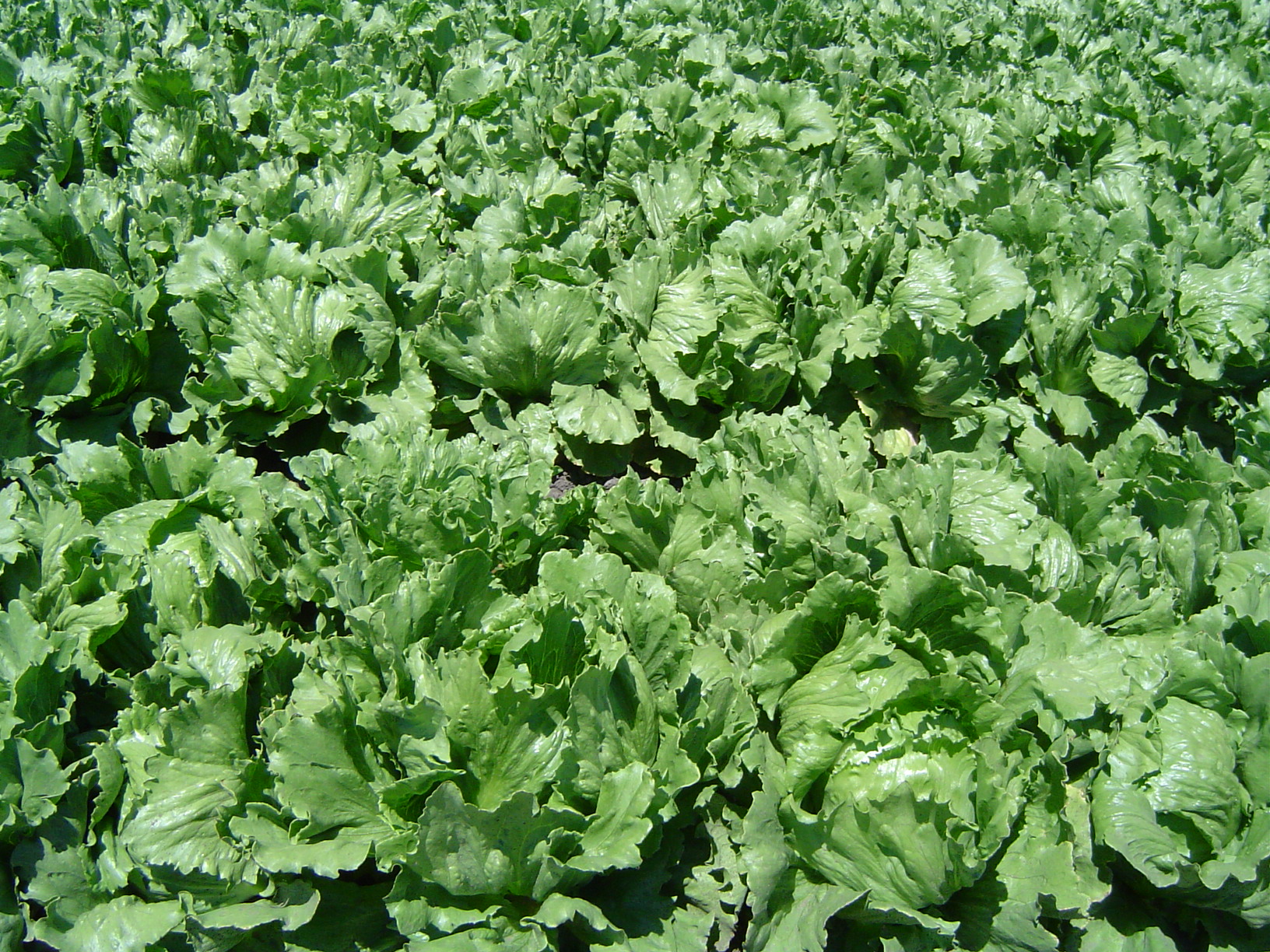
Flowering plant in the daisy family

Plant species in the cabbage family
Source
Compound data linked to PubChem CID 445638, public domain via NCBI. Culinary context + ingredient mappings are maintained by Foodgeist's enrichment fleet and continuously re-matched by the pairings engine. PubChem CID 445638