gallic acid
Molecular structure
Cooking relevance
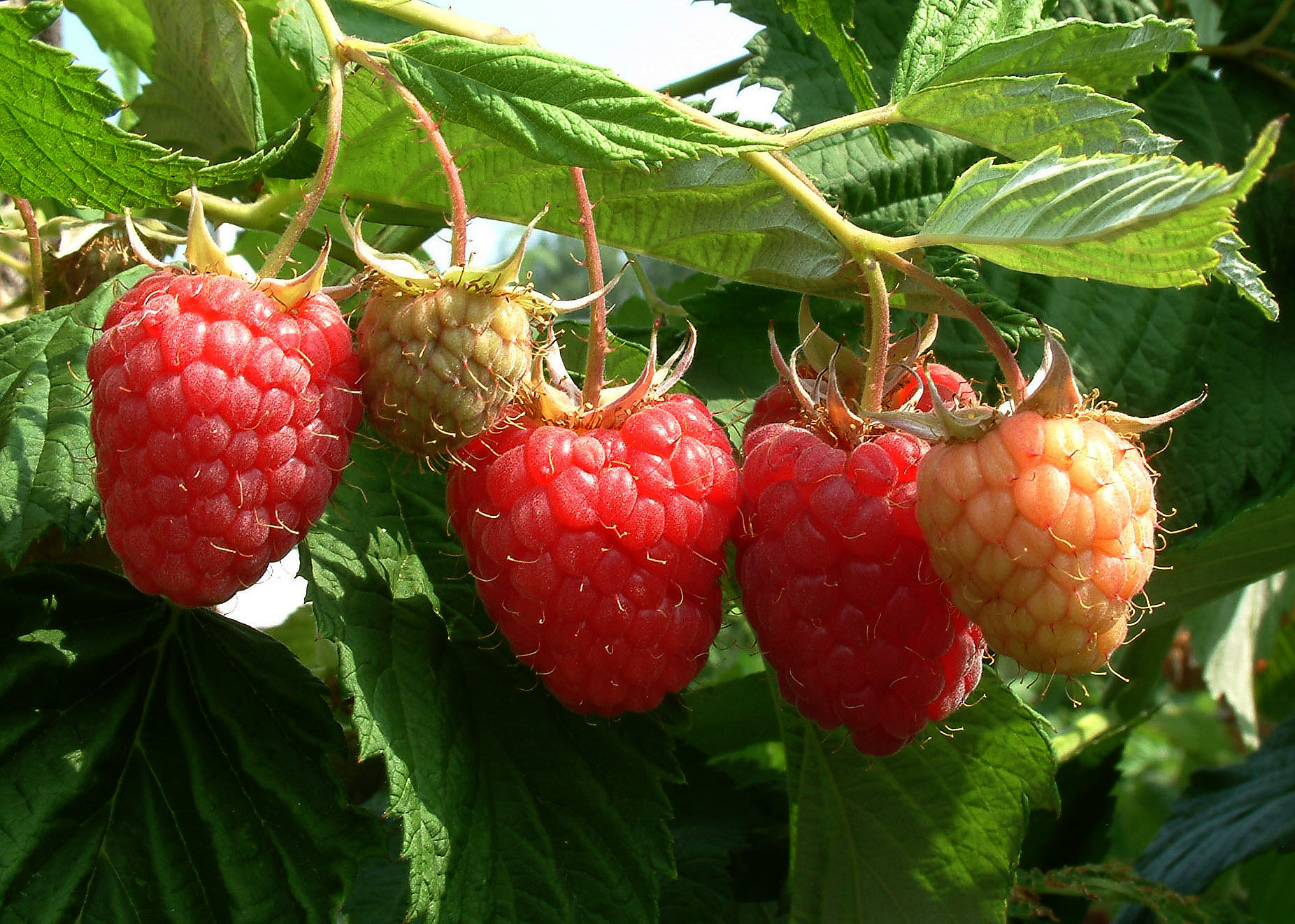
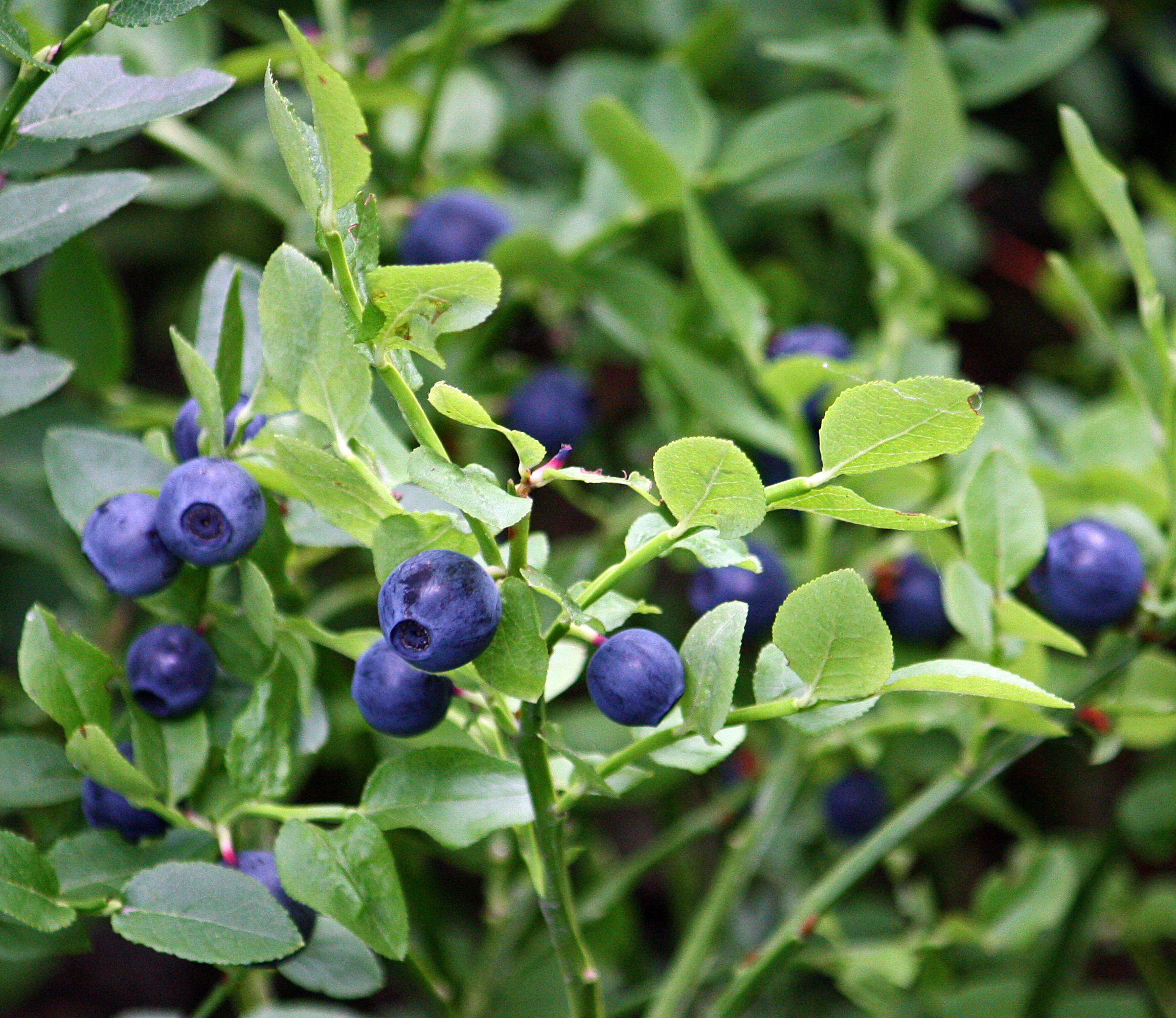
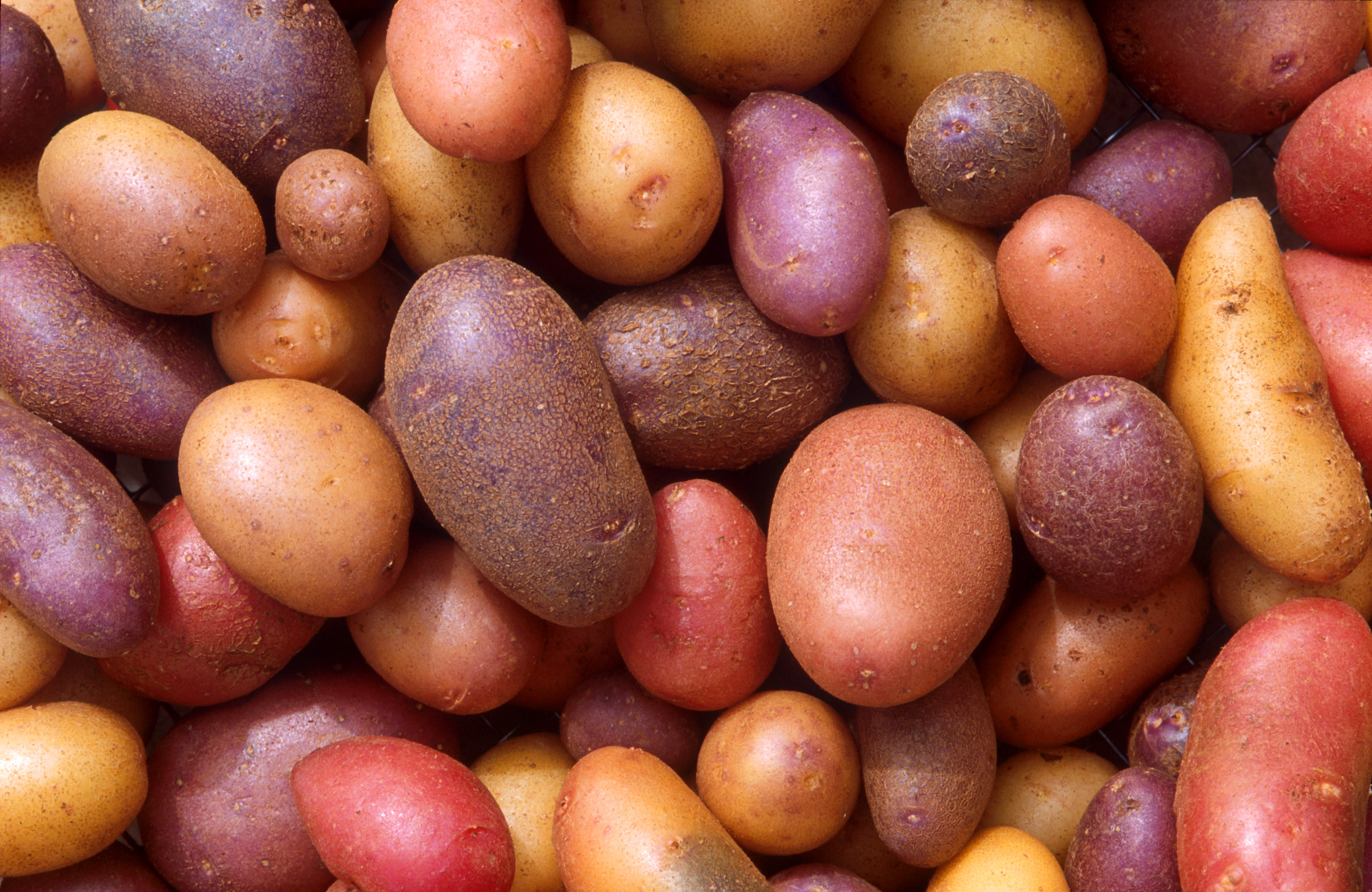
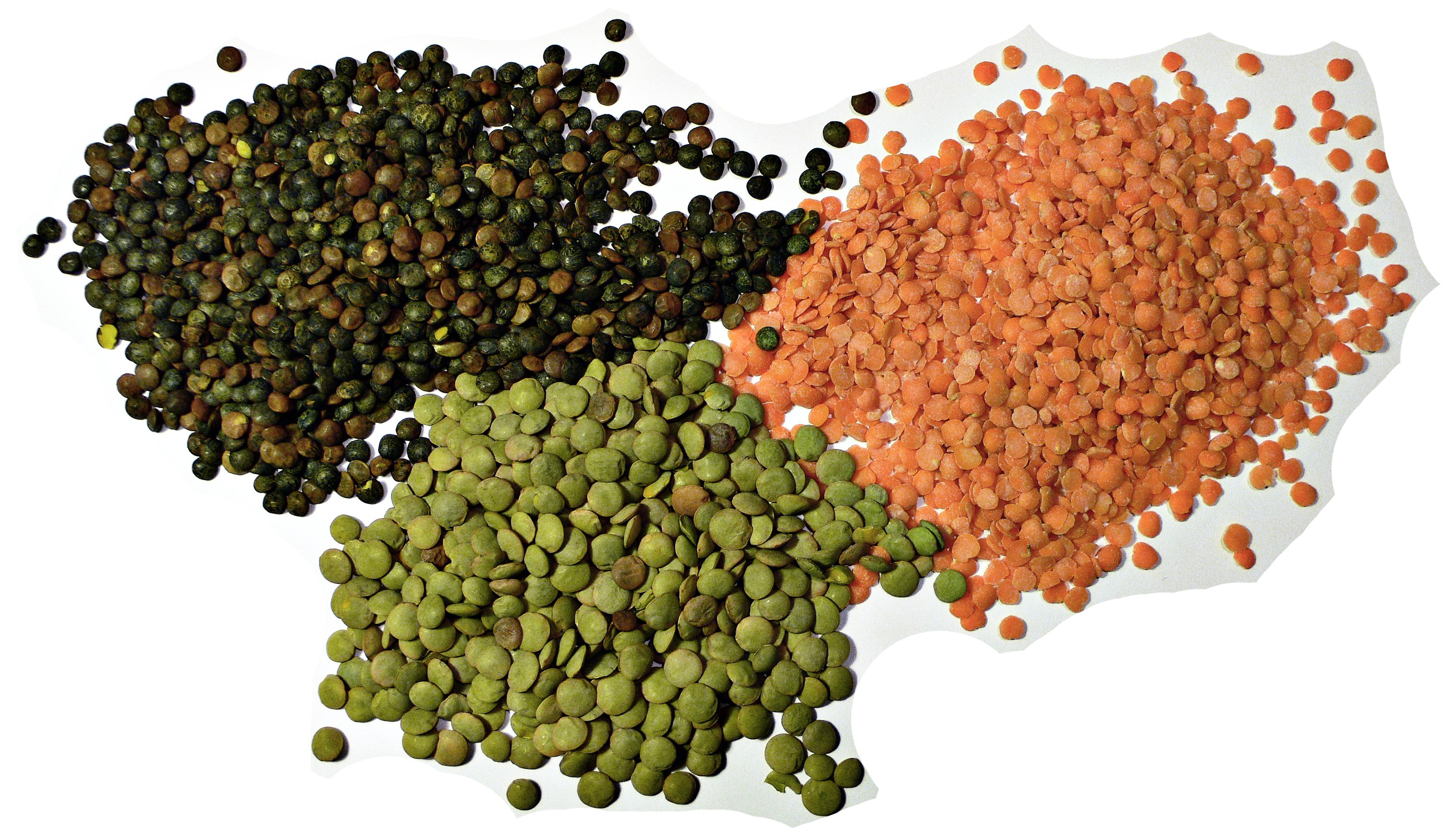
Gallic acid (3,4,5-trihydroxybenzoic acid, PubChem CID 370) is a phenolic compound found in plant tissues, contributing to astringency and browning reactions in food preparation. It participates in oxidation pathways during cooking and storage, affecting color development and flavor complexity in foods containing tannins.
- aroma
- astringent · tannic · subtle phenolic notes
- culinary role
- browning agent · astringency contributor · oxidation participant
- mass spectra
- 577 experimental spectra
Mass spectrum
A real measured fragmentation pattern · 1 of 577 experimental spectra
Sensory signature
How this molecule tastes and smells · gold is measured, dashed is a model estimate
Research associations
Literature-derived · peer-reviewed sources only · not medical advice
Research papers
141 peer-reviewed papers reference this compound · top-cited shown
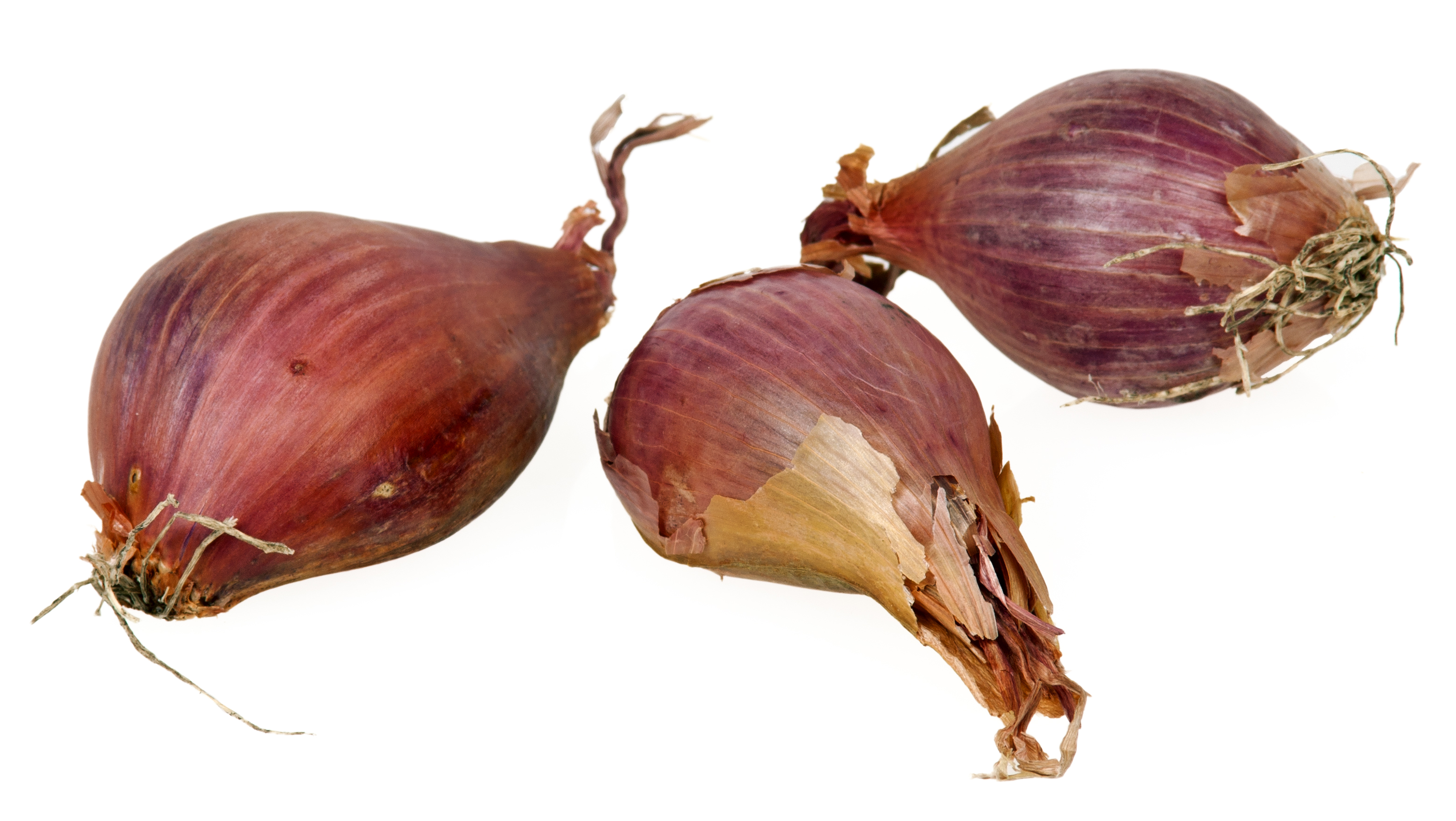
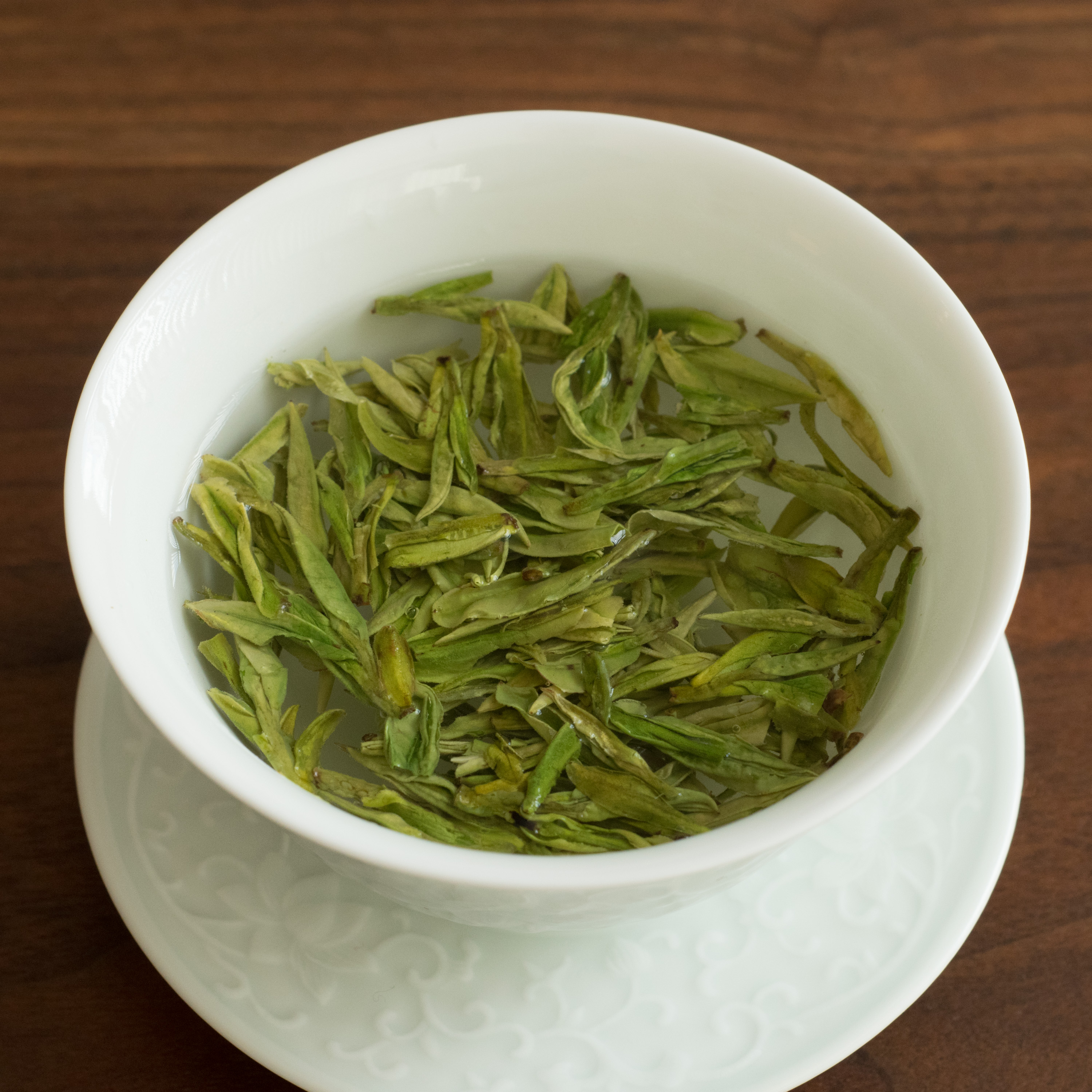
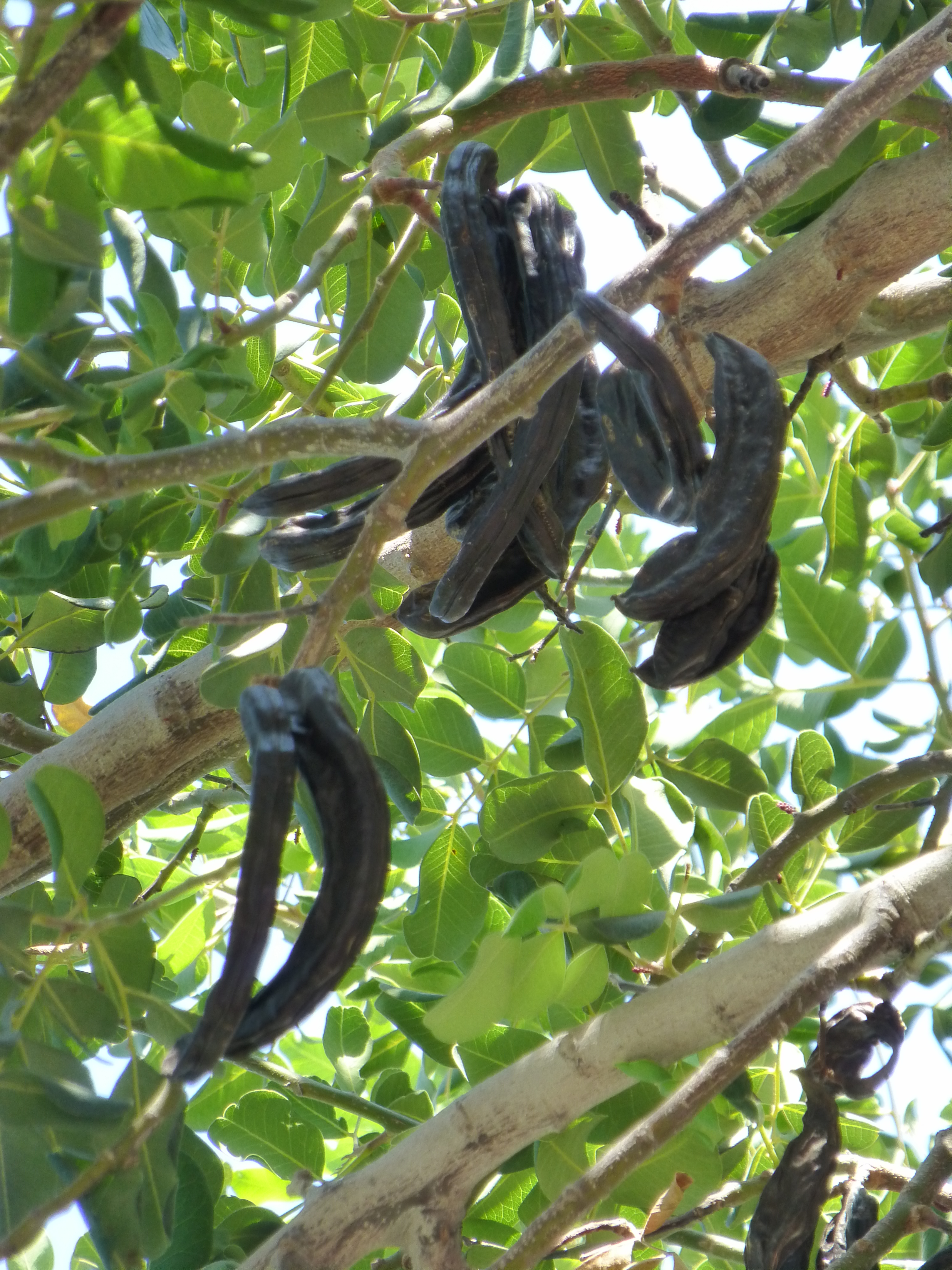
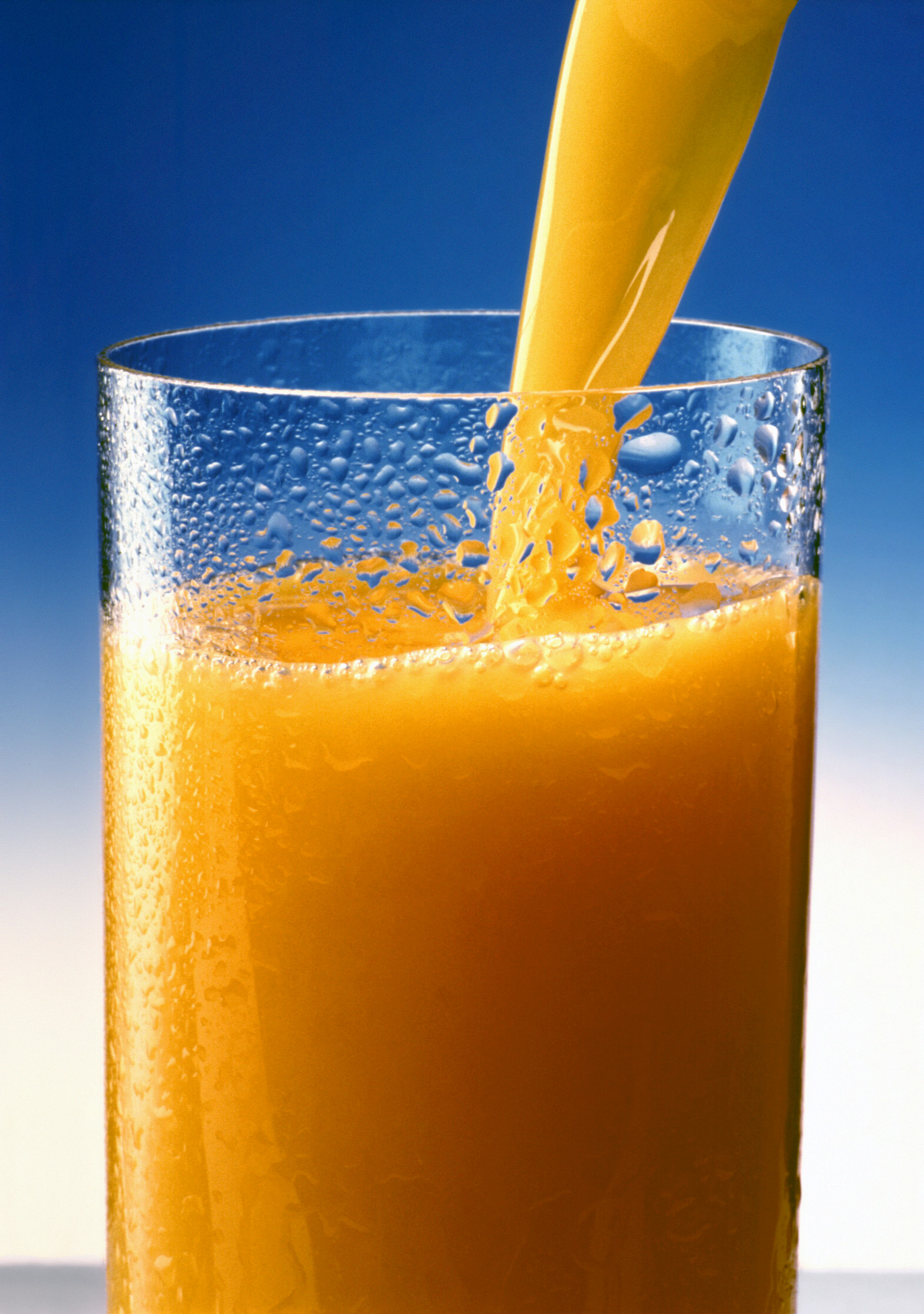
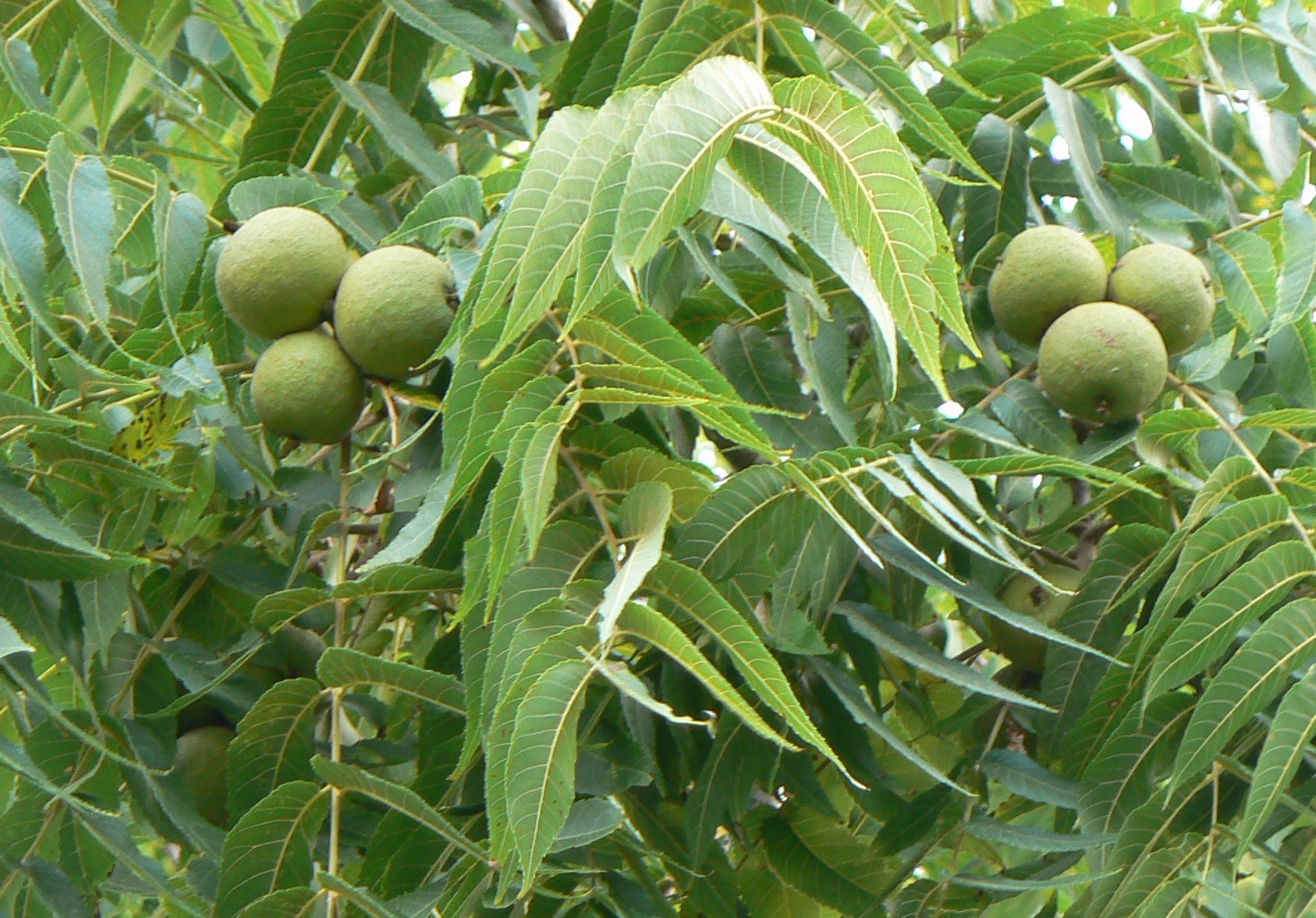
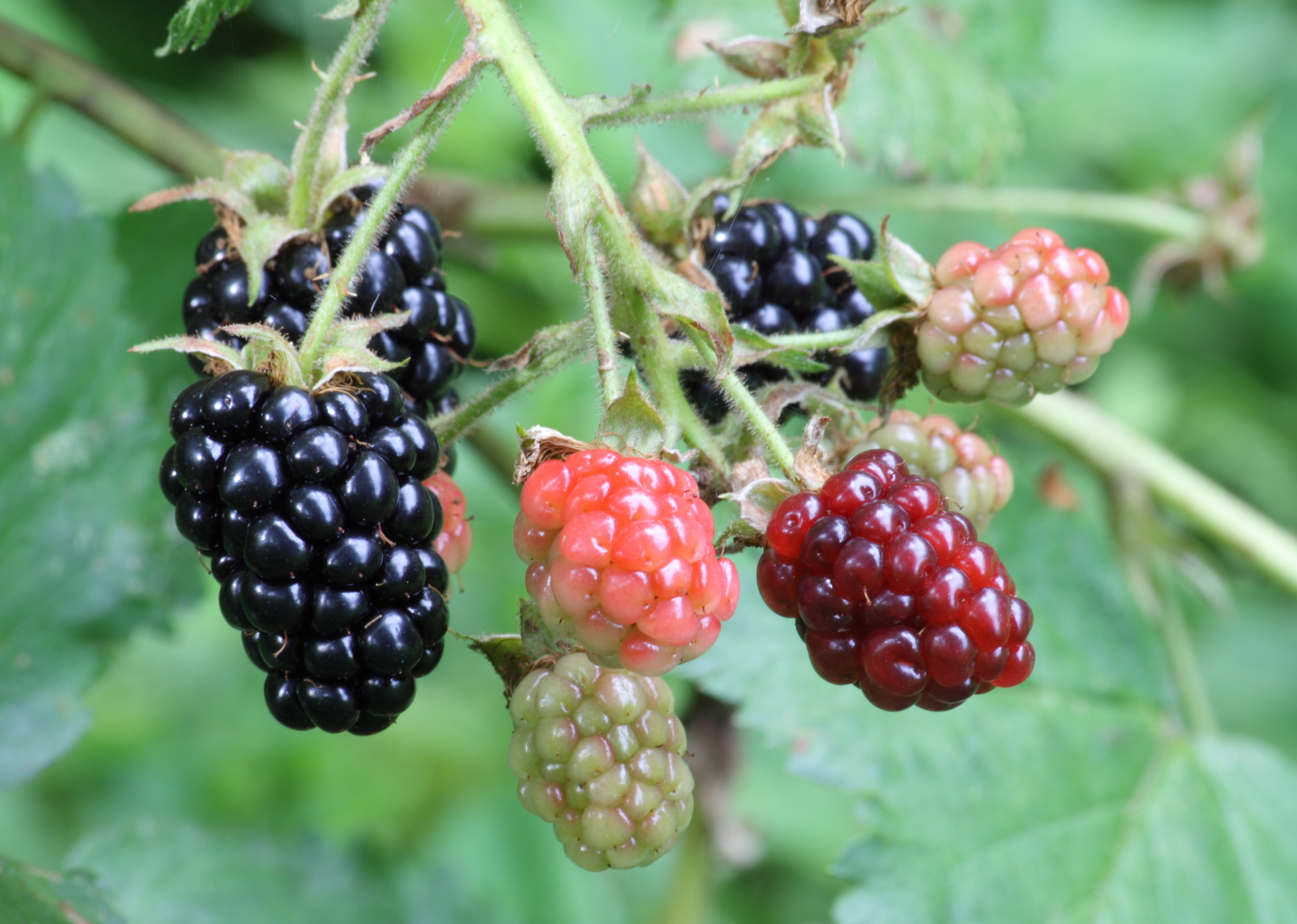
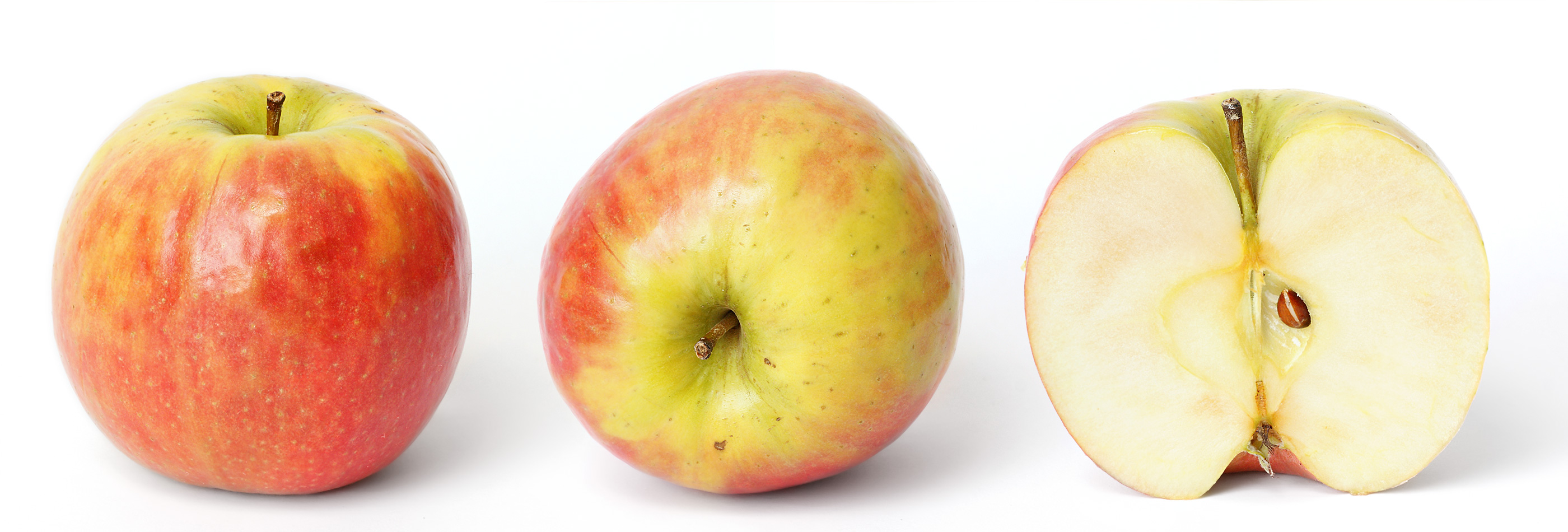
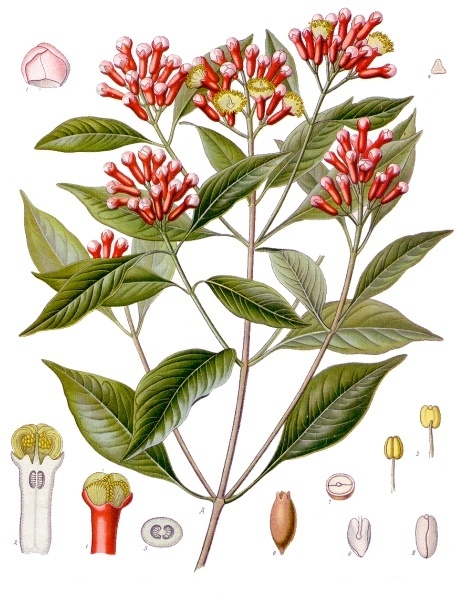
Foods containing this compound



Verified Data
Compound identity and culinary context are continuously cross-referenced across open scientific databases and maintained by Foodgeist's enrichment pipeline.
The Geist can be wrong. Some flavor, taste, and pairing values are model-predicted, not lab-measured.