Foodgeist is a participant in the Amazon Services LLC Associates Program, an affiliate advertising program designed to provide a means for sites to earn advertising fees by advertising and linking to Amazon.com. As an Amazon Associate we earn from qualifying purchases.
An alcoholic beverage is a drink that typically contains 3% ? 40% ethanol (commonly called alcohol). Alcoholic beverages are divided into three classes: beers, wines, and spirits (distilled beverages). They are legally consumed in most countries around the world. More than 100 co
beverage
Cook with Alcoholic beverages
As an Amazon Associate, Foodgeist earns from qualifying purchases.
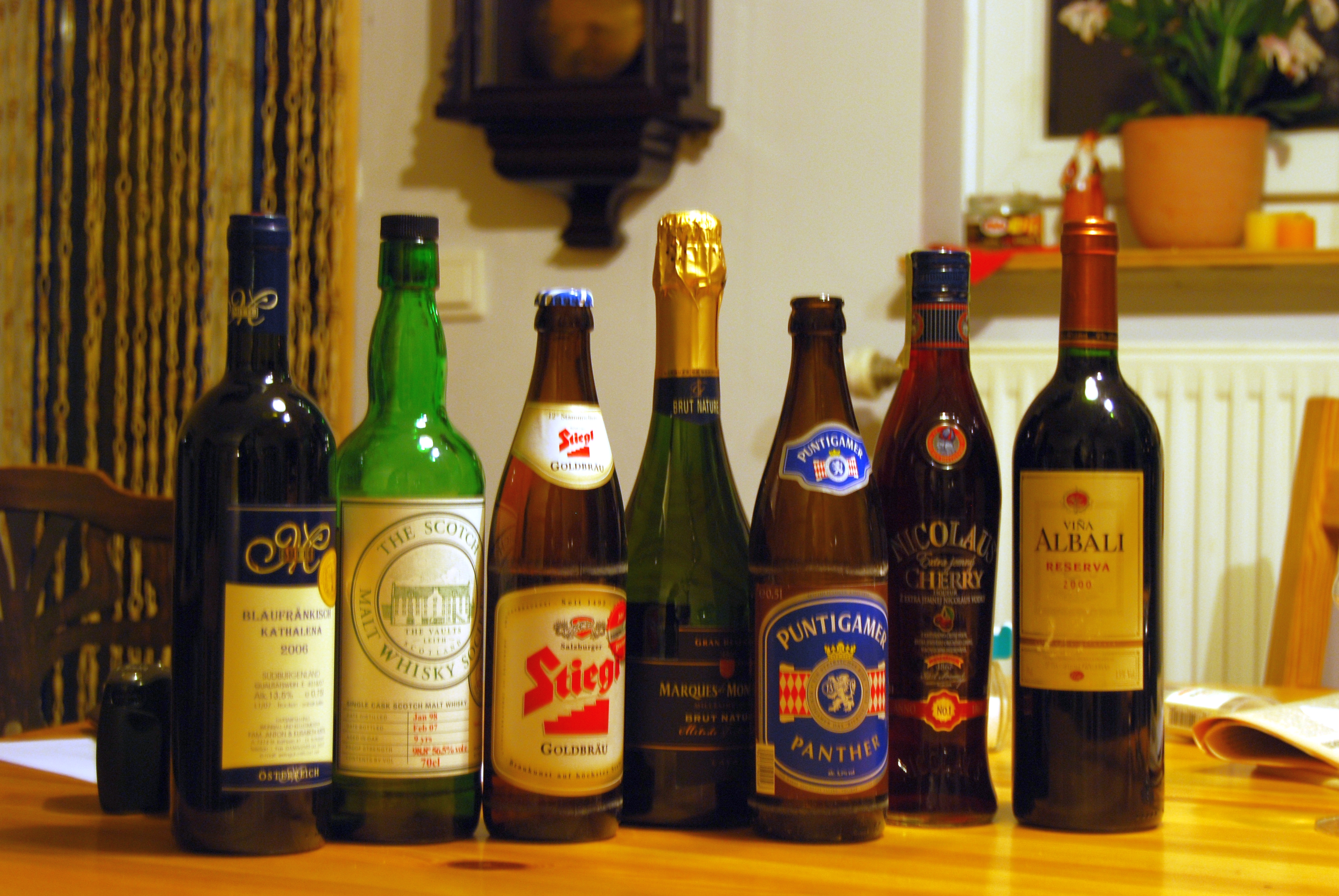
An alcoholic beverage is a drink that typically contains 3% ? 40% ethanol (commonly called alcohol). Alcoholic beverages are divided into three classes: beers, wines, and spirits (distilled beverages). They are legally consumed in most countries around the world. More than 100 countries have laws regulating their production, sale, and consumption.
Highlighted compounds are flavor-active · click to view molecular profile
White wine
20 shared
Based on shared molecular compounds · click to explore
Safety thresholds
alcoholic beverages→ considered safe →due to alcohol content
“Alcoholic beverages (fermented or not) have been consumed for more than three thousand years and, generally, they have been considered safe because of their alcohol content.”
What science says
compound effect
“Distilled spirits contained 50-330 ng EC/g (ppb), fortified wine 40-160 ppb, table wine 10-50 ppb, and soy sauce 15-70 ppb.”
ethyl carbamate (EC)→is present in→alcoholic beverages and soy sauce
“This IUPAC review covers the earlier studies of the 1970s on the analysis, occurrence and formation of ethyl carbamate (EC) in foods and alcoholic beverages”
Ethyl carbamate (EC)→occurs→alcoholic beverages and foods
“The advantages of using flocculent yeast strains in the production of other alcoholic beverages (wine, cachaça and sparkling wine), in the production of renewal fuels (bio-ethanol), in modern biotechnology (production of heterologous proteins) and in environmental applications (bioremediation of heavy metals) are highlighted.”
flocculent yeast strains→are used in→production of other alcoholic beverages (wine, cachaça and sparkling wine), production of renewal fuels (bio-ethanol), modern biotechnology (production of heterologous proteins), and environmental applications (bioremediation of heavy metals)
“Basados en el valor nutricional del lactosuero, un numero de usos comerciales se han obtenido como etanol, acidos organicos, bebidas no alcoholicas, bebidas fermentadas, biomasa, concentrados, aislados e hidrolizados de proteina, peliculas comestibles, medio de soporte para encapsular sustancias, produccion de xantana, enzimas, separacion de la lactosa para fines endulzantes en alimentos entre otras aplicaciones.”
Lactosuero→is used in→various commercial applications such as ethanol, organic acids, non-alcoholic beverages, fermented beverages, biomass, concentrates, isolated and hydrolyzed proteins, edible films, encapsulation support, xanthan production, enzymes, lactose separation for sweetening in foods, and other applications