PubChem CID · CC0
citronellol acetate
Research associations
Literature-derived · peer-reviewed sources only · not medical advice
Foods containing this compound


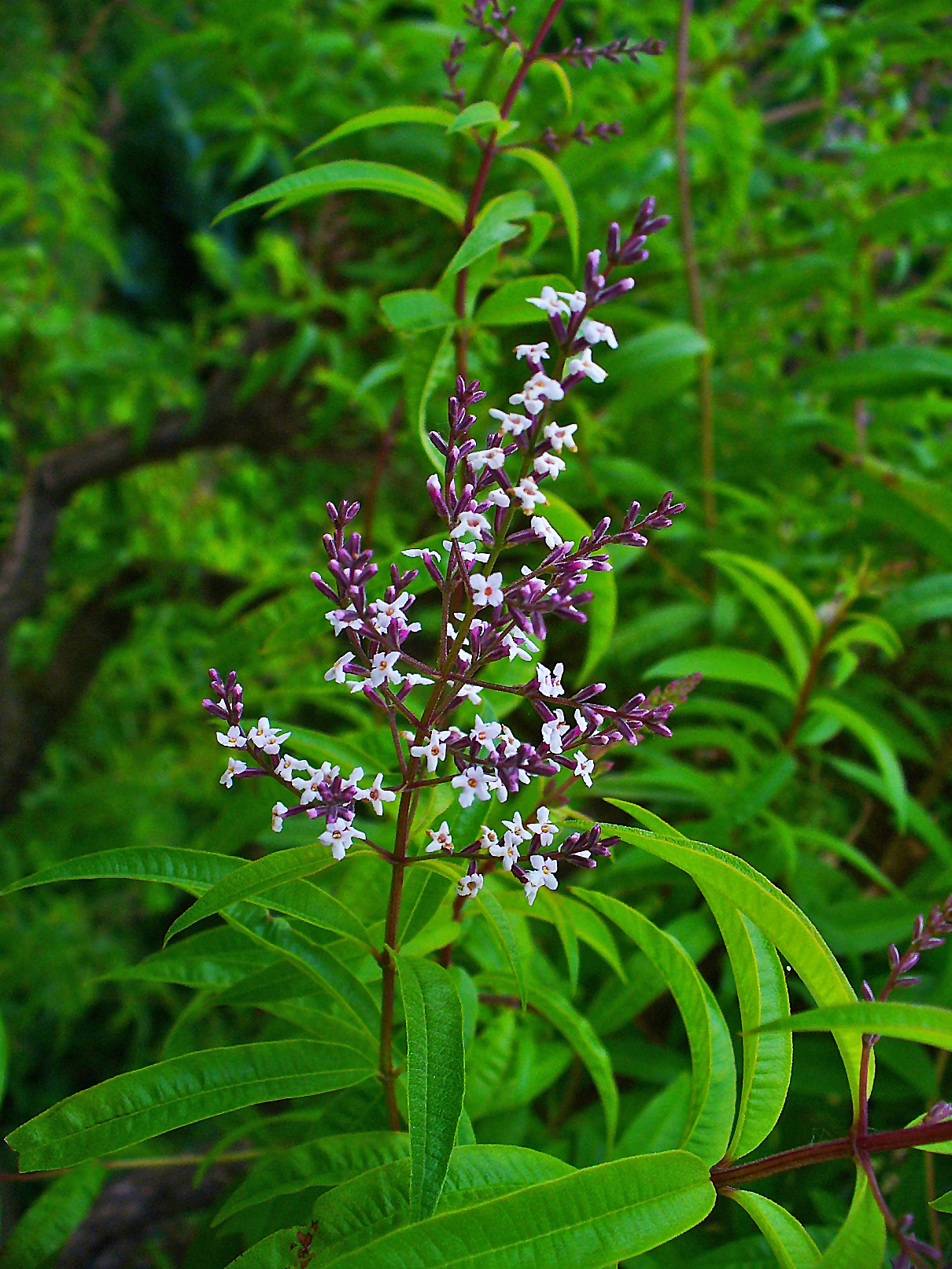
Aloysia citrodora is a species of flowering plant in the verbena family Verbenaceae, native to northwestern Argentina and southern Bolivia. Common names include lemon verbena and lemon beebrush. It was brought to Europe by the Spanish and the Portuguese in the 17th century.
The nutmeg tree is any of several species of trees in genus Myristica. The most important commercial species is Myristica fragrans, an evergreen tree indigenous to the Banda Islands in the Moluccas (or Spice Islands) of Indonesia.
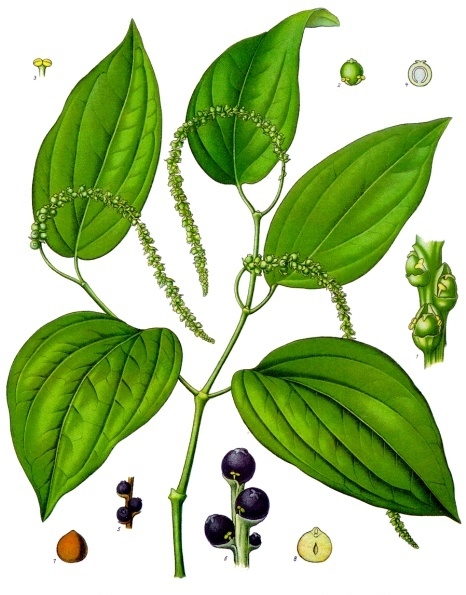
Black pepper (Piper nigrum) is a flowering vine in the family Piperaceae, cultivated for its fruit, which is usually dried and used as a spice and seasoning. The fruit, known as a peppercorn when dried, is approximately 5 millimetres in diameter, dark red when fully mature, and, like all drupes, contains a single seed. Peppercorns, and the ground pepper derived from them, may be described simply as pepper, or more precisely as black pepper (cooked and dried unripe fruit), green pepper (dried unripe fruit) and white pepper (dried ripe seeds). Black pepper is native to south India, and is extensively cultivated there and elsewhere in tropical regions. Currently Vietnam is the world's largest producer and exporter of pepper, producing 34% of the world's Piper nigrum crop as of 2008. Dried ground pepper has been used since antiquity for both its flavour and as a medicine. Black pepper is the world's most traded spice. It is one of the most common spices added to European cuisine and its descendants. The spiciness of black pepper is due to the chemical piperine, not to be confused with the capsaicin that gives fleshy peppers theirs. It is ubiquitous in the modern world, often paired with salt.
Wild celery is a common name for several plants Wild celery may refer to Wild growing forms of celery, Apium graveolens Angelica archangelica, cultivated as a vegetable and medicinal plant Lovage, Levisticum officinale, sometimes known as wild celery Vallisneria americana, an aquatic plant in the Hydrocharitaceae family
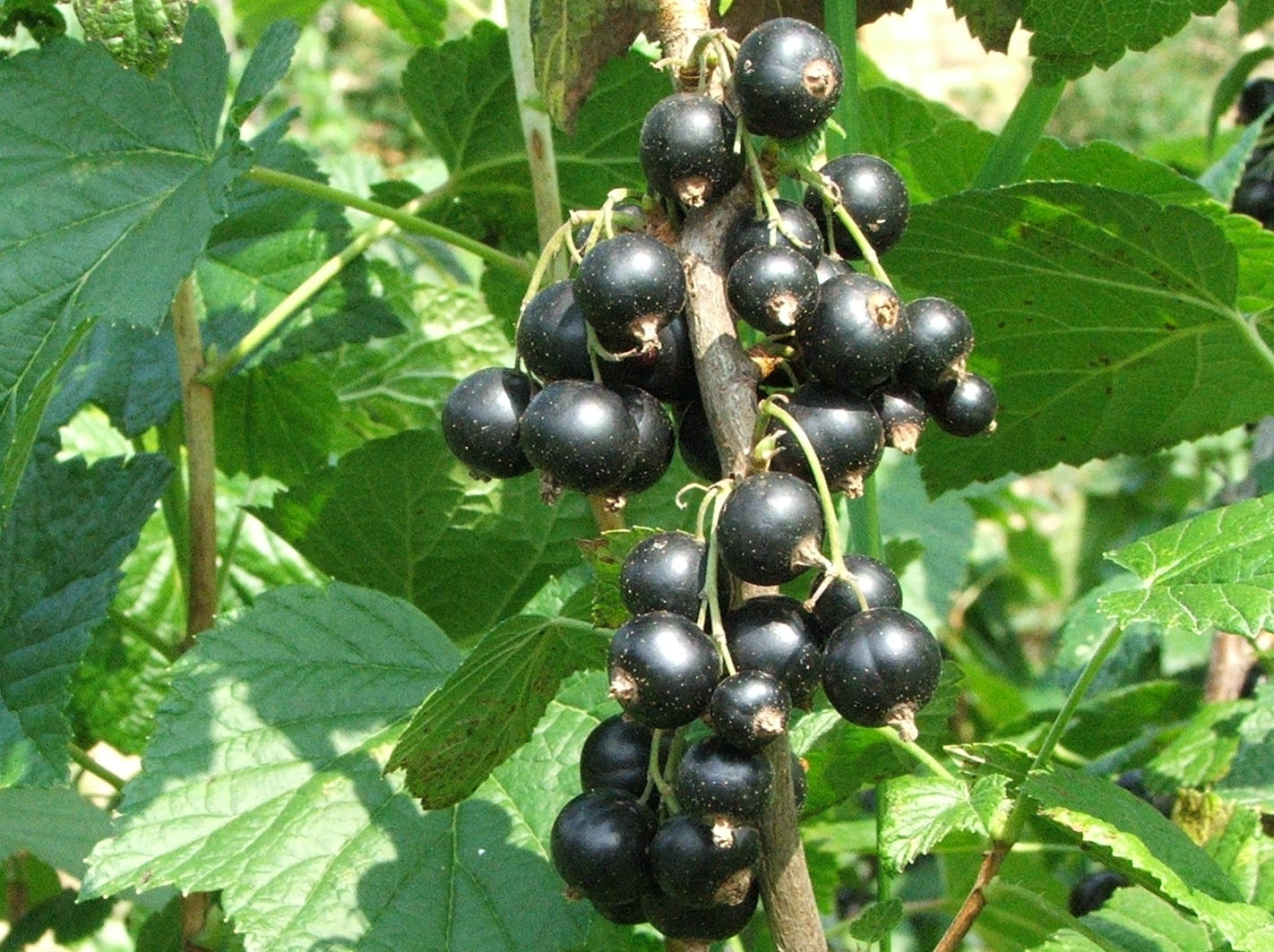
A grape is a fruiting berry of the deciduous woody vines of the botanical genus Vitis. Grapes can be eaten raw or they can be used for making wine, jam, juice, jelly, grape seed extract, raisins, vinegar, and grape seed oil. Grapes are a non-climacteric type of fruit, generally occurring in clusters.
The lemon is a small evergreen tree native to Asia, and the tree's ellipsoidal yellow fruit. The fruit is used for culinary and non-culinary purposes throughout the world, primarily for its juice, though the pulp and rind are also used in cooking and baking. The juice of the lemon is about 5% to 6% citric acid, which gives lemons a sour taste. The distinctive sour taste of lemon juice makes it a key ingredient in drinks and foods such as lemonade.
The Mandarin orange, also known as the mandarin or mandarine, is a small citrus tree (Citrus reticulata) with fruit resembling other oranges. Mandarin oranges are usually eaten plain or in fruit salads. Specifically reddish-orange mandarin cultivars can be marketed as tangerines, but this is not a botanical classification. When exporting began, local Mandarin oranges were named after their port of origin.
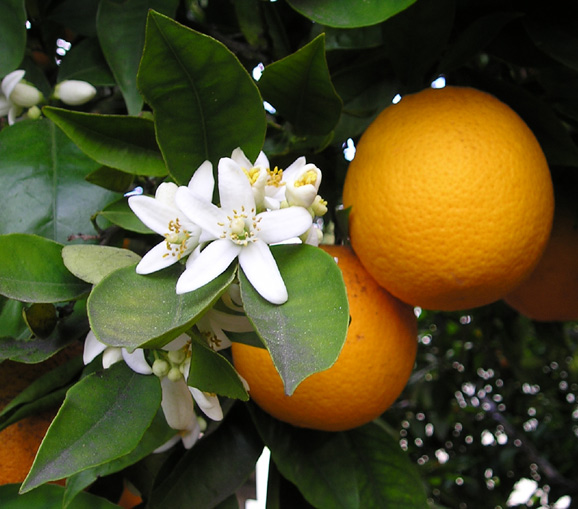
The orange (specifically, the sweet orange) is the fruit of the citrus species Citrus × sinensis in the family Rutaceae.The fruit of the Citrus sinensis is considered a sweet orange, whereas the fruit of the Citrus aurantium is considered a bitter orange. The orange is a hybrid, possibly between pomelo (Citrus maxima) and mandarin (Citrus reticulata), which has been cultivated since ancient times.
Cymbopogon citratus, commonly known as lemon grass or oil grass, is a tropical plant from Southeast Asia. Cymbopogon citratus is abundant in the Philippines and Indonesia where it is known as tanglad or sereh. Its fragrant leaves are traditionally used in cooking, particularly for "lechon" and roasted chicken. The dried leaves can also be brewed into a tea, either alone or as a flavoring in other teas, imparting a flavor reminiscent of lemon juice but with a mild sweetness without significant sourness or tartness. [Wikipedia]

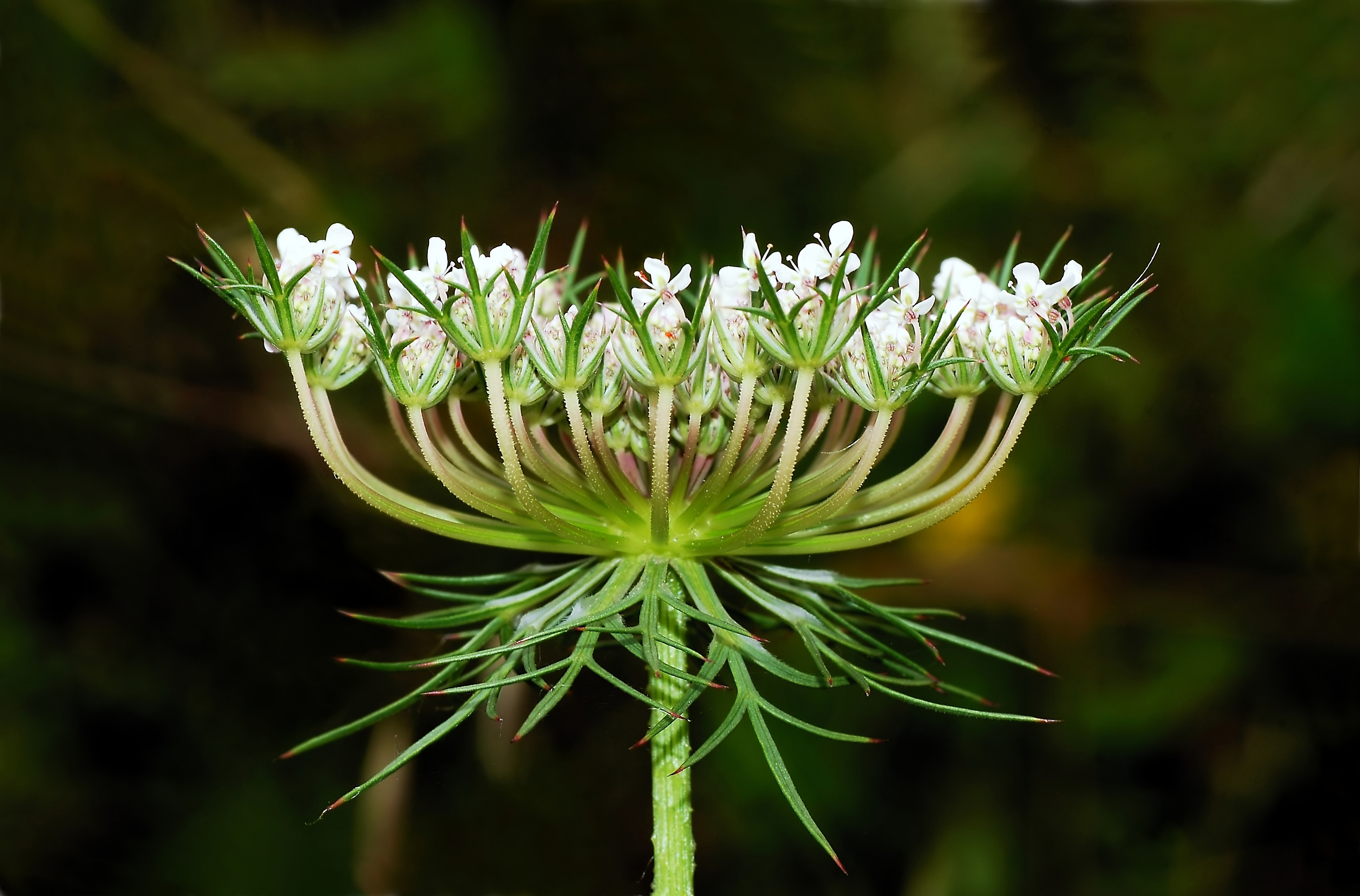
<i>Daucus carota</i>, whose common names include wild carrot, bird's nest, bishop's lace, and Queen Anne's lace (North America), is a flowering plant in the family <i>Apiaceae</i>, native to temperate regions of Europe, southwest Asia and naturalized to North America and Australia. Domesticated carrots are cultivars of a subspecies, <i>Daucus carota</i> subsp. <i>sativus</i>.

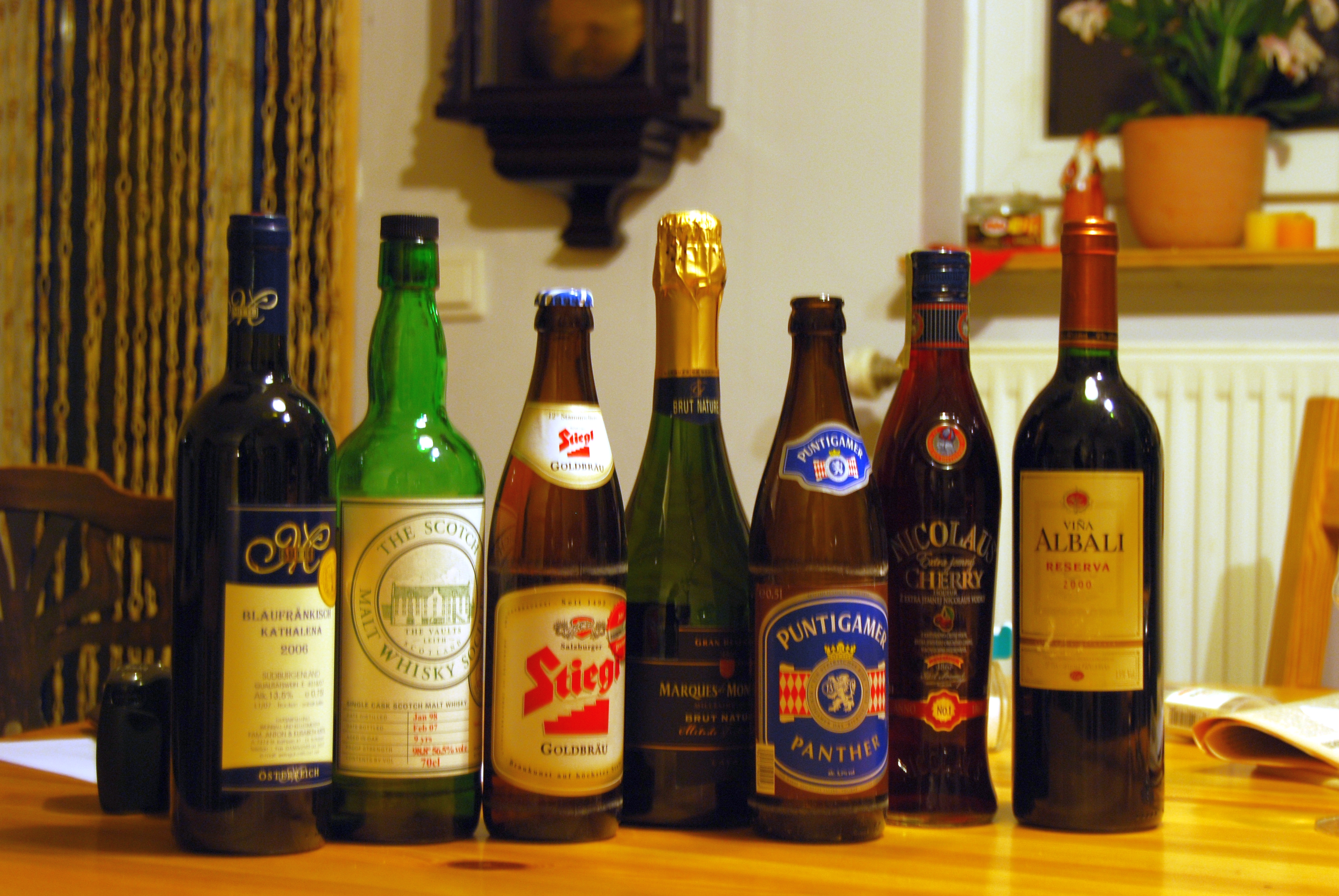
An alcoholic beverage is a drink that typically contains 3% ? 40% ethanol (commonly called alcohol). Alcoholic beverages are divided into three classes: beers, wines, and spirits (distilled beverages). They are legally consumed in most countries around the world. More than 100 countries have laws regulating their production, sale, and consumption.

Citrus is a common term and genus (Citrus) of flowering plants in the rue family, Rutaceae. The most recent research indicates an origin in Australia, New Caledonia and New Guinea. Some researchers believe that the origin is in the part of Southeast Asia bordered by Northeast India, Burma (Myanmar) and the Yunnan province of China, and it is in this region that some commercial species such as oranges, mandarins, and lemons originally came. Citrus fruit has been cultivated in an ever-widening area since ancient times; the best-known examples are the oranges, lemons, grapefruit, and limes.


spice from trees in the genus Myristica

taproot vegetable of plant known as a "wild carrot" For domesticated carrots use Q81
rose cultivar (1951)

taproot vegetable of plant known as a "wild carrot" For domesticated carrots use Q81

Ground fruit of the family Piperaceae

Species of edible plant

Species of plant used as a spice

Spice from Myristica fragrans
Source
Compound data linked to PubChem CID 9017, public domain via NCBI. Culinary context + ingredient mappings are maintained by Foodgeist's enrichment fleet and continuously re-matched by the pairings engine. PubChem CID 9017