PubChem CID · CC0
(−)-α-thujone
Foods containing this compound
Matricaria chamomilla, commonly known as chamomile (also spelled camomile), German chamomile, Hungarian chamomile, wild chamomile or scented mayweed, is an annual plant of the composite family Asteraceae. M. chamomilla is the most popular source of the herbal product chamomile, although other species are also used as chamomile.
Mentha arvensis (Field Mint, Wild Mint or Corn Mint) is a species of mint with a circumboreal distribution. It is native to the temperate regions of Europe and western and central Asia, east to the Himalaya and eastern Siberia, and North America. It is a herbaceous perennial plant growing to 10–60 cm (rarely to 100 cm) tall. The leaves are in opposite pairs, simple, 2–6.5 cm long and 1–2 cm broad, hairy, and with a coarsely serrated margin. The flowers are pale purple (occasionally white or pink), in clusters on the stem, each flower 3–4 mm long. Uses & Benefits of Podina: 50x40pxThis article does not cite any references or sources. Please help improve this article by adding citations to reliable sources. Unsourced material may be challenged and removed. Podina is used as a carminative and an expectorant. The plant is highly effective in treating headaches, rhinitis, cough sore throat, colic, prurigo and vomiting. It serves as a good blood cleanser, since it is antiseptic and anti-bacterial. Podina plays a significant role in alleviating swollen gums, mouth ulcers and toothaches. Crushed and bruised pudina leaves are used in treating insect bites. The decoction and infusion of its leaves and stems helps in fever, stomachaches, dysmenorrheal and diuresis. Fresh leaves of podina are crushed and sniffed for dizziness. Crushed leaves are also applied on the forehead and temple, to cure headaches. For toothaches, boil 6 tablespoons of pudina leaves in 2 glasses of water, for 15 minutes. Strain and cool the water. Divide it into two parts and take each part after 3 to 4 hours. Boil 6 tablespoons of chopped leaves in 2 glasses of water, for 15 minutes. Cool and strain. Divide the decoction into 3 parts and consume three times a day. This will help in treating coughs. For treating arthritis, take some fresh leaves and heat on low flame. Pound them and apply on the painful joints or muscles, when still warm. Soak 2 tablespoons of chopped leaves in a glass of hot water for 30 minutes and strain. Use the infusion as a mouthwash. The menthol extracted from the plant is used in preparing balms. It is used as a flavoring agent in many culinary preparations There are six subspecies: Mentha arvensis subsp. arvensis. Mentha arvensis subsp. agrestis Briq. Mentha arvensis subsp. austriaca (Jacq. ) Briq. Mentha arvensis subsp. lapponica (Wahlenb. ) Neuman Mentha arvensis subsp. palustris (Moench) Neumann Mentha arvensis subsp. parietariifolia (Becker) Briq. The related species Mentha canadensis is also included in M. arvensis by some authors as two varieties, M. arvensis var. glabrata Fernald (in reference to North American plants) and M. arvensis var. piperascens Malinv. ex L. H. Bailey (in reference to eastern Asian plants).

Peppermint (Mentha × piperita, also known as M. balsamea Willd.) is a hybrid mint, a cross between watermint and spearmint. The plant, indigenous to Europe, is now widespread in cultivation throughout all regions of the world. It is found wild occasionally with its parent species. Fresh or dried peppermint leaves are often used alone or with other herbs in herbal teas (tisanes, infusions). Peppermint is used for flavouring ice cream, confectionery, chewing gum, and toothpaste, and can also be found in some shampoos, soaps and skin care products. Menthol activates cold-sensitive TRPM8 receptors in the skin and mucosal tissues, and is the primary source of the cooling sensation that follows the topical application of peppermint oil. Peppermint has a high menthol content. The oil also contains menthone and carboxyl esters, particularly menthyl acetate. Dried peppermint typically has 0.3–0.4% of volatile oil containing menthol (7–48%), menthone (20–46%), menthyl acetate (3–10%), menthofuran (1–17%) and 1,8-cineol (3–6%). Peppermint oil also contains small amounts of many additional compounds including limonene, pulegone, caryophyllene and pinene. Peppermint also contains terpenoids and flavonoids [Wikipedia]

Basil, Thai basil, or sweet basil, is a common name for the culinary herb Ocimum basilicum of the family Lamiaceae (mints), sometimes known as Saint John's Wort in some English-speaking countries.
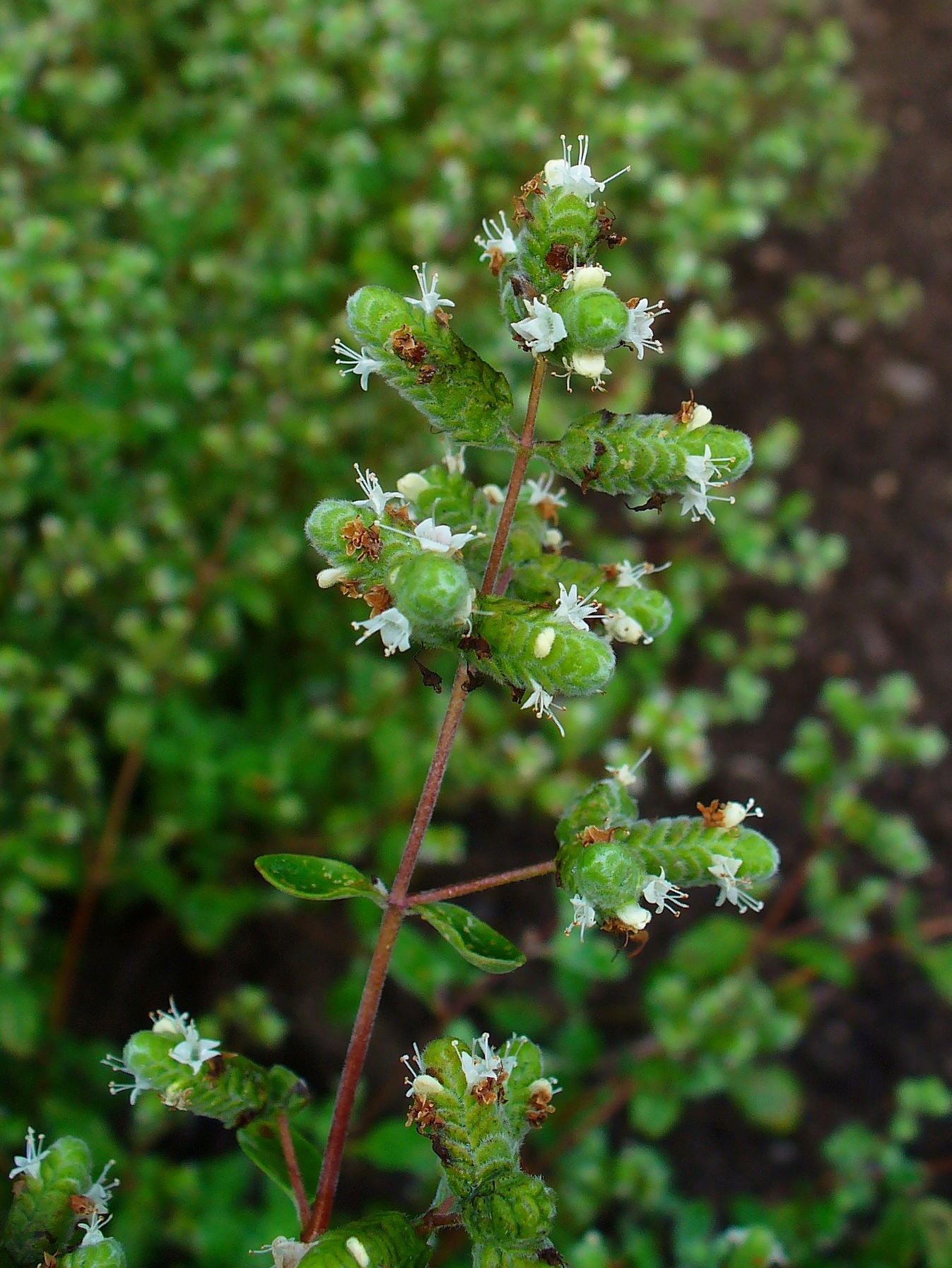
Origanum onites, the Cretan oregano, Turkish oregano, pot marjoram or rίgani in Greek (Ελληνική ρίγανη), is a plant species in the genus Origanum found in Greece and Turkey. It has similar flavors as oregano. Its essential oil can be distinguished from other species such as Greek oregano (Origanum vulgare ssp. hirtum). The plant contains the chemical compounds thymol, carvacrol and cedrol. It has antimicrobial activities. [Wikipedia]
Oregano (scientific name Origanum vulgare) is a common species of Origanum, a genus of the mint family (Lamiaceae). It is native to warm-temperate western and southwestern Eurasia and the Mediterranean region.
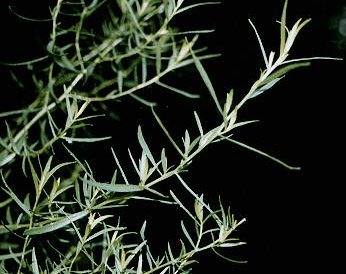
Tarragon (Artemisia dracunculus) is a species of perennial herb in the family Asteraceae. One sub-species, Artemisia dracunculus var. sativa, is cultivated for use of the leaves as an aromatic culinary herb. In some other sub-species, the characteristic aroma is largely absent. The species is polymorphic. Informal names for distinguishing the variations include "French tarragon" (best for culinary use), "Russian tarragon" (typically better than wild tarragon but not as good as so-called French tarragon for culinary use), and "wild tarragon" (covers various states).
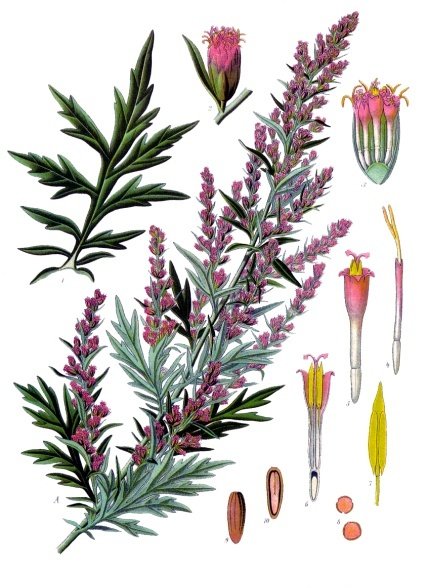
Mugwort (Artemisia vulgaris), or common wormwood, is a medicinal and culinary herb native to Eurasia and northern Africa. Mugwort may also refer to:

Caraway (Carum carvi), also known as meridian fennel, or Persian cumin, is a biennial plant in the family Apiaceae, native to western Asia, Europe and Northern Africa. The plant is similar in appearance to other members of the carrot family, with finely divided, feathery leaves with thread-like divisions, growing on 20–30 cm stems. The main flower stem is 40–60 cm tall, with small white or pink flowers in umbels. Caraway fruits are crescent-shaped achenes, around 2 mm long, with five pale ridges.
Capsicum frutescens is a species of chili pepper that is sometimes considered to be part of the species Capsicum annuum. Pepper cultivars in Capsicum frutescens can be annual or short-lived perennial plants. Flowers are white with a greenish white or greenish yellow corolla, and are either insect- or self-pollinated. The plants' berries typically grow erect; ellipsoid-conical to lanceoloid shaped. They are usually very small and pungent, growing 10?20mm long and 3?7mm in diameter. Fruit typically grows a pale yellow and matures to a bright red, but can also be other colors. C. frutescens has a smaller variety of shapes compared to other Capsicum species, likely because of the lack of human selection. More recently, however, C. frutescens has been bred to produce ornamental strains, because of its large quantities of erect peppers growing in colorful ripening patterns.

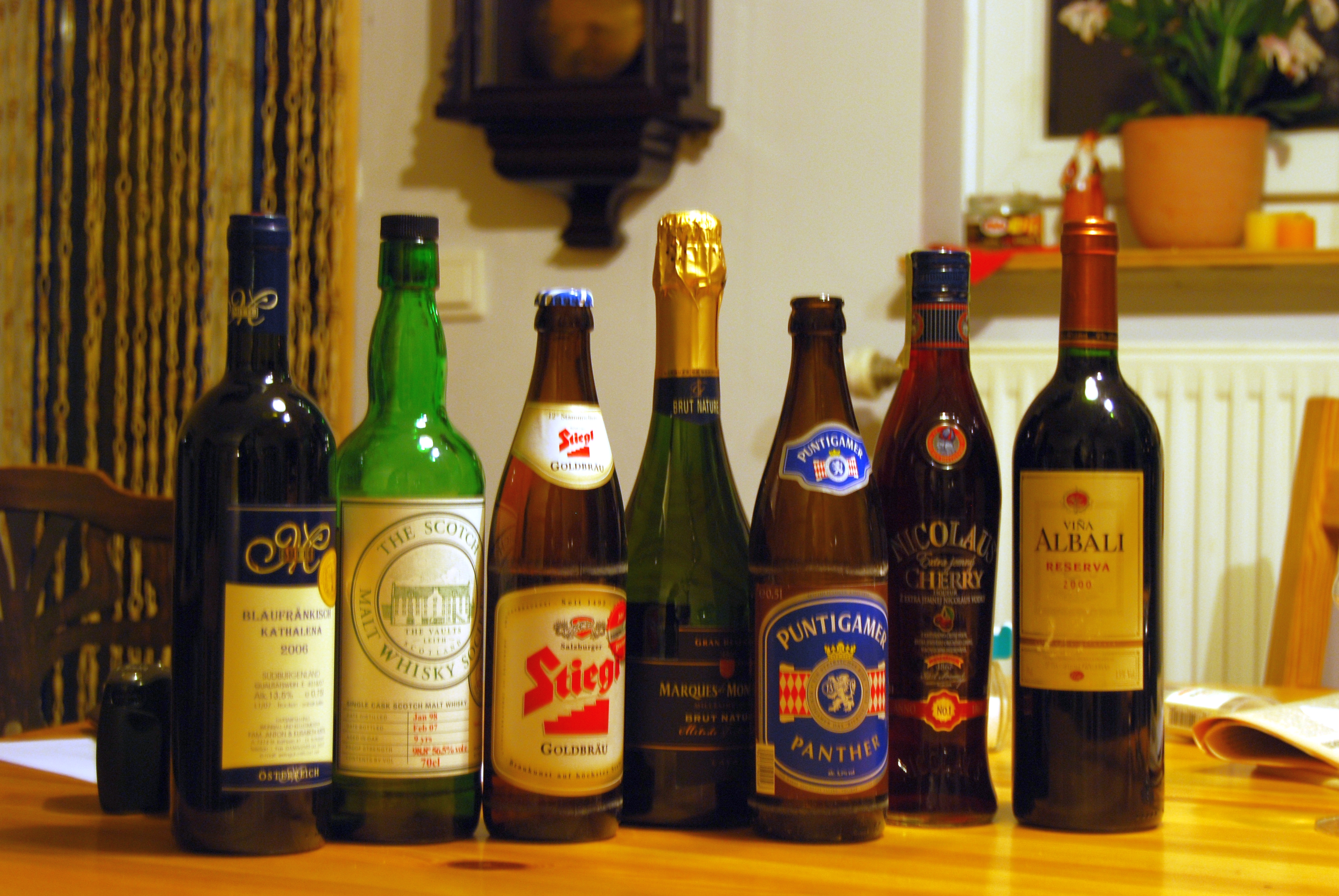
An alcoholic beverage is a drink that typically contains 3% ? 40% ethanol (commonly called alcohol). Alcoholic beverages are divided into three classes: beers, wines, and spirits (distilled beverages). They are legally consumed in most countries around the world. More than 100 countries have laws regulating their production, sale, and consumption.

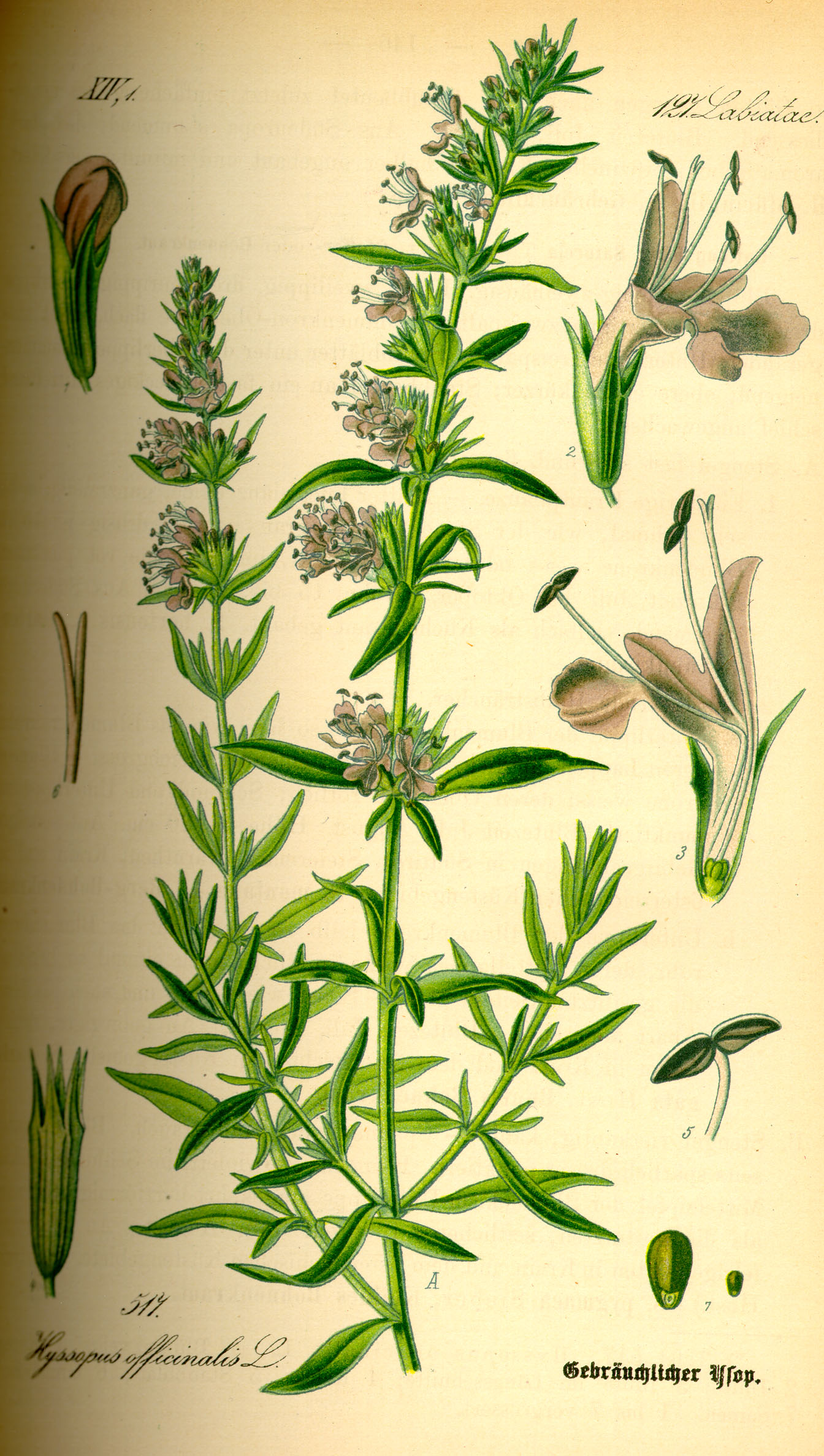
Hyssopus officinalis, hyssop is a herbaceous plant of the genus Hyssopus native to Southern Europe, the Middle East, and the region surrounding the Caspian Sea. Due to its properties as an antiseptic, cough reliever, and expectorant, it is commonly used as an aromatic herb and medicinal plant.

molded meat gelatin dish

culinary or medicinal herb, for the taxon use Q102240169

Species of plant

Hybrid flowering plant in the family Lamiaceae

Species of flowering plant

Species of flowering plant
Source
Compound data linked to PubChem CID 261491, public domain via NCBI. Culinary context + ingredient mappings are maintained by Foodgeist's enrichment fleet and continuously re-matched by the pairings engine. PubChem CID 261491