About
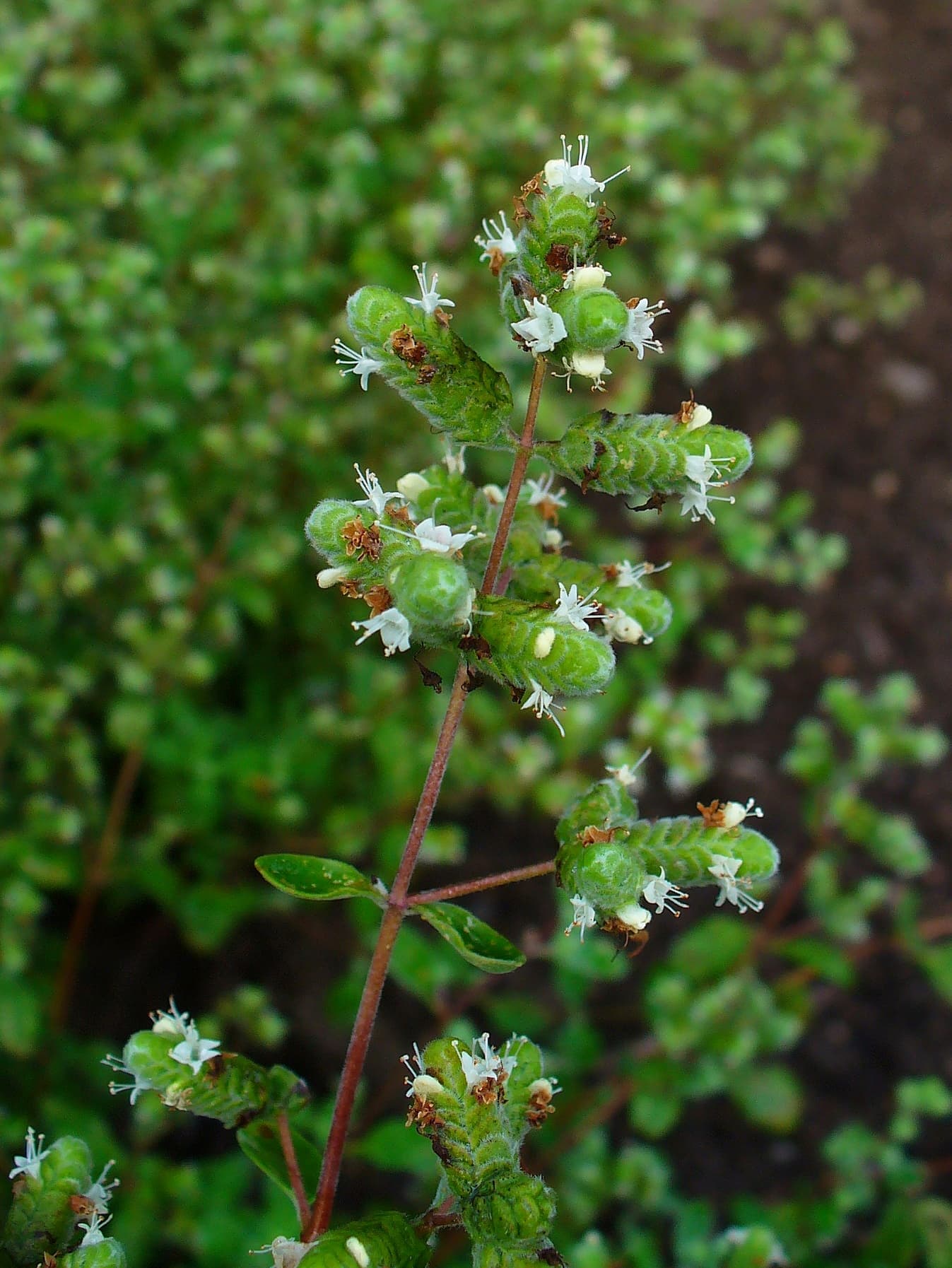
herb used in cooking; herbal medicine documented by the European Medicines Agency
Aroma profile
Derived from this ingredient’s flavor compounds
herbal×19
sharp×18
floral×16
pungent×16
aromatic×15
spicy×14
ethereal×14
green×15
Taste profile
Derived from this ingredient's compounds · measured taste classes
bittersweetsourumami
Composition
60 compounds predicted — inferred from related foods, not directly measured
predicted composition — no direct measurement on record for this foodMolecular affinity
Pairs well with — ingredients that share aroma compounds
Based on shared flavor compounds · click to explore
Research Evidence
Multi-source verifiedVerification: Independently verified
The Geist can be wrong. Some flavor, taste, and pairing values are model-predicted, not lab-measured.