PubChem CID · CC0
(Z)-non-2-enal
Foods containing this compound

Lovage , Levisticum officinale, is a tall perennial plant, the sole species in the genus Levisticum in the family Apiaceae, subfamily Apioideae, tribe Apieae.
Asparagus officinalis is a spring vegetable, a flowering perennial plant species in the genus Asparagus. It was once classified in the lily family, like its Allium cousins, onions and garlic, but the Liliaceae have been split and the onion-like plants are now in the family Amaryllidaceae and asparagus in the Asparagaceae. Asparagus officinalis is native to most of Europe, northern Africa and western Asia, and is widely cultivated as a vegetable crop.

Opuntia, also known as nopales or paddle cactus, is a genus in the cactus family, Cactaceae. Currently, only prickly pears are included in this genus of about 200 species distributed throughout most of the Americas. Chollas are now separated into the genus Cylindropuntia, which some still consider a subgenus of Opuntia. Austrocylindropuntia, Corynopuntia, and Micropuntia are also often included in the present genus, but like Cylindropuntia, they seem rather distinct. Brasiliopuntia and Miqueliopuntia are closer relatives of Opuntia.
The lemon is a small evergreen tree native to Asia, and the tree's ellipsoidal yellow fruit. The fruit is used for culinary and non-culinary purposes throughout the world, primarily for its juice, though the pulp and rind are also used in cooking and baking. The juice of the lemon is about 5% to 6% citric acid, which gives lemons a sour taste. The distinctive sour taste of lemon juice makes it a key ingredient in drinks and foods such as lemonade.
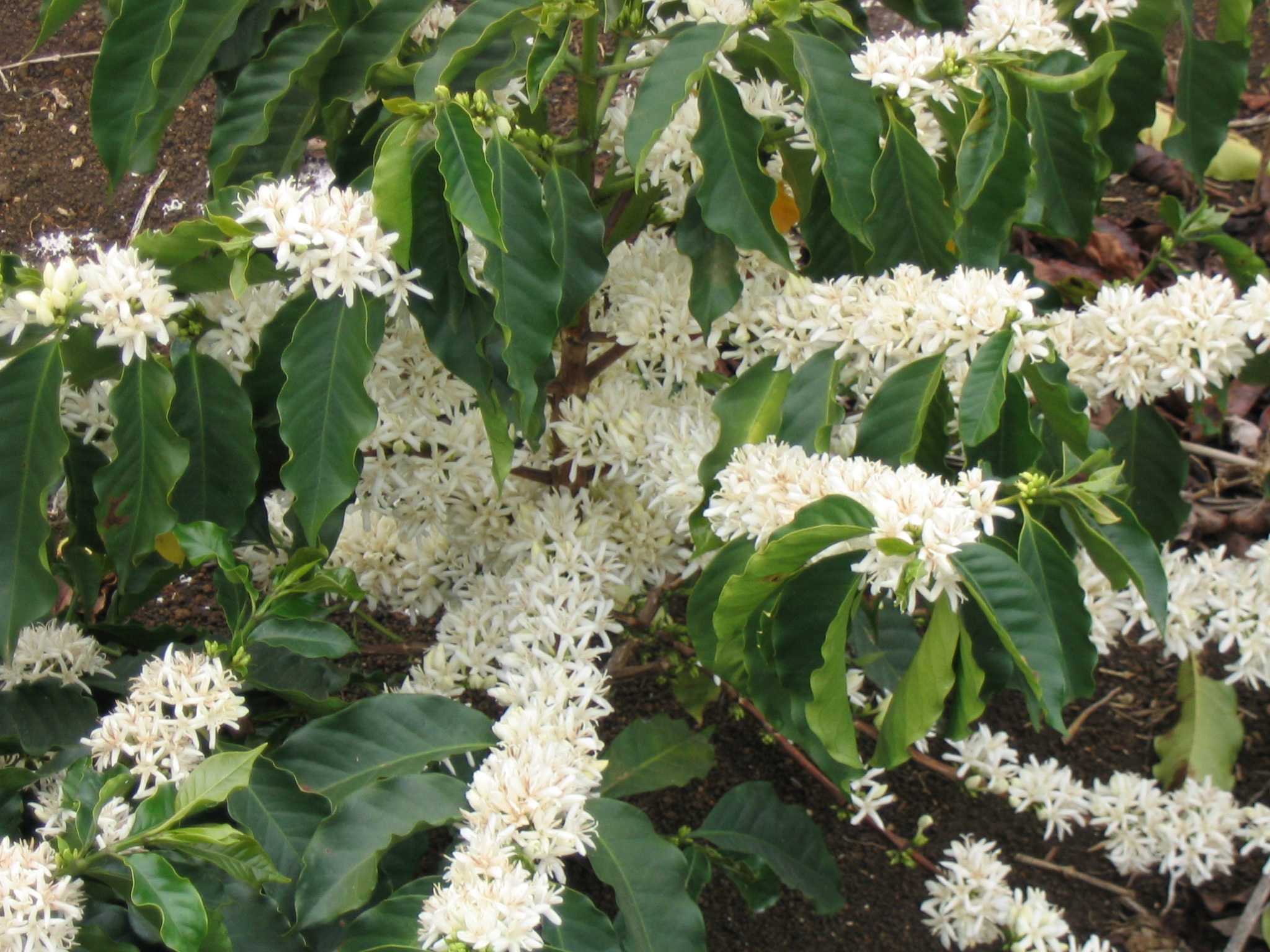
Coffea arabica is a species of Coffea originally indigenous to the mountains of the southwestern highlands of Ethiopia. It is also known as the "coffee shrub of Arabia", "mountain coffee" or "arabica coffee". Coffea arabica is believed to be the first species of coffee to be cultivated, being grown in southwest Ethiopia for well over 1,000 years.

Robusta coffee (Coffea canephora; syn. Coffea robusta) is a variety of coffee, which has its origins in central and western sub-Saharan Africa. It is a species of flowering plant in the Rubiaceae family. Though widely known as Coffea robusta, the plant is scientifically identified as Coffea canephora, which has two main varieties - Robusta and Nganda.
Muskmelon (Cucumis melo) is a species of melon that has been developed into many cultivated varieties. These include smooth skinned varieties such as honeydew, crenshaw and casaba, and different netted cultivars (cantaloupe, Persian melon and Santa Claus or Christmas melon). The Armenian cucumber is also a variety of muskmelon, but its shape, taste, and culinary uses more closely resemble those of a cucumber. The large number of cultivars in this species approaches that found in wild cabbage, though morphological variation is not as extensive. It is a fruit of a type called pepo. Muskmelon is native to Persia, Anatolia, Armenia, and adjacent areas on the west and the east which is believed to be their center of origin and development, with a secondary center including the northwest provinces of India and Afghanistan. Although truly wild forms of C. melo have not been found, several related wild species have been noted in those regions.
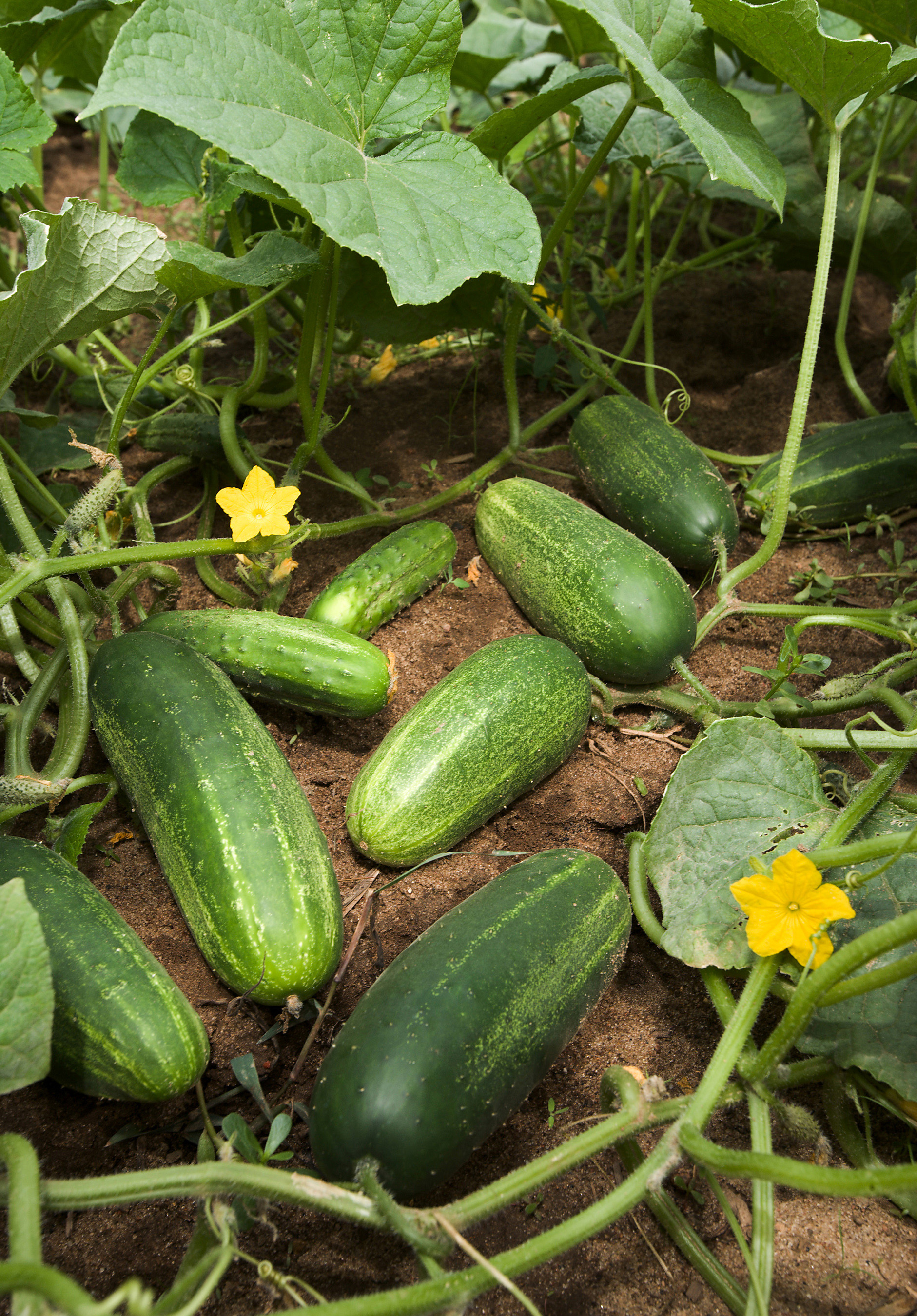
Cucumber (Cucumis sativus) is a widely cultivated plant in the gourd family Cucurbitaceae. It is a creeping vine that bears cylindrical fruits that are used as culinary vegetables. There are three main varieties of cucumber: slicing, pickling, and burpless. Within these varieties, several different cultivars have emerged. The cucumber is originally from Southern Asia, but now grows on most continents. Many different varieties are traded on the global market.
Eruca sativa (syn. E. vesicaria subsp. sativa (Miller) Thell., Brassica eruca L.) is an edible annual plant, commonly known as salad rocket, roquette, rucola, rugula, colewort, and, in the United States, arugula. It is sometimes conflated with Diplotaxis tenuifolia, the perennial wall rocket, another plant of the Brassicaceae family, which in the past was used in the same manner. Eruca sativa, which is widely popular as a salad vegetable, is a species of Eruca native to the Mediterranean region, from Morocco and Portugal in the west to Syria, Lebanon and Turkey in the east. The Latin adjective sativa in the plant's binomial is derived from satum, the supine of the verb sero, meaning "to sow", indicating that the seeds of the plant were sown in gardens. Eruca sativa differs from E. vesicaria in having early deciduous sepals. Some botanists consider it a subspecies of Eruca vesicaria: E. vesicaria subsp. sativa. Still others do not differentiate between the two.

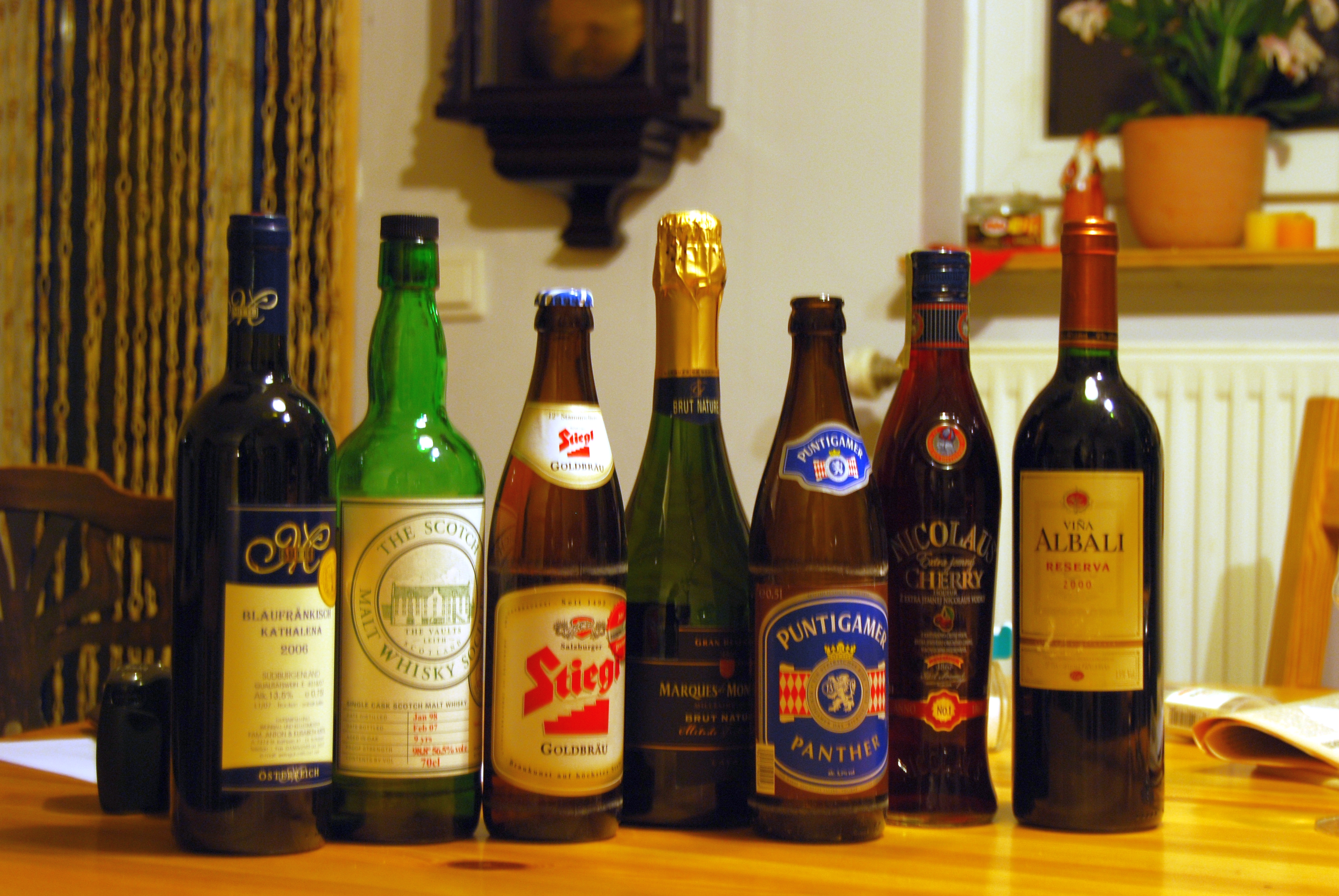
An alcoholic beverage is a drink that typically contains 3% ? 40% ethanol (commonly called alcohol). Alcoholic beverages are divided into three classes: beers, wines, and spirits (distilled beverages). They are legally consumed in most countries around the world. More than 100 countries have laws regulating their production, sale, and consumption.

Fats are a wide group of compounds that are generally soluble in organic solvents and generally insoluble in water. Chemically, fats are triglycerides: triesters of glycerol and any of several fatty acids. Fats may be either solid or liquid at room temperature, depending on their structure and composition. Although the words "oils", "fats", and "lipids" are all used to refer to fats, in reality, fat is a subset of lipid. "Oils" is usually used to refer to fats that are liquids at normal room temperature, while "fats" is usually used to refer to fats that are solids at normal room temperature. "Lipids" is used to refer to both liquid and solid fats, along with other related substances, usually in a medical or biochemical context, which are not soluble in water. The word "oil" is also used for any substance that does not mix with water and has a greasy feel, such as petroleum (crude oil), heating oil, and essential oils, regardless of its chemical structure.

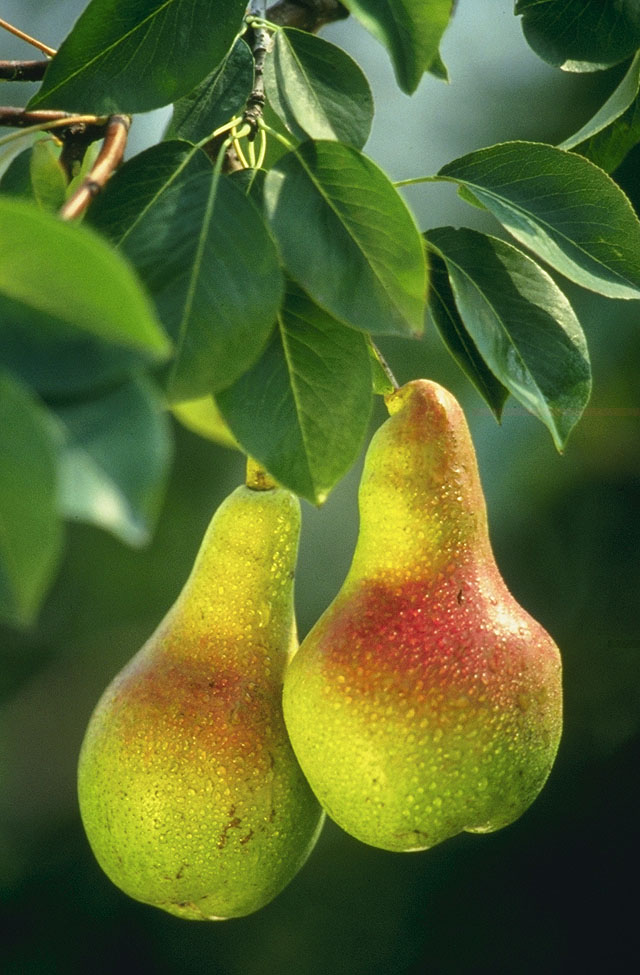
In botany, a fruit is a part of a flowering plant that derives from specific tissues of the flower, one or more ovaries, and in some cases accessory tissues. Fruits are the means by which these plants disseminate seeds. Many of them that bear edible fruits, in particular, have propagated with the movements of humans and animals in a symbiotic relationship as a means for seed dispersal and nutrition, respectively; in fact, humans and many animals have become dependent on fruits as a source of food. Fruits account for a substantial fraction of the world's agricultural output, and some (such as the apple and the pomegranate) have acquired extensive cultural and symbolic meanings.
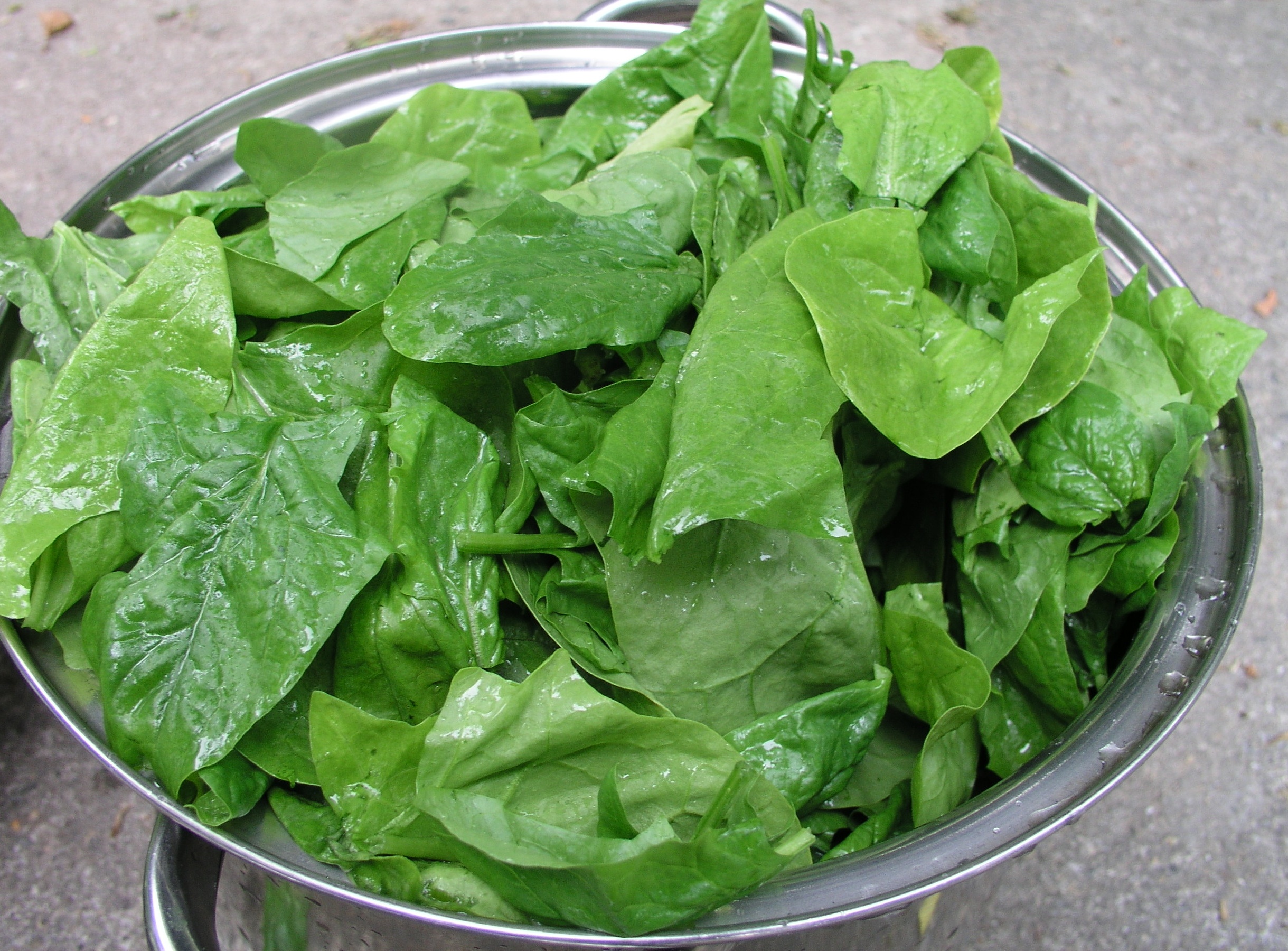
Leaf vegetables, also called potherbs, greens, vegetable greens, leafy greens or salad greens, are plant leaves eaten as a vegetable, sometimes accompanied by tender petioles and shoots. Although they come from a very wide variety of plants, most share a great deal with other leaf vegetables in nutrition and cooking methods.

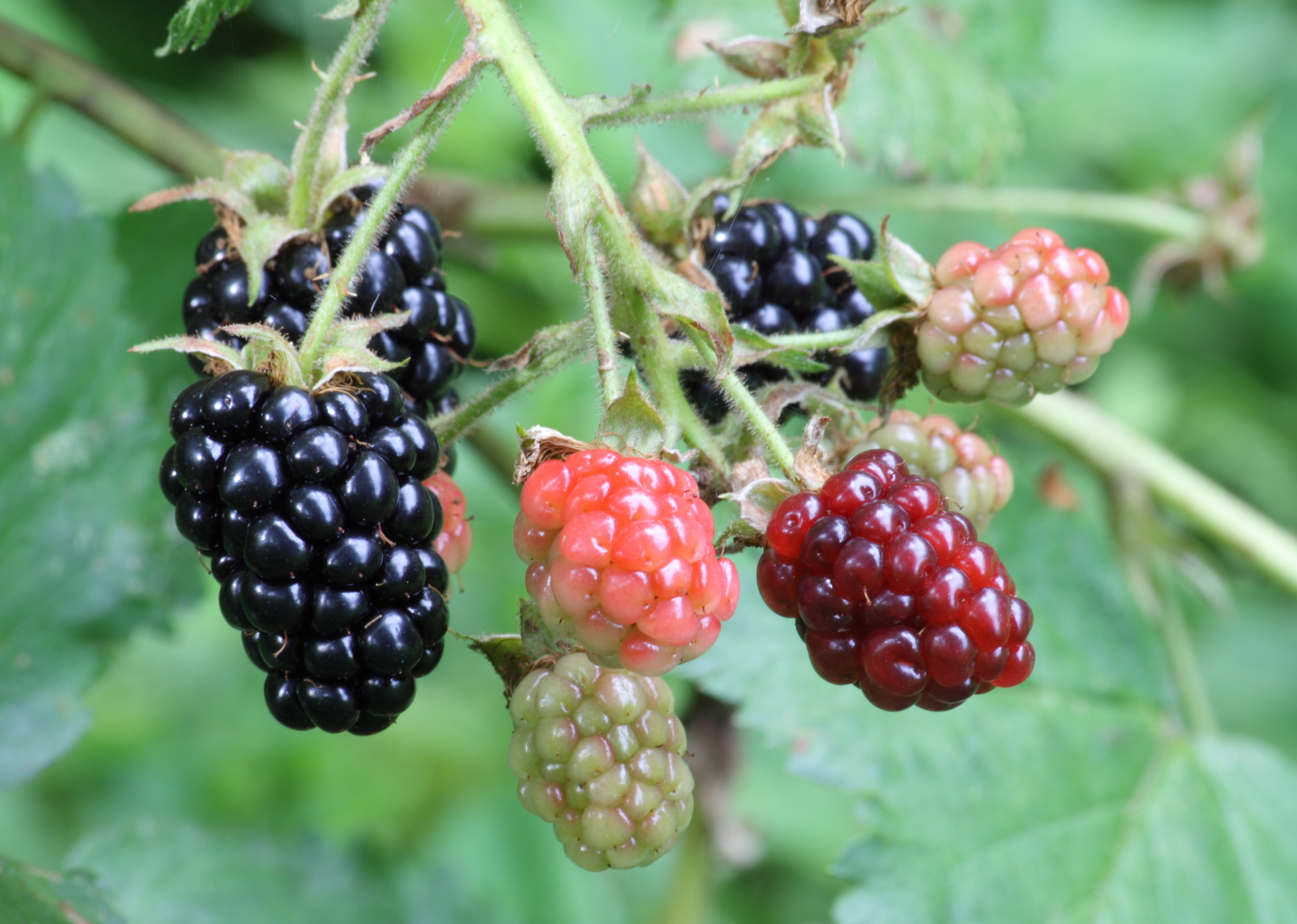
Rubus laciniatus, commonly called evergreen blackberry or cutleaf blackberry, is a species of blackberry that is native to Eurasia. It has been introduced to Australia and North America, and become a weed and highly invasive species in forested habitats in the United States and Canada, it is very difficult to control. Evergreen blackberry is a deciduous shrub that grows up to 3 meters tall with prickly shoots. The flowers are in clusters, the petals are pink or white. The fruits are shiny and black, similar to the common blackberry, with a unique and fruitier taste. The fruits are not true berries in the botanical sense. [Wikipedia]

The blackberry is an edible fruit produced by many species in the genus Rubus in the family Rosaceae. Blackberry is a perennial plant that grows to 3-6 meter tall. The pale pink flowers are produced in late spring and early summer. The fruits are rich in vitamin C, anthocyanins, flavonols and ellagitannins (PMID: 22082199), they have shown the beneficial effects to human health (PMID: 22082199)


staple food

Round unleavened flatbread made of either nixtamlized corn or wheat
Mexican filled tortilla dish
Source
Compound data linked to PubChem CID 5354833, public domain via NCBI. Culinary context + ingredient mappings are maintained by Foodgeist's enrichment fleet and continuously re-matched by the pairings engine. PubChem CID 5354833