heptan-2-one
Molecular structure
Mass spectrum
A real measured fragmentation pattern · 1 of 16 experimental spectra
Sensory signature
How this molecule tastes and smells · gold is measured, dashed is a model estimate
Bioactivity signal
Structure-activity model estimate · not measured
Receptor binding
Measured in literature · peer-reviewed · how this compound interacts with biological receptors
Biochemical reactions
Metabolic reactions from curated biochemical databases · peer-reviewed
heptan-2-one + NADPH + O2 + H(+) = pentyl acetate + NADP(+) + H2O
(2R)-heptan-2-amine + NAD(+) + H2O = heptan-2-one + NH4(+) + NADH + H(+)
(2S)-heptan-2-amine + NAD(+) + H2O = heptan-2-one + NH4(+) + NADH + H(+)
heptan-2-one + hydrogen cyanide = (2S)-2-hydroxy-2-methylheptanenitrile
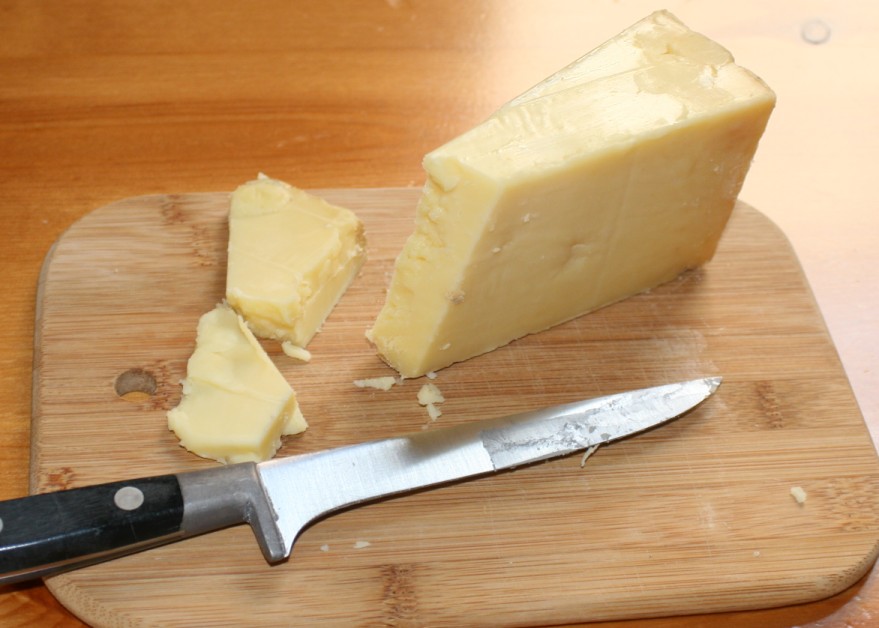
Foods containing this compound


Verified Data
Compound identity and culinary context are continuously cross-referenced across open scientific databases and maintained by Foodgeist's enrichment pipeline.
The Geist can be wrong. Some flavor, taste, and pairing values are model-predicted, not lab-measured.