PubChem CID · CC0
aspartic acid
Foods containing this compound


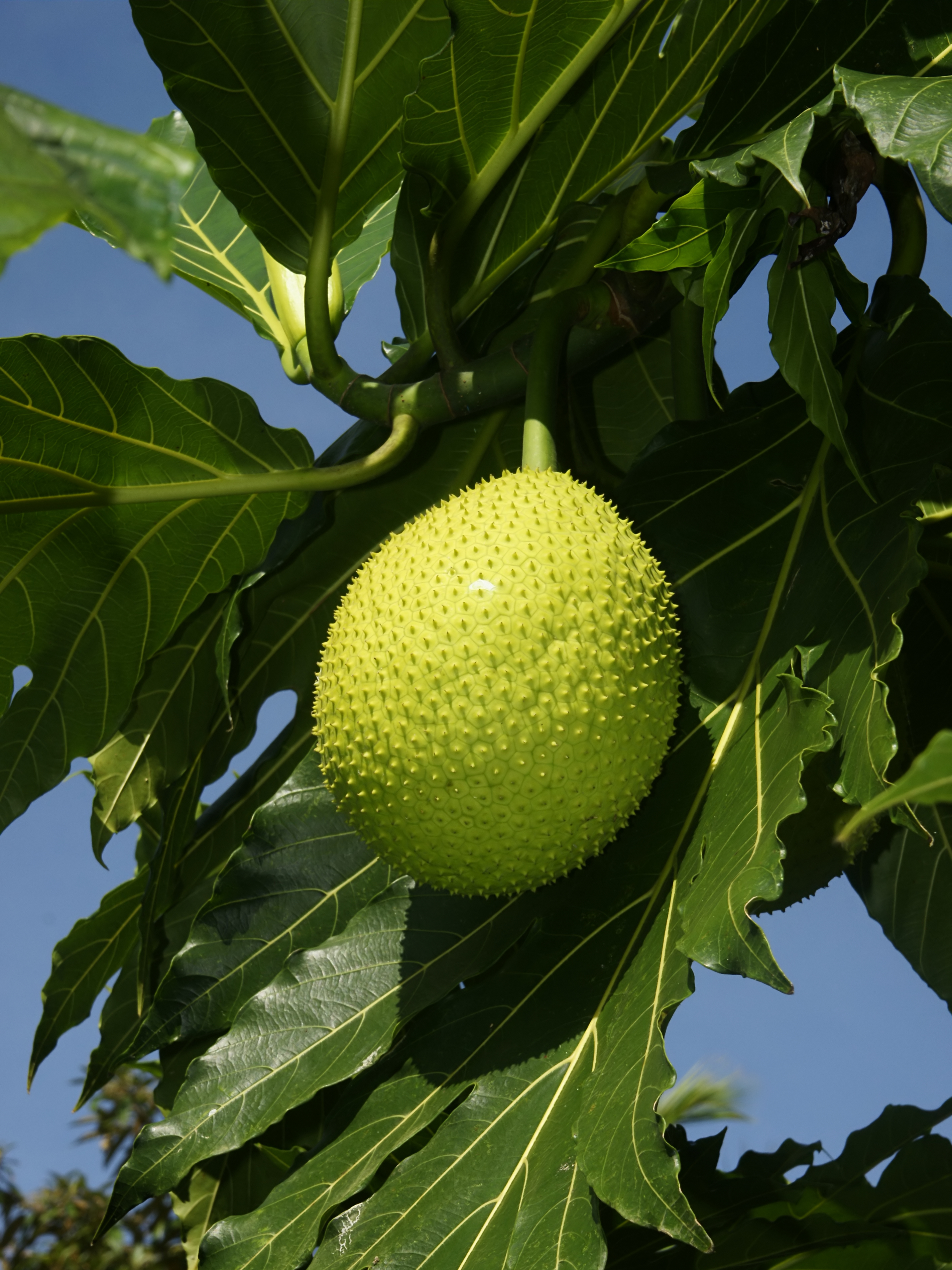
Breadfruit (Artocarpus altilis) is a species of flowering tree in the mulberry family, Moraceae, growing throughout Southeast Asia and most Pacific Ocean islands. Its name is derived from the texture of the cooked fruit, which has a potato-like flavor, similar to fresh-baked bread. Ancestors of the Polynesians found the trees growing in the northwest New Guinea area around 3,500 years ago. They gave up the rice cultivation they had brought with them from Taiwan, and raised breadfruit wherever they went in the Pacific (except Easter Island and New Zealand, which are too cold). Their ancient eastern Indonesian cousins spread the plant west and north through insular and coastal Southeast Asia. It has, in historical times, also been widely planted in tropical regions elsewhere.
Juglans cinerea, commonly known as Butternut or White Walnut, is a species of walnut native to the eastern United States and southeast Canada.

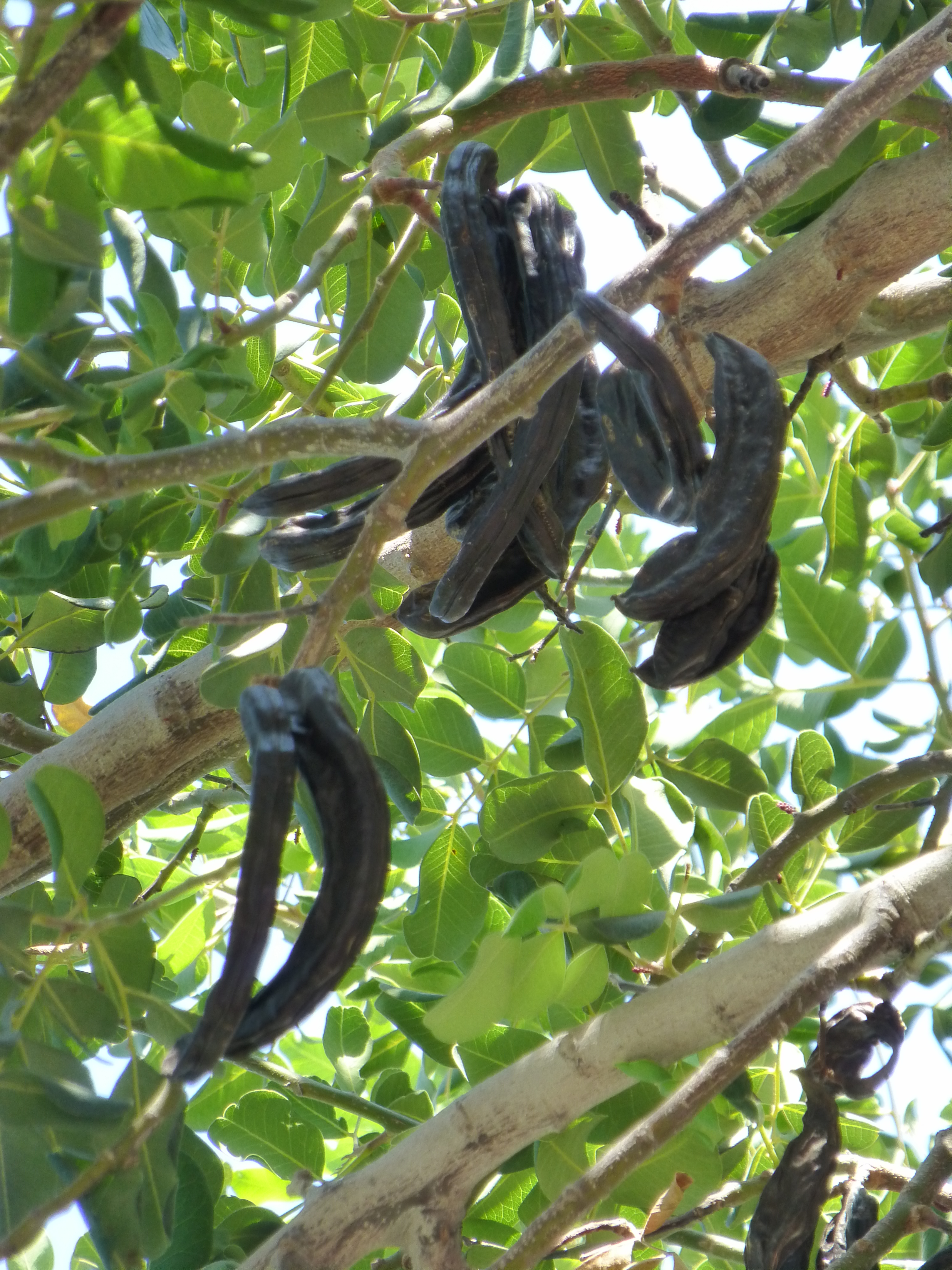
Ceratonia siliqua, commonly known as the carob tree and St John's-bread, is a species of flowering evergreen shrub or tree in the pea family, Fabaceae. It is widely cultivated for its edible pods, and as an ornamental tree in gardens. The ripe, dried pod is often ground to carob powder which is used as a substitute for cocoa powder.

Castanea mollissima (Chinese chestnut) is a member of the family Fagaceae, and a species of chestnut native to China, Taiwan, and Korea.

Chinese cabbage (Brassica rapa, subspecies pekinensis and chinensis) can refer to two distinct varieties of Chinese leaf vegetables often used in Chinese cuisine: Pekinensis (napa cabbage) and Chinensis (bok choi).

Castanea sativa is a species of deciduous tree with an edible seed. It is commonly called sweet chestnut and marron. Originally native to southeastern Europe and Asia Minor, it is now widely dispersed throughout Europe and in some localities in temperate Asia. The tree is hardy, long-lived and well known for its chestnuts, which are used as an ingredient in cooking.

Lablab purpureus, commonly known as the hyacinth bean, Indian bean, calavance, seim, Egyptian bean, njahi, bulay, bataw, a species of bean in the family Fabaceae, is widespread as a food crop throughout the tropics, especially in Africa, India, Bangladesh, and Indonesia. A traditional food plant in Africa, this little-known vegetable in the West has potential to improve nutrition, boost food security, foster rural development and support sustainable landcare.
The Jerusalem artichoke (Helianthus tuberosus), also called sunroot, sunchoke, earth apple or topinambour, is a species of sunflower native to eastern North America, and found from eastern Canada and Maine west to North Dakota, and south to northern Florida and Texas. It is also cultivated widely across the temperate zone for its tuber, which is used as a root vegetable.
Lupinus albus, commonly known as the white lupin, is a member of the genus Lupinus in the family Fabaceae. It is a traditional pulse cultivated in the Mediterranean region.
Dioscorea pentaphylla is a species of flowering plant in the yam family known by the common name fiveleaf yam. It is native to tropical Asia or eastern Polynesia, and it is present elsewhere as an introduced species. This species is a prickly vine that twines counterclockwise around objects and other plants. It may reach 10 meters in length. The alternately arranged leaves are compound, divided into 3 to 5 leaflets each up to 10 centimeters long. The plant produces horseshoe-shaped bulbils about a centimeter long. New plants can sprout from the bulbils. Flowers are borne in spikes. The vine grows from a tuber. Specimens may be 3 pounds in weight and may be located over a meter underground. The tubers of the vine can be cooked and eaten.
The roselle (Hibiscus sabdariffa) is a species of Hibiscus native to the west Africa, used for the production of bast fibre and as an infusion. It is an annual or perennial herb or woody-based subshrub, growing to 2?2.5 m (7?8 ft) tall. The leaves are deeply three- to five-lobed, 8?15 cm (3?6 in) long, arranged alternately on the stems.
Watermelon (Citrullus lanatus, family Cucurbitaceae) is a vine-like (scrambler and trailer) flowering plant originally from southern Africa. Its fruit, which is also called watermelon, is a special kind referred to by botanists as a pepo, a berry which has a thick rind and fleshy center (mesocarp and endocarp). Pepos are derived from an inferior ovary, and are characteristic of the Cucurbitaceae. The watermelon fruit, loosely considered a type of melon – although not in the genus Cucumis – has a smooth exterior rind (green, yellow and sometimes white) and a juicy, sweet interior flesh (usually deep red to pink, but sometimes orange, yellow and even green if not ripe).
Sunflower (Helianthus annuus) is an annual plant native to the Americas. It possesses a large inflorescence (flowering head), and its name is derived from the flower's shape and image, which is often used to depict the sun. The plant has a rough, hairy stem, broad, coarsely toothed, rough leaves and circular heads of flowers. The heads consist of many individual flowers which mature into seeds, often in the hundreds, on a receptacle base. From the Americas, sunflower seeds were brought to Europe in the 16th century, where, along with sunflower oil, they became a widespread cooking ingredient. Leaves of the sunflower can be used as cattle feed, while the stems contain a fibre which may be used in paper production.
Ipomoea aquatica is a semiaquatic, tropical plant grown as a vegetable for its tender shoots and leaves. It is found throughout the tropical and subtropical regions of the world, although it is not known where it originated. This plant is known in English as water spinach, river spinach, water morning glory, water convolvulus, or by the more ambiguous names Chinese spinach, Chinese convolvulus, swamp cabbage or kangkong in Southeast Asia. Occasionally, it has also been mistakenly called "kale" in English, although kale is a strain of mustard belonging to the species Brassica oleracea and is completely unrelated to water spinach, which is a species of morning glory. It is known as phak bung in Thai, rau mu?ng in Vietnamese, trokuon in Khmer, kalmi shak in Bengali, kangkung in Malay and Indonesian and hayoyo in Ghana.
The sweet potato (<i>Ipomoea batatas</i>) is a dicotyledonous plant that belongs to the family Convolvulaceae. Its large, starchy, sweet-tasting, tuberous roots are a root vegetable. The young leaves and shoots are sometimes eaten as greens. The sweet potato is only distantly related to the potato (<i>Solanum tuberosum</i>) and does not belong to the nightshade family, Solanaceae, but both families belong to the same taxonomic order, the Solanales. (Wikipedia)
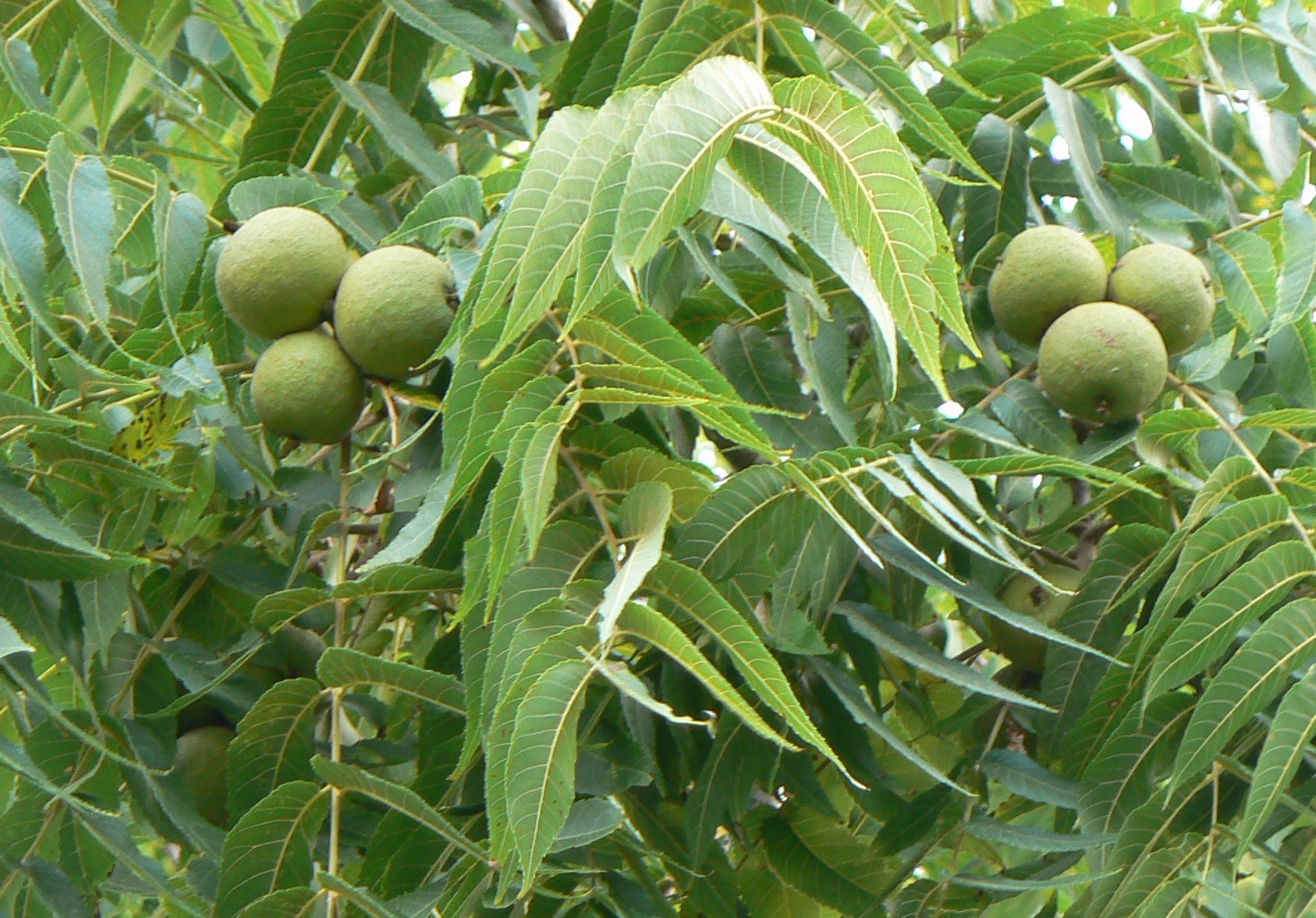
Juglans nigra, the eastern black walnut, a species of flowering tree in the walnut family, Juglandaceae, is native to eastern North America. It grows mostly in riparian zones, from southern Ontario, west to southeast South Dakota, south to Georgia, northern Florida and southwest to central Texas. Isolated wild trees in the upper Ottawa Valley may be an isolated native population or may have derived from planted trees.


Okpa is a delicious delicacy popular in the Eastern part of Nigeria, especially in Enugu state. Okpa has equally won the hearts of people in different parts of Nigeria and is now classified as a traditional Nigerian delicacy.

fruit from Asimina triloba
rose cultivar (1951)
Species of flowering plant in the family Boraginaceae
Species of chestnut tree

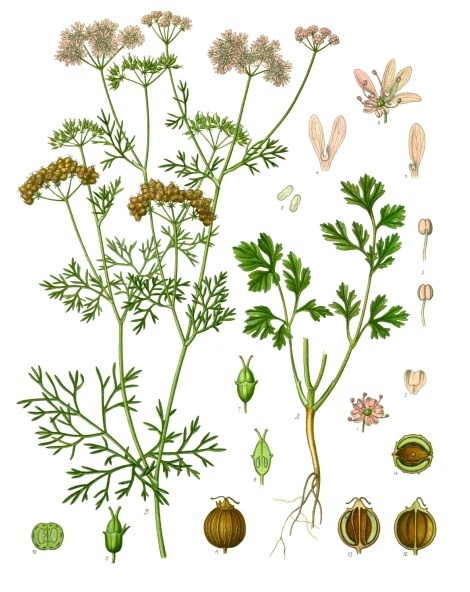
Flowering plant species in the carrot family

Species of edible plant
Source
Compound data linked to PubChem CID 424, public domain via NCBI. Culinary context + ingredient mappings are maintained by Foodgeist's enrichment fleet and continuously re-matched by the pairings engine. PubChem CID 424