PubChem CID · CC0
asparagine
Odor profile
Multi-model odor estimate · confidence shown
Foods containing this compound


Angelica is a genus of about 60 species of tall biennial and perennial herbs in the family Apiaceae, native to temperate and subarctic regions of the Northern Hemisphere, reaching as far north as Iceland and Lapland. They grow to 1–3 m tall, with large bipinnate leaves and large compound umbels of white or greenish-white flowers. Some species can be found in purple moor and rush pastures.
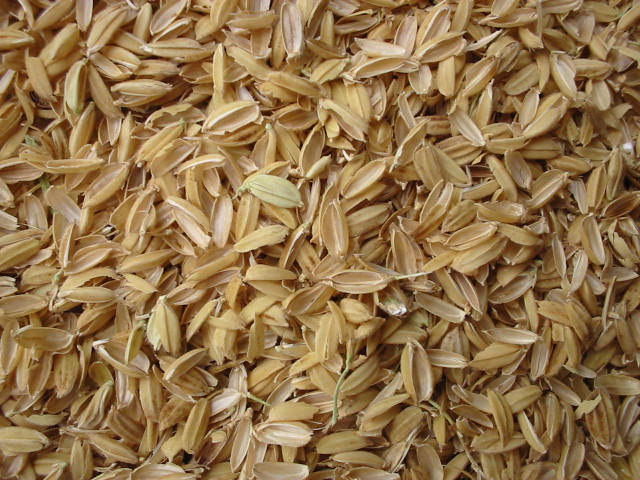
Rice is the seed of the monocot plants Oryza sativa (Asian rice) or Oryza glaberrima (African rice). As a cereal grain, it is the most widely consumed staple food for a large part of the world's human population, especially in Asia and the West Indies. It is the grain with the second-highest worldwide production, after maize (corn), according to data for 2010. Since a large portion of maize crops are grown for purposes other than human consumption, rice is the most important grain with regard to human nutrition and caloric intake, providing more than one fifth of the calories consumed worldwide by the human species. Genetic evidence has shown that rice originates from a single domestication 8,200–13,500 years ago, in the Pearl River valley region of China. Previously, archaeological evidence had suggested that rice was domesticated in the Yangtze River valley region in China. From East Asia, rice spread to Southeast and South Asia. Rice was introduced to Europe through Western Asia, and to the Americas through European colonization. There are many varieties of rice and culinary preferences tend to vary regionally. In the Far East, there is a preference for softer and stickier varieties. Because of its importance as a staple food, rice has considerable cultural importance. Rice is often directly associated with prosperity and fertility. Therefore, there is the custom of throwing rice at weddings. Rice is normally grown as an annual plant, although in tropical areas it can survive as a perennial and can produce a ratoon crop for up to 30 years. The rice plant can grow to 1–1.8 m tall, occasionally more depending on the variety and soil fertility. It has long, slender leaves 50–100 cm long and 2–2.5 cm broad. The small wind-pollinated flowers are produced in a branched arching to pendulous inflorescence 30–50 cm long. The edible seed is a grain 5–12 mm long and 2–3 mm thick. Rice cultivation is well-suited to countries and regions with low labor costs and high rainfall, as it is labor-intensive to cultivate and requires ample water. Rice can be grown practically anywhere, even on a steep hill or mountain. Although its parent species are native to Asia and certain parts of Africa, centuries of trade and exportation have made it commonplace in many cultures worldwide. The traditional method for cultivating rice is flooding the fields while, or after, setting the young seedlings. This simple method requires sound planning and servicing of the water damming and channeling, but reduces the growth of less robust weed and pest plants that have no submerged growth state, and deters vermin. While flooding is not mandatory for the cultivation of rice, all other methods of irrigation require higher effort in weed and pest control during growth periods and a different approach for fertilizing the soil. The name wild rice is usually used for species of the grass genus Zizania, both wild and domesticated, although the term may also be used for primitive or uncultivated varieties of Oryza.

Phaseolus vulgaris, the common bean, string bean, field bean, flageolet bean, French bean, garden bean, haricot bean, pop bean, or snap bean, is a herbaceous annual plant grown worldwide for its edible fruit, either the dry seed or the unripe fruit, both of which are referred to as beans. The leaf is also occasionally used as a vegetable, and the straw can be used for fodder. Along with other species of the bean genus (Phaseolus), it is classified botanically into the legume family (Fabaceae), most of whose members acquire nitrogen through an association with rhizobia, a species of nitrogen-fixing bacteria.
Prunus cerasus (sour cherry, tart cherry or wild cherry) is a species of Prunus in the subgenus Cerasus (cherries), native to much of Europe and southwest Asia. It is closely related to the sweet cherry (Prunus avium), but has a fruit that is more acidic, has greater nutritional benefits, and may have greater medicinal effects. Dried sour cherries are used in cooking including soups, pork dishes, cakes, tarts, and pies. Sour cherries or sour cherry syrup are used in liqueurs and drinks. In Turkey, Greece and Cyprus, sour cherries are especially prized for making spoon sweets by slowly boiling pitted sour cherries and sugar; the syrup thereof is used for vişne şurubu or vyssináda, a beverage made by diluting the syrup with ice-cold water. A particular use of sour cherries is in the production of kriek lambic, a cherry-flavored variety of a naturally fermented beer made in Belgium [Wikipedia].
A grape is a fruiting berry of the deciduous woody vines of the botanical genus Vitis. Grapes can be eaten raw or they can be used for making wine, jam, juice, jelly, grape seed extract, raisins, vinegar, and grape seed oil. Grapes are a non-climacteric type of fruit, generally occurring in clusters.

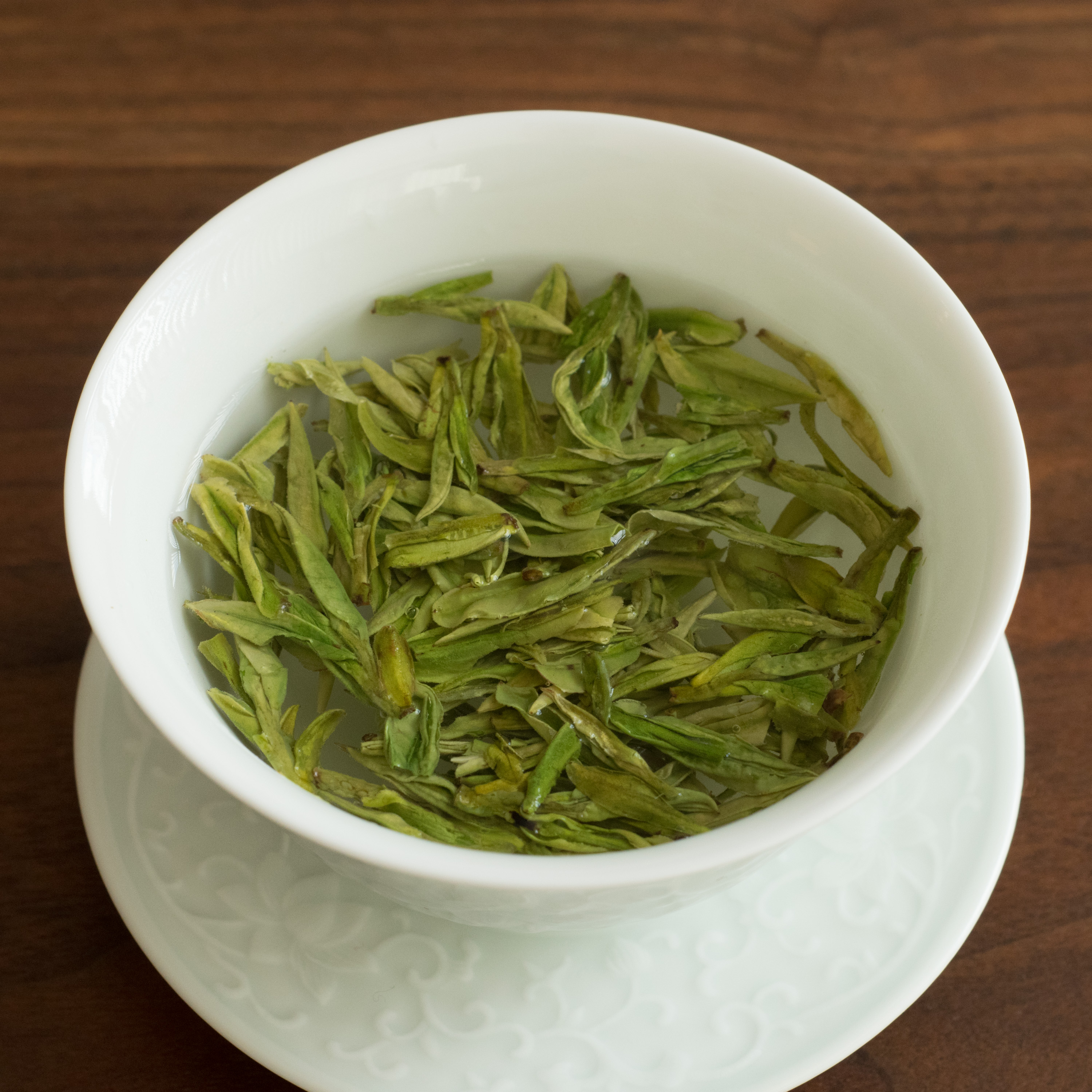
Tea is an aromatic beverage commonly prepared by pouring hot or boiling water over cured leaves of the tea plant, Camellia sinensis. After water, tea is the most widely consumed beverage in the world. It has a cooling, slightly bitter, and astringent flavour that many people enjoy.
Lupinus albus, commonly known as the white lupin, is a member of the genus Lupinus in the family Fabaceae. It is a traditional pulse cultivated in the Mediterranean region.

edible seed of the Phaseolus vulgaris plant
edible berry of a flowering plant in the family Vitaceae
female flowers of Humulus lupulus

dry, edible fruit or seed which usually has a high fat content

staple food

form of flour made from finely milled rice

a marshmallow that is roasted

seed from Coffea robusta

Northern European confectionery

bean from Vigna radiata
rose cultivar (1951)

Species of flowering plant
Plants in the family Fabaceae

Species of edible plant

Plant species in pea family
Source
Compound data linked to PubChem CID 236, public domain via NCBI. Culinary context + ingredient mappings are maintained by Foodgeist's enrichment fleet and continuously re-matched by the pairings engine. PubChem CID 236