PubChem CID · CC0
2-acetylfuran
Foods containing this compound
Cauliflower is one of several vegetables in the species Brassica oleracea, in the family Brassicaceae. It is an annual plant that reproduces by seed. Typically, only the head (the white curd) is eaten. The cauliflower head is composed of a white inflorescence meristem. Cauliflower heads resemble those in broccoli, which differs in having flower buds.
Kohlrabi (German turnip or turnip cabbage) (Brassica oleracea Gongylodes group) (Olkopi in Assamese and Bengali) (Monji Haak in Kashmiri) is an annual vegetable, and is a low, stout cultivar of cabbage. Kohlrabi can be eaten raw as well as cooked.

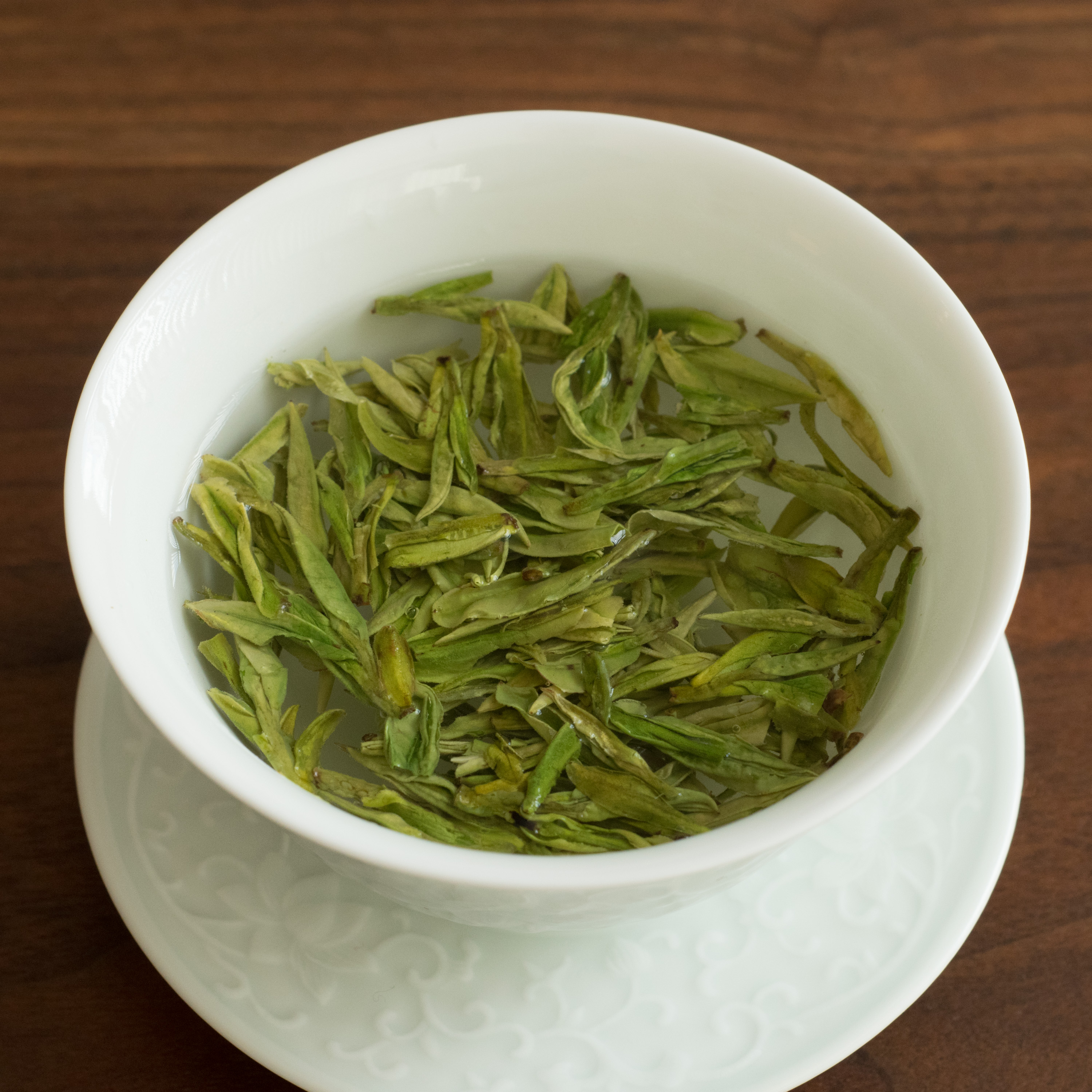
Tea is an aromatic beverage commonly prepared by pouring hot or boiling water over cured leaves of the tea plant, Camellia sinensis. After water, tea is the most widely consumed beverage in the world. It has a cooling, slightly bitter, and astringent flavour that many people enjoy.
<i>Capsicum annuum</i> is a domesticated species of the plant genus <i>Capsicum</i> native to southern North America and northern South America. The three species <i>C. annuum</i>, <i>C. frutescens</i> and <i>C. chinense</i> all evolved from a single common ancestor located somewhere in the northwest Brazil - Colombia area. <i>Capsicum annuum</i> is the most common and extensively cultivated of the five domesticated capsicums. The species is a source of popular "sweet peppers":http://en.wikipedia.org/wiki/Bell_peppers and "hot chilis":http://en.wikipedia.org/wiki/Chili_pepper with numerous varieties cultivated all around the world. In American English the plant is commonly known as a chili pepper or bell pepper. In British English, the sweet varieties are called red or green peppers and the hot varieties chillies, whereas in Australian and Indian English the name capsicum is commonly used for bell peppers exclusively and chilli is often used to encompass the hotter varieties. [Wikipedia] See a "list of capsicum cultivars":http://en.wikipedia.org/wiki/List_of_Capsicum_cultivars.

White mustard (Sinapis alba) is an annual plant of the family Brassicaceae. It is sometimes also referred to as Brassica alba or B. hirta. Grown for its seeds, mustard, as fodder crop or as a green manure, it is now widespread worldwide, although it probably originated in the Mediterranean region.
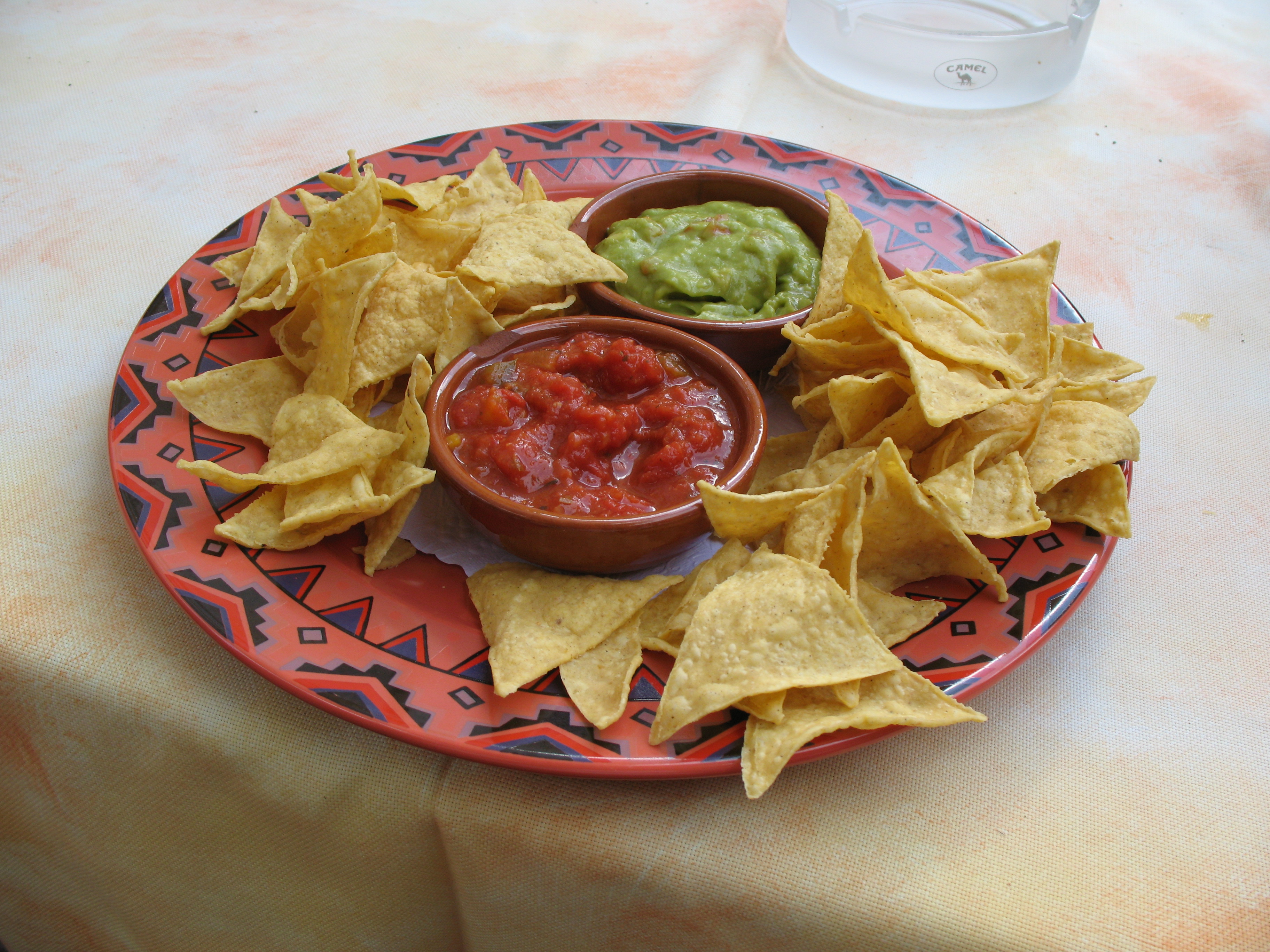
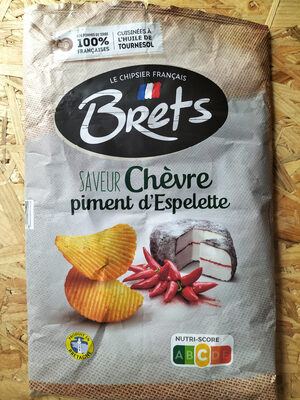
A tortilla chip is a snack food made from corn tortillas, which are cut into wedges and then fried (alternatively they may be discs pressed out of corn masa then fried or baked). Corn tortillas are made of corn, vegetable oil, salt and water. Though usually made of yellow corn, they can also be made of white, blue, or red corn. Some manufacturers include many other ingredients including wheat and sugar and MSG (monosodium glutamate, a common food additive). [Wikipedia]

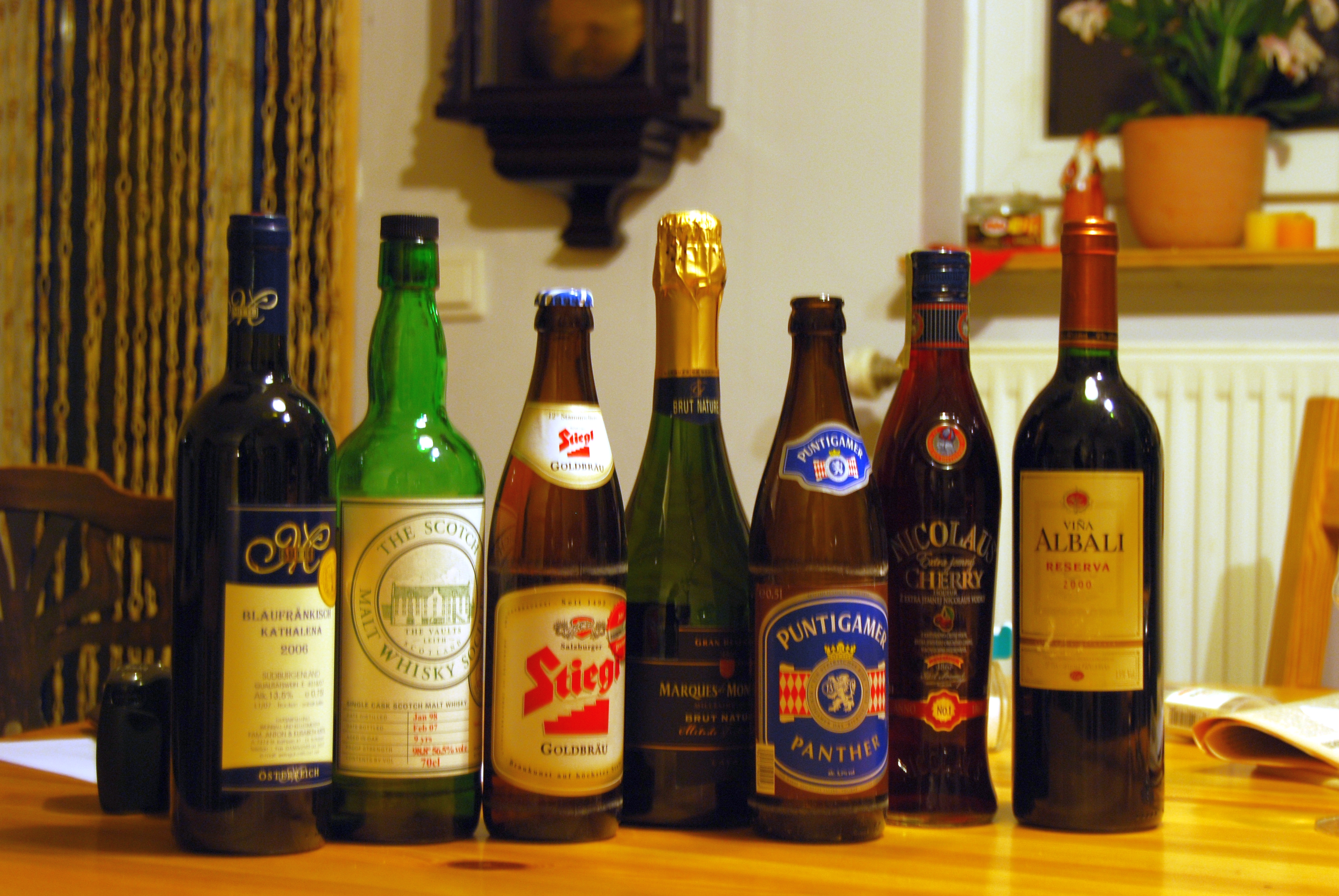
An alcoholic beverage is a drink that typically contains 3% ? 40% ethanol (commonly called alcohol). Alcoholic beverages are divided into three classes: beers, wines, and spirits (distilled beverages). They are legally consumed in most countries around the world. More than 100 countries have laws regulating their production, sale, and consumption.
In botany, a pome (after the Latin word for fruit: p?mum) is a type of fruit produced by flowering plants in the subtribe Malinae of the family Rosaceae.

Brassica is a genus of plants in the mustard family. The members of the genus are collectively known as cruciferous vegetables, cabbages, or mustards. Crops from this genus are sometimes called cole crops, which is derived from the Latin caulis, meaning stem or cabbage. Common types of brassica used for food include cabbage, cauliflower, broccoli, Brussels sprouts, and some types of seeds. The genus is known for containing many important agricultural and horticultural crops. It also includes a number of weeds, both wild taxa and escapees from cultivation. It includes over 30 wild species and hybrids, and numerous additional cultivars and hybrids of cultivated origin. Most are annuals or biennials, but some are small shrubs. Due to their agricultural importance, Brassica plants have been the subject of much scientific interest. Six particularly important species (Brassica carinata, B. juncea, B. oleracea, B. napus, B. nigra and B. rapa) are derived by combining the chromosomes from three earlier species, as described by the Triangle of U theory. The genus is native in the wild in western Europe, the Mediterranean and temperate regions of Asia. In addition to the cultivated species, which are grown worldwide, many of the wild species grow as weeds, especially in North America, South America, and Australia. A dislike for cabbage, broccoli et. al. can be due to the Brassica species containing a chemical similar to phenylthiocarbamide (PTC), a chemical which is either bitter or tasteless depending on one's genetic makeup.

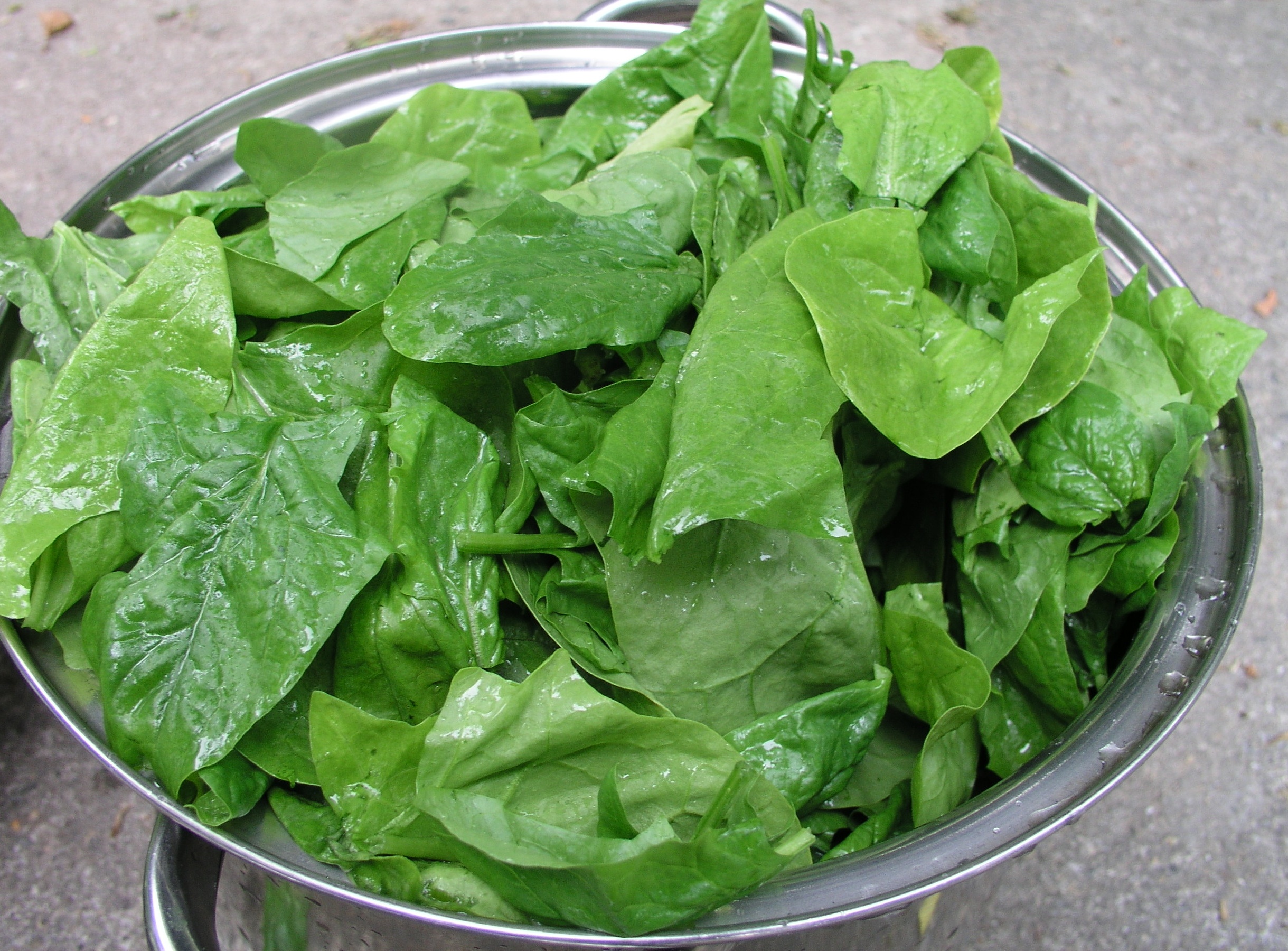
Leaf vegetables, also called potherbs, greens, vegetable greens, leafy greens or salad greens, are plant leaves eaten as a vegetable, sometimes accompanied by tender petioles and shoots. Although they come from a very wide variety of plants, most share a great deal with other leaf vegetables in nutrition and cooking methods.

Green bell peppers are members of the domesticated plant species <i>Capsicum annuum</i>. Green, yellow, orange and red bell peppers all belong to the same species, with the differences arising from the time at which they are harvested. Green bell peppers are bell peppers that have been harvested early. Yellow and orange bell peppers have been allowed more time to ripen, and red bell peppers are the most mature. <i>Capsicum annuum</i> is a domesticated species of the plant genus <i>Capsicum</i> native to southern North America and northern South America. The three species <i>C. annuum</i>, <i>C. frutescens</i> and <i>C. chinense</i> all evolved from a single common ancestor located somewhere in the northwest Brazil - Colombia area. <i>Capsicum annuum</i> is the most common and extensively cultivated of the five domesticated capsicums. The species is a source of popular "sweet peppers":http://en.wikipedia.org/wiki/Bell_peppers and "hot chilis":http://en.wikipedia.org/wiki/Chili_pepper with numerous varieties cultivated all around the world. In American English the plant is commonly known as a chili pepper or bell pepper. In British English, the sweet varieties are called red or green peppers and the hot varieties chillies, whereas in Australian and Indian English the name capsicum is commonly used for bell peppers exclusively and chilli is often used to encompass the hotter varieties. [Wikipedia] See a "list of capsicum cultivars":http://en.wikipedia.org/wiki/List_of_Capsicum_cultivars.

Yellow bell peppers are members of the domesticated plant species <i>Capsicum annuum</i>. Green, yellow, orange and red bell peppers all belong to the same species, with the differences arising from the time at which they are harvested. Green bell peppers are bell peppers that have been harvested early. Yellow and orange bell peppers have been allowed more time to ripen, and red bell peppers are the most mature. <i>Capsicum annuum</i> is a domesticated species of the plant genus <i>Capsicum</i> native to southern North America and northern South America. The three species <i>C. annuum</i>, <i>C. frutescens</i> and <i>C. chinense</i> all evolved from a single common ancestor located somewhere in the northwest Brazil - Colombia area. <i>Capsicum annuum</i> is the most common and extensively cultivated of the five domesticated capsicums. The species is a source of popular "sweet peppers":http://en.wikipedia.org/wiki/Bell_peppers and "hot chilis":http://en.wikipedia.org/wiki/Chili_pepper with numerous varieties cultivated all around the world. In American English the plant is commonly known as a chili pepper or bell pepper. In British English, the sweet varieties are called red or green peppers and the hot varieties chillies, whereas in Australian and Indian English the name capsicum is commonly used for bell peppers exclusively and chilli is often used to encompass the hotter varieties. [Wikipedia] See a "list of capsicum cultivars":http://en.wikipedia.org/wiki/List_of_Capsicum_cultivars.
Orange bell peppers are members of the domesticated plant species <i>Capsicum annuum</i>. Green, yellow, orange and red bell peppers all belong to the same species, with the differences arising from the time at which they are harvested. Green bell peppers are bell peppers that have been harvested early. Yellow and orange bell peppers have been allowed more time to ripen, and red bell peppers are the most mature. <i>Capsicum annuum</i> is a domesticated species of the plant genus <i>Capsicum</i> native to southern North America and northern South America. The three species <i>C. annuum</i>, <i>C. frutescens</i> and <i>C. chinense</i> all evolved from a single common ancestor located somewhere in the northwest Brazil - Colombia area. <i>Capsicum annuum</i> is the most common and extensively cultivated of the five domesticated capsicums. The species is a source of popular "sweet peppers":http://en.wikipedia.org/wiki/Bell_peppers and "hot chilis":http://en.wikipedia.org/wiki/Chili_pepper with numerous varieties cultivated all around the world. In American English the plant is commonly known as a chili pepper or bell pepper. In British English, the sweet varieties are called red or green peppers and the hot varieties chillies, whereas in Australian and Indian English the name capsicum is commonly used for bell peppers exclusively and chilli is often used to encompass the hotter varieties. [Wikipedia] See a "list of capsicum cultivars":http://en.wikipedia.org/wiki/List_of_Capsicum_cultivars.

Red bell peppers are members of the domesticated plant species <i>Capsicum annuum</i>. Green, yellow, orange and red bell peppers all belong to the same species, with the differences arising from the time at which they are harvested. Green bell peppers are bell peppers that have been harvested early. Yellow and orange bell peppers have been allowed more time to ripen, and red bell peppers are the most mature. <i>Capsicum annuum</i> is a domesticated species of the plant genus <i>Capsicum</i> native to southern North America and northern South America. The three species <i>C. annuum</i>, <i>C. frutescens</i> and <i>C. chinense</i> all evolved from a single common ancestor located somewhere in the northwest Brazil - Colombia area. <i>Capsicum annuum</i> is the most common and extensively cultivated of the five domesticated capsicums. The species is a source of popular "sweet peppers":http://en.wikipedia.org/wiki/Bell_peppers and "hot chilis":http://en.wikipedia.org/wiki/Chili_pepper with numerous varieties cultivated all around the world. In American English the plant is commonly known as a chili pepper or bell pepper. In British English, the sweet varieties are called red or green peppers and the hot varieties chillies, whereas in Australian and Indian English the name capsicum is commonly used for bell peppers exclusively and chilli is often used to encompass the hotter varieties. [Wikipedia] See a "list of capsicum cultivars":http://en.wikipedia.org/wiki/List_of_Capsicum_cultivars.

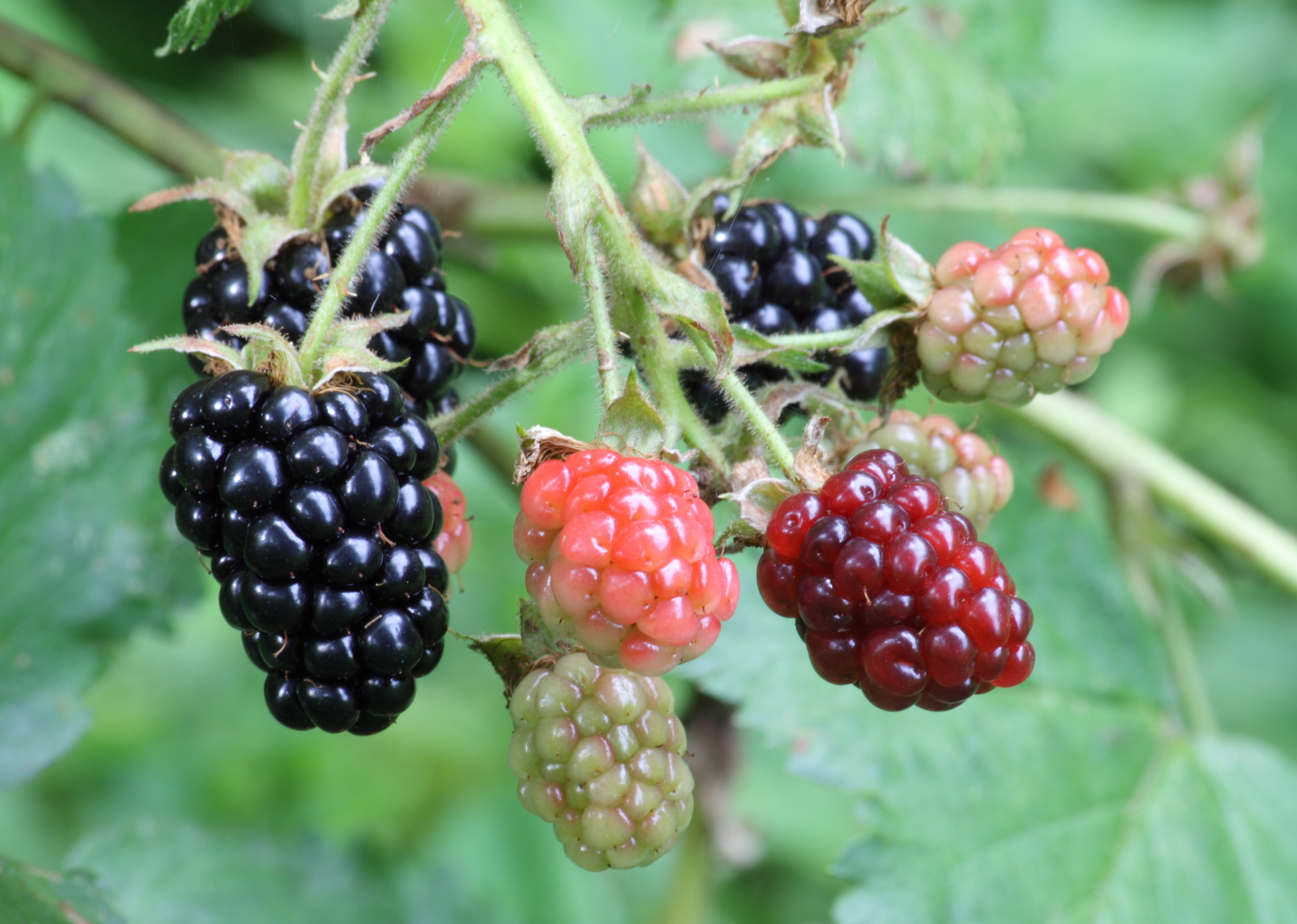
Rubus laciniatus, commonly called evergreen blackberry or cutleaf blackberry, is a species of blackberry that is native to Eurasia. It has been introduced to Australia and North America, and become a weed and highly invasive species in forested habitats in the United States and Canada, it is very difficult to control. Evergreen blackberry is a deciduous shrub that grows up to 3 meters tall with prickly shoots. The flowers are in clusters, the petals are pink or white. The fruits are shiny and black, similar to the common blackberry, with a unique and fruitier taste. The fruits are not true berries in the botanical sense. [Wikipedia]

The blackberry is an edible fruit produced by many species in the genus Rubus in the family Rosaceae. Blackberry is a perennial plant that grows to 3-6 meter tall. The pale pink flowers are produced in late spring and early summer. The fruits are rich in vitamin C, anthocyanins, flavonols and ellagitannins (PMID: 22082199), they have shown the beneficial effects to human health (PMID: 22082199)


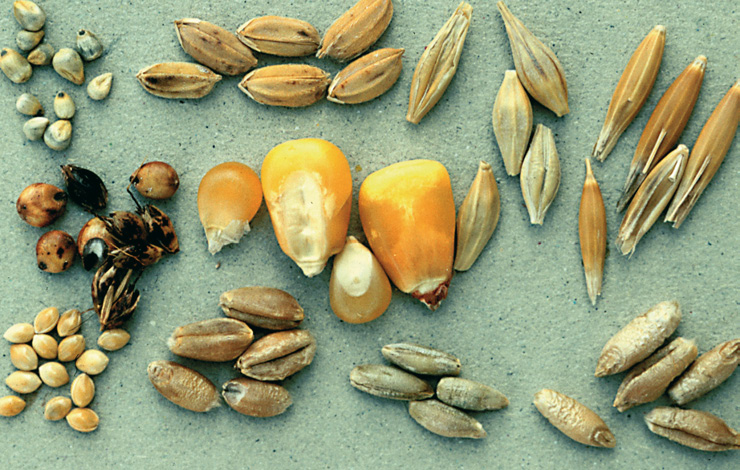
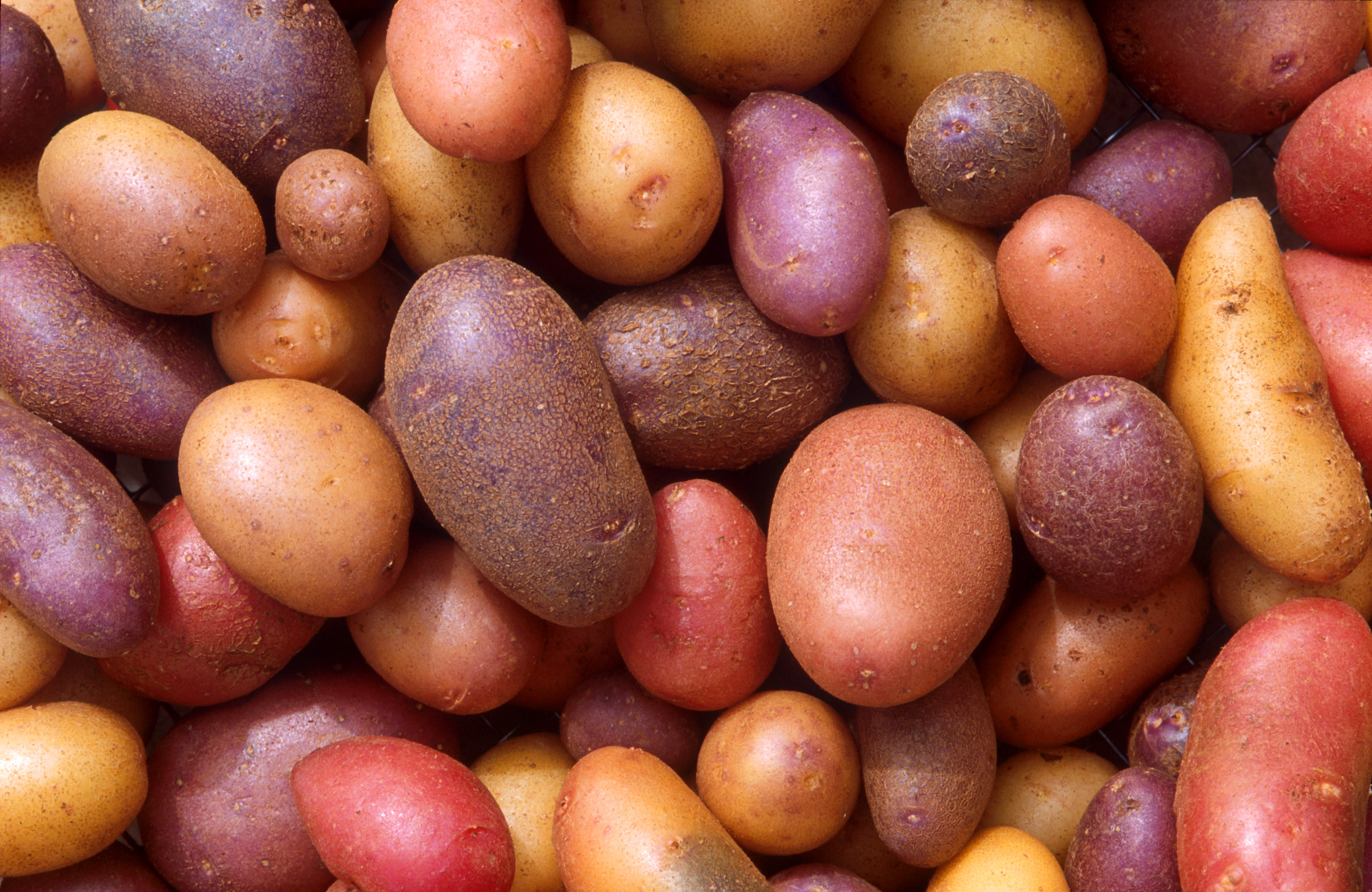
staple food

Northern European confectionery

Round unleavened flatbread made of either nixtamlized corn or wheat

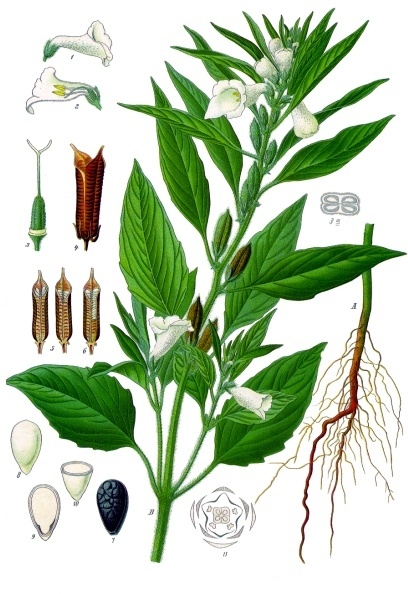
Plant cultivated for its edible seeds
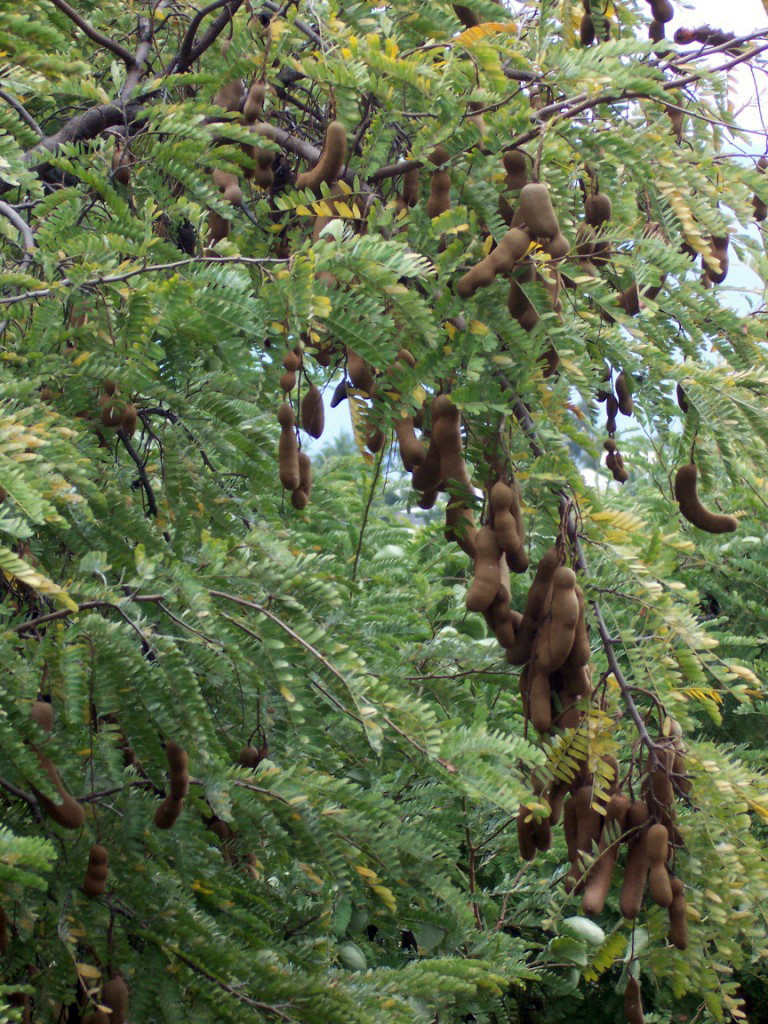
Leguminous tree bearing edible fruit
Source
Compound data linked to PubChem CID 14505, public domain via NCBI. Culinary context + ingredient mappings are maintained by Foodgeist's enrichment fleet and continuously re-matched by the pairings engine. PubChem CID 14505