thiamine(1+)
Molecular structure
Cooking relevance
Thiamine (vitamin B1, PubChem CID 1130) is a water-soluble compound naturally present in many foods. In culinary contexts, thiamine is notable as a heat-sensitive nutrient that degrades during cooking, particularly in alkaline conditions. Its presence in whole grains, legumes, and meat products contributes to their nutritional profile, though it plays no direct role in flavor, aroma, or texture development during food preparation.
- aroma
- no direct aroma contribution
- culinary role
- nutrient compound; heat-labile during cooking
- mass spectra
- 299 experimental spectra
Mass spectrum
A real measured fragmentation pattern · 1 of 299 experimental spectra
Sensory signature
How this molecule tastes and smells · gold is measured, dashed is a model estimate
Receptor binding
Measured in literature · peer-reviewed · how this compound interacts with biological receptors
Biochemical reactions
Metabolic reactions from curated biochemical databases · peer-reviewed
thiamine + ATP = thiamine diphosphate + AMP + H(+)
thiamine + ATP = thiamine phosphate + ADP + H(+)
thiamine + H2O = 5-(2-hydroxyethyl)-4-methylthiazole + 4-amino-5-hydroxymethyl-2-methylpyrimidine + H(+)
pyridine + thiamine = heteropyrithiamine + 5-(2-hydroxyethyl)-4-methylthiazole
Research associations
Literature-derived · peer-reviewed sources only · not medical advice
Foods containing this compound

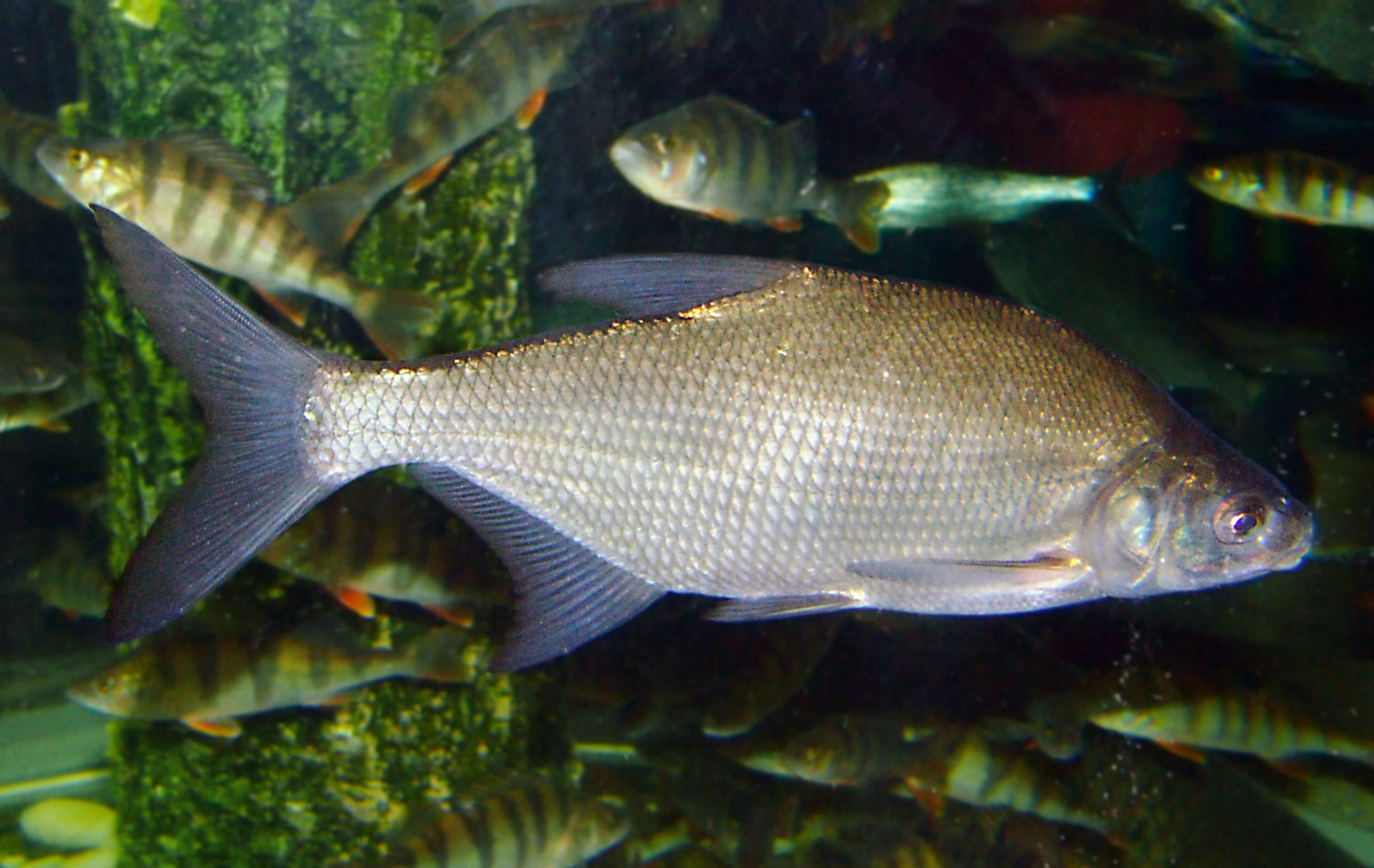
Coregonus is a diverse genus of fish in the salmon family (Salmonidae). The type species is Coregonus lavaretus. The Coregonus species are known as whitefishes. The genus contains at least 68 described extant taxa, but the true number of species is a matter of debate.

Clupeinae is a subfamily of herrings, sardines and sprats belonging to the family Clupeidae.
Verified Data
Compound identity and culinary context are continuously cross-referenced across open scientific databases and maintained by Foodgeist's enrichment pipeline.
The Geist can be wrong. Some flavor, taste, and pairing values are model-predicted, not lab-measured.