PubChem CID · CC0
β-carotene
Odor profile
Multi-model odor estimate · confidence shown
Biochemical reactions
Metabolic reactions from RHEA (EMBL-EBI/SIB) · peer-reviewed
all-trans-beta-carotene + O2 = beta-ionone + all-trans-10'-apo-beta-carotenal
all-trans-beta-carotene + 2 reduced [2Fe-2S]-[ferredoxin] + O2 + 2 H(+) = beta-cryptoxanthin + 2 oxidized [2Fe-2S]-[ferredoxin] + H2O
all-trans-beta-carotene + 4 reduced [2Fe-2S]-[ferredoxin] + 2 O2 + 4 H(+) = all-trans-zeaxanthin + 4 oxidized [2Fe-2S]-[ferredoxin] + 2 H2O
gamma-carotene = all-trans-beta-carotene
all-trans-beta-carotene + O2 = 2 all-trans-retinal
Research associations
Literature-derived · peer-reviewed sources only · not medical advice
Foods containing this compound

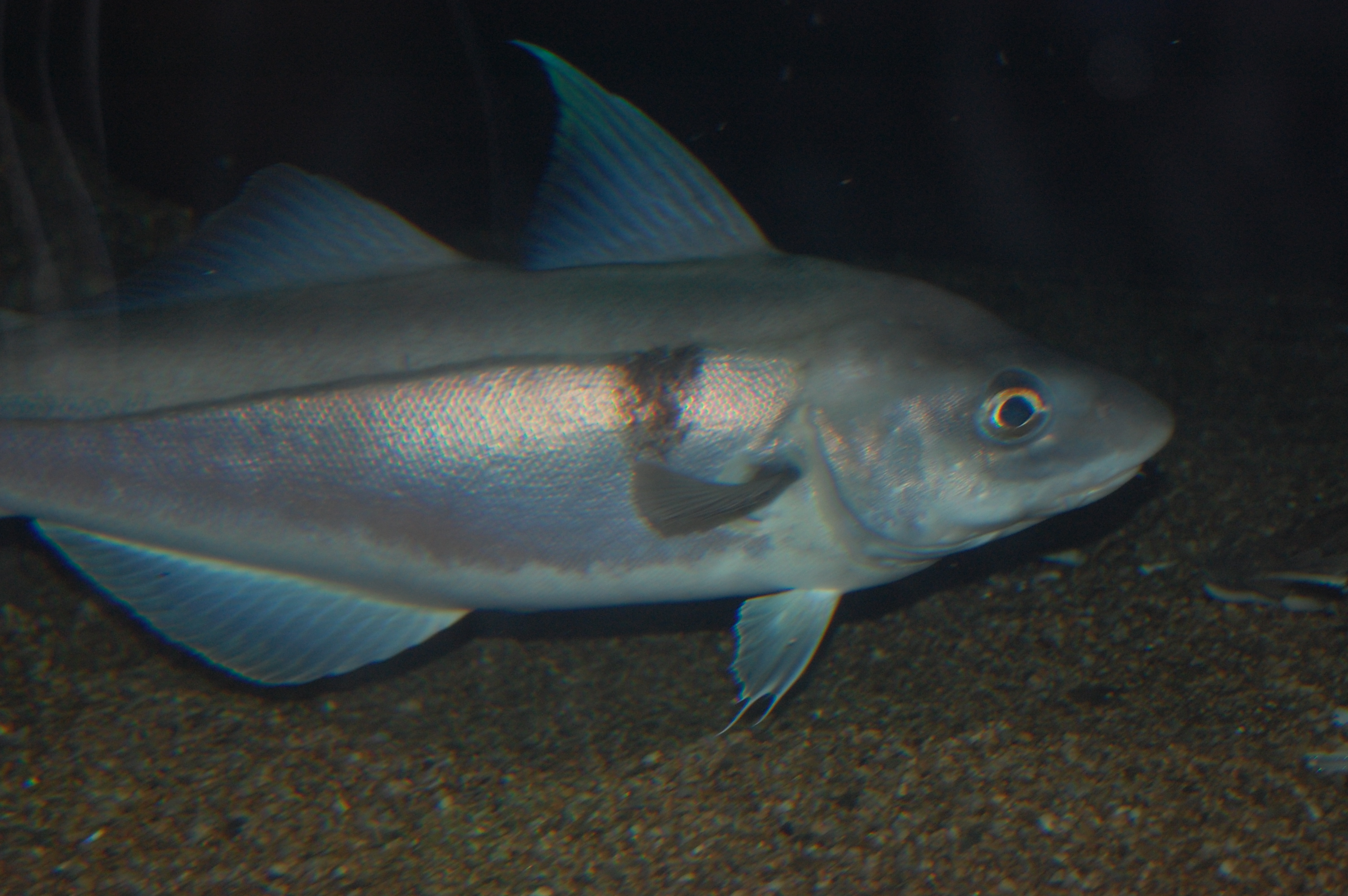
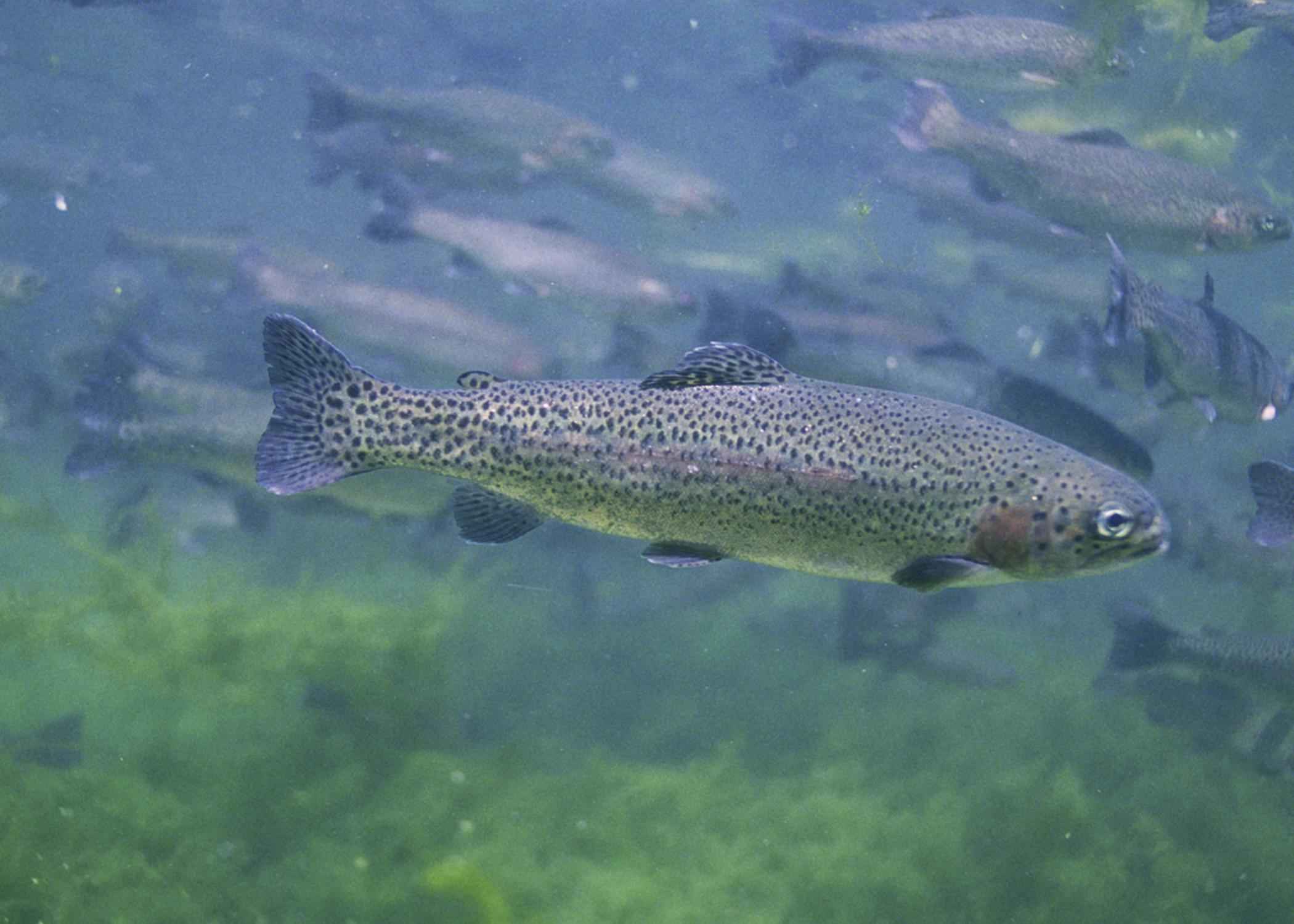
Fish oil is oil derived from the tissues of oily fish. Fish oils contain the omega-3 fatty acids eicosapentaenoic acid (EPA) and docosahexaenoic acid (DHA), precursors of certain eicosanoids that are known to reduce inflammation in the body and improve hypertriglyceridemia. Fish oil has been shown the benefit for cardiovascular disease. The most promising evidence supports supplementation for prevention of cardiac death.
The mango is a fleshy stone fruit belonging to the genus Mangifera, consisting of numerous tropical fruiting trees in the flowering plant family Anacardiaceae. The mango is native to South Asia, from where it has been distributed worldwide to become one of the most cultivated fruits in the tropics. While other Mangifera species (e.g. horse mango, M. foetida) are also grown on a more localized basis, Mangifera indica – the 'common mango' or 'Indian mango' – is the only mango tree commonly cultivated in many tropical and subtropical regions. It is the national fruit of India, Philippines and Pakistan. In several cultures, its fruit and leaves are ritually used as floral decorations at weddings, public celebrations and religious ceremonies.

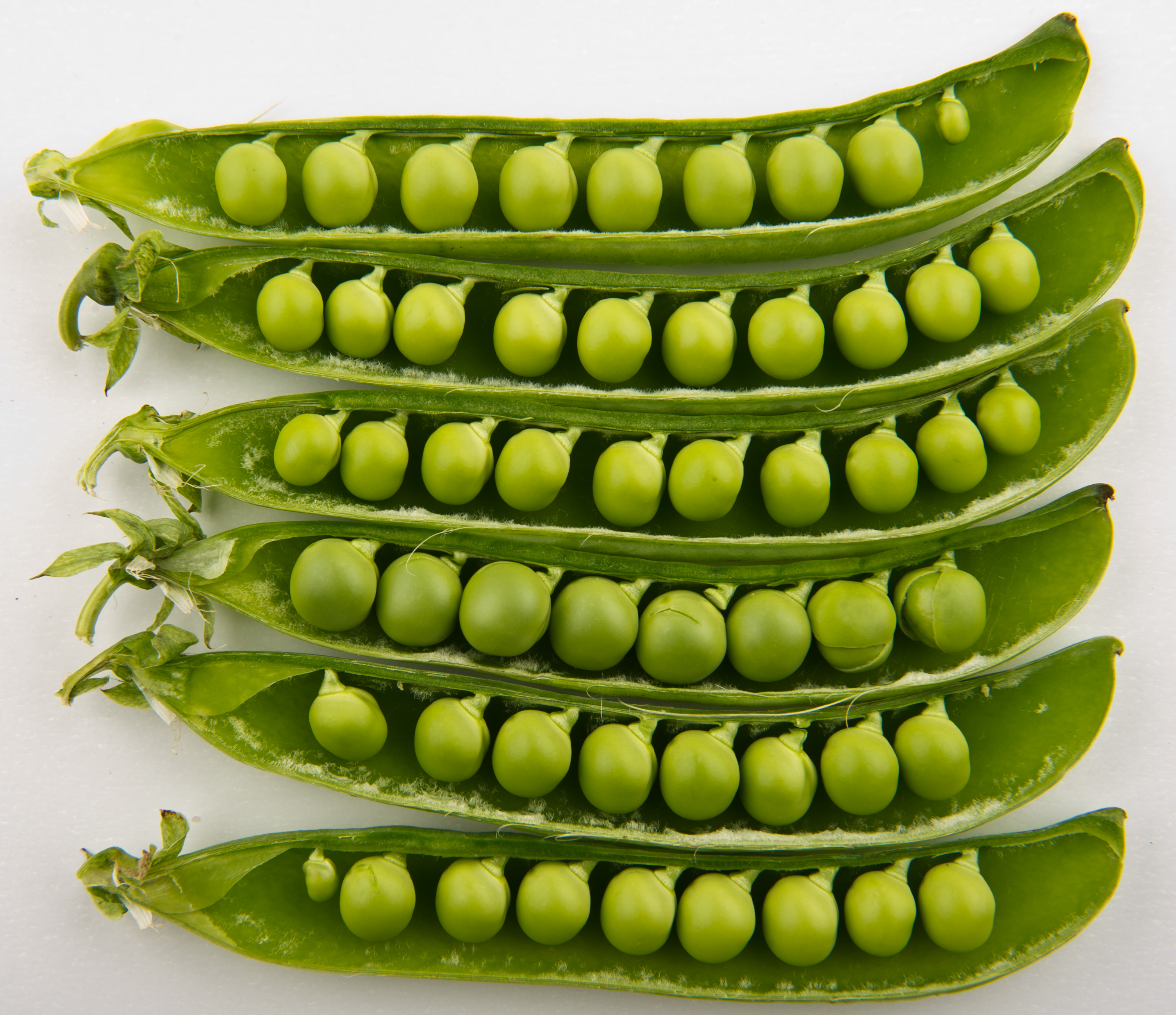
The pea is most commonly the small spherical seed or the seed-pod of the pod fruit Pisum sativum. Each pod contains several peas. Peapods are botanically a fruit, since they contain seeds developed from the ovary of a (pea) flower. However, peas are considered to be a vegetable in cooking. The name is also used to describe other edible seeds from the Fabaceae such as the pigeon pea (Cajanus cajan), the cowpea (Vigna unguiculata), and the seeds from several species of Lathyrus. P. sativum is an annual plant, with a life cycle of one year. It is a cool season crop grown in many parts of the world; planting can take place from winter to early summer depending on location. The average pea weighs between 0.1 and 0.36 grams. The immature peas (and in snow peas the tender pod as well) are used as a vegetable, fresh, frozen or canned; varieties of the species typically called field peas are grown to produce dry peas like the split pea shelled from the matured pod. These are the basis of pease porridge and pea soup, staples of medieval cuisine; in Europe, consuming fresh immature green peas was an innovation of Early Modern cuisine. The wild pea is restricted to the Mediterranean basin and the Near East. The earliest archaeological finds of peas date from the neolithic era of current Syria, Turkey and Jordan. In Egypt, early finds date from ca. 4800–4400 BC in the Nile delta area, and from ca. 3800–3600 BC in Upper Egypt. The pea was also present in Georgia in the 5th millennium BC. Farther east, the finds are younger. Peas were present in Afghanistan ca. 2000 BC, in Harappa, Pakistan, and in northwest India in 2250–1750 BC. In the second half of the 2nd millennium BC, this pulse crop appears in the Gangetic basin and southern India.
Source
Compound data linked to PubChem CID 5280489, public domain via NCBI. Culinary context + ingredient mappings are maintained by Foodgeist's enrichment fleet and continuously re-matched by the pairings engine. PubChem CID 5280489