PubChem CID · CC0
(22α)-hydroxy-cholestanol
Odor profile
Multi-model odor estimate · confidence shown
Foods containing this compound

Flax (also known as common flax or linseed) is a member of the genus Linum in the family Linaceae. It is a food and fibre crop that is grown in cooler regions of the world. Flax fibres are taken from the stem of the plant and are two to three times as strong as those of cotton. As well, flax fibres are naturally smooth and straight. Europe and North America depended on flax for cloth until the nineteenth century, when cotton overtook flax as the most common plant used for making linen paper. Flax is grown on the Canadian Praires for linseed oil, which is used as a drying oil in paints and varnish and in products such as linoleum and printing inks. It is native to the region extending from the eastern Mediterranean to India and was probably first domesticated in the Fertile Crescent. Flax was extensively cultivated in ancient Ethiopia and ancient Egypt. A discovery reported in 2009 of spun, dyed, and knotted wild flax fibers in a prehistoric cave in the Republic of Georgia shows that the plant was already in use by humans at the surprisingly early date of 30,000 B.C. New Zealand flax is not related to flax but was named after it, as both plants are used to produce fibers.
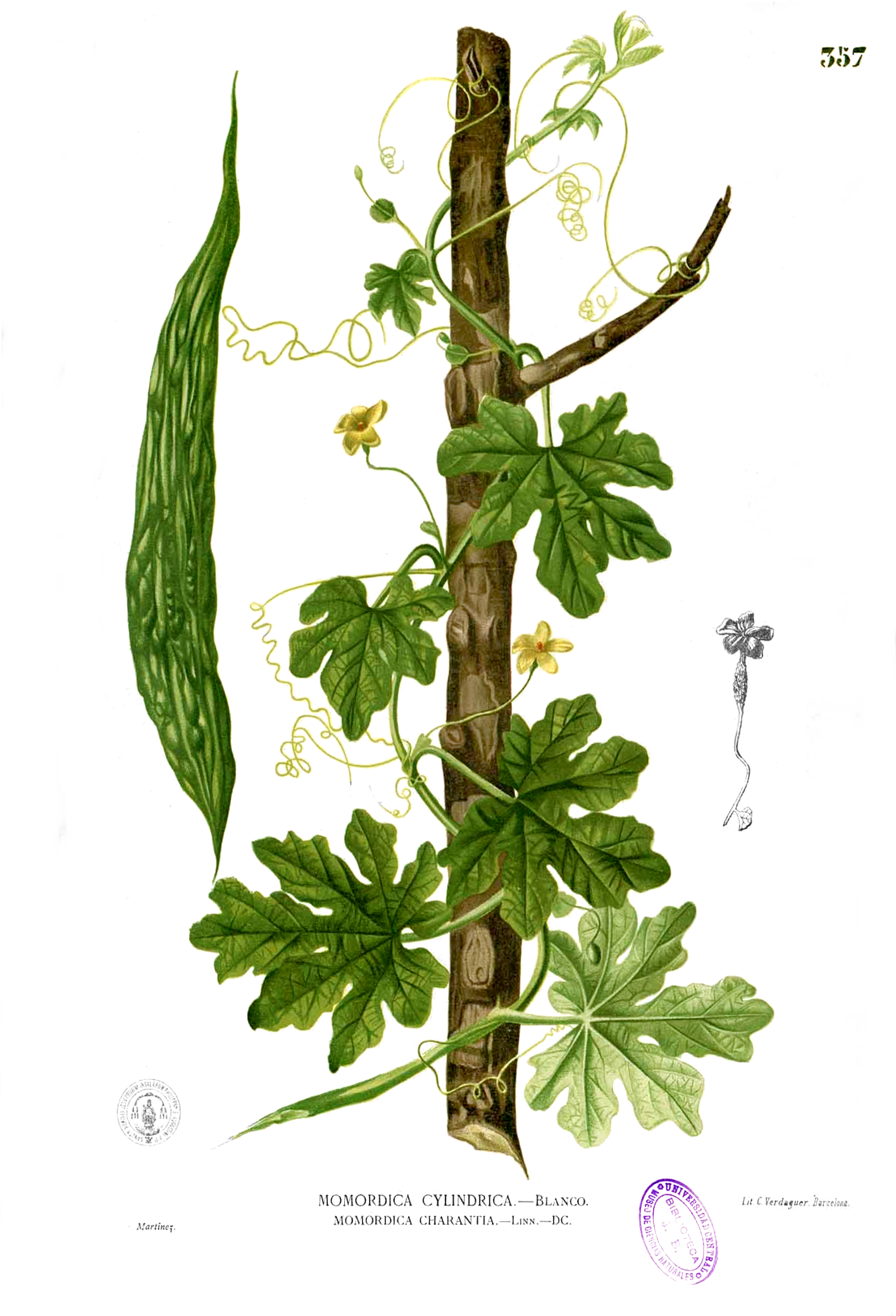
Momordica charantia often called bitter melon, bitter gourd or bitter squash in English, has many other local names. Goya from the indigenous language of Okinawa where there is a large US military presence and karavella from Sanskrit are also used by English-language speakers. It is a tropical and subtropical vine of the family Cucurbitaceae, widely grown in Asia, Africa, and the Caribbean for its edible fruit, which is among the most bitter of all fruits. Its many varieties differ substantially in the shape and bitterness of the fruit. This is a plant of the tropics. Bitter melon originated in India, and it was carried to China in the 14th century.
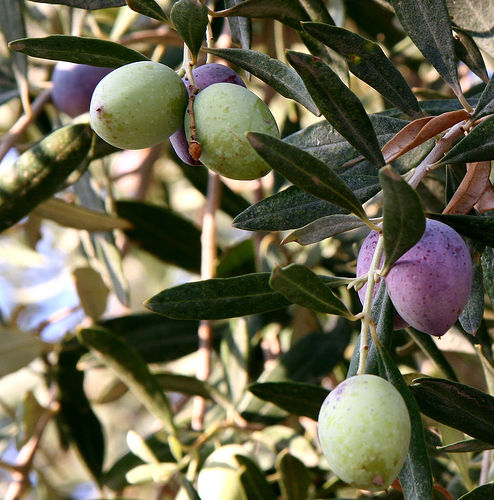
The olive is the fruit of the olive tree (Olea europaea, meaning "Oil from/of Europe"). It is an important food crop in countries around the Mediterranean Sea, and places with a Mediterranean climate. The olive is of major agricultural importance in the Mediterranean region as the source of olive oil; it is one of the three core ingredients in Mediterranean cuisine. About 90% of all harvested olives are turned into oil, while about 10% are used as table olives.
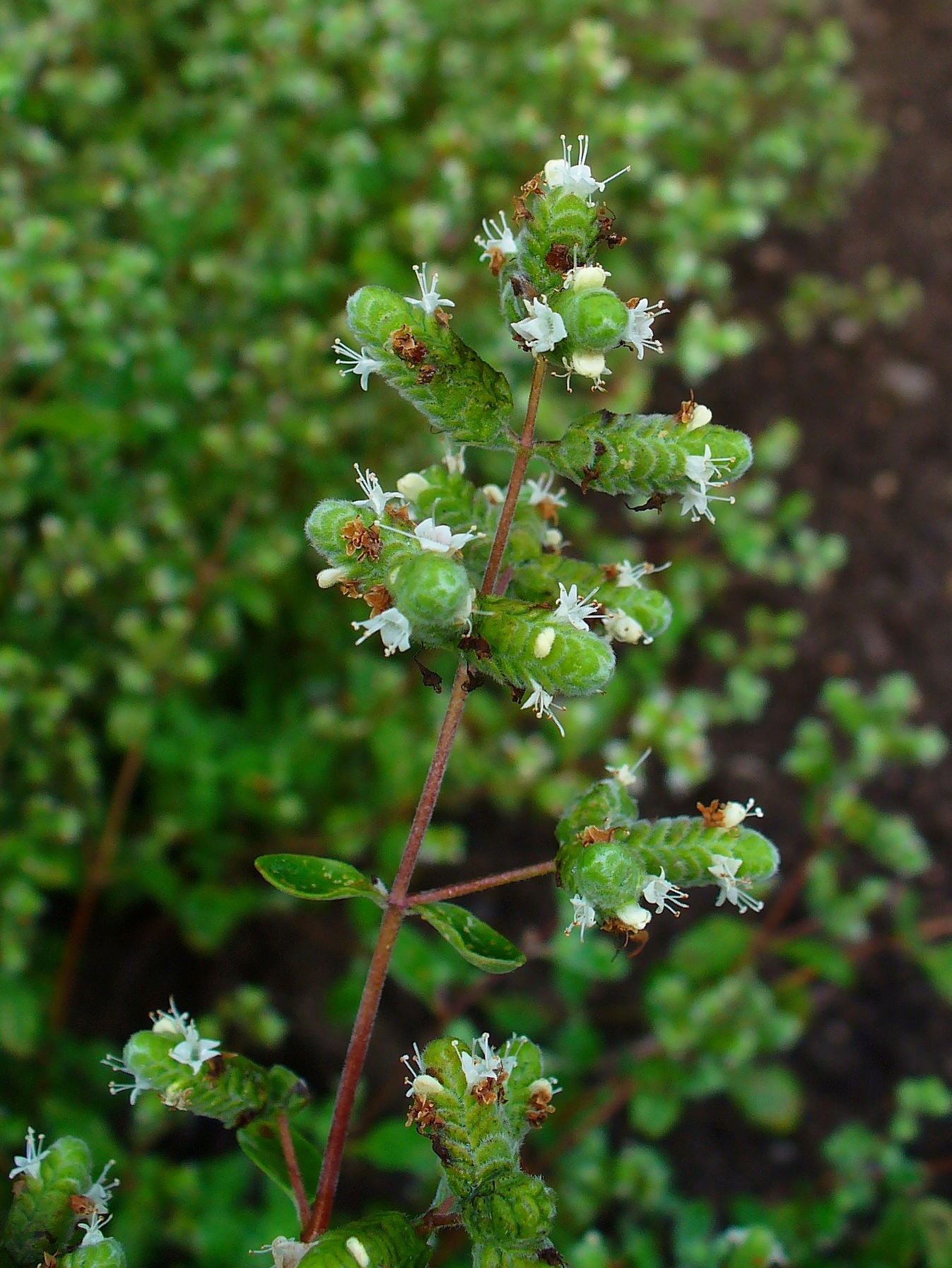
Marjoram (Origanum majorana, syn. Majorana hortensis Moench, Majorana majorana (L.) H. Karst) is a somewhat cold-sensitive perennial herb or undershrub with sweet pine and citrus flavors. In some Middle-Eastern countries, marjoram is synonymous with oregano, and there the names sweet marjoram and knotted marjoram are used to distinguish it from other plants of the genus Origanum.

The parsnip is a root vegetable closely related to the carrot. It is a biennial plant usually grown as an annual. Its long tuberous root has cream-colored skin and flesh and can be left in the ground when mature as it becomes sweeter in flavour after winter frosts. In its first growing season, the plant has a rosette of pinnate, mid-green leaves. If unharvested, it produces its flowering stem, topped by an umbel of small yellow flowers, in its second growing season. By this time the stem is woody and the tuber inedible. The seeds are pale brown, flat and winged.
Phaseolus lunatus is a legume. It is grown for its seed, which is eaten as a vegetable. It is commonly known as the lima bean or butter bean.
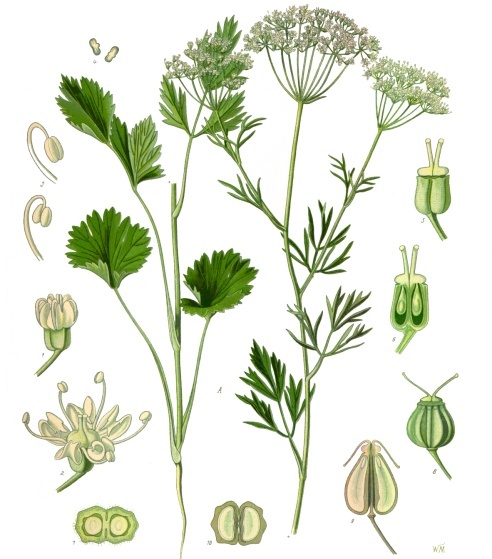
Anise, Pimpinella anisum, also called aniseed, is a flowering plant in the family Apiaceae native to the eastern Mediterranean region and Southwest Asia. Its flavor has similarities with some other spices, such as star anise, fennel and liquorice.
Black pepper (Piper nigrum) is a flowering vine in the family Piperaceae, cultivated for its fruit, which is usually dried and used as a spice and seasoning. The fruit, known as a peppercorn when dried, is approximately 5 millimetres in diameter, dark red when fully mature, and, like all drupes, contains a single seed. Peppercorns, and the ground pepper derived from them, may be described simply as pepper, or more precisely as black pepper (cooked and dried unripe fruit), green pepper (dried unripe fruit) and white pepper (dried ripe seeds). Black pepper is native to south India, and is extensively cultivated there and elsewhere in tropical regions. Currently Vietnam is the world's largest producer and exporter of pepper, producing 34% of the world's Piper nigrum crop as of 2008. Dried ground pepper has been used since antiquity for both its flavour and as a medicine. Black pepper is the world's most traded spice. It is one of the most common spices added to European cuisine and its descendants. The spiciness of black pepper is due to the chemical piperine, not to be confused with the capsaicin that gives fleshy peppers theirs. It is ubiquitous in the modern world, often paired with salt.
Prunus avium, commonly called wild cherry, sweet cherry, bird cherry, or gean, is a species of cherry native to Europe, western Turkey, northwestern Africa, and western Asia, from the British Isles south to Morocco and Tunisia, north to the Trondheimsfjord region in Norway and east to the Caucasus and northern Iran, with a small disjunct population in the western Himalaya. This species, in the rose family (Rosaceae), has a diploid set of sixteen chromosomes (2n=16). All parts of the plant except for the ripe fruit are slightly toxic, containing cyanogenic glycosides.

The almond (Prunus dulcis, syn. Prunus amygdalus, Amygdalus communis, Amygdalus dulcis) (or badam in Indian English, from Persian: بادام ) is a species of tree native to the Middle East and South Asia. "Almond" is also the name of the edible and widely cultivated seed of this tree. Within the genus Prunus, it is classified with the peach in the subgenus Amygdalus, distinguished from the other subgenera by the corrugated shell (endocarp) surrounding the seed.

The peanut, also known as the groundnut and the goober and taxonomically classified as <i>Arachis hypogaea</i>, is a legume crop grown mainly for its edible seeds. It is widely grown in the tropics and subtropics, being important to both small and large commercial producers. It is classified as both a grain legume and, because of its high oil content, an oil crop. World annual production of shelled peanuts was 42 million tonnes in 2014. Atypically among crop plants, peanut pods develop underground rather than aboveground. It is this characteristic that the botanist Linnaeus used to assign the specific name <i>hypogaea</i>, which means "under the earth." (Wikipedia)
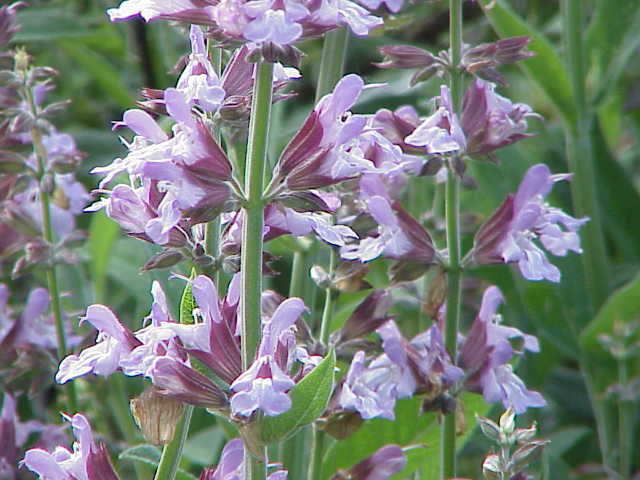
Horseradish (Armoracia rusticana, syn. Cochlearia armoracia) is a perennial plant of the Brassicaceae family (which also includes mustard, wasabi, broccoli, and cabbage). The plant is probably native to southeastern Europe and western Asia. It is now popular around the world. It grows up to 1.5 metres (5 feet) tall, and is cultivated primarily for its large, white, tapered root. The intact horseradish root has hardly any aroma. When cut or grated, however, enzymes from the now-broken plant cells break down sinigrin to produce allyl isothiocyanate, which irritates the mucous membranes of the sinuses and eyes. Once exposed to air (via grating) or heat, if not used immediately or mixed in vinegar, the grated mash darkens, loses its pungency, and becomes unpleasantly bitter-tasting.

Averrhoa carambola is a species of woody plant in the family Oxalidaceae; it has a number of common names including Carambola and Starfruit. This evergreen tree is native to Southeast Asia and the Indian Subcontinent. A. carambola is a small tree or shrub that grows 5–12 meters tall, with rose to red-purple flowers. The flowers are small and bell-shaped, with five petals that have whitish edges. The flowers are often produced year round under tropical conditions. The tree is cultivated in tropical and semitropical regions for its edible fruits and for medicinal uses.

The beet (Beta vulgaris) is a plant in the Chenopodiaceae family which is now included in Amaranthaceae family. It is best known in its numerous cultivated varieties, the most well known of which is the root vegetable known as the beetroot or garden beet. However, other cultivated varieties include the leaf vegetable chard, as well as the root vegetable sugar beet, which is important in the production of table sugar, and mangelwurzel, which is a fodder crop. Three subspecies are typically recognised. All cultivated varieties fall into the subspecies Beta vulgaris subsp. vulgaris, while Beta vulgaris subsp. maritima, commonly known as the sea beet, is the wild ancestor of these, and is found throughout the Mediterranean, the Atlantic coast of Europe, the Near East, and India. A second wild subspecies, Beta vulgaris subsp. adanensis, occurs from Greece to Syria. The roots are most commonly deep red-purple in color, but come in a wide variety of other shades, including golden yellow and red-and-white striped. Beta vulgaris is a herbaceous biennial or, rarely, perennial plant with leafy stems growing to 1–2 m tall. The leaves are heart-shaped, 5–20 cm long on wild plants (often much larger in cultivated plants). The flowers are produced in dense spikes; each flower is very small, 3–5 mm diameter, green or tinged reddish, with five petals; they are wind pollinated. The fruit is a cluster of hard nutlets.

Cauliflower is one of several vegetables in the species Brassica oleracea, in the family Brassicaceae. It is an annual plant that reproduces by seed. Typically, only the head (the white curd) is eaten. The cauliflower head is composed of a white inflorescence meristem. Cauliflower heads resemble those in broccoli, which differs in having flower buds.
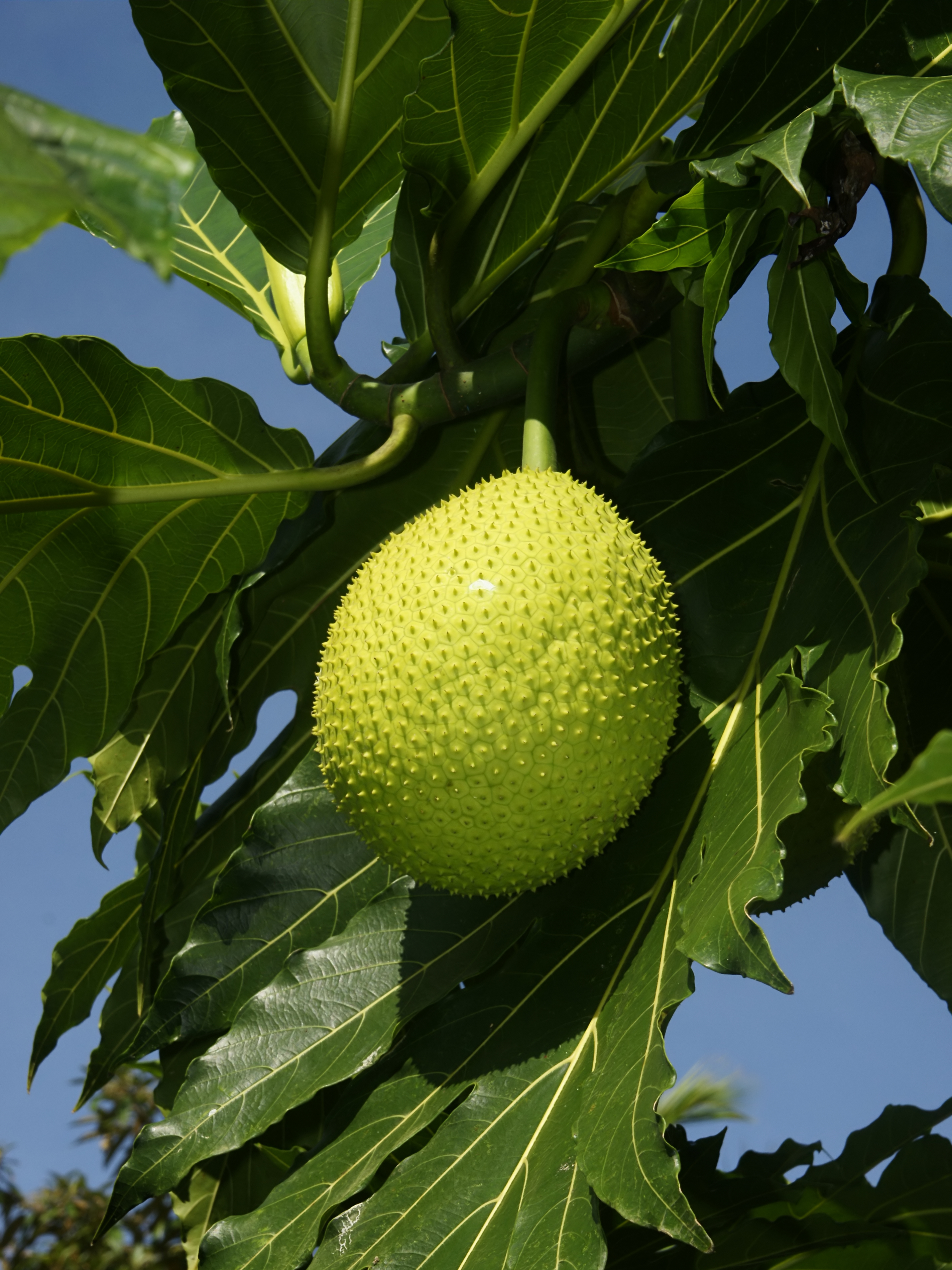
Breadfruit (Artocarpus altilis) is a species of flowering tree in the mulberry family, Moraceae, growing throughout Southeast Asia and most Pacific Ocean islands. Its name is derived from the texture of the cooked fruit, which has a potato-like flavor, similar to fresh-baked bread. Ancestors of the Polynesians found the trees growing in the northwest New Guinea area around 3,500 years ago. They gave up the rice cultivation they had brought with them from Taiwan, and raised breadfruit wherever they went in the Pacific (except Easter Island and New Zealand, which are too cold). Their ancient eastern Indonesian cousins spread the plant west and north through insular and coastal Southeast Asia. It has, in historical times, also been widely planted in tropical regions elsewhere.
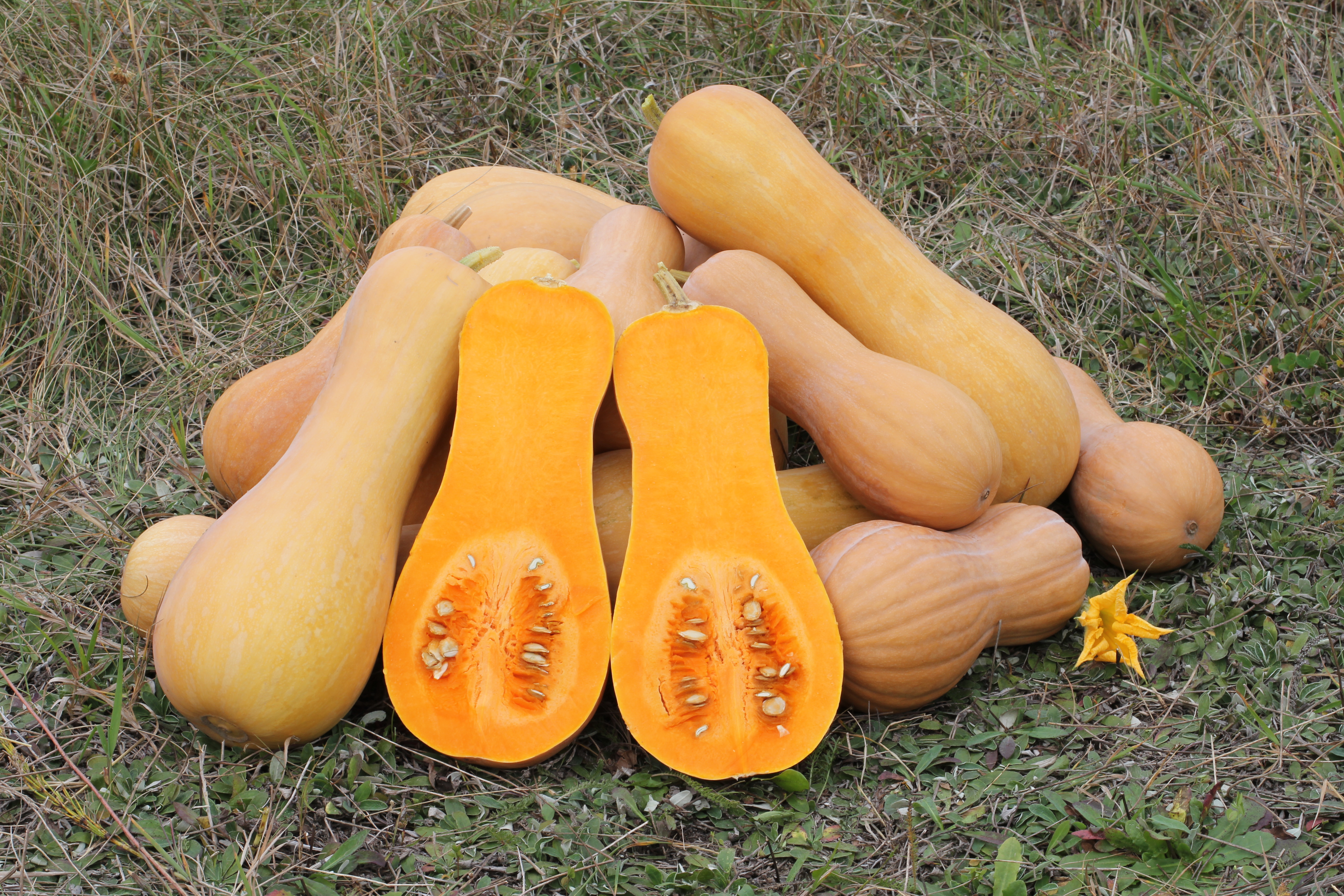
Butternut squash, also known in Australia and New Zealand as butternut pumpkin, is a type of winter squash. It has a sweet, nutty taste similar to that of a pumpkin. It has yellow skin and orange fleshy pulp. When ripe, it turns increasingly deep orange, and becomes sweeter and richer. It grows on a vine. The most popular variety, the Waltham Butternut, originated in Waltham, Massachusetts, where it was developed at the Waltham Experiment Station by Robert E. Young. Dorothy Leggett, widow of Charles Leggett, claims that the Waltham Butternut squash was developed by her husband, Charles Leggett, in Stow, Massachusetts and then subsequently introduced by him to the researchers at the Waltham Field Station.
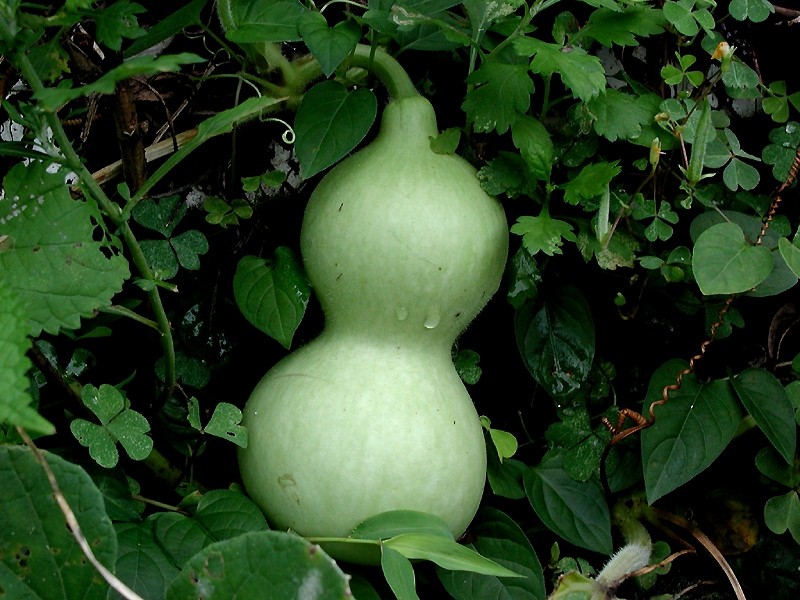
Lagenaria siceraria (synonym Lagenaria vulgaris Ser. ), bottle gourd, opo squash or long melon is a vine grown for its fruit, which can either be harvested young and used as a vegetable, or harvested mature, dried, and used as a bottle, utensil, or pipe. For this reason, the calabash is widely known as the bottle gourd. The fresh fruit has a light green smooth skin and a white flesh. Rounder varieties are called calabash gourds. They come in a variety of shapes, they can be huge and rounded, or small and bottle shaped, or slim and more than a meter long. The calabash was one of the first cultivated plants in the world, grown not primarily for food, but for use as a water container. The bottle gourd may have been carried from Africa to Asia, Europe and the Americas in the course of human migration. It shares its common name with that of the calabash tree.
Carissa macrocarpa (Natal Plum), is a shrub native to South Africa, where it is commonly called the Large Num-Num. In Zulu, as well as in the Bantu tribes of Uganda, it is called amatungulu. In Afrikaans the fruit is called Noem-Noem. C. macrocarpa deals well with salt-laden winds, making it a good choice for coastal areas. It is commonly found in the coastal bush of the Eastern Cape and Natal. It produces shiny, deep green leaves and snowy white flowers whose perfumed scent intensifies at night. Like other Carissa species, C. macrocarpa is a spiny, evergreen shrub containing latex. They bloom for months at a time. The ornamental plump, round, crimson fruit appears in summer and fall (autumn) at the same time as the blooms. In moderate, coastal areas the fruits appear through the year. The fruit can be eaten out of hand or made into pies, jams, jellies, and sauces. Some claim that other than the fruit, the plant is poisonous. However this claim is a myth, possibly based on similarities to other plants with milky sap. The California Poison Control System rates the plant as mildly toxic. It appears in the South African National tree list as number 640.3. A traditional food plant in Africa, this little-known fruit has potential to improve nutrition, boost food security, foster rural development and support sustainable landcare.

Cassava (also called yuca, mogo, or manioc) is a woody shrub cultivated in tropical and subtropical regions for its edible starchy tuberous root, a major source of carbohydrates. It differs from the similarly-spelled yucca, an unrelated fruit-bearing plant. Cassava, when dried to a starchy, powdery (or pearly) extract is called tapioca, while its fermented, flaky version is named garri. [Wikipedia]
The cherimoya, also spelled chirimoya, is the fruit of the species Annona cherimola, which generally is thought to be native to the Andes, although an alternative hypothesis proposes Central America as the origin of cherimoya because many of its wild relatives occur in this area. Today cherimoya is grown throughout South Asia, Central America, South America, Southern California and southern Andalucia [La Axarquia].

Chervil (Anthriscus cerefolium), sometimes called garden chervil to distinguish it from similar plants also called chervil, or French parsley, is a delicate annual herb related to parsley. It is commonly used to season mild-flavoured dishes and is a constituent of the French herb mixture fines herbes.

The garland chrysanthemum, Chrysanthemum coronarium or Leucanthemum coronarium, also known as chrysanthemum greens or edible chrysanthemum, is native to the Mediterranean and East Asia. It is a leaf vegetable in the genus Chrysanthemum, or by some botanists in Leucanthemum.

The coconut tree (Cocos nucifera), is a member of the family Arecaceae (palm family). It is the only accepted species in the genus Cocos. The term coconut can refer to the entire coconut palm, the seed, or the fruit, which, botanically, is a drupe, not a nut. The spelling cocoanut is an archaic form of the word. The term is derived from 16th-century Portuguese and Spanish coco, meaning "head" or "skull", from the three indentations on the coconut shell that resemble facial features.
A grape is a fruiting berry of the deciduous woody vines of the botanical genus Vitis. Grapes can be eaten raw or they can be used for making wine, jam, juice, jelly, grape seed extract, raisins, vinegar, and grape seed oil. Grapes are a non-climacteric type of fruit, generally occurring in clusters.
Physalis is a genus of plants in the nightshade family (Solanaceae), native to warm temperate and subtropical regions of the world. All but one species are native to the New World, and most species occur in Mexico in particular. At least 46 species are endemic to the country. The genus is characterised by the small orange fruit similar in size, shape and structure to a small tomato, but partly or fully enclosed in a large papery husk derived from the calyx. Many Physalis species are called groundcherries. One name for Physalis peruviana is Cape gooseberry, not to be confused with the true gooseberries, which are of the genus Ribes in the family Grossulariaceae.

Moringa oleifera is the most widely cultivated species of the genus Moringa, which is the only genus in the family Moringaceae. English common names include: moringa, drumstick tree (from the appearance of the long, slender, triangular seed-pods), horseradish tree (from the taste of the roots, which resembles horseradish), ben oil tree or benzoil tree (from the oil which is derived from the seeds). It is a fast-growing, drought-resistant tree, native to the southern foothills of the Himalayas in northwestern India, and widely cultivated in tropical and sub-tropical areas where its young seed pods and leaves are used as a vegetable.
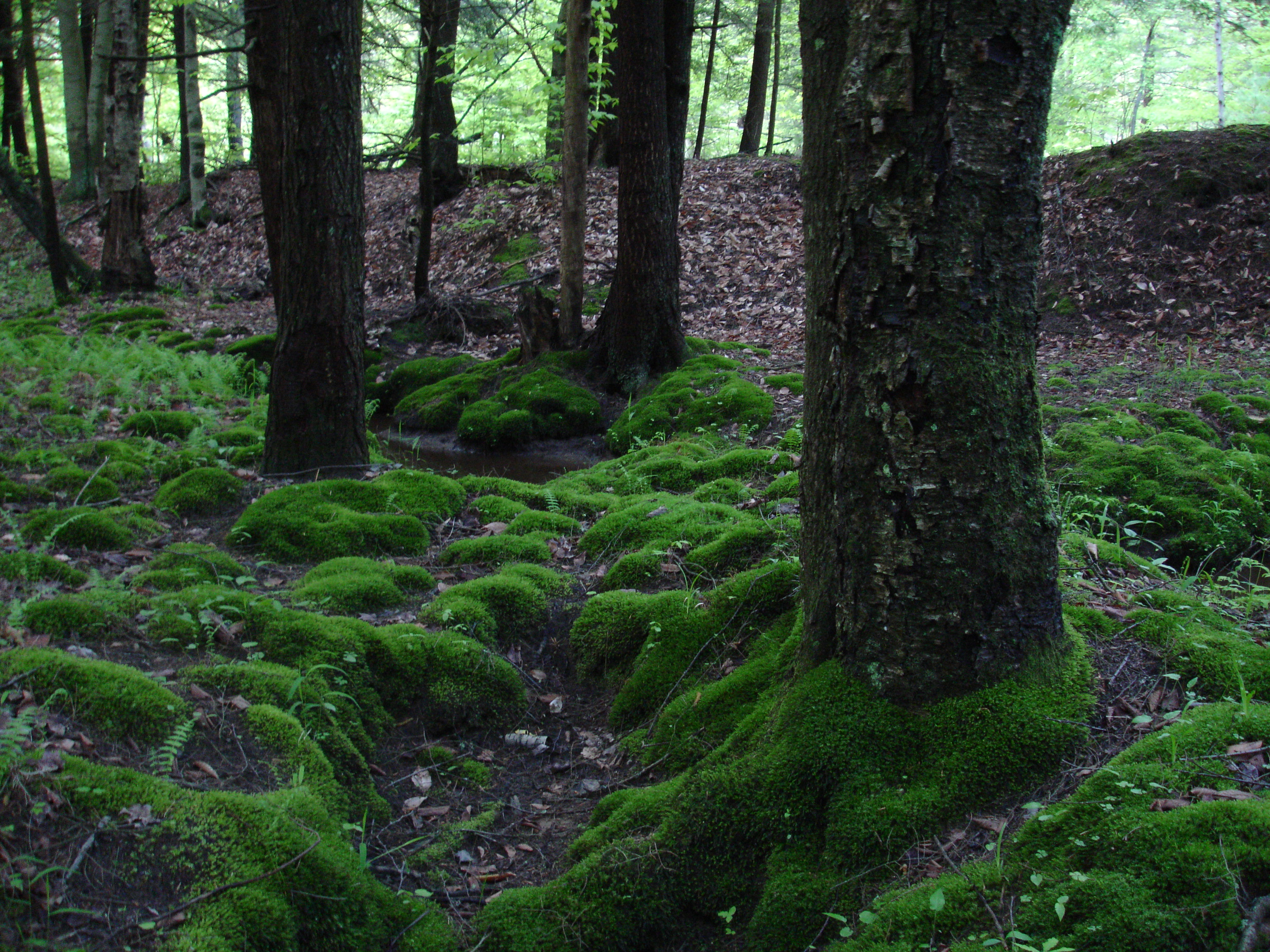
Chondrus crispus ? commonly called Irish moss or carrageen moss (Irish carraigín, "little rock") ? is a species of red algae which grows abundantly along the rocky parts of the Atlantic coast of Europe and North America. In its fresh condition this protist is soft and cartilaginous, varying in color from a greenish-yellow, through red, to a dark purple or purplish-brown. The principal constituent is a mucilaginous body, made of the polysaccharide carrageenan which comprises about 55% by weight. The organism also consists of nearly 10% protein and about 15% mineral matter, and is rich in iodine and sulfur. When softened in water it has a sea-like odour and because of the abundant cell wall polysaccharides it will form a jelly when boiled, containing from 20 to 100 times its weight of water.
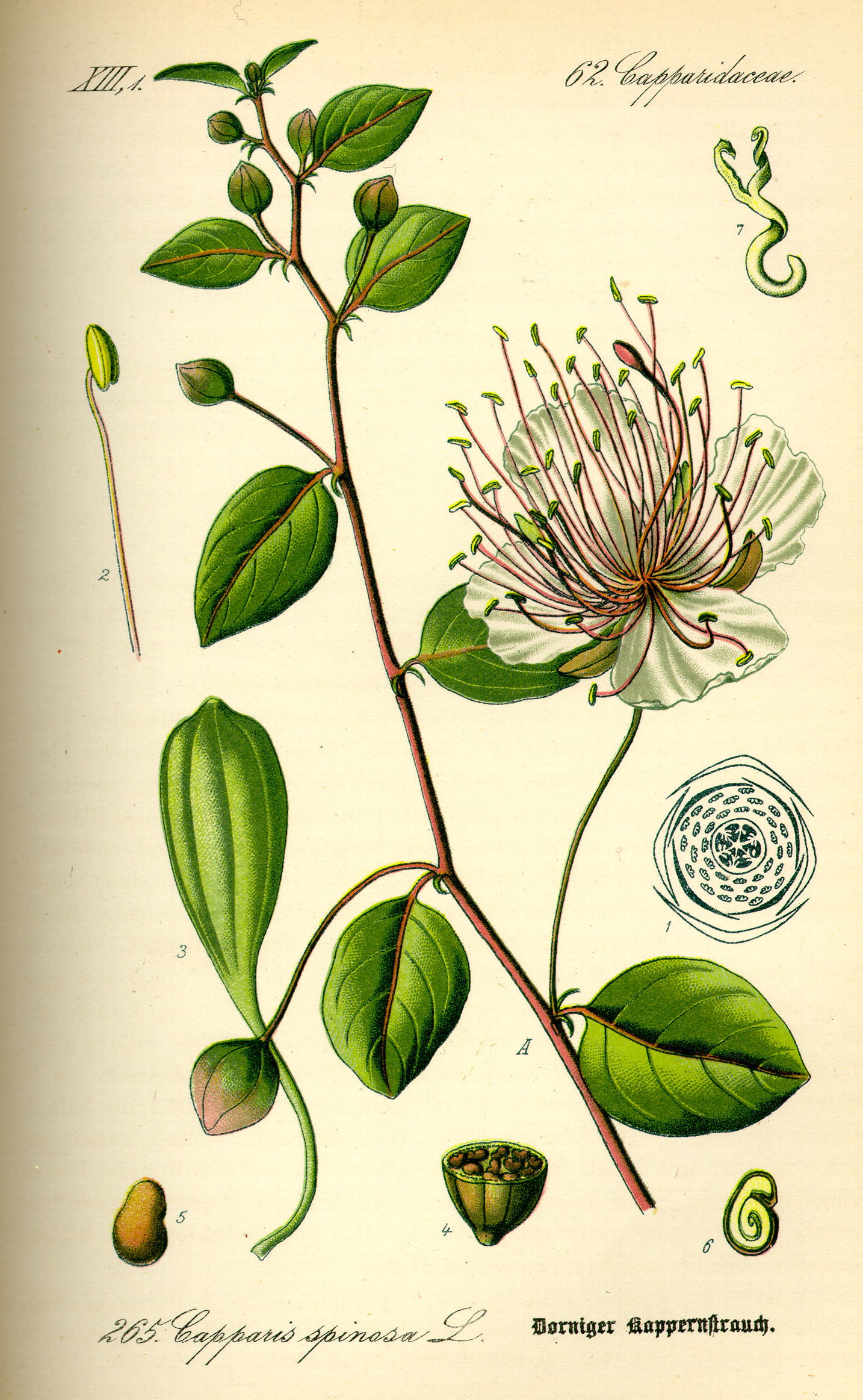
Capparis spinosa, the caper bush, also called Flinders rose, is a perennial winter-deciduous plant that bears rounded, fleshy leaves and large white to pinkish-white flowers. The plant is best known for the edible flower buds (capers), often used as a seasoning, and the fruit (caper berry), both of which are usually consumed pickled. Other species of Capparis are also picked along with C. spinosa for their buds or fruits. Other parts of Capparis plants are used in the manufacture of medicines and cosmetics.

Syzygium cumini, jambul, jambolan, jamblang, or jamun, is an evergreen tropical tree in the flowering plant family Myrtaceae. Syzygium cumini is native to Bangladesh, India, Nepal, Pakistan, Sri Lanka, Malaysia, the Philippines, and Indonesia. The name of the fruit is sometimes mistranslated as blackberry, which is a different fruit in an unrelated family.
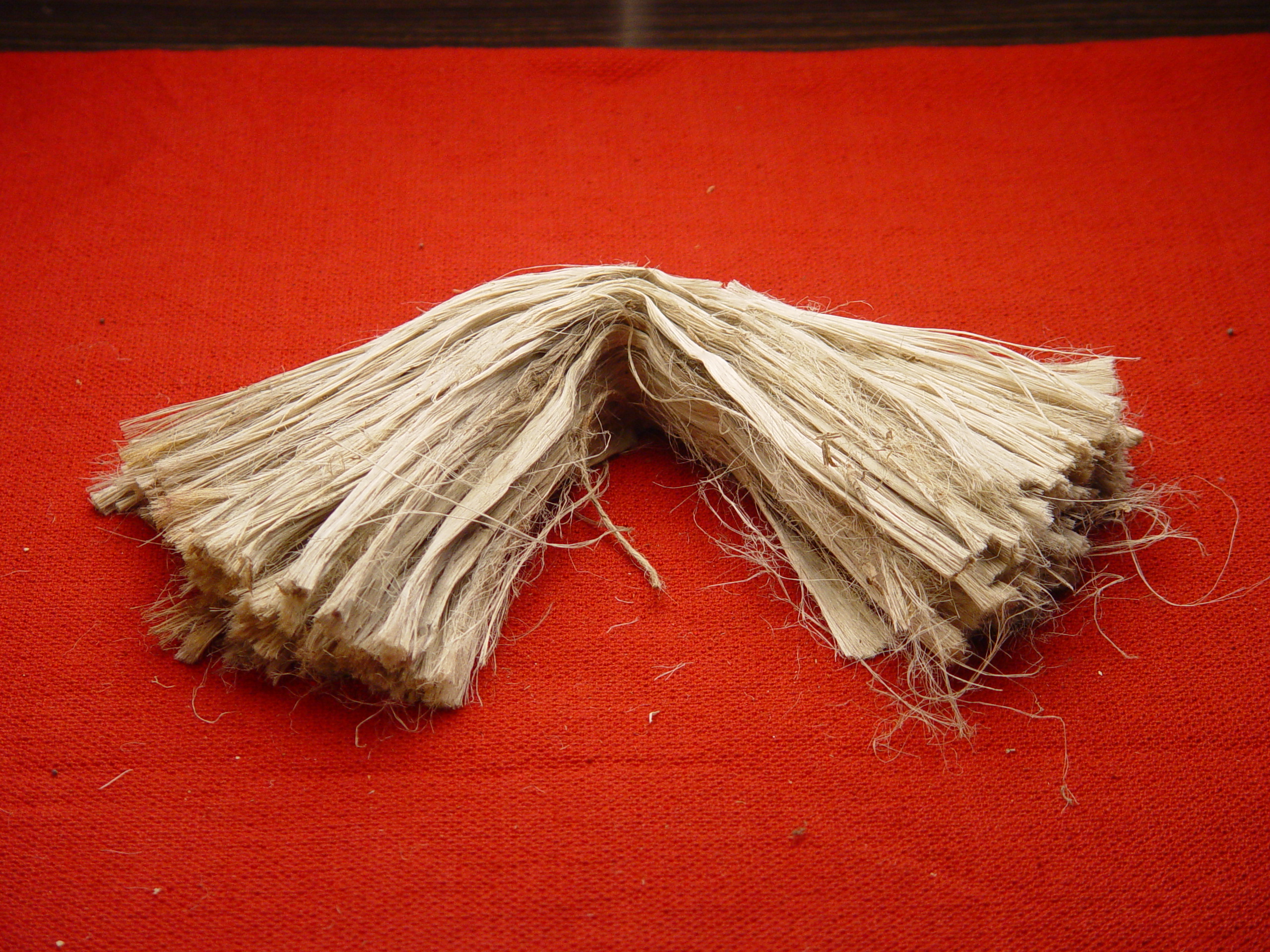
Jute is a long, soft, shiny vegetable fiber that can be spun into coarse, strong threads. It is produced from plants in the genus Corchorus, which was once classified with the family Tiliaceae, more recently with Malvaceae, and has now been reclassified as belonging to the family Sparrmanniaceae. "Jute" is the name of the plant or fiber that is used to make burlap, Hessian or gunny cloth.
Chenopodium album is a fast-growing weedy annual plant in the genus Chenopodium. Though cultivated in some regions, the plant is elsewhere considered a weed. Common names include lamb's quarters, melde, goosefoot and fat-hen, though the latter two are also applied to other species of the genus Chenopodium, for which reason it is often distinguished as white goosefoot. It is sometimes also called pigweed, although that name is often also used for Amaranthus albus. Chenopodium album is extensively cultivated and consumed in Northern India as a food crop, and in English texts it may be called by its Hindi name bathua or bathuwa.
The purple mangosteen (Garcinia mangostana), colloquially known simply as mangosteen, is a tropical evergreen tree believed to have originated in the Sunda Islands and the Moluccas of Indonesia. It grows mainly in Southeast Asia, and also in tropical South American countries such as Colombia, in the state of Kerala in India and in Puerto Rico, where the tree has been introduced. The tree grows from 6 to 25 m (19.7 to 82.0 ft) tall. The fruit of the mangosteen is sweet and tangy, juicy, somewhat fibrous, with fluid-filled vesicles (like the flesh of citrus fruits), with an inedible, deep reddish-purple colored rind (exocarp) when ripe. In each fruit, the fragrant edible flesh that surrounds each seed is botanically endocarp, i.e., the inner layer of the ovary. Seeds are almond-shaped and sized.
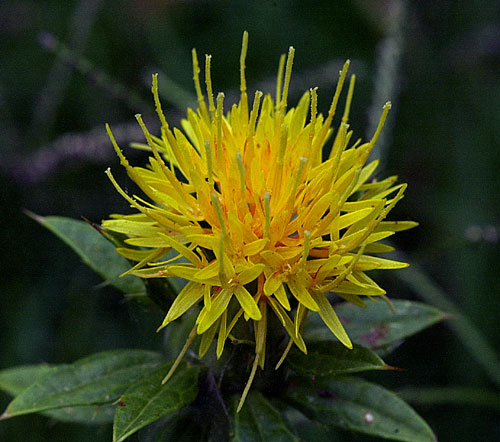
Safflower is a highly branched, herbaceous, thistle-like annual. It is commercially cultivated for vegetable oil extracted from the seeds. Plants are 30 to 150 cm (to in) tall with globular flower heads having yellow, orange, or red flowers. Each branch will usually have from one to five flower heads containing 15 to 20 seeds per head. Safflower is native to arid environments having seasonal rain. It grows a deep taproot which enables it to thrive in such environments.
Komatsuna or Japanese mustard spinach (Brassica rapa var. perviridis) is a leaf vegetable. It is a variety of Brassica rapa, the plant species that yields the turnip, mizuna, napa cabbage, and rapini. It is grown commercially in Japan and Taiwan. The name komatsuna is from the Japanese komatsuna, "small pine tree greens". It is stir-fried, pickled, boiled, and added to soups or used fresh in salads. It is an excellent source of calcium.
The Pitanga, Surinam Cherry, Brazilian Cherry, or Cayenne Cherry (Eugenia uniflora) is a plant in the family Myrtaceae, native to tropical South America's east coast ranging from Suriname to southern Brazil, as well as parts of Paraguay and Uruguay. Known as Pitanga throughout Brazil or Ñangapirí in surrounding countries, The plant is relatively pest resistant, easy to grow and high in antioxidants. The Surinam Cherry is often used in gardens as a hedge or screen. The tree was introduced to Bermuda for ornamental purposes but is now out of control and listed as an invasive species.
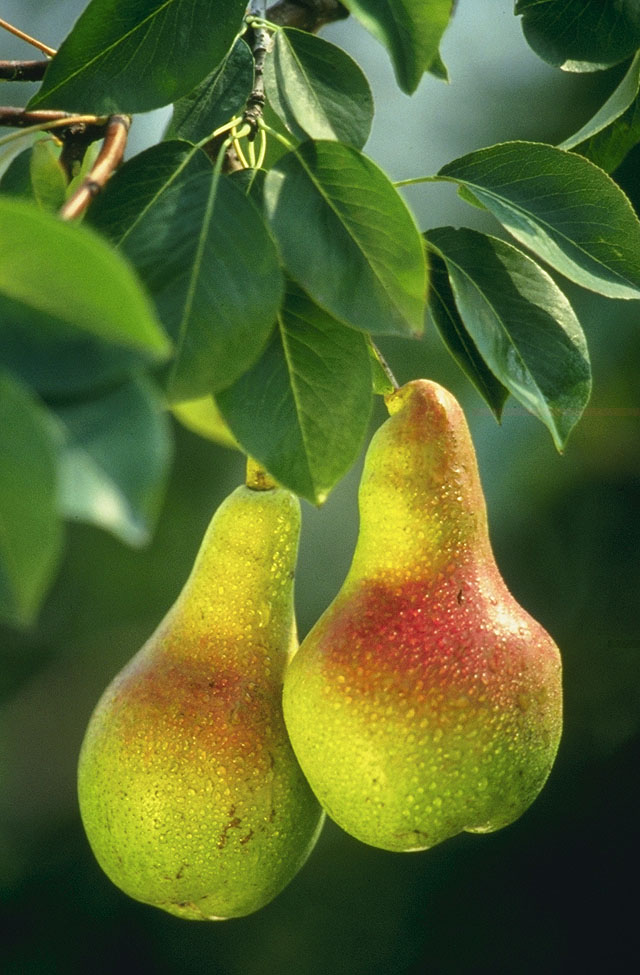
Opuntia, also known as nopales or paddle cactus, is a genus in the cactus family, Cactaceae. Currently, only prickly pears are included in this genus of about 200 species distributed throughout most of the Americas. Chollas are now separated into the genus Cylindropuntia, which some still consider a subgenus of Opuntia. Austrocylindropuntia, Corynopuntia, and Micropuntia are also often included in the present genus, but like Cylindropuntia, they seem rather distinct. Brasiliopuntia and Miqueliopuntia are closer relatives of Opuntia.

A chestnut is the seed of a tree related to the oak tree, which grows in the northern hemisphere. It grows its seeds in a spikey shell.
Syzygium jambos is a tree originating in Southeast Asia and occurring widely elsewhere, having been introduced as an ornamental and fruit tree.
Tragopogon porrifolius is a plant cultivated for its ornamental flower, edible root, and herbal properties. It also grows wild in many places and is one of the most widely known species of the salsify genus, Tragopogon. It is commonly known as purple or common salsify, oyster plant, vegetable oyster, Jerusalem star, goatsbeard or simply salsify (although these last two names are also applied to other species, as well).
The mamey sapote (Pouteria sapota) is a species of tree native to southern Mexico. Today, the tree is cultivated not only in Mexico, but also in Central America, the Caribbean, and South Florida for its fruit, which is commonly eaten in many Latin American countries. Mamey sapote is a large and highly ornamental evergreen tree that can reach a height of 15 to 45 meters (60 to 140 feet) at maturity. Like most fruit trees, it is mainly propagated by grafting, which ensures the new plant has the same characteristics as the parent, especially its fruit. It is also considerably faster than growing trees by seed. The fruit is about 10 to 25 cm (4 to 10 inches) long and 8 to 12 cm (3 to 5 inches) wide and has orange flesh. The fruit is eaten raw or made into milkshakes, smoothies, ice cream and fruit bars. It can be used to produce marmalade and jelly. Some consider the fruit to be an aphrodisiac. Some beauty products use oil pressed from the seed, otherwise known as sapayul oil. The brown skin has a texture somewhat between sandpaper and the fuzz on a peach. The fruit's texture is creamy and soft. A mamey sapote is ripe when the flesh is pink when a fleck of the skin is removed. The flesh should give slightly, as with a ripe kiwifruit. The mamey sapote is related to other sapotes such as sapodilla, abiu (P. caimito) and canistel (P. campechiana), but unrelated to the black sapote and white sapote. It should not be confused with the mammee apple. It has different names depending on the country: mamey, zapote colorado, and zapote rojo, among others.
The chickpea (Cicer arietinum) is a legume of the family Fabaceae, subfamily Faboideae. Its seeds are high in protein. It is one of the earliest cultivated legumes: 7,500-year-old remains have been found in the Middle East. Other common names for the species include garbanzo bean, ceci bean, sanagalu, chana, hummus and Bengal gram.
Soursop is the fruit of Annona muricata, a broadleaf, flowering, evergreen tree native to Mexico, Cuba, Central America, the Caribbean and northern South America: Colombia, Brazil, Peru, Ecuador and Venezuela. Soursop is also produced in Somalia. Today, it is also grown in some areas of Southeast Asia, as well as in some Pacific islands. It was most likely brought from Mexico to the Philippines by way of the Manila-Acapulco Galleon trade. It is in the same genus as the chirimoya and the same family as the pawpaw. Soursop, raw, edible parts Nutritional value per 100 g Energy 276 kJ Carbohydrates 16.84 g - Sugars 13.54 g - Dietary fiber 3.3 g Fat 0.30 g Protein 1.00 g Vitamin A equiv. 0 μg (0%) Thiamine (vit. B1) 0.070 mg (6%) Riboflavin (vit. B2) 0.050 mg (4%) Niacin (vit. B3) 0.900 mg (6%) Vitamin B6 0.059 mg (5%) Folate (vit. B9) 14 μg (4%) Vitamin C 20.6 mg (25%) Calcium 14 mg (1%) Iron 0.6 mg (5%) Magnesium 21 mg (6%) Phosphorus 27 mg (4%) Potassium 278 mg (6%) Zinc 0.1 mg (1%) Percentages are relative toUS recommendations for adults. The soursop is adapted to areas of high humidity and relatively warm winters; temperatures below 5 °C will cause damage to leaves and small branches, and temperatures below 3 °C can be fatal. The fruit becomes dry and is no longer good for concentrate. Other common names include: Evo, Aluguntugui guanábana, graviola, anona, corossol, sorsaka, adunu, Brazilian pawpaw, guyabano, guanavana, toge-banreisi, durian benggala, nangka blanda, sirsak, zuurzak and nangka londa. In Malayalam, it is called mullaatha, literally thorny custard apple. The other lesser-known Indian names are shul-ram-fal and Lakshmana Phala. and in Harar (Ethiopia) in Harari language known for centuries as Amba Shoukh (Thorny Mango or Thorny Fruit). The flavour has been described as a combination of strawberry and pineapple, with sour citrus flavour notes contrasting with an underlying creamy flavour reminiscent of coconut or banana.

Common chicory, Cichorium intybus, is a somewhat woody, perennial herbaceous plant usually with bright blue flowers, rarely white or pink. Many varieties are cultivated for salad leaves, chicons (blanched buds), or for roots (var. sativum), which are baked, ground, and used as a coffee substitute and additive. It is also grown as a forage crop for livestock. It lives as a wild plant on roadsides in its native Europe, and in North America and Australia, where it has become widely naturalized.
Taro is a common name for the corms and tubers of several plants in the Araceae family. Of these, Colocasia esculenta is the most widely cultivated. Taro is native to southeast Asia. It is a perennial, tropical plant primarily grown as a root vegetable for its edible starchy corm, and as a leaf vegetable. It is a food staple in African, Oceanic and Asian cultures and is believed to have been one of the earliest cultivated plants. Colocasia is thought to have originated in the Indo-Malayan region, perhaps in eastern India and Bangladesh, and spread eastward into Southeast Asia, eastern Asia, and the Pacific islands; westward to Egypt and the eastern Mediterranean; and then southward and westward from there into East Africa and West Africa, whence it spread to the Caribbean and Americas. It is known by many local names and often referred to as 'elephant ears' when grown as an ornamental plant.

The Key lime (Citrus × aurantiifolia) is a citrus species with a globose fruit, 2.5-5 cm in diameter (1-2 in), that is yellow when ripe but usually picked green commercially. It is smaller and seedier, with a higher acidity, a stronger aroma, and a thinner rind, than that of the Persian lime (Citrus × latifolia). It is valued for its unique flavor compared to other limes, with the Key lime usually having a more tart and bitter flavor. The name comes from its association with the Florida Keys, where it is best known as the flavoring ingredient in Key lime pie. It is also known as West Indian lime, bartender's lime, Omani lime, or Mexican lime, the latter classified as a distinct race with a thicker skin and darker green color. Philippine varieties have various names, including dayap and bilolo.
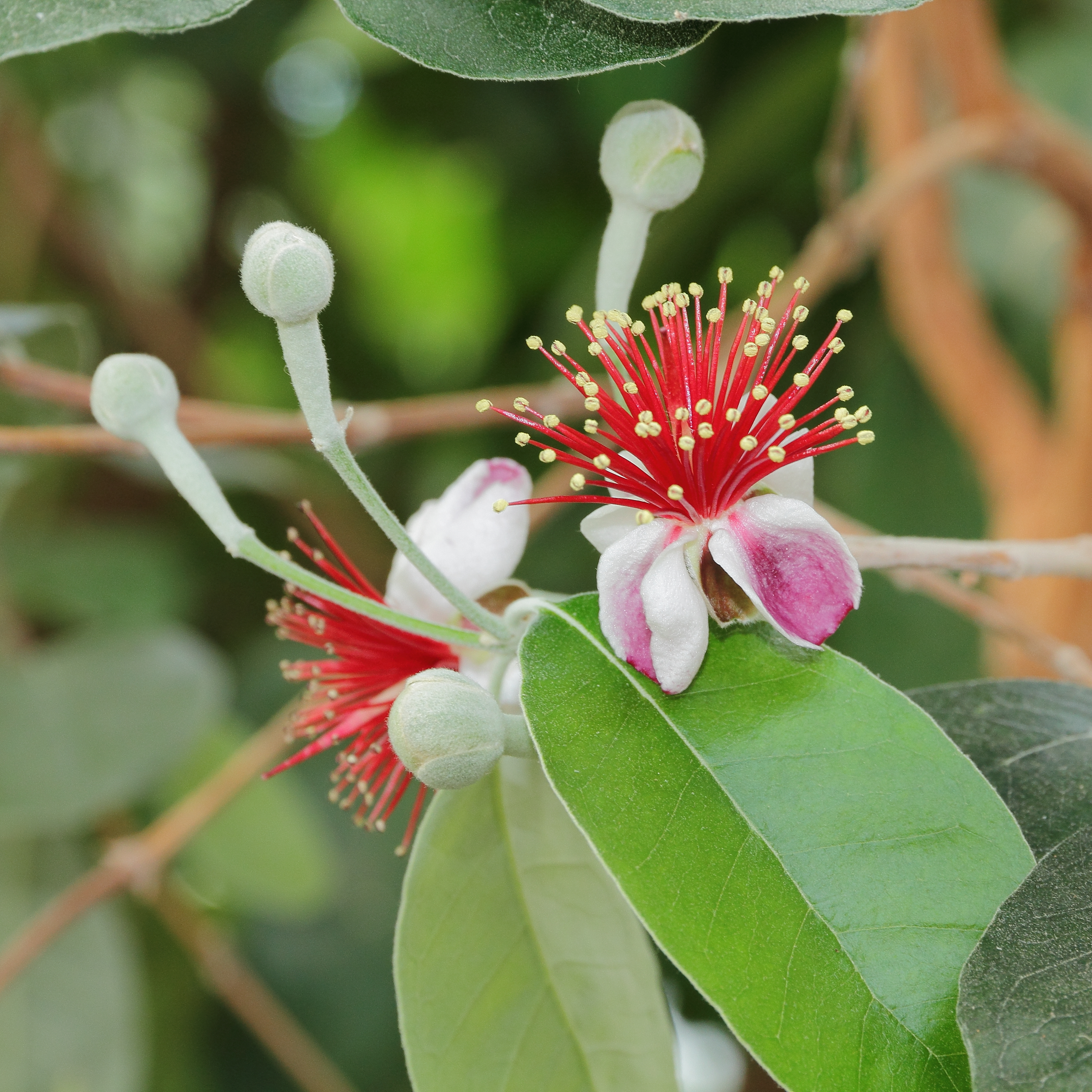
Acca sellowiana, a species of flowering plant in the myrtle family, Myrtaceae, is native to the highlands of southern Brazil, eastern Paraguay, Uruguay, northern Argentina, and Colombia. It is widely cultivated as a garden plant and fruiting tree in New Zealand, and can be found as a garden plant elsewhere such as in Australia, Azerbaijan, western Georgia and southern Russia. Common names include feijoa, pineapple guava and guavasteen. It is an evergreen, perennial shrub or small tree, 1?7 metres (3.3?23.0 ft) in height, widely cultivated as a garden plant and fruiting tree.

Saffron is a spice derived from the flower of Crocus sativus, commonly known as the saffron crocus. Crocus is a genus in the family Iridaceae. Saffron crocus grows to 20-30 cm (8-12 in) and bears up to four flowers, each with three vivid crimson stigmas, which are the distal end of a carpel. Together with the styles, or stalks that connect the stigmas to their host plant, the dried stigmas are used mainly in various cuisines as a seasoning and colouring agent. Saffron, long among the world's most costly spices by weight, is native to Greece or Southwest Asia and was first cultivated in Greece. As a genetically monomorphic clone, it was slowly propagated throughout much of Eurasia and was later brought to parts of North Africa, North America, and Oceania.
Cucumber (Cucumis sativus) is a widely cultivated plant in the gourd family Cucurbitaceae. It is a creeping vine that bears cylindrical fruits that are used as culinary vegetables. There are three main varieties of cucumber: slicing, pickling, and burpless. Within these varieties, several different cultivars have emerged. The cucumber is originally from Southern Asia, but now grows on most continents. Many different varieties are traded on the global market.
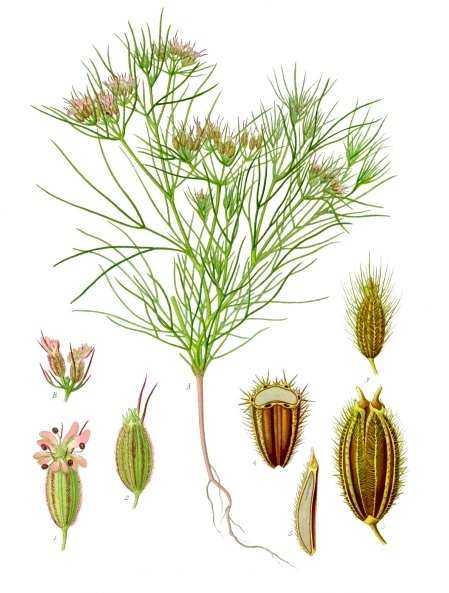
Cumin (Cuminum cyminum) is a flowering plant in the family Apiaceae as caraway, parsley, and dill., native from the east Mediterranean to India. Its seeds (each one contained within a fruit, which is dried) are used in the cuisines of many different cultures, in both whole and ground form. It also has many uses as a traditional medicinal plant. In the ancient Egyptian civilization, cumin was used as spice and as preservative in mummification. Cumin seed is used as a spice for its distinctive flavour and aroma. Cumin can be found in some cheeses, such as Leyden cheese, and in some traditional breads from France. Cumin can be an ingredient in chili powder (often Tex-Mex or Mexican-style), and is found in achiote blends, adobos, sofrito, garam masala, curry powder, and bahaarat. In South Asian cooking, it is often combined with coriander seeds in a powdered mixture called dhana jeera. Cumin's distinctive flavour is strong. It has a warm aroma due to its essential oil content. Its main constituent aroma compounds are cuminaldehyde (a promising agent against alpha-synuclein aggregation) and cuminic alcohol. Other important aroma compounds of toasted cumin are the substituted pyrazines, 2-ethoxy-3-isopropylpyrazine, 2-methoxy-3-sec-butylpyrazine, and 2-methoxy-3-methylpyrazine. Other components include γ-terpinene, safranal, p-cymene and β-pinene [Wikipedia]

Shea tree is a tree indigenous to Africa, occurring in Mali, Cameroon, Congo, Côte d'Ivoire, Ghana, Guinea, Togo, Nigeria, Senegal, Sudan, Burkina Faso and Uganda. The shea fruit consists of a thin, tart, nutritious pulp that surrounds a relatively large, oil-rich seed from which shea butter is extracted. Throughout Africa, shea butter is used extensively for food and medicinal purposes, and is a major source of dietary fat. The fruit is edible and delicious. It tastes roughly like a fig. [Wikipedia]

The ucuhuba tree grows in South America. Ucuhuba seed oil is the oil extracted from its seed. [Wikipedia]
Nance (also called craboo, kraabu, Savanna Serrette and Golden Spoon) is a species native to tropical America. It is valued for its small, sweet, yellow fruit, which are strongly scented. The fruits are eaten raw or cooked as dessert. In rural Panama, the dessert prepared with the addition of sugar and flour, known as pesada de nance, is quite popular. The fruits are also made into dulce de nance, a candy prepared with the fruit cooked in sugar and water. In Nicaragua (where the fruit is called nancite), it is a popular ingredient for several desserts, including raspados (mixed with ice). The fruits are often used to prepare carbonated beverages, flavor mezcal-based liqueurs, or make an oily, acidic, fermented beverage known as chicha, the standard term applied to assorted beer-like drinks made of fruits or maize. Nance is used to distill a rum-like liquor called crema de nance in Costa Rica. Mexico produces a licor de nanche. [Wikipedia]
The garden strawberry (or simply strawberry; Fragaria × ananassa) is a widely grown hybrid species of the genus Fragaria (collectively known as the strawberries). It is cultivated worldwide for its fruit. The fruit (which is not a botanical berry, but an aggregate accessory fruit) is widely appreciated for its characteristic aroma, bright red color, juicy texture, and sweetness. It is consumed in large quantities, either fresh or in such prepared foods as preserves, fruit juice, pies, ice creams, milkshakes, and chocolates. Artificial strawberry aroma is also widely used in many industrial food products. As strawberry flavor and fragrance are popular characteristics for consumers,they are used widely in a variety of manufacturing, including foods, beverages, confections, perfumes and cosmetics. Sweetness, fragrance and complex flavor are favorable attributes. In plant breeding and farming, emphasis is placed on sugars, acids, and volatile compounds, which improve the taste and fragrance of a ripe strawberry. Esters, terpenes, and furans are chemical compounds having the strongest relationships to strawberry flavor and fragrance, with a total of 31 volatile compounds significantly correlated to favorable flavor and fragrance [Wikipedia]
Barley (Hordeum vulgare L. ), a member of the grass family, is a major cereal grain. Important uses include use as animal fodder, as a source of fermentable material for beer and certain distilled beverages, and as a component of various health foods. It is used in soups and stews, and in barley bread of various cultures. Barley grains are commonly made into malt in a traditional and ancient method of preparation. In a 2007 ranking of cereal crops in the world, barley was fourth both in terms of quantity produced (136 million tons) and in area of cultivation (566,000 km²).
Source
Compound data linked to PubChem CID 17896834, public domain via NCBI. Culinary context + ingredient mappings are maintained by Foodgeist's enrichment fleet and continuously re-matched by the pairings engine. PubChem CID 17896834