PubChem CID · CC0
phytoene
Foods containing this compound

The lychee (Litchi chinensis) (Chinese: ??; pinyin: lì zh?) is the sole member of the genus Litchi in the soapberry family, Sapindaceae. It is a tropical and subtropical fruit tree native to the Guangdong and Fujian provinces of China, and now cultivated in many parts of the world. The fresh fruit has a "delicate, whitish pulp" with a floral smell and a fragrant, sweet flavor. Since this perfume-like flavor is lost in the process of canning, the fruit is usually eaten fresh.
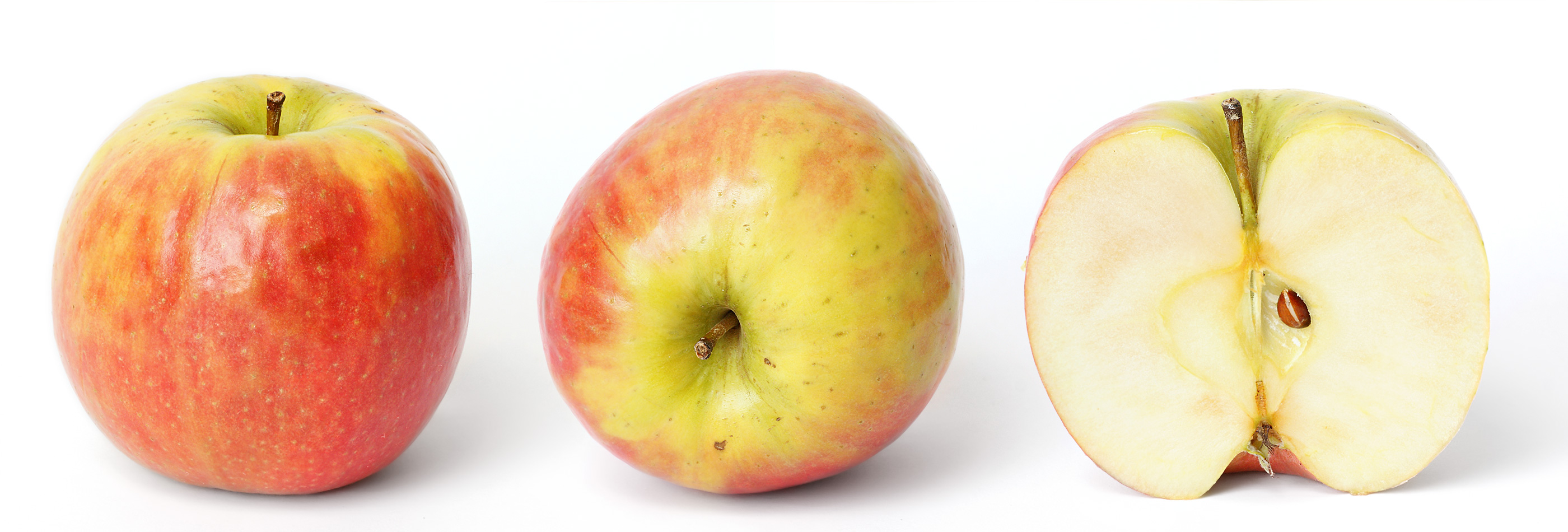
The apple is the pomaceous fruit of the apple tree, species Malus domestica in the rose family. It is one of the most widely cultivated tree fruits, and the most widely known of the many members of genus Malus that are used by humans. Apples grow on small, deciduous trees. The tree originated in Central Asia, where its wild ancestor, Malus sieversii, is still found today. Apples have been grown for thousands of years in Asia and Europe, and were brought to North America by European colonists. Apples have been present in the mythology and religions of many cultures, including Norse, Greek and Christian traditions. In 2010, the fruit's genome was decoded, leading to new understandings of disease control and selective breeding in apple production. There are more than 7,500 known cultivars of apples, resulting in a range of desired characteristics. Different cultivars are bred for various tastes and uses, including in cooking, fresh eating and cider production. Domestic apples are generally propagated by grafting, although wild apples grow readily from seed. Trees are prone to a number of fungal, bacterial and pest problems, which can be controlled by a number of organic and non-organic means. About 69 million tonnes of apples were grown worldwide in 2010, and China produced almost half of this total. The United States is the second-leading producer, with more than 6% of world production. Turkey is third, followed by Italy, India and Poland. Apples are often eaten raw, but can also be found in many prepared foods (especially desserts) and drinks. Many beneficial health effects have been found from eating apples; however, two forms of allergies are seen to various proteins found in the fruit.

The mango is a fleshy stone fruit belonging to the genus Mangifera, consisting of numerous tropical fruiting trees in the flowering plant family Anacardiaceae. The mango is native to South Asia, from where it has been distributed worldwide to become one of the most cultivated fruits in the tropics. While other Mangifera species (e.g. horse mango, M. foetida) are also grown on a more localized basis, Mangifera indica – the 'common mango' or 'Indian mango' – is the only mango tree commonly cultivated in many tropical and subtropical regions. It is the national fruit of India, Philippines and Pakistan. In several cultures, its fruit and leaves are ritually used as floral decorations at weddings, public celebrations and religious ceremonies.

Morus, a genus of flowering plants in the family Moraceae, comprises 10-16 species of deciduous trees commonly known as mulberries growing wild and under cultivation in many temperate world regions.

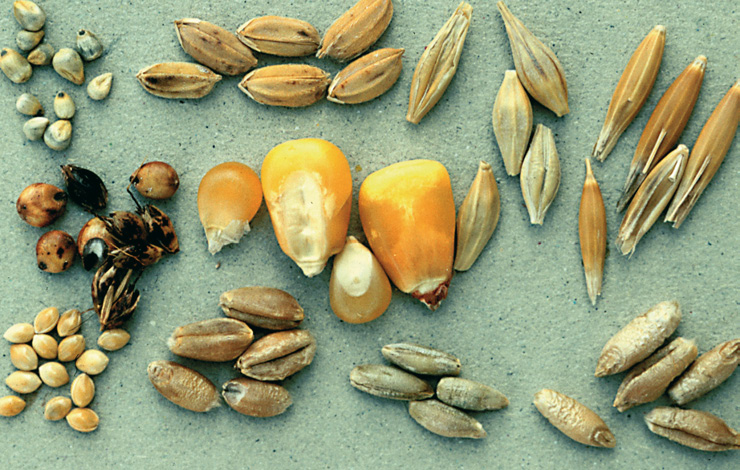
The millets are a group of highly variable small-seeded grasses, widely grown around the world as cereal crops or grains for both human food and fodder. They do not form a taxonomic group, but rather a functional or agronomic one. Millets are important crops in the semi-arid tropics of Asia and Africa, with 97% of millet production in developing countries. The crop is favored due to its productivity and short growing season under dry, high temperature conditions. The most widely grown millet is pearl millet, which is an important crop in India and parts of Africa. Finger millet, proso millet, and foxtail millet are also important crop species. In the developed world, millets are less important. For example, in the United States the only significant crop is proso millet, which is mostly grown for bird seed. While millets are indigenous to many parts of the world, millets most likely had an evolutionary origin in tropical western Africa, as that is where the greatest number of both wild and cultivated forms exist. Millets have been important food staples in human history, particularly in Asia and Africa, and they have been in cultivation in East Asia for the last 10,000 years.

The avocado (Persea americana) is a tree native to Central Mexico, classified in the flowering plant family Lauraceae along with cinnamon, camphor and bay laurel. Avocado or alligator pear also refers to the fruit (botanically a large berry that contains a single seed) of the tree. Avocados are commercially valuable and are cultivated in tropical and Mediterranean climates throughout the world. They have a green-skinned, fleshy body that may be pear-shaped, egg-shaped, or spherical. Commercially, it ripens after harvesting. Trees are partially self-pollinating and often are propagated through grafting to maintain a predictable quality and quantity of the fruit.

Phaseolus vulgaris, the common bean, string bean, field bean, flageolet bean, French bean, garden bean, haricot bean, pop bean, or snap bean, is a herbaceous annual plant grown worldwide for its edible fruit, either the dry seed or the unripe fruit, both of which are referred to as beans. The leaf is also occasionally used as a vegetable, and the straw can be used for fodder. Along with other species of the bean genus (Phaseolus), it is classified botanically into the legume family (Fabaceae), most of whose members acquire nitrogen through an association with rhizobia, a species of nitrogen-fixing bacteria.
Aronia, the chokeberries, are deciduous shrubs in the family Rosaceae, native to eastern North America and most commonly found in wet woods and swamps. The genus is usually considered to contain two or three species, one of which is naturalized in Europe. A fourth form that has long been cultivated under the name Aronia is now considered to be an intergeneric hybrid, Sorbaronia mitschurinii.
An apricot is a fruit or the tree that bears the fruit. Usually, an apricot tree is from the tree species Prunus armeniaca, but the species Prunus brigantina, Prunus mandshurica, Prunus mume, and Prunus sibirica are closely related, have similar fruit, and are also called apricots.
Prunus avium, commonly called wild cherry, sweet cherry, bird cherry, or gean, is a species of cherry native to Europe, western Turkey, northwestern Africa, and western Asia, from the British Isles south to Morocco and Tunisia, north to the Trondheimsfjord region in Norway and east to the Caucasus and northern Iran, with a small disjunct population in the western Himalaya. This species, in the rose family (Rosaceae), has a diploid set of sixteen chromosomes (2n=16). All parts of the plant except for the ripe fruit are slightly toxic, containing cyanogenic glycosides.

The almond (Prunus dulcis, syn. Prunus amygdalus, Amygdalus communis, Amygdalus dulcis) (or badam in Indian English, from Persian: بادام ) is a species of tree native to the Middle East and South Asia. "Almond" is also the name of the edible and widely cultivated seed of this tree. Within the genus Prunus, it is classified with the peach in the subgenus Amygdalus, distinguished from the other subgenera by the corrugated shell (endocarp) surrounding the seed.
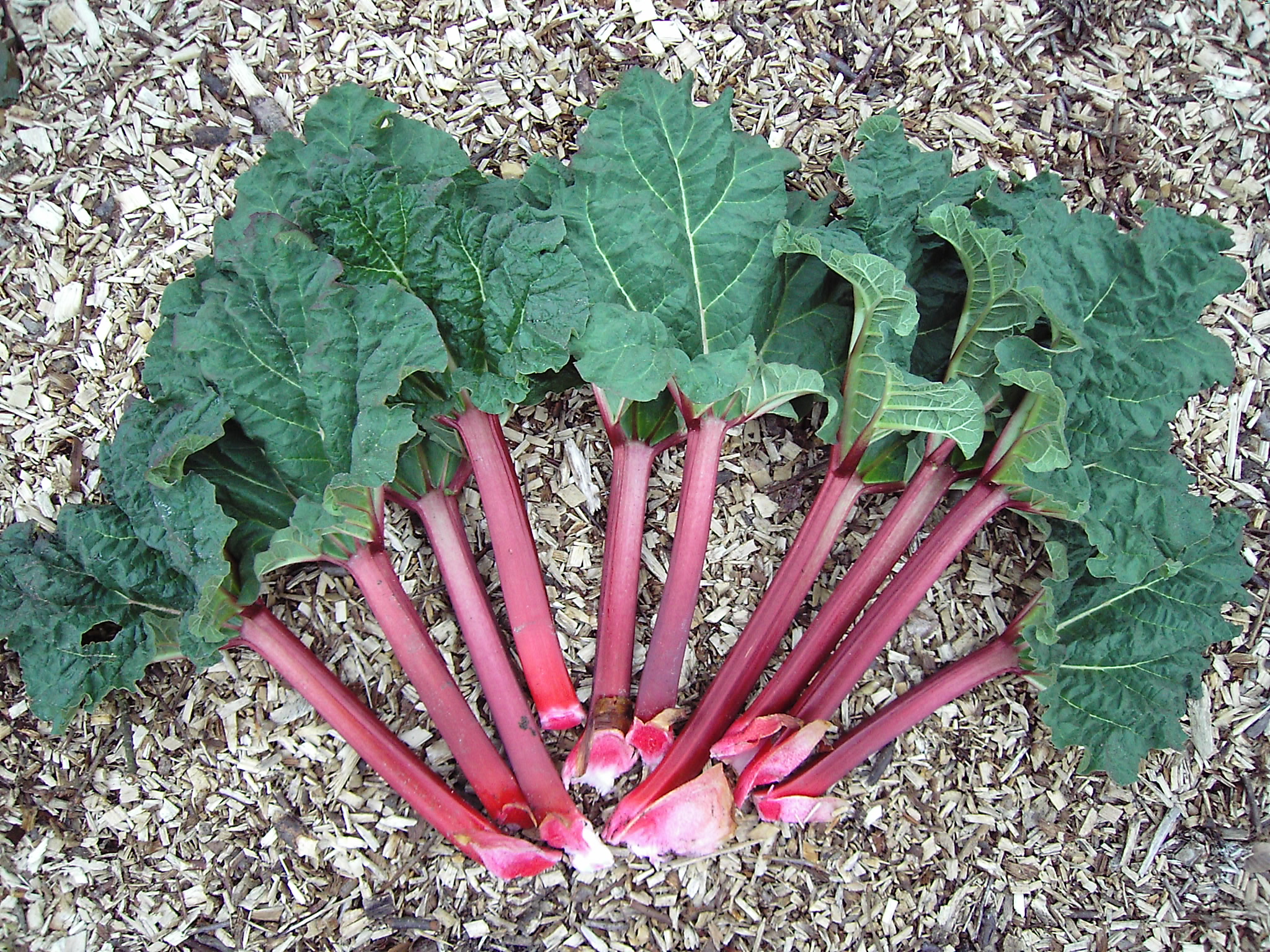


Asparagus officinalis is a spring vegetable, a flowering perennial plant species in the genus Asparagus. It was once classified in the lily family, like its Allium cousins, onions and garlic, but the Liliaceae have been split and the onion-like plants are now in the family Amaryllidaceae and asparagus in the Asparagaceae. Asparagus officinalis is native to most of Europe, northern Africa and western Asia, and is widely cultivated as a vegetable crop.

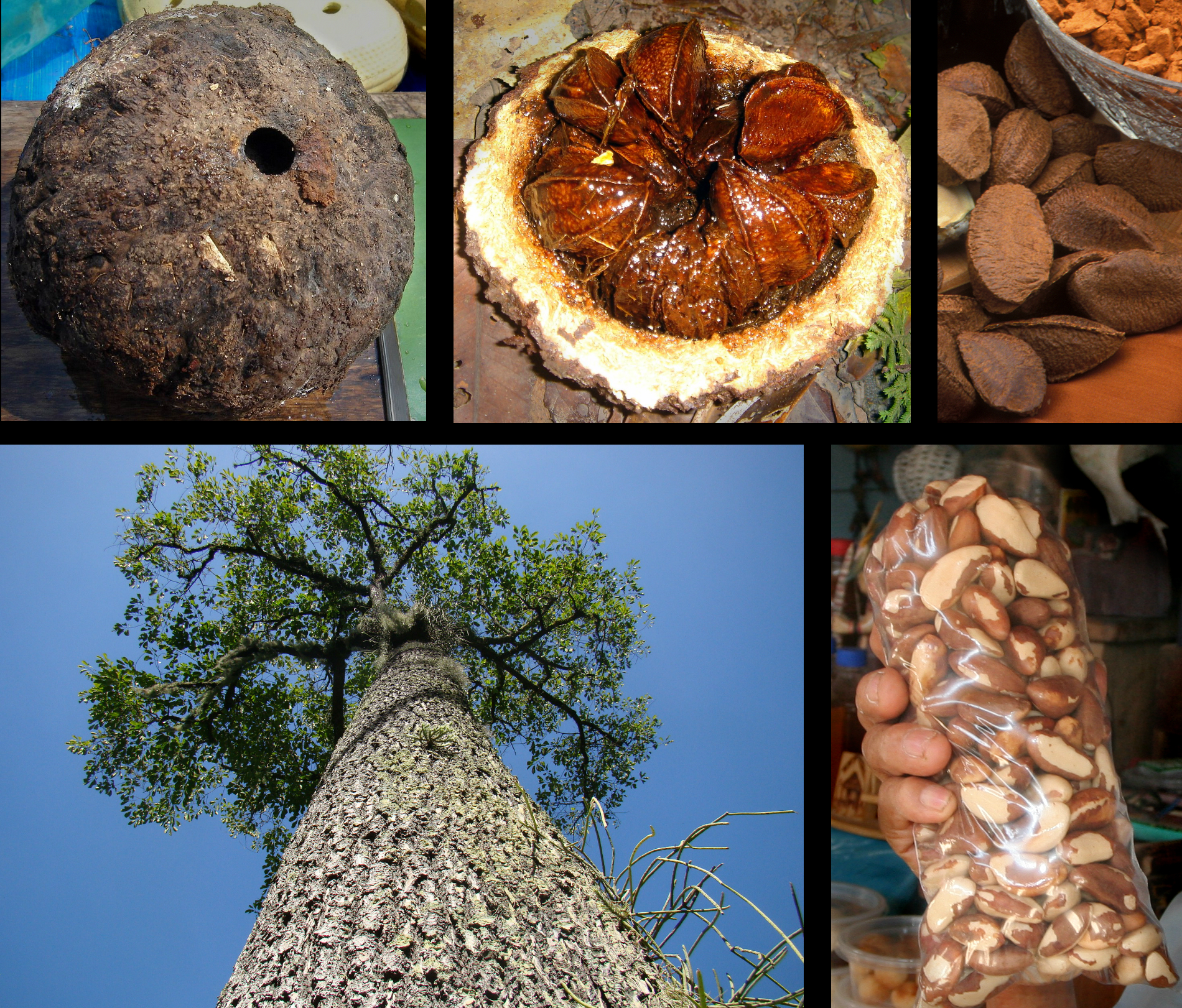
The Brazil nut (Bertholletia excelsa) is a South American tree in the family Lecythidaceae, and also the name of the tree's commercially harvested edible seed.
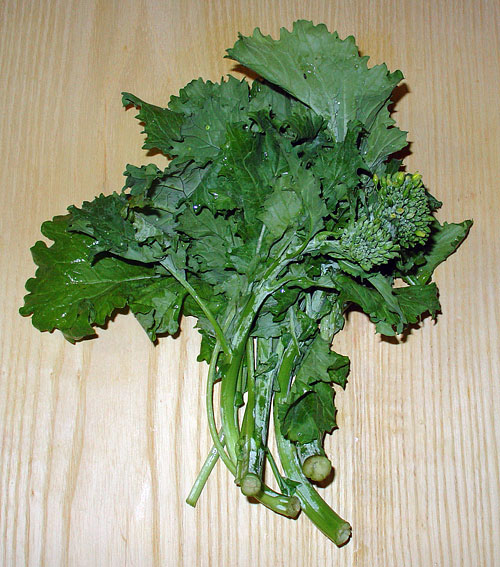
Rapini (commonly marketed in English as broccoli raab or rabe) is a green cruciferous vegetable. The edible parts are the leaves, buds, and stems. The buds somewhat resemble broccoli, but do not form a large head. It is known for its slightly bitter taste, and is particularly associated with Italian, Galician, and Portuguese cuisines. Within Italian cuisine, the plant is heavily associated with Southern Italian cuisine (especially Neapolitan cuisine and the cuisines of Campania and Puglia) and Roman cuisine.

The Brussels sprout is a cultivar in the Gemmifera group of cabbages, grown for its edible buds. The leafy green vegetables are typically 2.5–4 cm (0.98–1.6 in) in diameter and look like miniature cabbages. The Brussels sprout has long been popular in Brussels, Belgium, and may have originated there.
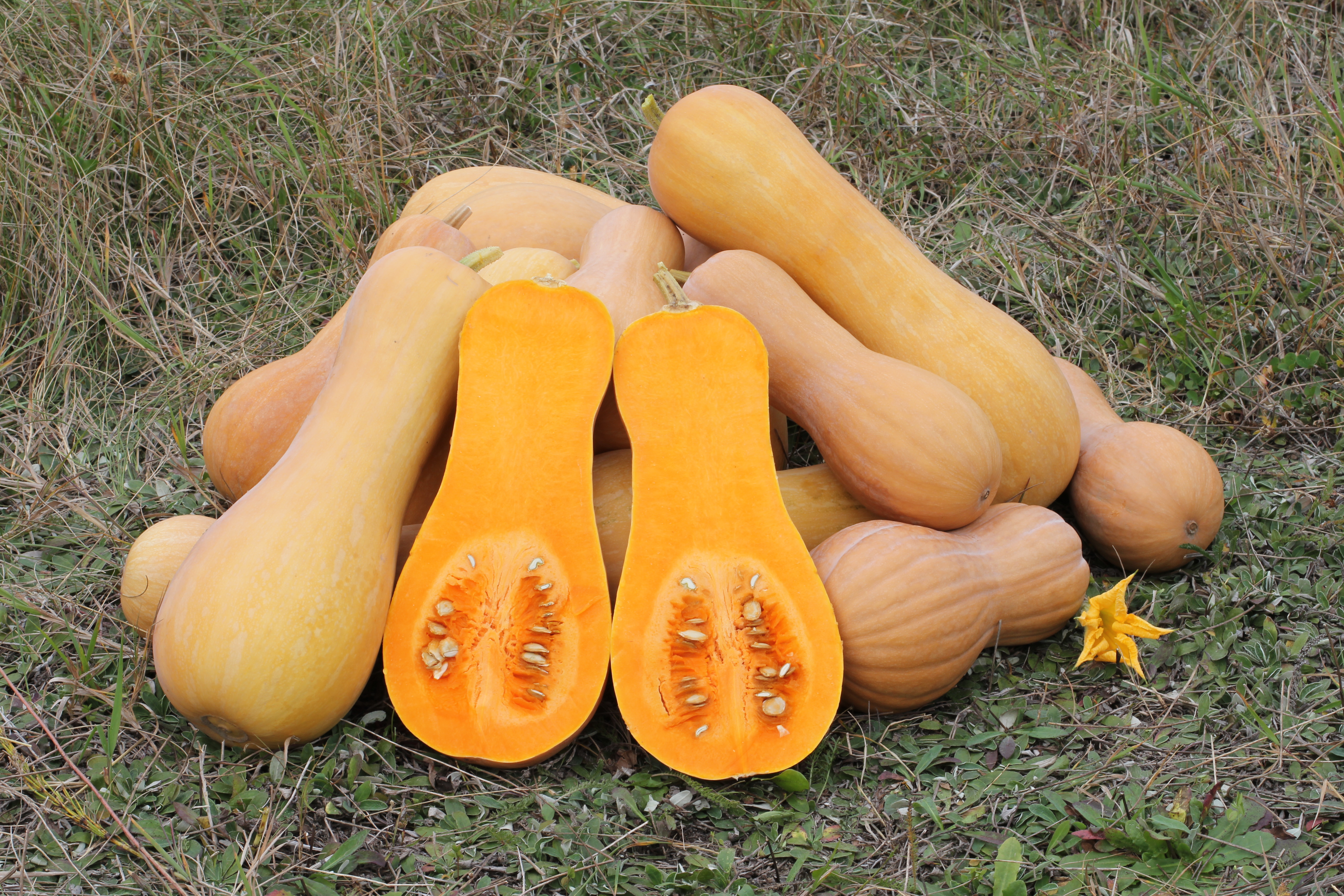
Butternut squash, also known in Australia and New Zealand as butternut pumpkin, is a type of winter squash. It has a sweet, nutty taste similar to that of a pumpkin. It has yellow skin and orange fleshy pulp. When ripe, it turns increasingly deep orange, and becomes sweeter and richer. It grows on a vine. The most popular variety, the Waltham Butternut, originated in Waltham, Massachusetts, where it was developed at the Waltham Experiment Station by Robert E. Young. Dorothy Leggett, widow of Charles Leggett, claims that the Waltham Butternut squash was developed by her husband, Charles Leggett, in Stow, Massachusetts and then subsequently introduced by him to the researchers at the Waltham Field Station.
The cherimoya, also spelled chirimoya, is the fruit of the species Annona cherimola, which generally is thought to be native to the Andes, although an alternative hypothesis proposes Central America as the origin of cherimoya because many of its wild relatives occur in this area. Today cherimoya is grown throughout South Asia, Central America, South America, Southern California and southern Andalucia [La Axarquia].

Chervil (Anthriscus cerefolium), sometimes called garden chervil to distinguish it from similar plants also called chervil, or French parsley, is a delicate annual herb related to parsley. It is commonly used to season mild-flavoured dishes and is a constituent of the French herb mixture fines herbes.

Broccoli is an edible green plant in the cabbage family, whose large flowering head is used as a vegetable. The word broccoli comes from the Italian plural of broccolo, which means "the flowering top of a cabbage", and is the diminutive form of brocco, meaning "small nail" or "sprout". Broccoli is often boiled or steamed but may be eaten raw.
<i>Myoxocephalus</i> is a genus of fish in the sculpin family Cottidae. Most species live in marine waters, but there are also three freshwater species, including two that occupy northern lakes (<i>Myoxocephalus quadricornis</i> and <i>M. thompsonii</i>). The name is derived from Greek <i>myos</i> (muscle) and <i>kephale</i> (head). (Wikipedia)
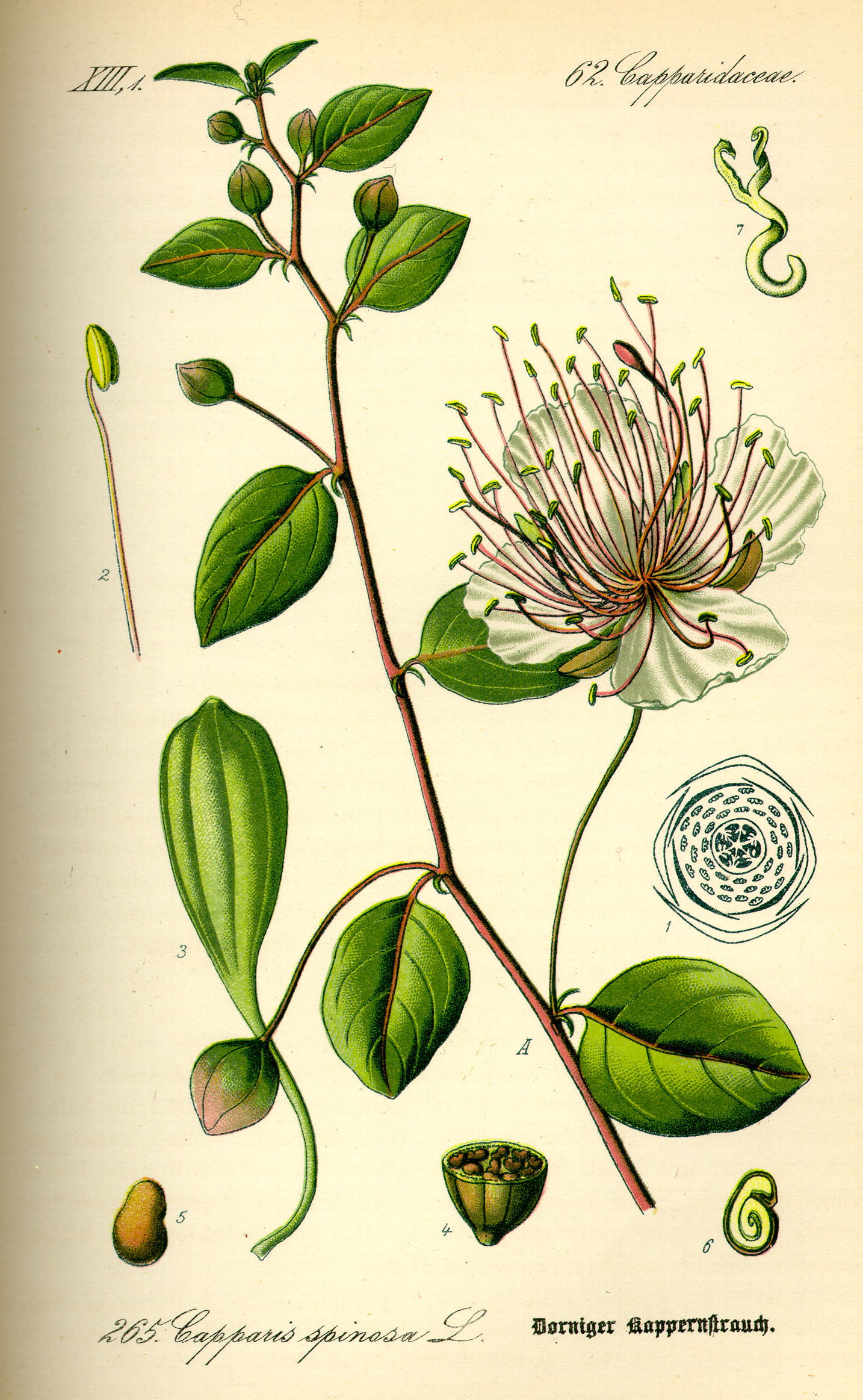
Capparis spinosa, the caper bush, also called Flinders rose, is a perennial winter-deciduous plant that bears rounded, fleshy leaves and large white to pinkish-white flowers. The plant is best known for the edible flower buds (capers), often used as a seasoning, and the fruit (caper berry), both of which are usually consumed pickled. Other species of Capparis are also picked along with C. spinosa for their buds or fruits. Other parts of Capparis plants are used in the manufacture of medicines and cosmetics.
Pinus edulis, the Colorado pinyon, two-needle pinyon, or piñon pine, is a pine in the pinyon pine group whose ancestor was a member of the Madro-Tertiary Geoflora (a group of drought resistant trees) and is native to the United States.
The roselle (Hibiscus sabdariffa) is a species of Hibiscus native to the west Africa, used for the production of bast fibre and as an infusion. It is an annual or perennial herb or woody-based subshrub, growing to 2?2.5 m (7?8 ft) tall. The leaves are deeply three- to five-lobed, 8?15 cm (3?6 in) long, arranged alternately on the stems.
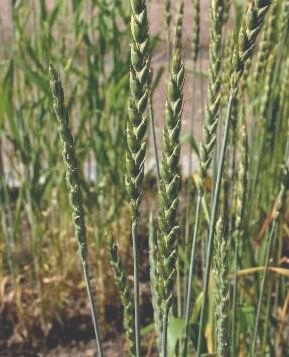
Spelt, also known as dinkel wheat, or hulled wheat, is a species of wheat cultivated since 5000 BCE. Spelt was an important staple in parts of Europe from the Bronze Age to medieval times; it now survives as a relict crop in Central Europe and northern Spain and has found a new market as a health food. Spelt is sometimes considered a subspecies of the closely related species common wheat (T. aestivum), in which case its botanical name is considered to be Triticum aestivum subsp. spelta. It is a hexaploid wheat, which means it has six sets of chromosomes.
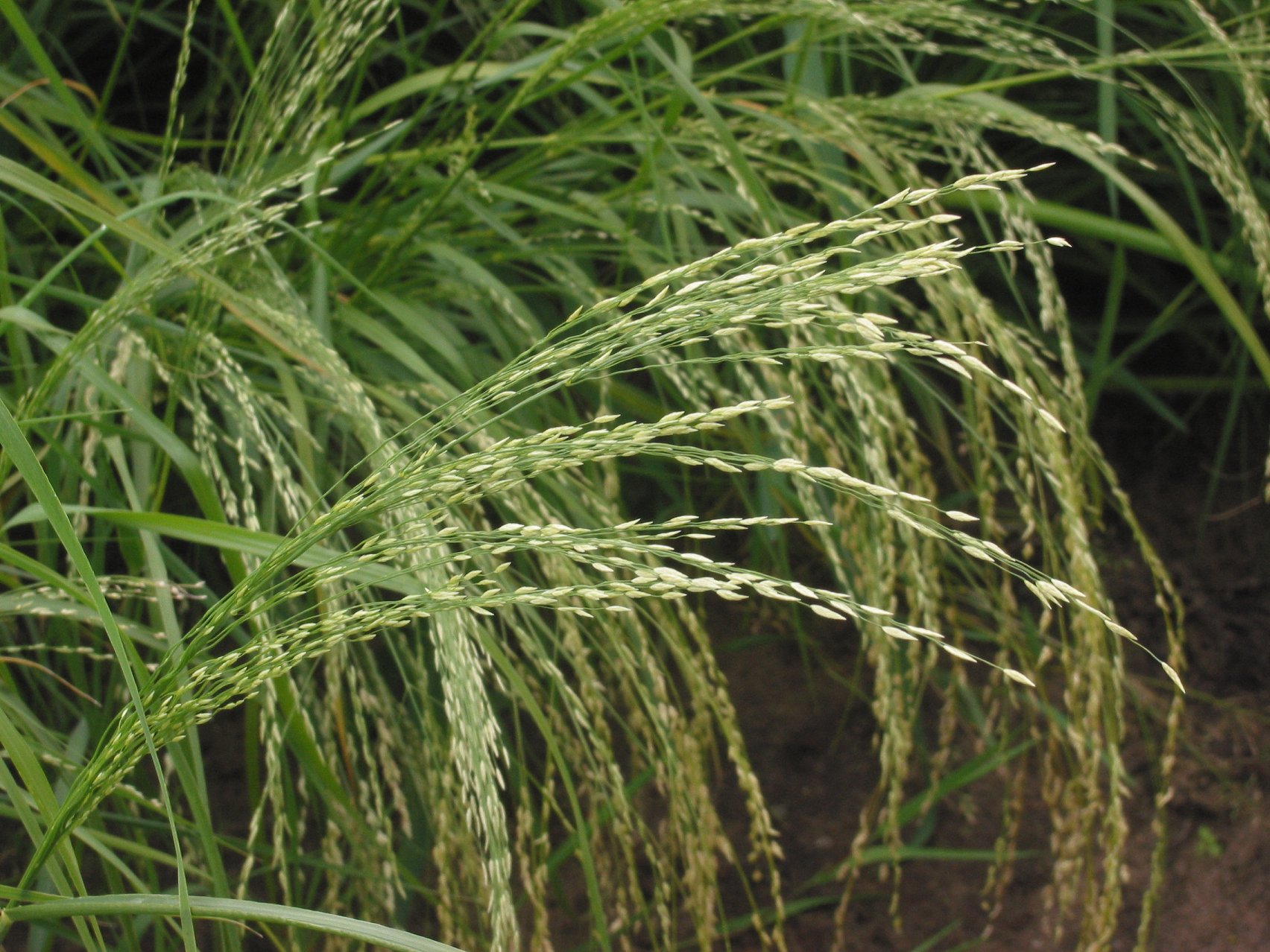
Eragrostis tef, teff, Williams lovegrass, annual bunch grass, taf (Tigrinya: ጣፍ? ṭaff; Amharic: ጤፍ? ṭēff) and xaafii (Oromo)), is an annual grass, a species of lovegrass native to the northern Ethiopian Highlands and Eritrean Highlands of the Horn of Africa. The word "tef" is connected by folk etymology to the Ethio-Semitic root "\tff\", which means "lost" (because of the small size of the grain).
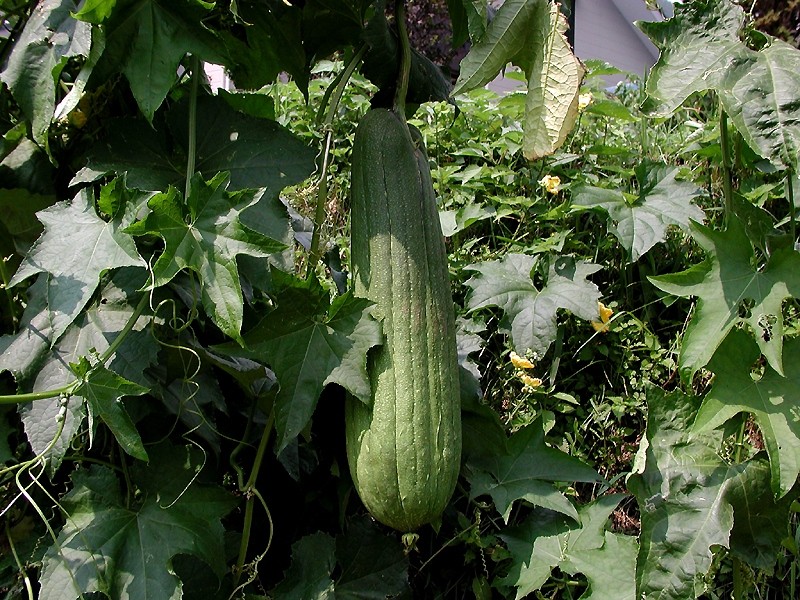
Luffa is a genus of tropical and subtropical vines classified in the cucumber family. In everyday non-technical usage the name, also spelled loofah, usually refers to the fruit of the two species Luffa aegyptiaca and Luffa acutangula. The fruit of these species is cultivated and eaten as a vegetable. The fruit must be harvested at a young stage of development to be edible. The vegetable is popular in China and southeast Asia. When the fruit is fully ripened it is very fibrous. The fully developed fruit is the source of the loofah scrubbing sponge which is used in bathrooms and kitchens as a sponge tool. Luffa are not frost-hardy, and require 150 to 200 warm days to mature.

Wild rice (also called Canada rice, Indian rice, and water oats) are four species of grasses forming the genus Zizania, and the grain which can be harvested from them. The grain was historically gathered and eaten in both North America and China. While it is now a delicacy in North America, the grain is eaten less in China, where the plant's stem is used as a vegetable.

Cymbopogon citratus, commonly known as lemon grass or oil grass, is a tropical plant from Southeast Asia. Cymbopogon citratus is abundant in the Philippines and Indonesia where it is known as tanglad or sereh. Its fragrant leaves are traditionally used in cooking, particularly for "lechon" and roasted chicken. The dried leaves can also be brewed into a tea, either alone or as a flavoring in other teas, imparting a flavor reminiscent of lemon juice but with a mild sweetness without significant sourness or tartness. [Wikipedia]

The globe artichoke (Cynara cardunculus var. scolymus) is a cultivated variety of a species of thistle. It is cultivated as a food. The edible matter is buds that form within the flower heads before the flowers come into bloom. The buds go away or change to a coarse, barely edible form when the flower blooms. The uncultivated or wild variety of the species is called a cardoon. It is a perennial plant native to the Mediterranean region.

The horned melon, also called African horned cucumber or melon, jelly melon, hedged gourd, English tomato, melano, kiwano, or cherie, is an annual vine in the cucumber and melon family. It is considered to be the ancestor of the other cultivated melons. Often known by its nickname in the southeastern United States, blowfish fruit, it is grown for its fruit, which looks like an oval melon with horn-like spines. The fruit of this plant is edible, but it is used as often for decoration as for food. When ripe, it has a yellow-orange skin and a lime green jelly-like flesh with a tart taste, and texture similar to a cucumber. The horned melon is native to Africa, and it is now grown in California, Chile, Australia and New Zealand as well. [Wikipedia]

The ucuhuba tree grows in South America. Ucuhuba seed oil is the oil extracted from its seed. [Wikipedia]
The common fig (Ficus carica) is a species of flowering plant in the genus Ficus, from the family Moraceae, known as the common fig (or just the fig), انجیر (Urdu), anjeer (Hindi), and dumur (Bengali). It is the source of the fruit also called the fig, and as such is an important crop in those areas where it is grown commercially. Native to the Middle East and western Asia, it has been sought out and cultivated by man since ancient times, and is now widely grown throughout the temperate world, both for its fruit and as an ornamental plant. Figs can be eaten fresh or dried, and used in jam-making.
Thelesperma is a genus of flowering plants within the sunflower family used by a number of the southwestern Native American tribes as a tea, as such it is sometimes called "Navajo Tea," "Hopi Tea," etc. Greenthread is a common name for plants in this genus. Thelesperma species are native to western North America, South America, and Mexico. [Wikipedia]
The soybean (US) or soya bean (UK) (Glycine max) is a species of legume native to East Asia, widely grown for its edible bean which has numerous uses. The plant is classed as an oilseed rather than a pulse by the UN Food and Agricultural Organization (FAO). Fat-free (defatted) soybean meal is a significant and cheap source of protein for animal feeds and many prepackaged meals; soy vegetable oil is another product of processing the soybean crop. For example, soybean products such as textured vegetable protein (TVP) are ingredients in many meat and dairy analogues. Soybeans produce significantly more protein per acre than most other uses of land. Traditional nonfermented food uses of soybeans include soy milk, and from the latter tofu and tofu skin. Fermented foods include soy sauce, fermented bean paste, natto, and tempeh, among others. The oil is used in many industrial applications. The main producers of soy are the United States (35%), Brazil (27%), Argentina (19%), China (6%) and India (4%). The beans contain significant amounts of phytic acid, alpha-linolenic acid, and isoflavones.

Yellow pond-lily is an aquatic plant of the family Nymphaeaceae, native to temperate regions of Europe, northwest Africa, and western Asia. This aquatic plant grows in shallow water and wetlands, with its roots in the sediment and its leaves floating on the water surface; it can grow in water up to 5 metres deep. It is usually found in shallower water than the white water lily, and often in beaver ponds. [Wikipedia]
Barley (Hordeum vulgare L. ), a member of the grass family, is a major cereal grain. Important uses include use as animal fodder, as a source of fermentable material for beer and certain distilled beverages, and as a component of various health foods. It is used in soups and stews, and in barley bread of various cultures. Barley grains are commonly made into malt in a traditional and ancient method of preparation. In a 2007 ranking of cereal crops in the world, barley was fourth both in terms of quantity produced (136 million tons) and in area of cultivation (566,000 km²).

Brassica is a genus of plants in the mustard family. The members of the genus are collectively known as cruciferous vegetables, cabbages, or mustards. Crops from this genus are sometimes called cole crops, which is derived from the Latin caulis, meaning stem or cabbage. Common types of brassica used for food include cabbage, cauliflower, broccoli, Brussels sprouts, and some types of seeds. The genus is known for containing many important agricultural and horticultural crops. It also includes a number of weeds, both wild taxa and escapees from cultivation. It includes over 30 wild species and hybrids, and numerous additional cultivars and hybrids of cultivated origin. Most are annuals or biennials, but some are small shrubs. Due to their agricultural importance, Brassica plants have been the subject of much scientific interest. Six particularly important species (Brassica carinata, B. juncea, B. oleracea, B. napus, B. nigra and B. rapa) are derived by combining the chromosomes from three earlier species, as described by the Triangle of U theory. The genus is native in the wild in western Europe, the Mediterranean and temperate regions of Asia. In addition to the cultivated species, which are grown worldwide, many of the wild species grow as weeds, especially in North America, South America, and Australia. A dislike for cabbage, broccoli et. al. can be due to the Brassica species containing a chemical similar to phenylthiocarbamide (PTC), a chemical which is either bitter or tasteless depending on one's genetic makeup.

Pattypan squash is a variety of summer squash (<i>Cucurbita pepo</i>) notable for its small size, round and shallow shape, and scalloped edges, somewhat resembling a small toy top, or flying saucer. The name "pattypan" derives from "a pan for baking a patty". Its French name, <i>pâtisson</i>, derives from a Provençal word for a cake made in a scalloped mould. The pattypan squash is also known as scallop squash, sunburst squash, granny squash, custard marrow, custard squash, cibleme in Cajun French, white squash, scallopini or simply "squash" in Australian English, or schwoughksie squash (pronounced "shwooxie squash"), especially if grown in the Poughkeepsie, New York, area. (Wikipedia)

Black tea is a type of tea that is more oxidized than oolong, green, and white teas.Black tea is generally stronger in flavour than other teas.It is made from leaves of the shrub (or small tree) Camellia sinensis.In China, where black tea was discovered,the beverage is called "red tea" due to the color of the oxidized leaves when processed appropriately.Plain black tea without sweeteners or additives contains caffeine, but negligible quantities of calories or nutrients.
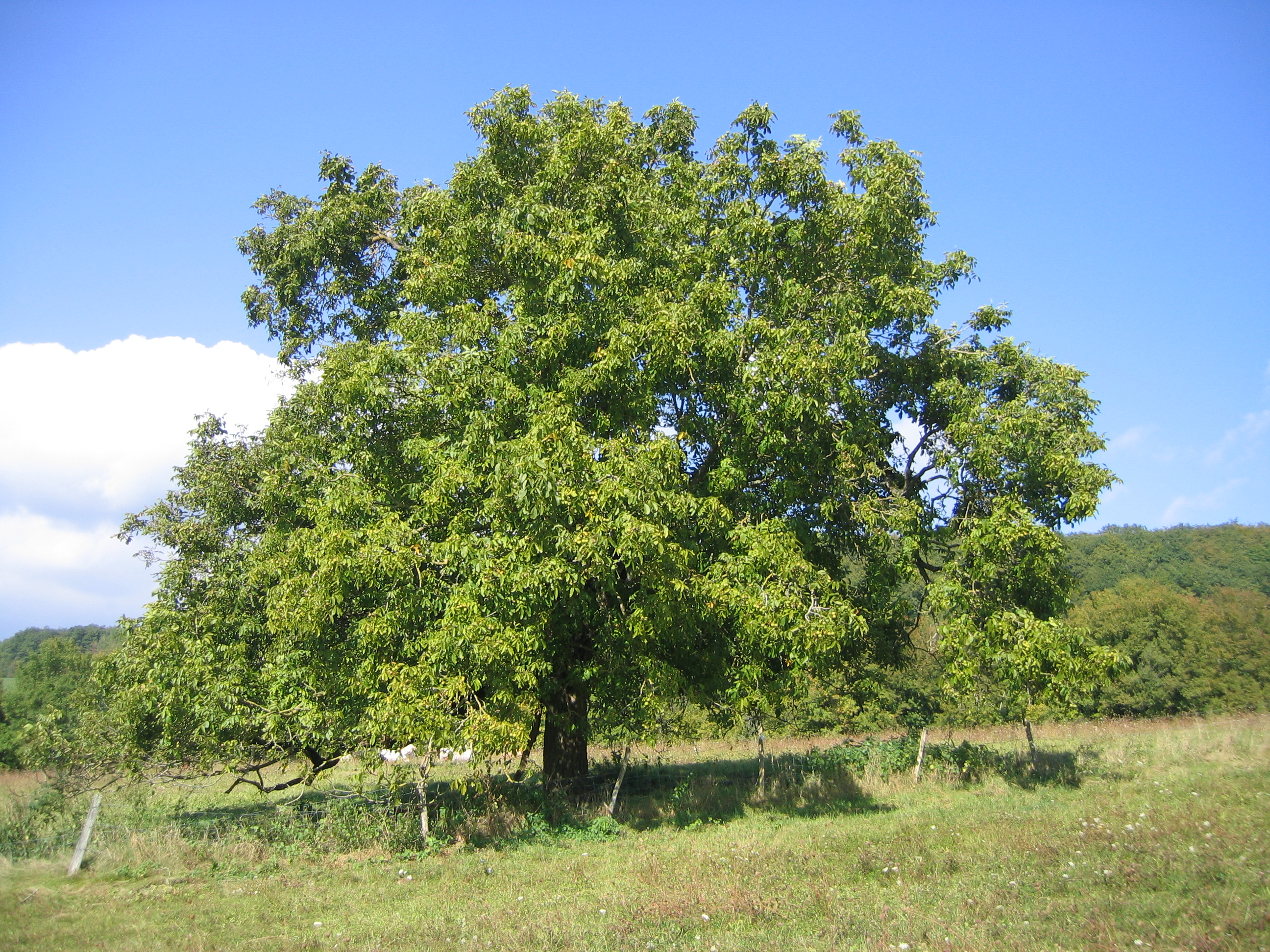
Juglans regia, the Persian walnut, English walnut, or especially in Great Britain, common walnut, is an Old World walnut tree species native to the region stretching from the Balkans eastward to the Himalayas and southwest China. The largest forests are in Kyrgyzstan, where trees occur in extensive, nearly pure walnut forests at 1,000–2,000 m altitude—notably at Arslanbob in Jalal-Abad Province.
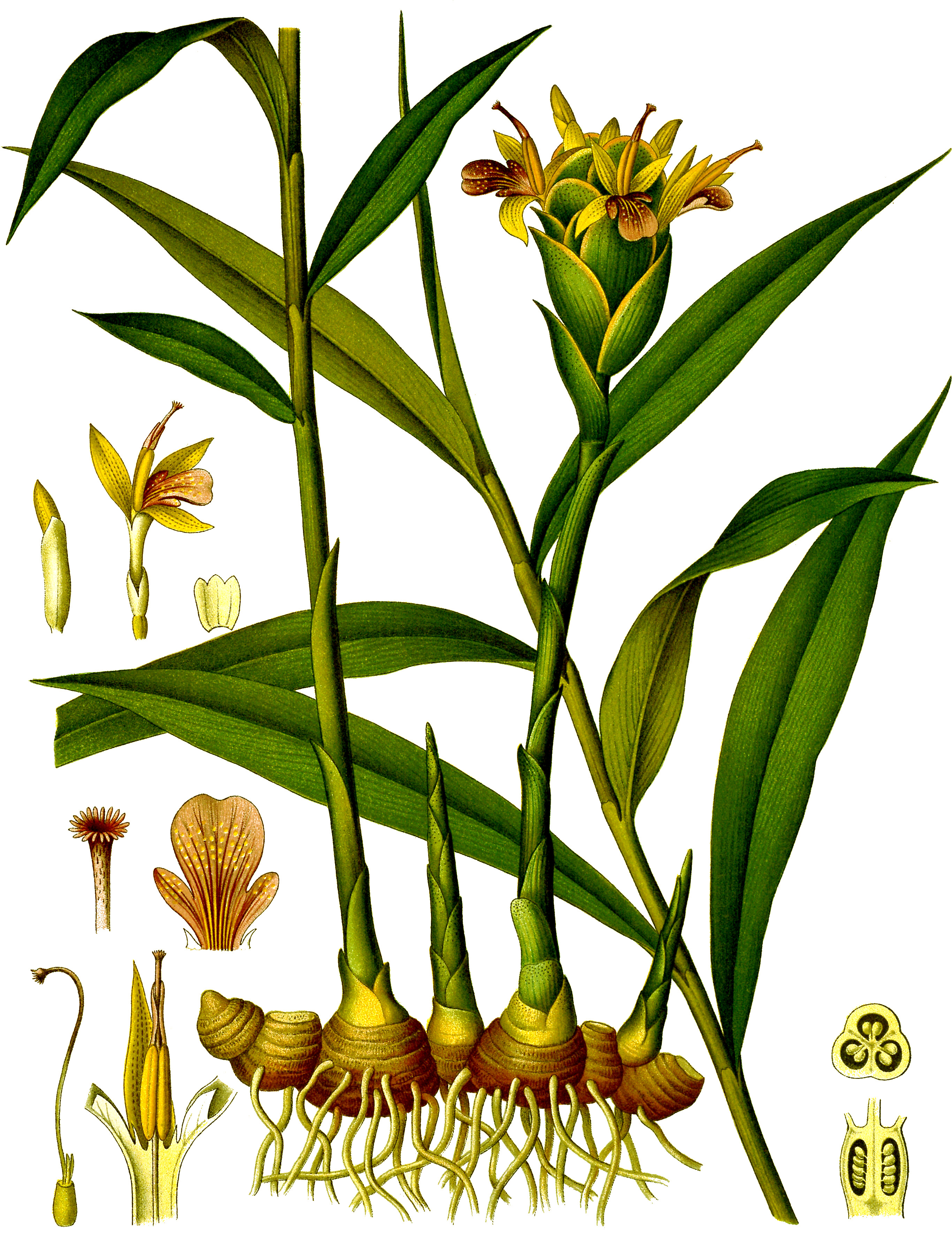
fruit of Vaccinium ovatum

fruit of Rubus occidentalis

Species of flowering plant
Source
Compound data linked to PubChem CID 91470, public domain via NCBI. Culinary context + ingredient mappings are maintained by Foodgeist's enrichment fleet and continuously re-matched by the pairings engine. PubChem CID 91470