PubChem CID · CC0
9-(beta-D-Ribofuranosyl)zeatin
Foods containing this compound


The mango is a fleshy stone fruit belonging to the genus Mangifera, consisting of numerous tropical fruiting trees in the flowering plant family Anacardiaceae. The mango is native to South Asia, from where it has been distributed worldwide to become one of the most cultivated fruits in the tropics. While other Mangifera species (e.g. horse mango, M. foetida) are also grown on a more localized basis, Mangifera indica – the 'common mango' or 'Indian mango' – is the only mango tree commonly cultivated in many tropical and subtropical regions. It is the national fruit of India, Philippines and Pakistan. In several cultures, its fruit and leaves are ritually used as floral decorations at weddings, public celebrations and religious ceremonies.
Rice is the seed of the monocot plants Oryza sativa (Asian rice) or Oryza glaberrima (African rice). As a cereal grain, it is the most widely consumed staple food for a large part of the world's human population, especially in Asia and the West Indies. It is the grain with the second-highest worldwide production, after maize (corn), according to data for 2010. Since a large portion of maize crops are grown for purposes other than human consumption, rice is the most important grain with regard to human nutrition and caloric intake, providing more than one fifth of the calories consumed worldwide by the human species. Genetic evidence has shown that rice originates from a single domestication 8,200–13,500 years ago, in the Pearl River valley region of China. Previously, archaeological evidence had suggested that rice was domesticated in the Yangtze River valley region in China. From East Asia, rice spread to Southeast and South Asia. Rice was introduced to Europe through Western Asia, and to the Americas through European colonization. There are many varieties of rice and culinary preferences tend to vary regionally. In the Far East, there is a preference for softer and stickier varieties. Because of its importance as a staple food, rice has considerable cultural importance. Rice is often directly associated with prosperity and fertility. Therefore, there is the custom of throwing rice at weddings. Rice is normally grown as an annual plant, although in tropical areas it can survive as a perennial and can produce a ratoon crop for up to 30 years. The rice plant can grow to 1–1.8 m tall, occasionally more depending on the variety and soil fertility. It has long, slender leaves 50–100 cm long and 2–2.5 cm broad. The small wind-pollinated flowers are produced in a branched arching to pendulous inflorescence 30–50 cm long. The edible seed is a grain 5–12 mm long and 2–3 mm thick. Rice cultivation is well-suited to countries and regions with low labor costs and high rainfall, as it is labor-intensive to cultivate and requires ample water. Rice can be grown practically anywhere, even on a steep hill or mountain. Although its parent species are native to Asia and certain parts of Africa, centuries of trade and exportation have made it commonplace in many cultures worldwide. The traditional method for cultivating rice is flooding the fields while, or after, setting the young seedlings. This simple method requires sound planning and servicing of the water damming and channeling, but reduces the growth of less robust weed and pest plants that have no submerged growth state, and deters vermin. While flooding is not mandatory for the cultivation of rice, all other methods of irrigation require higher effort in weed and pest control during growth periods and a different approach for fertilizing the soil. The name wild rice is usually used for species of the grass genus Zizania, both wild and domesticated, although the term may also be used for primitive or uncultivated varieties of Oryza.

Phaseolus vulgaris, the common bean, string bean, field bean, flageolet bean, French bean, garden bean, haricot bean, pop bean, or snap bean, is a herbaceous annual plant grown worldwide for its edible fruit, either the dry seed or the unripe fruit, both of which are referred to as beans. The leaf is also occasionally used as a vegetable, and the straw can be used for fodder. Along with other species of the bean genus (Phaseolus), it is classified botanically into the legume family (Fabaceae), most of whose members acquire nitrogen through an association with rhizobia, a species of nitrogen-fixing bacteria.
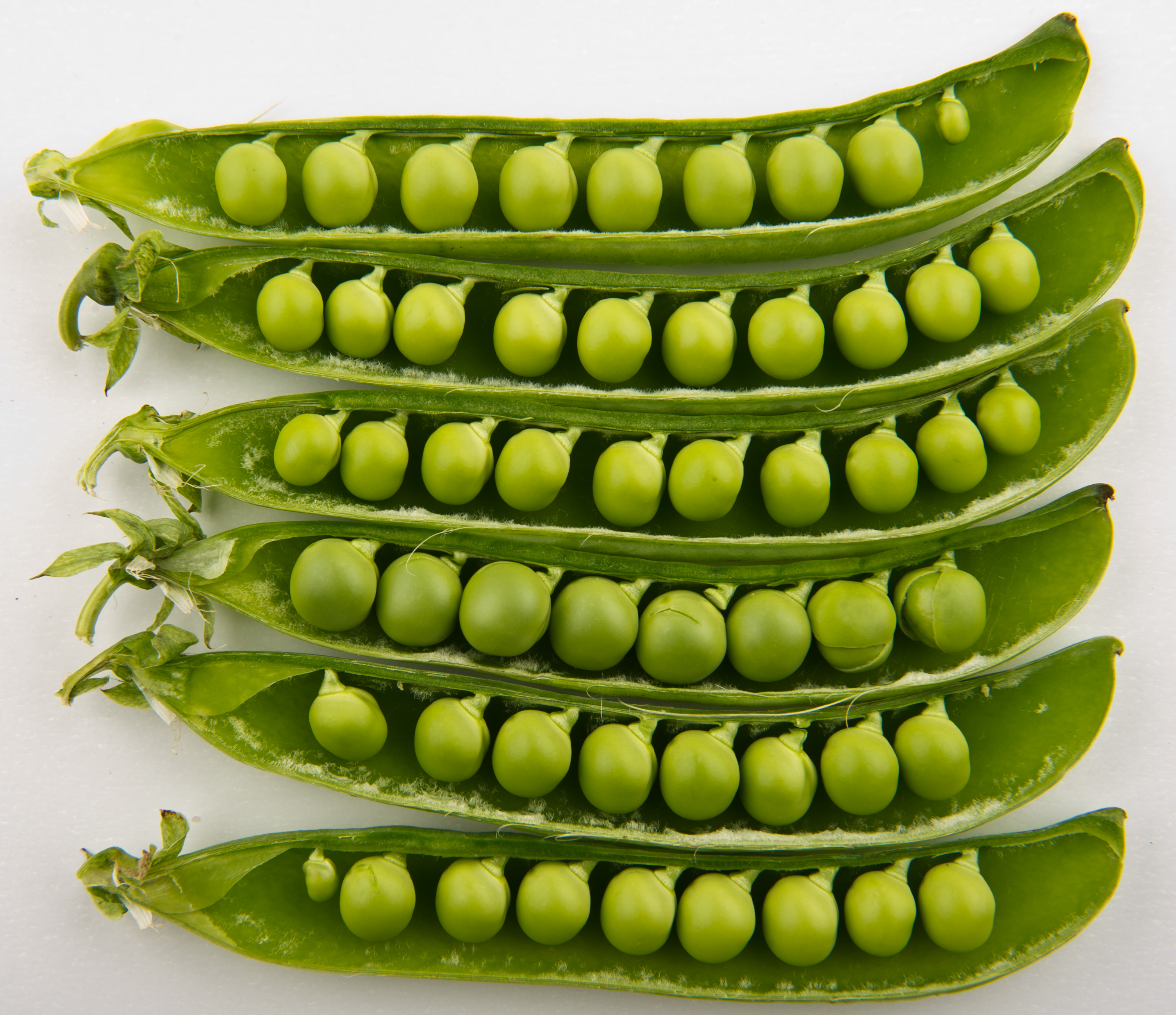
The pea is most commonly the small spherical seed or the seed-pod of the pod fruit Pisum sativum. Each pod contains several peas. Peapods are botanically a fruit, since they contain seeds developed from the ovary of a (pea) flower. However, peas are considered to be a vegetable in cooking. The name is also used to describe other edible seeds from the Fabaceae such as the pigeon pea (Cajanus cajan), the cowpea (Vigna unguiculata), and the seeds from several species of Lathyrus. P. sativum is an annual plant, with a life cycle of one year. It is a cool season crop grown in many parts of the world; planting can take place from winter to early summer depending on location. The average pea weighs between 0.1 and 0.36 grams. The immature peas (and in snow peas the tender pod as well) are used as a vegetable, fresh, frozen or canned; varieties of the species typically called field peas are grown to produce dry peas like the split pea shelled from the matured pod. These are the basis of pease porridge and pea soup, staples of medieval cuisine; in Europe, consuming fresh immature green peas was an innovation of Early Modern cuisine. The wild pea is restricted to the Mediterranean basin and the Near East. The earliest archaeological finds of peas date from the neolithic era of current Syria, Turkey and Jordan. In Egypt, early finds date from ca. 4800–4400 BC in the Nile delta area, and from ca. 3800–3600 BC in Upper Egypt. The pea was also present in Georgia in the 5th millennium BC. Farther east, the finds are younger. Peas were present in Afghanistan ca. 2000 BC, in Harappa, Pakistan, and in northwest India in 2250–1750 BC. In the second half of the 2nd millennium BC, this pulse crop appears in the Gangetic basin and southern India.
Prunus cerasus (sour cherry, tart cherry or wild cherry) is a species of Prunus in the subgenus Cerasus (cherries), native to much of Europe and southwest Asia. It is closely related to the sweet cherry (Prunus avium), but has a fruit that is more acidic, has greater nutritional benefits, and may have greater medicinal effects. Dried sour cherries are used in cooking including soups, pork dishes, cakes, tarts, and pies. Sour cherries or sour cherry syrup are used in liqueurs and drinks. In Turkey, Greece and Cyprus, sour cherries are especially prized for making spoon sweets by slowly boiling pitted sour cherries and sugar; the syrup thereof is used for vişne şurubu or vyssináda, a beverage made by diluting the syrup with ice-cold water. A particular use of sour cherries is in the production of kriek lambic, a cherry-flavored variety of a naturally fermented beer made in Belgium [Wikipedia].

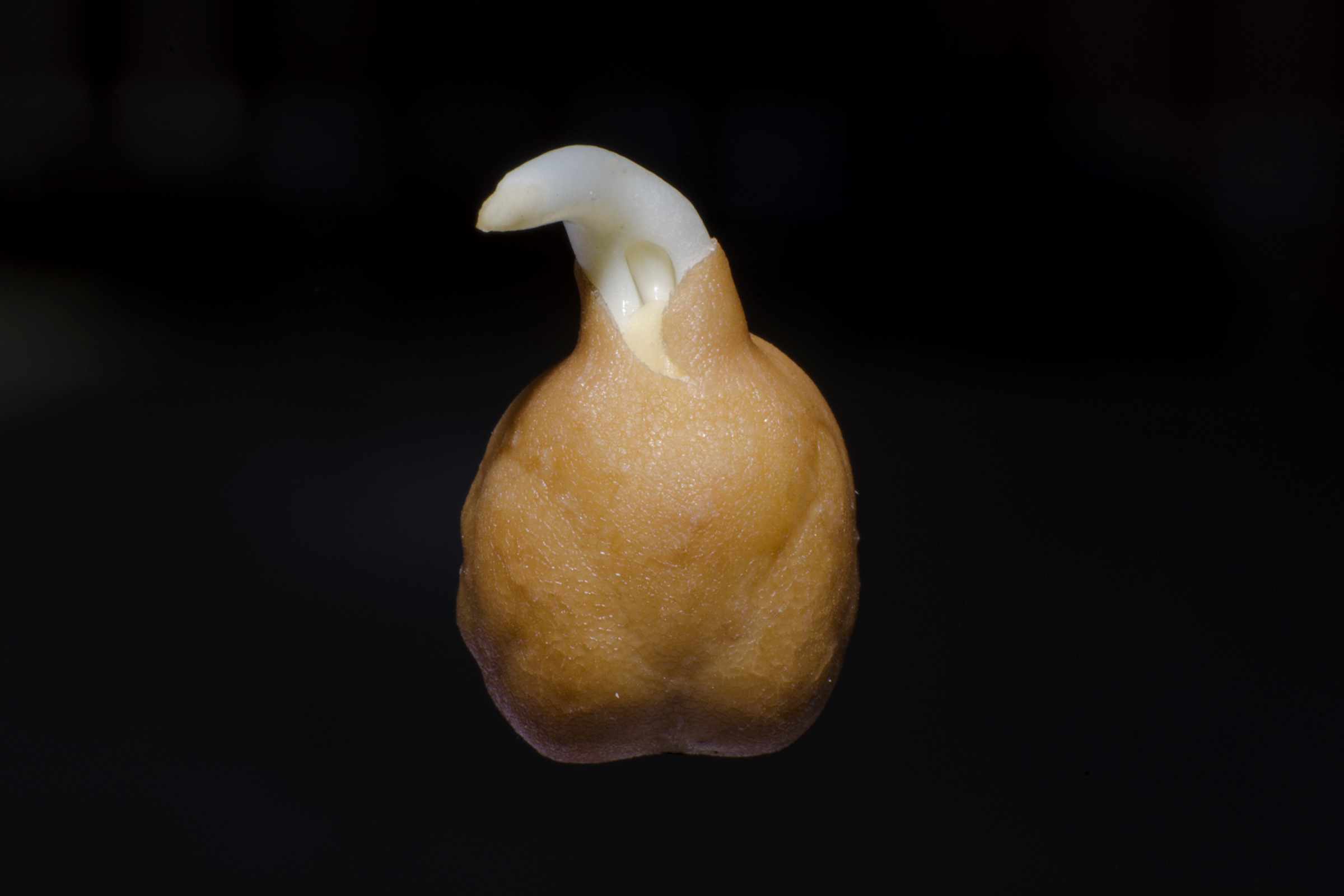

The beet (Beta vulgaris) is a plant in the Chenopodiaceae family which is now included in Amaranthaceae family. It is best known in its numerous cultivated varieties, the most well known of which is the root vegetable known as the beetroot or garden beet. However, other cultivated varieties include the leaf vegetable chard, as well as the root vegetable sugar beet, which is important in the production of table sugar, and mangelwurzel, which is a fodder crop. Three subspecies are typically recognised. All cultivated varieties fall into the subspecies Beta vulgaris subsp. vulgaris, while Beta vulgaris subsp. maritima, commonly known as the sea beet, is the wild ancestor of these, and is found throughout the Mediterranean, the Atlantic coast of Europe, the Near East, and India. A second wild subspecies, Beta vulgaris subsp. adanensis, occurs from Greece to Syria. The roots are most commonly deep red-purple in color, but come in a wide variety of other shades, including golden yellow and red-and-white striped. Beta vulgaris is a herbaceous biennial or, rarely, perennial plant with leafy stems growing to 1–2 m tall. The leaves are heart-shaped, 5–20 cm long on wild plants (often much larger in cultivated plants). The flowers are produced in dense spikes; each flower is very small, 3–5 mm diameter, green or tinged reddish, with five petals; they are wind pollinated. The fruit is a cluster of hard nutlets.

Cauliflower is one of several vegetables in the species Brassica oleracea, in the family Brassicaceae. It is an annual plant that reproduces by seed. Typically, only the head (the white curd) is eaten. The cauliflower head is composed of a white inflorescence meristem. Cauliflower heads resemble those in broccoli, which differs in having flower buds.
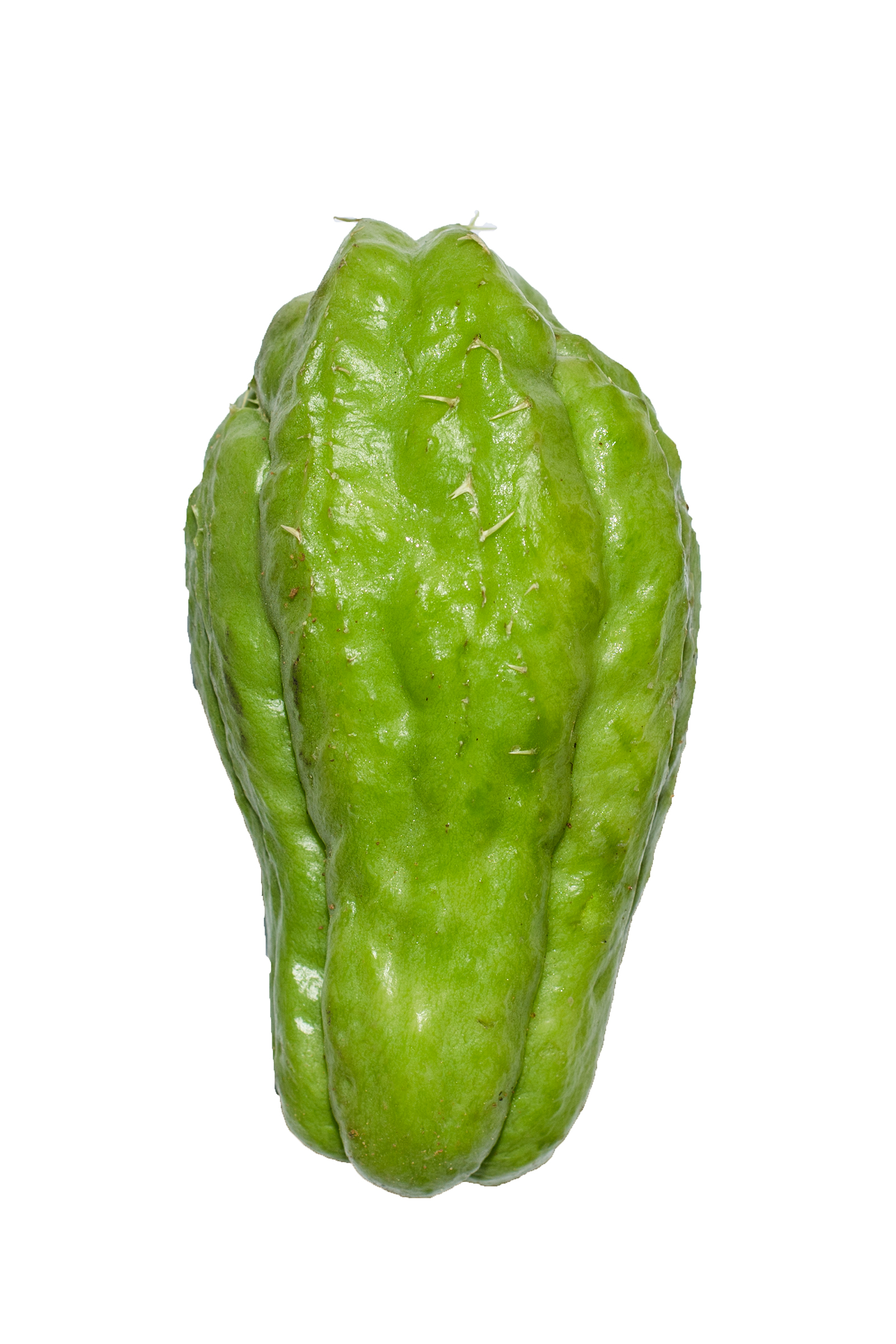
The chayote (Sechium edule), also known as christophene or christophine, cho-cho, mirliton or merleton, chuchu, centinarja, pear squash, vegetable pear, chouchoute, choko, pipinola, güisquil (El Salvador) is an edible plant belonging to the gourd family Cucurbitaceae, along with melons, cucumbers and squash. Chayote is originally native to Mexico or Central America where it grows abundantly and has little commercial value, and it has been introduced as a crop all over Latin America, and worldwide. The main growing regions are Brazil, Costa Rica and Veracruz, Mexico. Costa Rican chayotes are predominantly exported to the European Union, whereas Veracruz is the main exporter of chayotes to the United States. The word chayote is a Spanish derivative of the Nahuatl word chayohtli. Chayote was one of the many foods introduced to Europe by early explorers, who brought back a wide assortment of botanical samples. The Age of Conquest also spread the plant south from Mexico, ultimately causing it to be integrated into the cuisine of many other Latin American nations. The chayote fruit is used in mostly cooked forms. When cooked, chayote is usually handled like summer squash, it is generally lightly cooked to retain the crisp flavor. Though rare and often regarded as especially unpalatable and tough in texture, raw chayote may be added to salads or salsas, most often marinated with lemon or lime juice. Whether raw or cooked, chayote is a good source of amino acids and vitamin C. Although most people are familiar only with the fruit as being edible, the root, stem, seeds and leaves are as well. The tubers of the plant are eaten like potatoes and other root vegetables, while the shoots and leaves are often consumed in salads and stir fries, especially in Asia. Like other members of the gourd family, such as cucumbers, melons, and squash, chayote has a sprawling habit, and it should only be planted if there is plenty of room in the garden. The roots are also highly susceptible to rot, especially in containers, and the plant in general is finicky to grow. However, in Australia and New Zealand, it is an easily grown yard or garden plant, set on a chicken wire support or strung against a fence.

The coconut tree (Cocos nucifera), is a member of the family Arecaceae (palm family). It is the only accepted species in the genus Cocos. The term coconut can refer to the entire coconut palm, the seed, or the fruit, which, botanically, is a drupe, not a nut. The spelling cocoanut is an archaic form of the word. The term is derived from 16th-century Portuguese and Spanish coco, meaning "head" or "skull", from the three indentations on the coconut shell that resemble facial features.

The turnip or white turnip (Brassica rapa subsp. rapa) is a root vegetable commonly grown in temperate climates worldwide for its white, bulbous taproot. Small, tender varieties are grown for human consumption, while larger varieties are grown as feed for livestock.

Lablab purpureus, commonly known as the hyacinth bean, Indian bean, calavance, seim, Egyptian bean, njahi, bulay, bataw, a species of bean in the family Fabaceae, is widespread as a food crop throughout the tropics, especially in Africa, India, Bangladesh, and Indonesia. A traditional food plant in Africa, this little-known vegetable in the West has potential to improve nutrition, boost food security, foster rural development and support sustainable landcare.

The kiwifruit, often shortened to kiwi in many parts of the world, is the edible berry of a woody vine in the genus Actinidia. The most common cultivar group of kiwifruit ('Hayward') is oval, about the size of a large hen's egg (5?8 centimetres in length and 4.5?5.5 centimetres in diameter). It has a fibrous, dull greenish-brown skin and bright green or golden flesh with rows of tiny, black, edible seeds. The fruit has a soft texture and a sweet but unique flavor, and today is a commercial crop in several countries, such as Italy, New Zealand, Chile, Greece and France.

A chestnut is the seed of a tree related to the oak tree, which grows in the northern hemisphere. It grows its seeds in a spikey shell.

Common chicory, Cichorium intybus, is a somewhat woody, perennial herbaceous plant usually with bright blue flowers, rarely white or pink. Many varieties are cultivated for salad leaves, chicons (blanched buds), or for roots (var. sativum), which are baked, ground, and used as a coffee substitute and additive. It is also grown as a forage crop for livestock. It lives as a wild plant on roadsides in its native Europe, and in North America and Australia, where it has become widely naturalized.
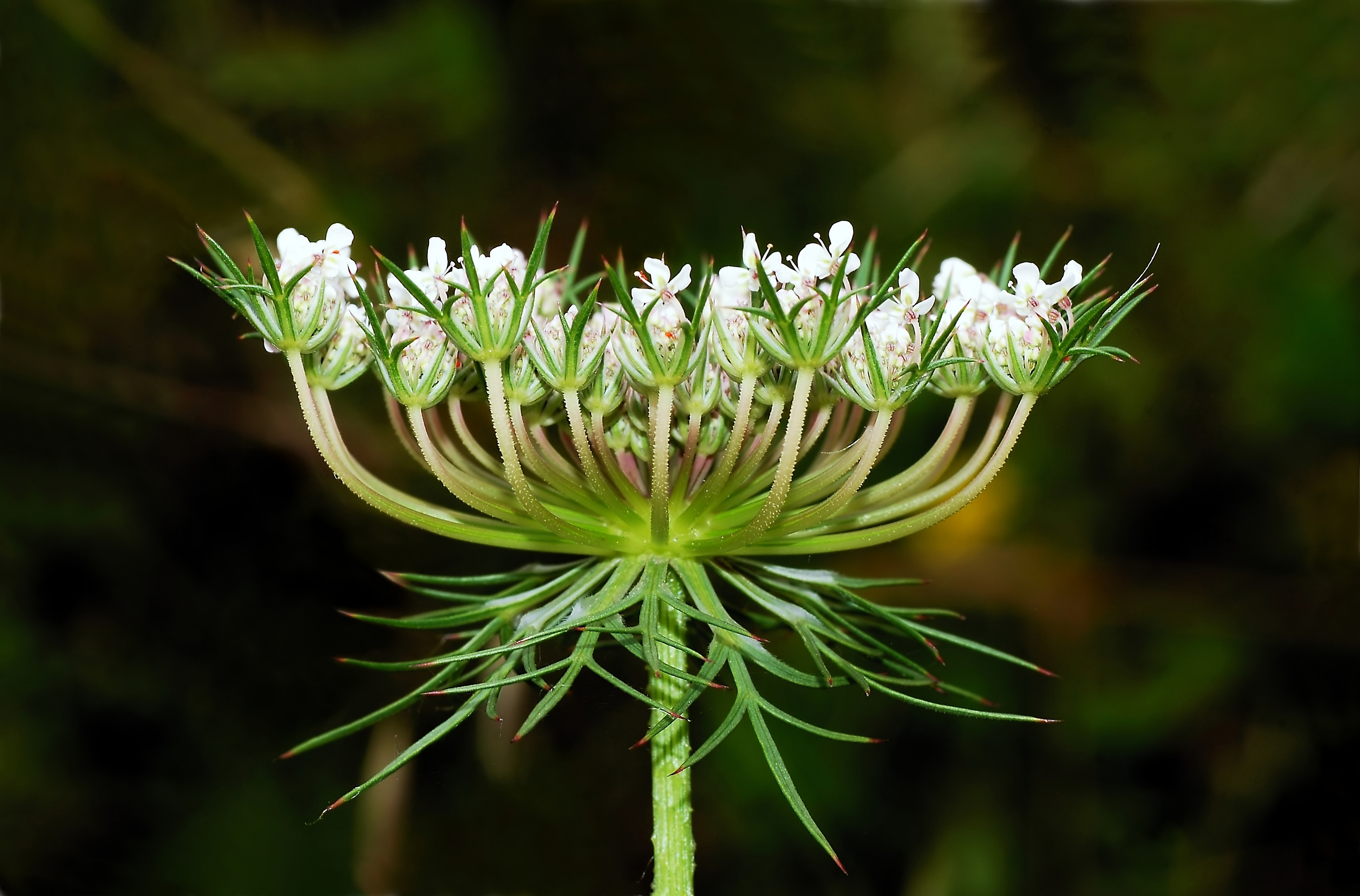
<i>Daucus carota</i>, whose common names include wild carrot, bird's nest, bishop's lace, and Queen Anne's lace (North America), is a flowering plant in the family <i>Apiaceae</i>, native to temperate regions of Europe, southwest Asia and naturalized to North America and Australia. Domesticated carrots are cultivars of a subspecies, <i>Daucus carota</i> subsp. <i>sativus</i>.
The soybean (US) or soya bean (UK) (Glycine max) is a species of legume native to East Asia, widely grown for its edible bean which has numerous uses. The plant is classed as an oilseed rather than a pulse by the UN Food and Agricultural Organization (FAO). Fat-free (defatted) soybean meal is a significant and cheap source of protein for animal feeds and many prepackaged meals; soy vegetable oil is another product of processing the soybean crop. For example, soybean products such as textured vegetable protein (TVP) are ingredients in many meat and dairy analogues. Soybeans produce significantly more protein per acre than most other uses of land. Traditional nonfermented food uses of soybeans include soy milk, and from the latter tofu and tofu skin. Fermented foods include soy sauce, fermented bean paste, natto, and tempeh, among others. The oil is used in many industrial applications. The main producers of soy are the United States (35%), Brazil (27%), Argentina (19%), China (6%) and India (4%). The beans contain significant amounts of phytic acid, alpha-linolenic acid, and isoflavones.
Yellow Wax beans are a member of the <i>Fabaceae</i> family, along with common beans, pulses and peas. "Yellow Wax" is a given name to dozens of wax bush bean varieties that individually simply happen to have different shades of yellow in appearance and variance in waxiness depending on the cultivar. Yellow Wax beans are nearly identical to Green beans in all aspects except for color. One of the most famous heritage Yellow Wax bean varieties is the Beurre De Rocquencourt Bush Wax bean, named for the rich farming region, Rocquencourt, France. It is the single most responsible bean for catalysing the popularity of the Wax bean within the 20th century. Yellow Wax beans' ancestors are native to Central and South America. Many Yellow Wax bean varieties, though, were first introduced to their respective culinary regions from Algeria. The Algerian Wax bean is responsible for the development of several varieties of Wax beans from the 18th to the 20th Century. It is considered the oldest known cultivar still in production. (http://www.specialtyproduce.com/produce/Yellow_Wax_Beans_602.php)

Green beans, also known as string beans, snap beans in the northeastern and western United States, or ejotes in Mexico, are the unripe fruit of various cultivars of the common bean (<i>Phaseolus vulgaris</i>). Green bean cultivars have been selected especially for the fleshiness, flavor, or sweetness of their pods. Haricots verts, French for "green beans", also known as French beans, French green beans, French filet beans, Fine beans (British English), is a variety of green bean that is longer, thinner, crisp, and tender. It is different from the haricot bean, which is a dry bean. (Wikipedia)
The sweet potato (<i>Ipomoea batatas</i>) is a dicotyledonous plant that belongs to the family Convolvulaceae. Its large, starchy, sweet-tasting, tuberous roots are a root vegetable. The young leaves and shoots are sometimes eaten as greens. The sweet potato is only distantly related to the potato (<i>Solanum tuberosum</i>) and does not belong to the nightshade family, Solanaceae, but both families belong to the same taxonomic order, the Solanales. (Wikipedia)


Species of plant
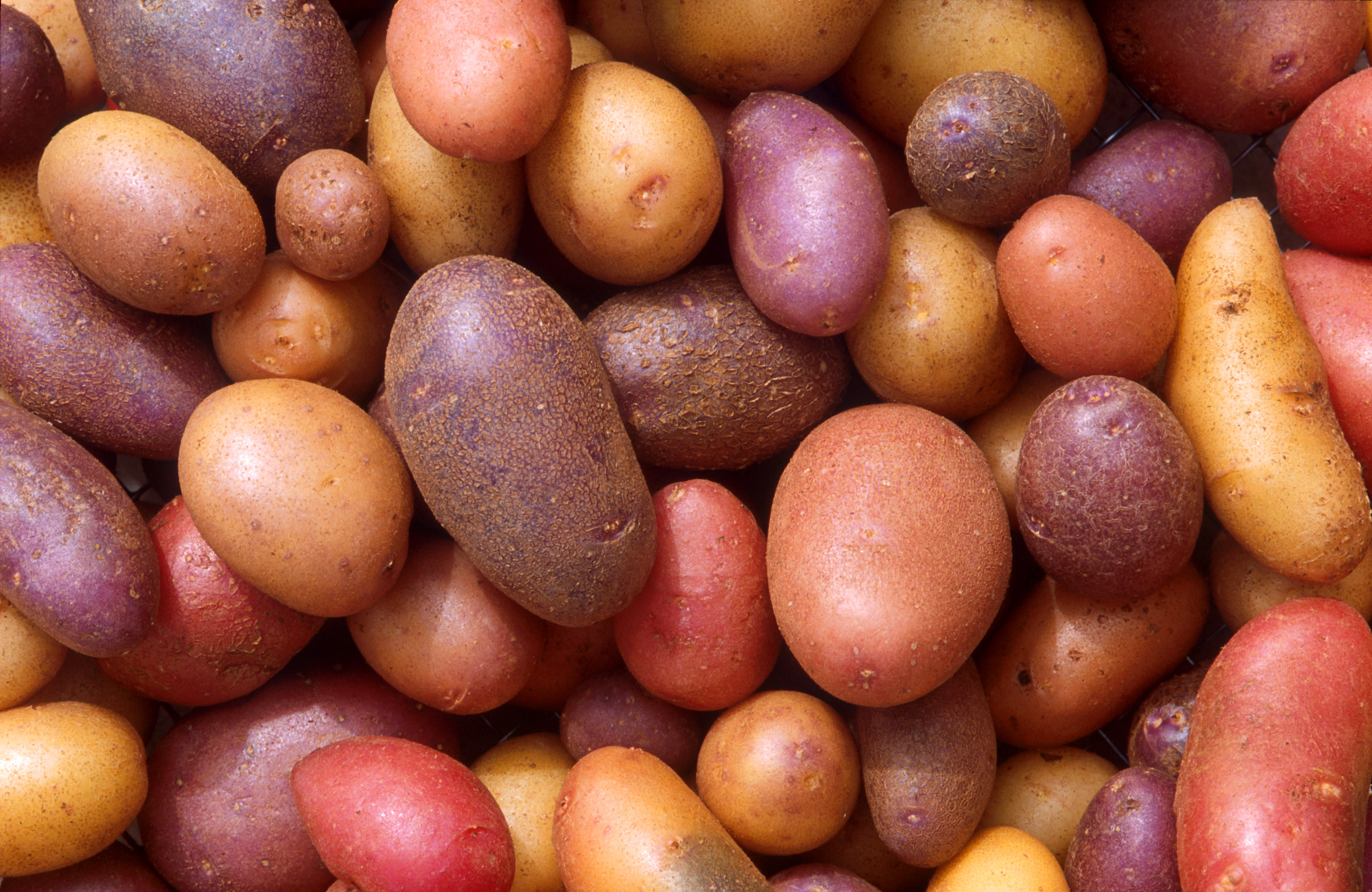
staple food

Plant species in pea family
Source
Compound data linked to PubChem CID 5375662, public domain via NCBI. Culinary context + ingredient mappings are maintained by Foodgeist's enrichment fleet and continuously re-matched by the pairings engine. PubChem CID 5375662