PubChem CID · CC0
2,7,8-trimethyl-2-(4,8,12-trimethyltridecyl)-3,4-dihydrochromen-6-ol
Foods containing this compound
The haddock (Melanogrammus aeglefinus) is a marine fish distributed on both sides of the North Atlantic. Haddock is a popular food fish and is widely fished commercially.
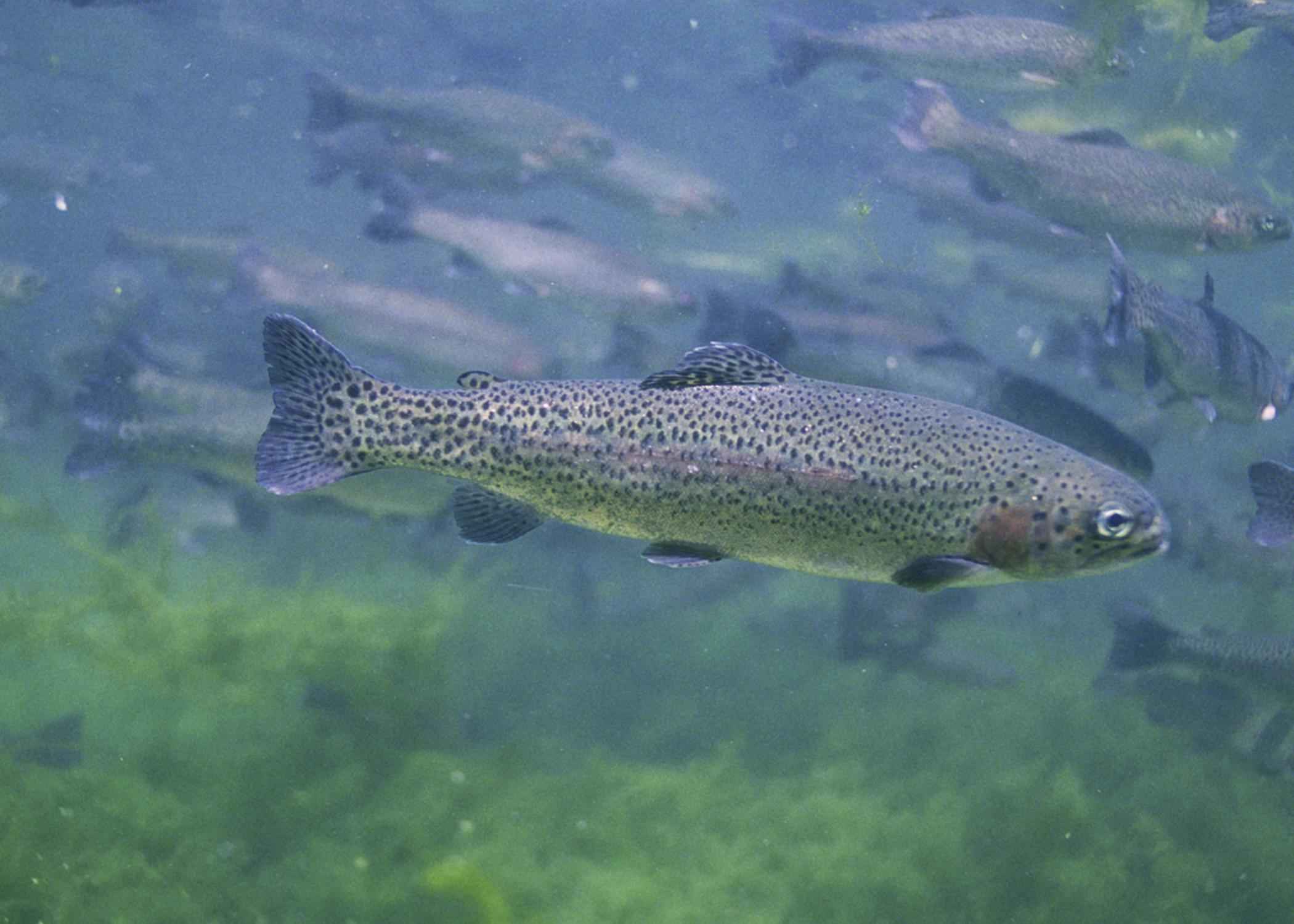
The rainbow trout (Oncorhynchus mykiss) is a species of salmonid native to tributaries of the Pacific Ocean in Asia and North America. The steelhead is a sea-run rainbow trout usually returning to freshwater to spawn after two to three years at sea; rainbow trout and steelhead trout are the same species. The fish are often called salmon trout. Several other fish in the salmonid family are called trout; some are anadromous like salmon, whereas others are resident in freshwater only. The species has been introduced for food or sport to at least 45 countries, and every continent except Antarctica. In some locations, such as Southern Europe, Australia and South America, they have negatively impacted upland native fish species, either by eating them, outcompeting them, transmitting contagious diseases, or hybridization with closely related species and subspecies that are native to western North America.
Coregonus is a diverse genus of fish in the salmon family (Salmonidae). The type species is Coregonus lavaretus. The Coregonus species are known as whitefishes. The genus contains at least 68 described extant taxa, but the true number of species is a matter of debate.
The term shrimp is used to refer to some decapod crustaceans, although the exact animals covered can vary. Used broadly, it may cover any of the groups with elongated bodies and a primarily swimming mode of locomotion – chiefly Caridea and Dendrobranchiata. In some fields, however, the term is used more narrowly, and may be restricted to Caridea, to smaller species of either group, or to only the marine species. Under the broader definition, shrimp may be synonymous with prawn, covering stalk-eyed swimming crustaceans with long narrow muscular tails, long whiskers and slender legs. They swim forwards by paddling with swimmerets on the underside of their abdomens. Crabs and lobsters have strong walking legs, whereas shrimp have thin fragile legs which they use primarily for perching. Shrimp are widespread and abundant. They can be found feeding near the seafloor on most coasts and estuaries, as well as in rivers and lakes. To escape predators, some species flip off the seafloor and dive into the sediment. They usually live from one to seven years. Shrimp are often solitary, though they can form large schools during the spawning season. There are thousands of species, and usually there is a species adapted to any particular habitat. Any small crustacean which resembles a shrimp tends to be called one. They play important roles in the food chain and are important food sources for larger animals from fish to whales. The muscular tails of shrimp can be delicious to eat, and they are widely caught and farmed for human consumption. Commercial shrimp species support an industry worth 50 billion dollars a year, and in 2010 the total commercial production of shrimp was nearly 7 million tonnes (see production chart on the right). Shrimp farming took off during the 1980s, particularly in China, and by 2007 the harvest from shrimp farms exceeded the capture of wild shrimp. There are significant issues with excessive bycatch when shrimp are captured in the wild, and with pollution damage done to estuaries when they are used to support shrimp farming. Many shrimp species are small as the term shrimp suggests, about 2 cm long, but some shrimp exceed 25 cm . Larger shrimp are more likely to be targeted commercially, and are often referred to as prawns, particularly in Britain.
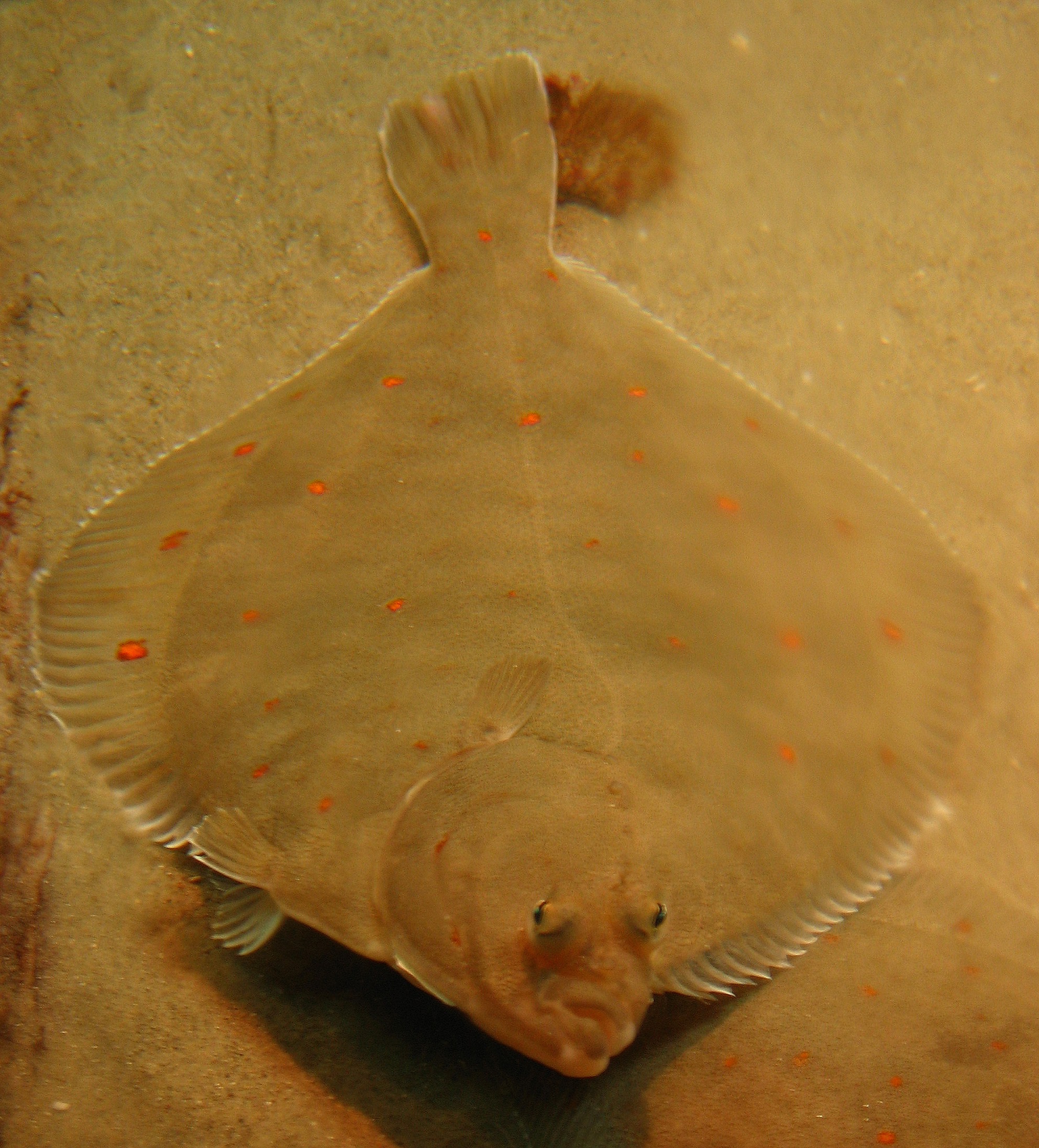
A flatfish is a member of the order (Pleuronectiformes) of ray-finned demersal fishes, also called the Heterosomata, sometimes classified as a suborder of Perciformes. In many species, both eyes lie on one side of the head, one or the other migrating through and around the head during development. Some species face their left side upward, some face their right side upward, and others face either side upward. Many important food fish are in this order, including the flounders, soles, turbot, plaice, and halibut. There are more than 400 species of this order. Some flatfish can camouflage themselves on the ocean floor.
Coffee is a brewed beverage prepared from the roasted or baked seeds of several species of an evergreen shrub of the genus Coffea. The two most common sources of coffee beans are the highly regarded Coffea arabica, and the "robusta" form of the hardier Coffea canephora. The latter is resistant to the coffee leaf rust (Hemileia vastatrix), but has a more bitter taste. Coffee plants are cultivated in more than 70 countries, primarily in equatorial Latin America, Southeast Asia, and Africa. Once ripe, coffee "berries" are picked, processed and dried to yield the seeds inside. The seeds are then roasted to varying degrees, depending on the desired flavor, before being ground and brewed to create coffee.

A pancake is a thin, flat, round cake prepared from a batter, and cooked on a hot griddle or frying pan. Most pancakes are quick breads; some use a yeast-raised or fermented batter. Most pancakes are cooked one side on a griddle and flipped partway through to cook the other side. Depending on the region, pancakes may be served at any time, with a variety of toppings or fillings including jam, chocolate chips, fruit, syrup or meat. [Wikipedia]
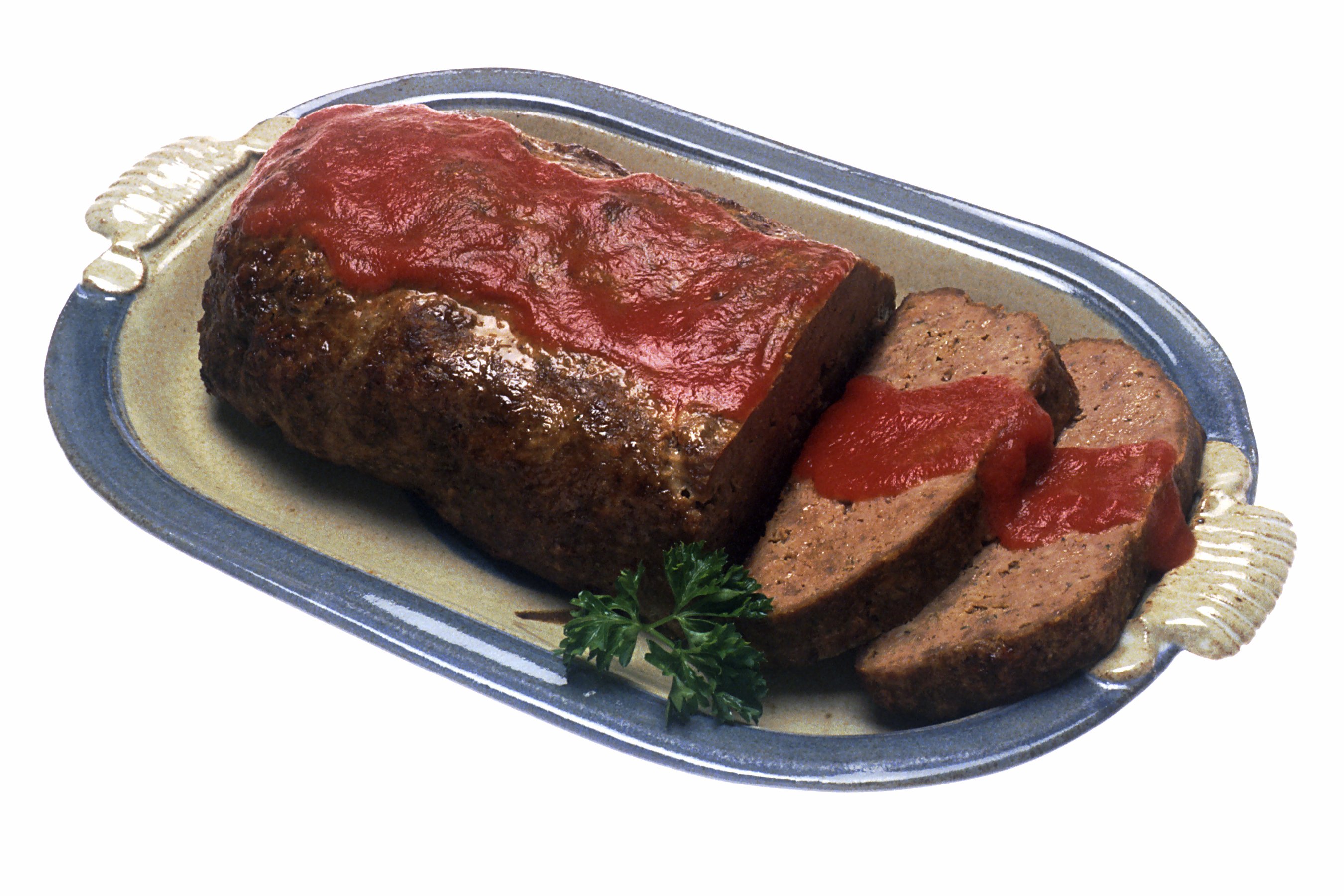
Meatloaf is a dish of ground meat formed into a loaf shape and baked or smoked. The loaf shape is formed by either cooking it in a loaf pan, or forming it by hand on a flat baking pan. It is usually made from ground beef, although lamb, pork, veal, venison, and poultry or a combination are also used. [Wikipedia]

An energy drink is a type of beverage containing stimulant drugs, chiefly caffeine, which is marketed as providing mental or physical stimulation. There are myriad brands and varieties of energy drinks. They generally contain large amounts of caffeine and other stimulants. Many also contain sugar or other sweeteners, herbal extracts and amino acids and may or may not be carbonated. They are a subset of the larger group of energy products, which includes bars and gels. Coffee, tea and other naturally caffeinated beverages are usually not considered energy drinks. Soft drinks such as cola, may contain caffeine, but are also not energy drinks. Some alcoholic beverages, such as Four Loko, contain caffeine and other stimulants and are marketed as energy drinks, although such drinks are banned in some American states.

Ketchup (sometimes catsup in American English or tomato sauce in Commonwealth English) is a sweet-and-tangy condiment typically made from tomatoes, vinegar, sugar or high-fructose corn syrup and an assortment of vegetable seasonings and spices such as onions, allspice, cloves, cinnamon, garlic, and celery. Ketchup is often used with french fries (chips in the UK), hamburgers, sandwiches and grilled or fried meat. In Australia and New Zealand, where it is known as tomato sauce, it is a typical accompaniment for meat pies. Ketchup is sometimes used as a basis or ingredient for other sauces and dressings. [Wikipedia]

Macaroni and cheese, also known as "mac and cheese", "macaroni cheese" in British English, or "macaroni pie" in Caribbean English, is a casserole consisting of cooked elbow macaroni and cheese sauce. Macaroni and cheese is often prepared using a packaged food mix. [Wikipedia]
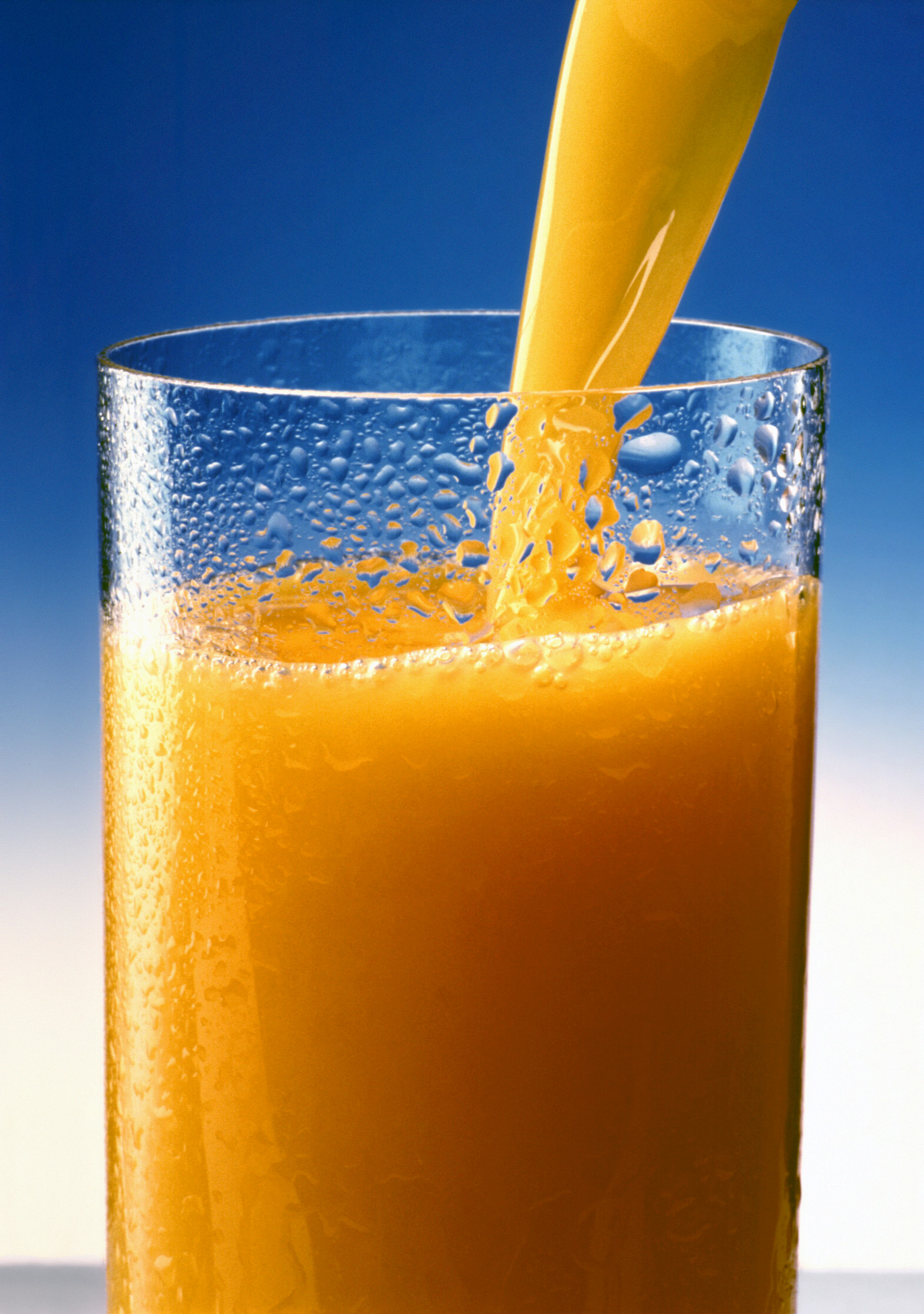
Juice is the liquid that is naturally contained in fruit or vegetable tissue. Juice is prepared by mechanically squeezing or macerating fruit or vegetable flesh without the application of heat or solvents. Many commercial juices are filtered to remove fiber or pulp, but high-pulp fresh orange juice is a popular beverage. Common methods for preservation and processing of fruit juices include canning, pasteurization, freezing, evaporation and spray drying. [Wikipedia]
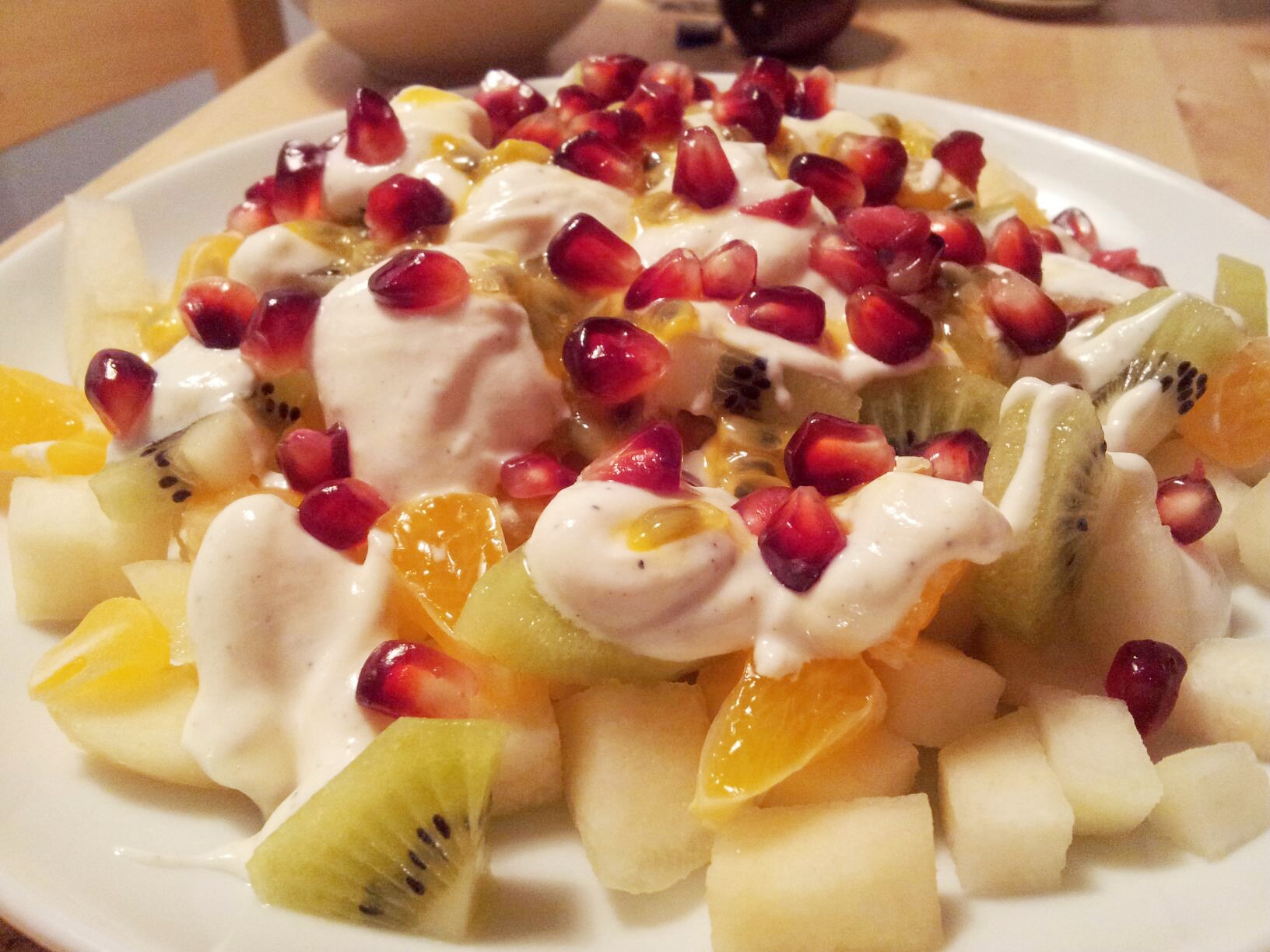
Fruit salad (also called Macedonia) is a dish consisting of various kinds of fruit, served in a liquid, either in their own juices or a syrup. When served as an appetizer or as a dessert, a fruit salad is sometimes known as a fruit cocktail or fruit cup. [Wikipedia]
Cold cuts (also known as lunch meats, luncheon meats, sandwich meats, cooked meats, sliced meats, cold meats and deli meats) are cheeses or precooked or cured meat, often sausages or meat loaves, that are sliced and usually served cold on sandwiches or on party trays. In Commonwealth countries and the U.K., luncheon meat refers specifically to products that can include mechanically reclaimed meat (paste-like meat product produced by forcing beef, pork, turkey or chicken, under high pressure through a sieve or similar device to separate the bone from the edible meat tissue). In British English, the terms cold meats, cooked meats, or sliced meats are used instead. [Wikipedia]

Cooking oil is any fat that is used for cooking and is usually liquid at room temperature. Cooking oil may be of plant or animal origin. Types of cooking oil include: ghee, olive oil, palm oil, soybean oil, canola oil, pumpkin seed oil, corn oil, sunflower oil, safflower oil, peanut oil, grape seed oil, sesame oil, argan oil, rice bran oil and other vegetable oils. [Wikipedia] See also a "list of vegetable oils":http://en.wikipedia.org/wiki/List_of_vegetable_oils
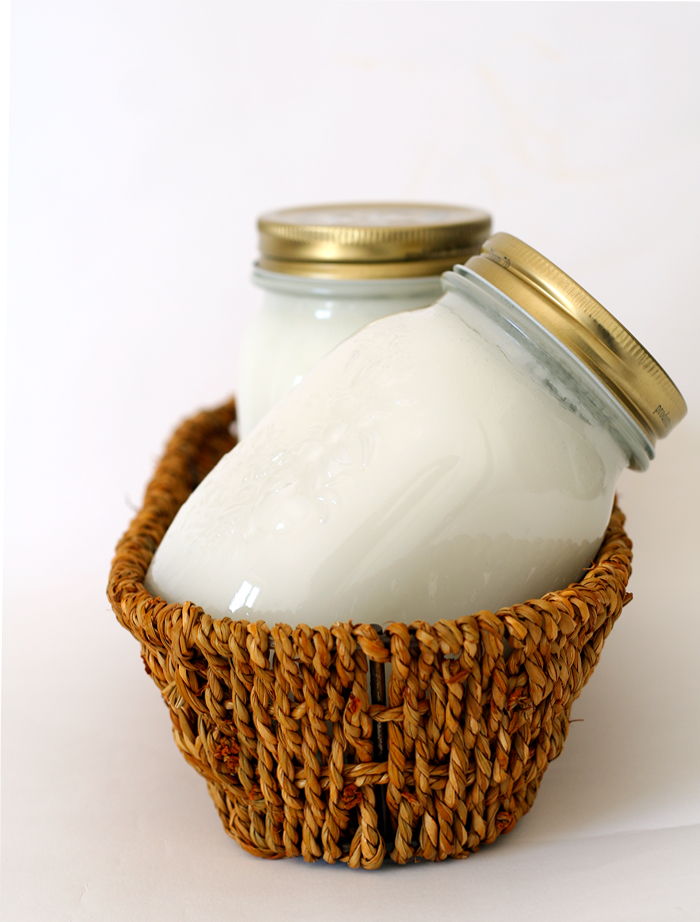
Shortening is a solid fat made from vegetable oils, such as soybean and cottonseed oil, which have been hydrogenated to create a solid. This process creates trans fatty acids which turns polyunsaturated fats into saturated fats. Vegetable shortening is virtually flavorless, and is used to make baked goods light and flaky. Crisco is a popular brand of vegetable shortening. ["Kitchen Dictionary":http://www.food.com/library/shortening-430]
A cracker is a baked good typically made from grain flour dough and usually manufactured in large quantities. Crackers (equivalent to savory biscuits in the UK) are usually flat, crisp, small in size and are made in various shapes, though are commonly round or square. Flavorings or seasonings, such as salt, herbs, seeds, and/or cheese, may be added to the dough or sprinkled on top before baking. Crackers are eaten on their own, or can accompany other food items, such as cheese or meat slices, or dips. [Wikipedia]
Grits are a food of American Indian origin common in the Southern United States and mainly eaten at breakfast. They consist of coarsely ground corn, or sometimes alkali-treated corn (hominy). They are also sometimes called sofkee or sofkey from the Muskogee (Creek) language word. Grits are similar to other thick maize-based porridges from around the world, such as polenta, or the thinner farina. [Wikipedia]


Vegetable juice is a drink made primarily of blended vegetables. Vegetable juice is often mixed with fruits such as tomatoes or grapes to improve flavor. It is often touted as a low-sugar alternative to fruit juice, although some commercial brands of vegetable juices use fruit juices as sweeteners, and may contain large amounts of sodium.

Margarine can indicate any of a wide range of butter or butter substitutes, typically composed of vegetable oils. Specifically the principle difference between butter and margarine is that butter is derived from animal fats (typically milk fats) while margarine is derived from plant fats (oils) and skim milk. [Wikipedia]
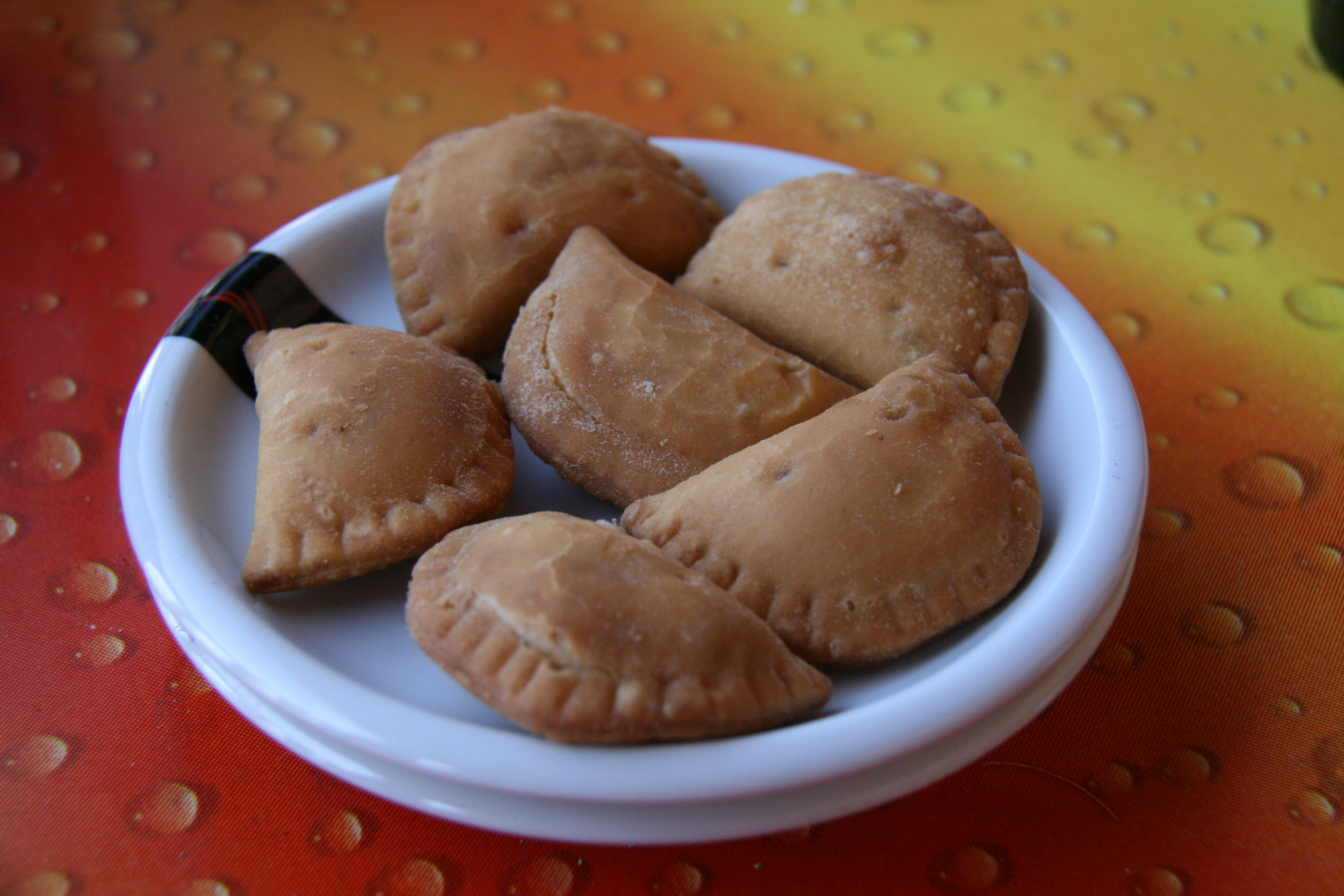
baked or fried turnover consisting of pastry and filling

batter- or dough-based food cooked between two patterned, shaped plates

cereal grain

American stew

species of Pacific salmon
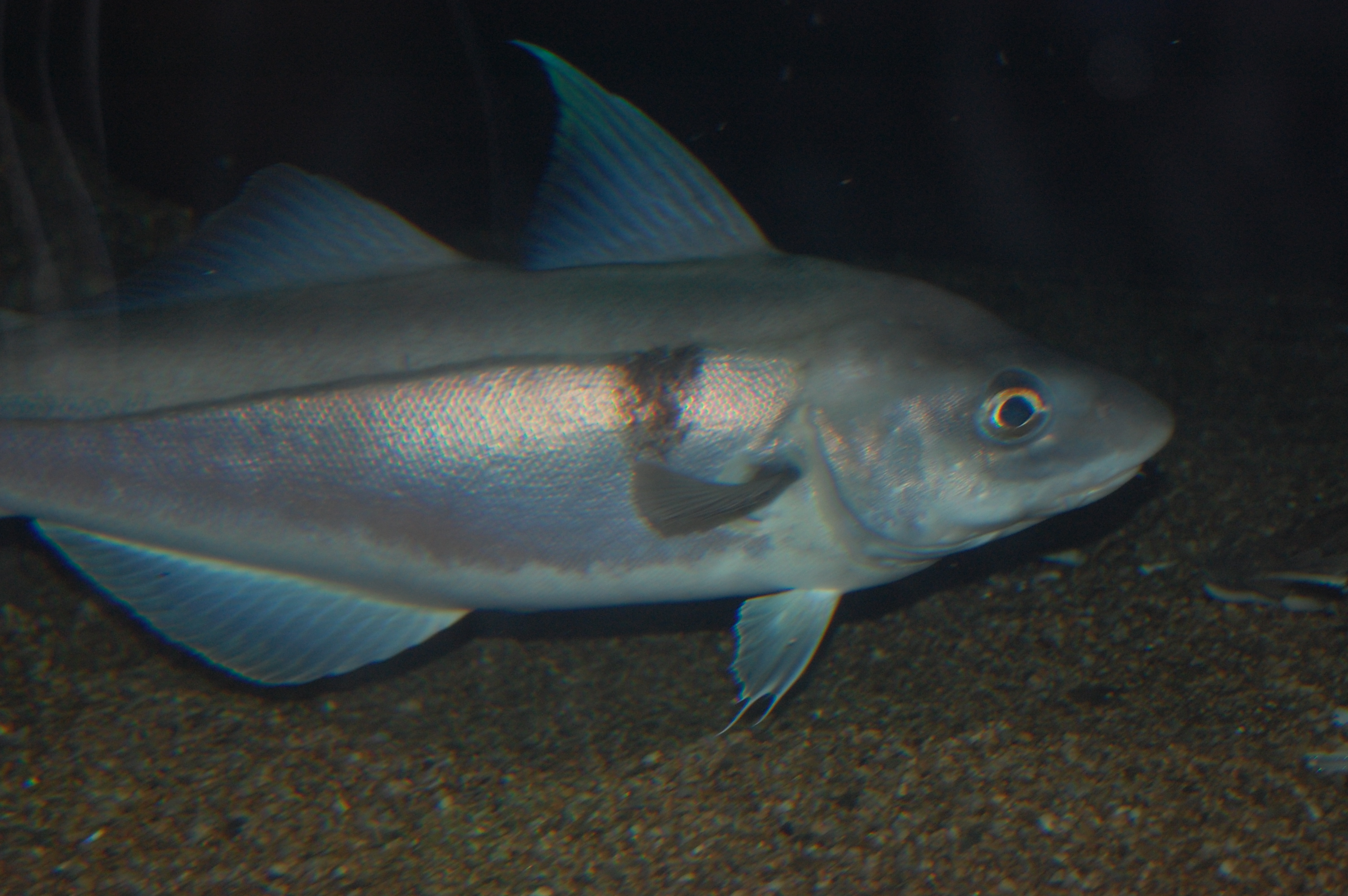
species of fish

type of pasta
batter- or dough-based food cooked between two patterned, shaped plates

fruit of Sorbus aucuparia

vegetable from the plant of the same name

dairy product
Sauce used as a condiment
Source
Compound data linked to PubChem CID 14986, public domain via NCBI. Culinary context + ingredient mappings are maintained by Foodgeist's enrichment fleet and continuously re-matched by the pairings engine. PubChem CID 14986
The Geist can be wrong. Some flavor, taste, and pairing values are model-predicted, not lab-measured.