PubChem CID · CC0
octan-3-ol
Foods containing this compound


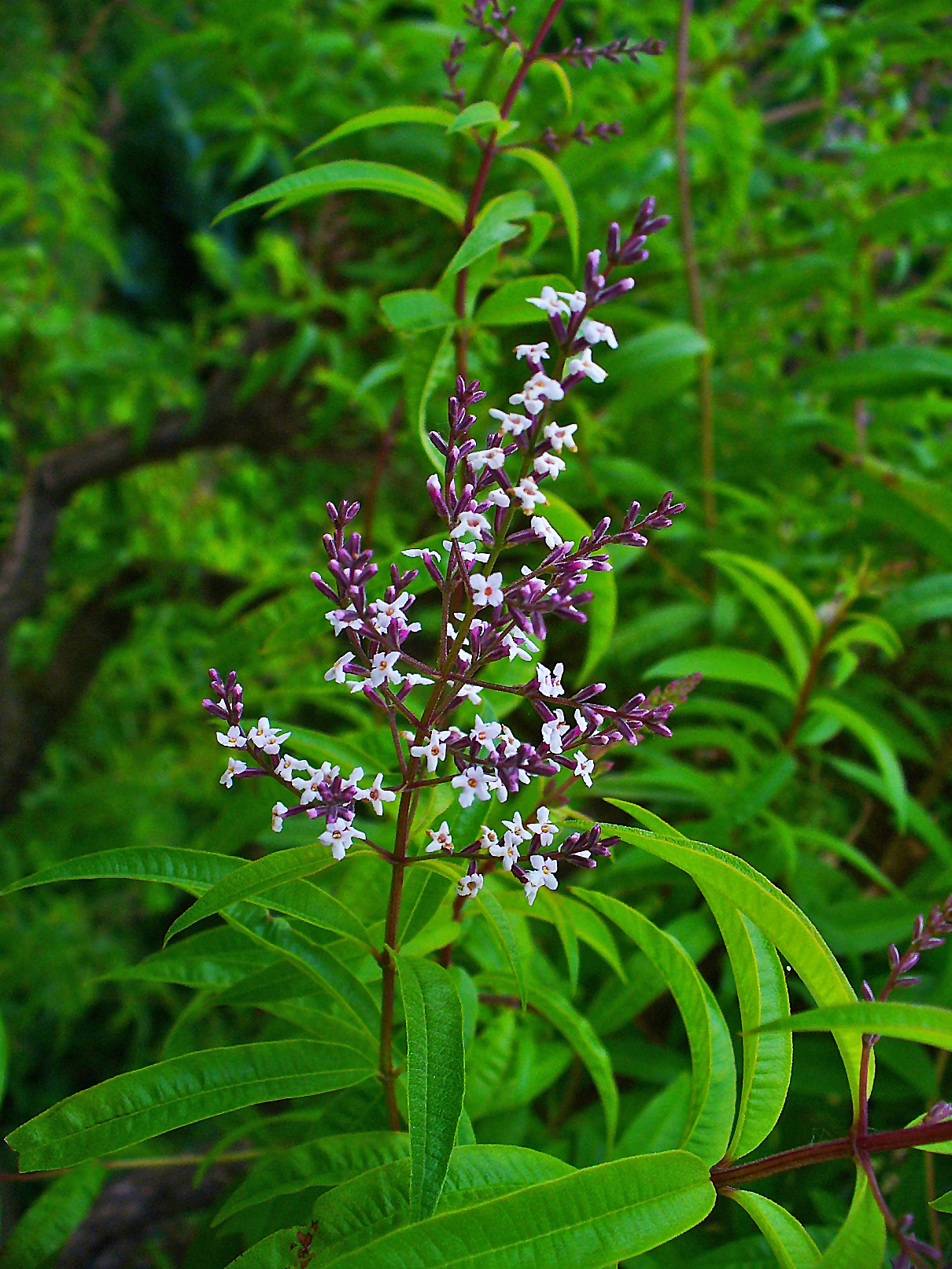
Aloysia citrodora is a species of flowering plant in the verbena family Verbenaceae, native to northwestern Argentina and southern Bolivia. Common names include lemon verbena and lemon beebrush. It was brought to Europe by the Spanish and the Portuguese in the 17th century.
Mentha arvensis (Field Mint, Wild Mint or Corn Mint) is a species of mint with a circumboreal distribution. It is native to the temperate regions of Europe and western and central Asia, east to the Himalaya and eastern Siberia, and North America. It is a herbaceous perennial plant growing to 10–60 cm (rarely to 100 cm) tall. The leaves are in opposite pairs, simple, 2–6.5 cm long and 1–2 cm broad, hairy, and with a coarsely serrated margin. The flowers are pale purple (occasionally white or pink), in clusters on the stem, each flower 3–4 mm long. Uses & Benefits of Podina: 50x40pxThis article does not cite any references or sources. Please help improve this article by adding citations to reliable sources. Unsourced material may be challenged and removed. Podina is used as a carminative and an expectorant. The plant is highly effective in treating headaches, rhinitis, cough sore throat, colic, prurigo and vomiting. It serves as a good blood cleanser, since it is antiseptic and anti-bacterial. Podina plays a significant role in alleviating swollen gums, mouth ulcers and toothaches. Crushed and bruised pudina leaves are used in treating insect bites. The decoction and infusion of its leaves and stems helps in fever, stomachaches, dysmenorrheal and diuresis. Fresh leaves of podina are crushed and sniffed for dizziness. Crushed leaves are also applied on the forehead and temple, to cure headaches. For toothaches, boil 6 tablespoons of pudina leaves in 2 glasses of water, for 15 minutes. Strain and cool the water. Divide it into two parts and take each part after 3 to 4 hours. Boil 6 tablespoons of chopped leaves in 2 glasses of water, for 15 minutes. Cool and strain. Divide the decoction into 3 parts and consume three times a day. This will help in treating coughs. For treating arthritis, take some fresh leaves and heat on low flame. Pound them and apply on the painful joints or muscles, when still warm. Soak 2 tablespoons of chopped leaves in a glass of hot water for 30 minutes and strain. Use the infusion as a mouthwash. The menthol extracted from the plant is used in preparing balms. It is used as a flavoring agent in many culinary preparations There are six subspecies: Mentha arvensis subsp. arvensis. Mentha arvensis subsp. agrestis Briq. Mentha arvensis subsp. austriaca (Jacq. ) Briq. Mentha arvensis subsp. lapponica (Wahlenb. ) Neuman Mentha arvensis subsp. palustris (Moench) Neumann Mentha arvensis subsp. parietariifolia (Becker) Briq. The related species Mentha canadensis is also included in M. arvensis by some authors as two varieties, M. arvensis var. glabrata Fernald (in reference to North American plants) and M. arvensis var. piperascens Malinv. ex L. H. Bailey (in reference to eastern Asian plants).

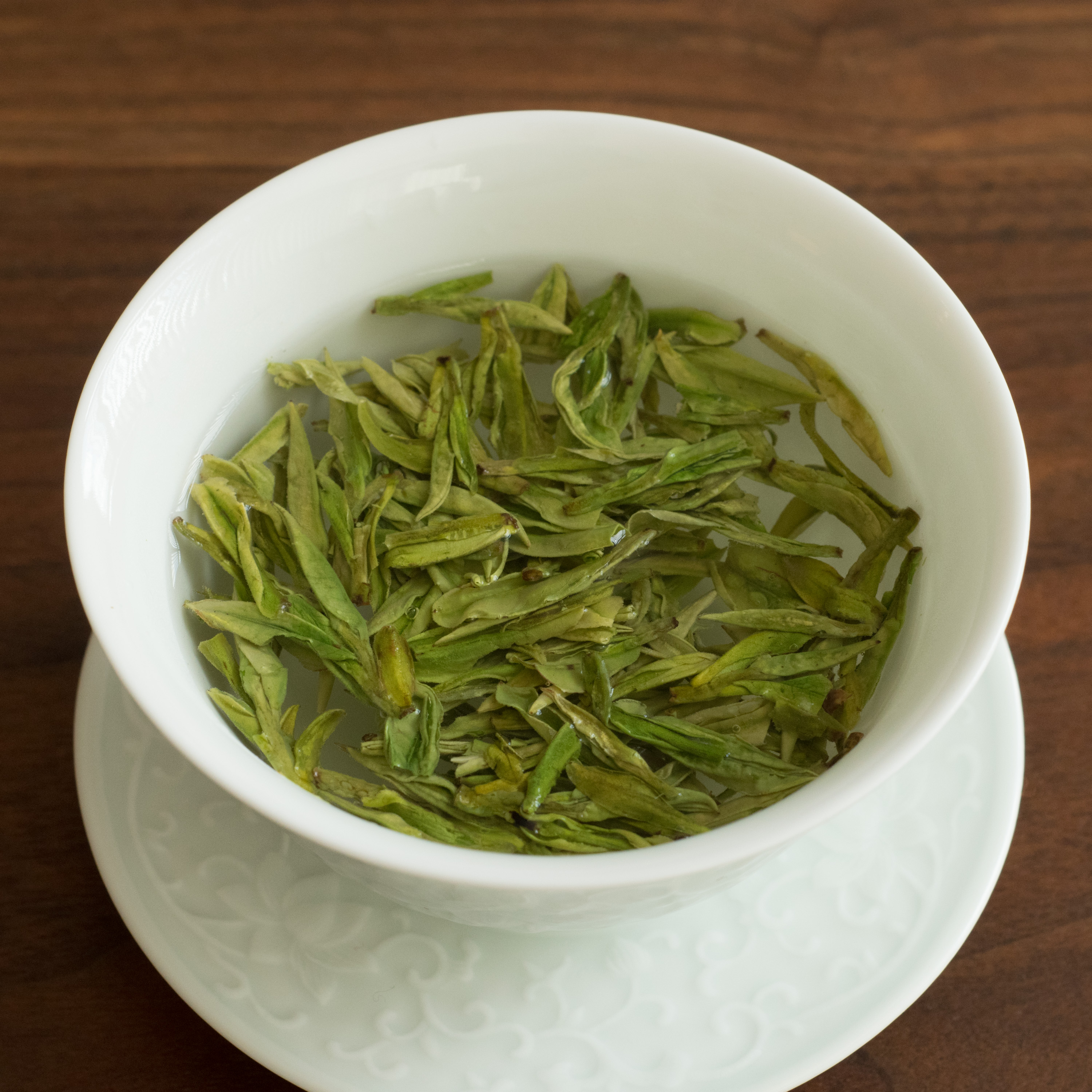
Tea is an aromatic beverage commonly prepared by pouring hot or boiling water over cured leaves of the tea plant, Camellia sinensis. After water, tea is the most widely consumed beverage in the world. It has a cooling, slightly bitter, and astringent flavour that many people enjoy.

A mushroom (or toadstool) is the fleshy, spore-bearing fruiting body of a fungus, typically produced above ground on soil or on its food source. The standard for the name "mushroom" is the cultivated white button mushroom, Agaricus bisporus; hence the word "mushroom" is most often applied to those fungi (Basidiomycota, Agaricomycetes) that have a stem (stipe), a cap (pileus), and gills (lamellae, sing. lamella) or pores on the underside of the cap. These pores or gills produce microscopic spores that help the fungus spread across the ground or its occupant surface.

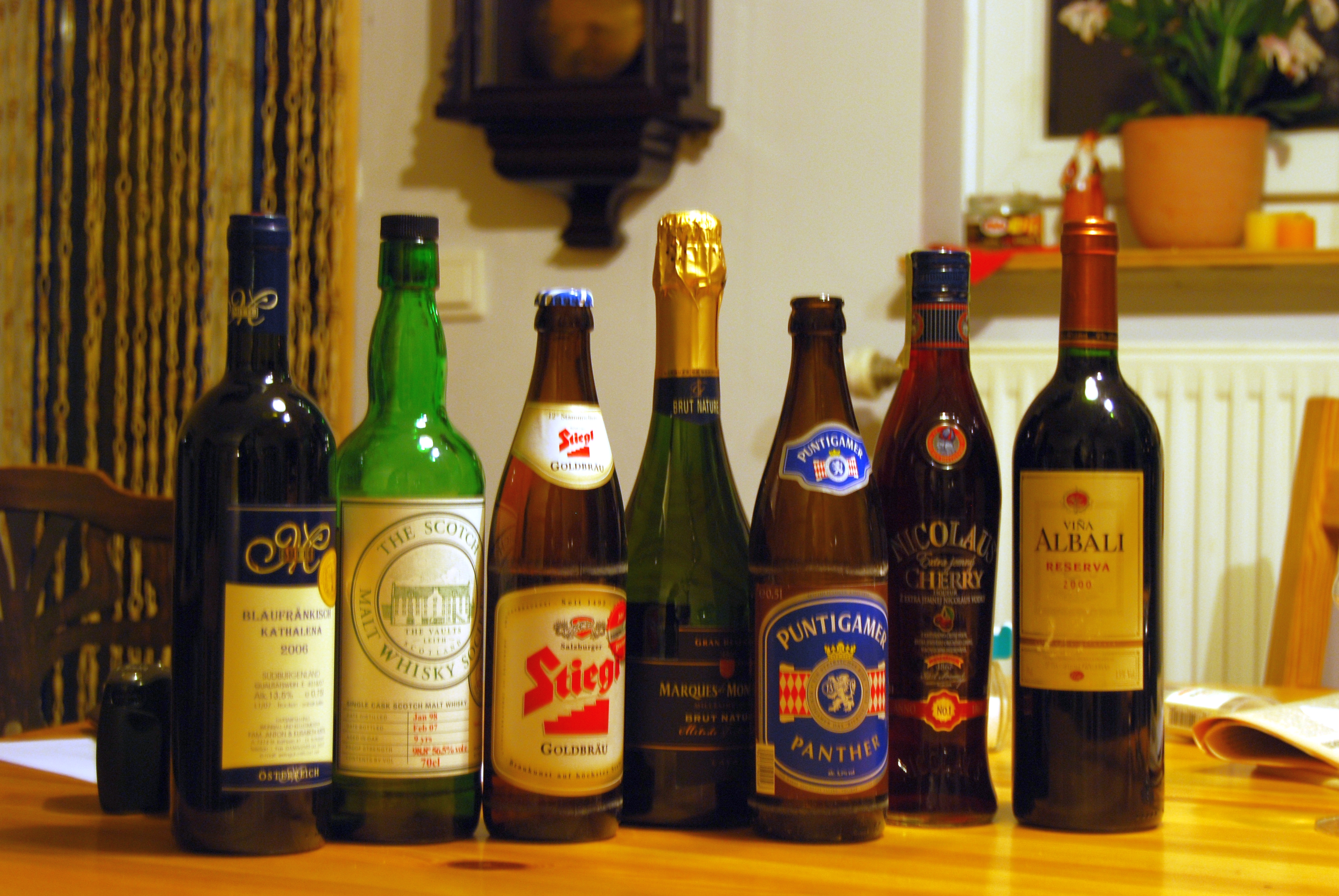
An alcoholic beverage is a drink that typically contains 3% ? 40% ethanol (commonly called alcohol). Alcoholic beverages are divided into three classes: beers, wines, and spirits (distilled beverages). They are legally consumed in most countries around the world. More than 100 countries have laws regulating their production, sale, and consumption.

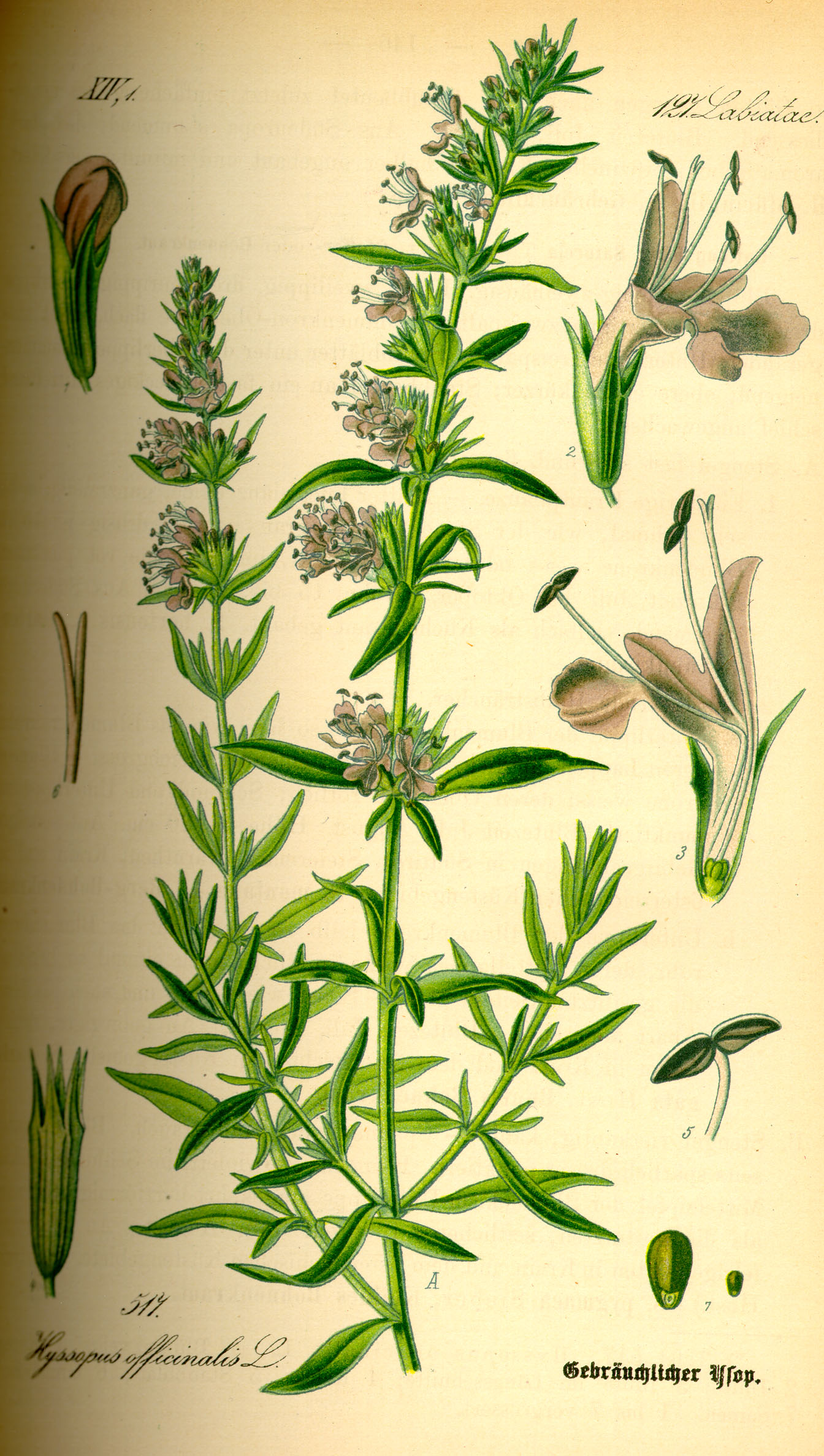
Hyssopus officinalis, hyssop is a herbaceous plant of the genus Hyssopus native to Southern Europe, the Middle East, and the region surrounding the Caspian Sea. Due to its properties as an antiseptic, cough reliever, and expectorant, it is commonly used as an aromatic herb and medicinal plant.


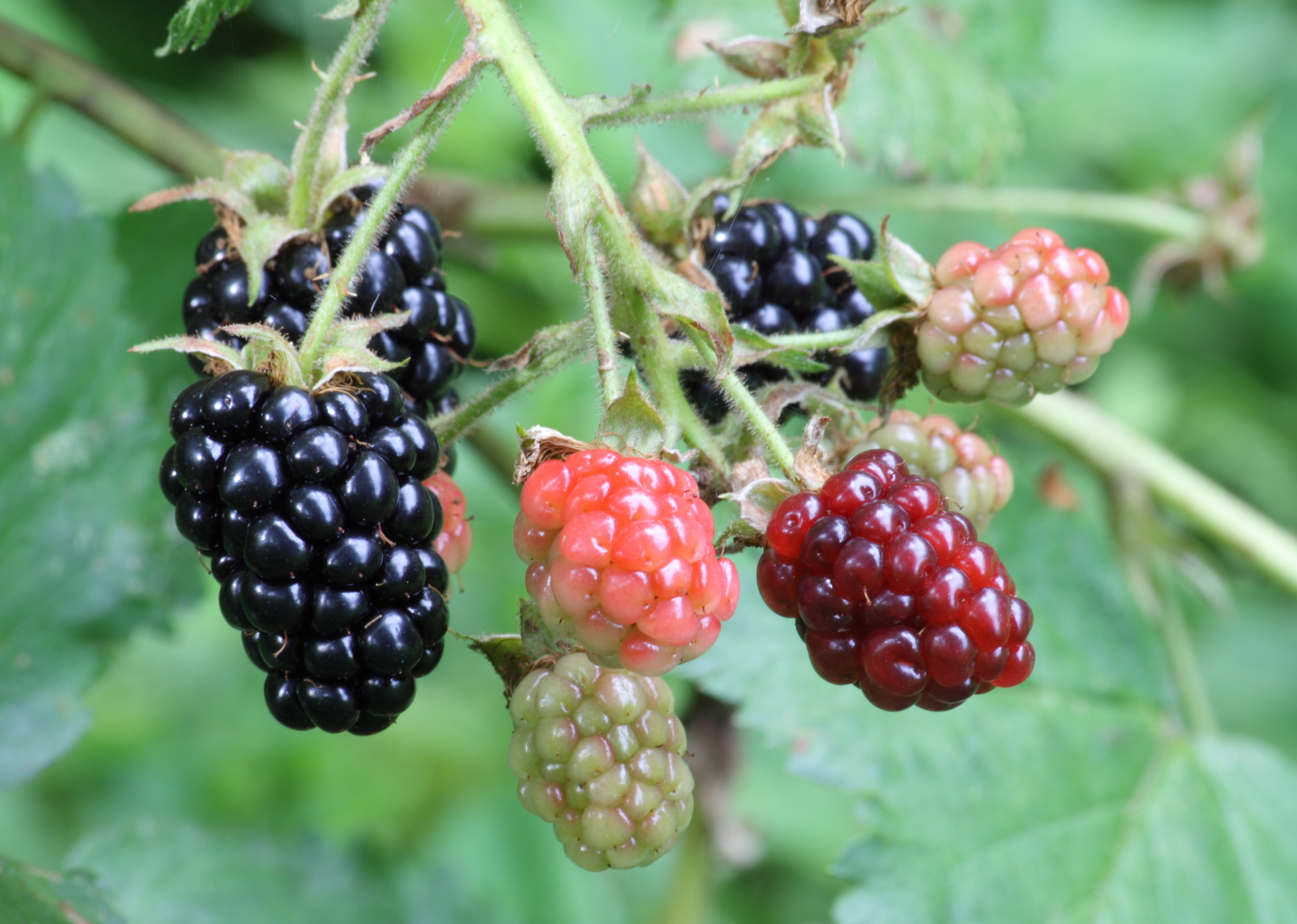
The blackberry is an edible fruit produced by many species in the genus Rubus in the family Rosaceae. Blackberry is a perennial plant that grows to 3-6 meter tall. The pale pink flowers are produced in late spring and early summer. The fruits are rich in vitamin C, anthocyanins, flavonols and ellagitannins (PMID: 22082199), they have shown the beneficial effects to human health (PMID: 22082199)

molded meat gelatin dish

Species of plant

Hybrid flowering plant in the family Lamiaceae

Genus of flowering plants

Plant species in the mint family

Species of flowering plant
Source
Compound data linked to PubChem CID 11527, public domain via NCBI. Culinary context + ingredient mappings are maintained by Foodgeist's enrichment fleet and continuously re-matched by the pairings engine. PubChem CID 11527