PubChem CID · CC0
piperonal
Bioactivity signal
Structure-activity model estimate · not measured
Biochemical reactions
Metabolic reactions from RHEA (EMBL-EBI/SIB) · peer-reviewed
piperonylate + ATP + NADPH + H(+) = piperonal + AMP + diphosphate + NADP(+)
piperonal + hydrogen cyanide = (2S)-2-(2H-1,3-benzodioxol-5-yl)-2-hydroxyacetonitrile
Foods containing this compound
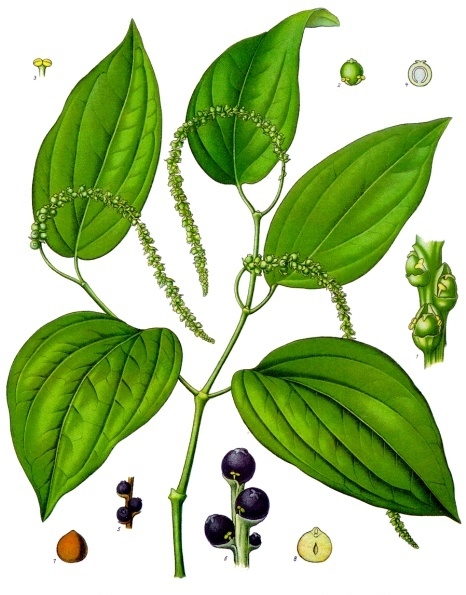
Black pepper (Piper nigrum) is a flowering vine in the family Piperaceae, cultivated for its fruit, which is usually dried and used as a spice and seasoning. The fruit, known as a peppercorn when dried, is approximately 5 millimetres in diameter, dark red when fully mature, and, like all drupes, contains a single seed. Peppercorns, and the ground pepper derived from them, may be described simply as pepper, or more precisely as black pepper (cooked and dried unripe fruit), green pepper (dried unripe fruit) and white pepper (dried ripe seeds). Black pepper is native to south India, and is extensively cultivated there and elsewhere in tropical regions. Currently Vietnam is the world's largest producer and exporter of pepper, producing 34% of the world's Piper nigrum crop as of 2008. Dried ground pepper has been used since antiquity for both its flavour and as a medicine. Black pepper is the world's most traded spice. It is one of the most common spices added to European cuisine and its descendants. The spiciness of black pepper is due to the chemical piperine, not to be confused with the capsaicin that gives fleshy peppers theirs. It is ubiquitous in the modern world, often paired with salt.
Vaccinium virgatum, commonly called rabbiteye blueberry, samllflower blueberry or southern black blueberry, is a species of blueberry native to the Southeastern United States, from North Carolina south to Florida and west to Texas. Rabbiteye blueberry is a deciduous shrub that can grow to 3-6 feet tall and with up to a 3-foot spread. The leaves are red-bronze in the spring and then turn into a dark-green color. The fruits are dark blue to black. The rabbiteye blueberries are edible and are used to make jams, sauces for breads, muffins, etc. Research has shown that the rabbiteye blueberry was a good source of polyphenols, anthocyanins and flavonoids, their antioxidant activity is beneficial to human health (PMID: 23268789; PMID: 29682153) [Wikipedia]
Source
Compound data linked to PubChem CID 8438, public domain via NCBI. Culinary context + ingredient mappings are maintained by Foodgeist's enrichment fleet and continuously re-matched by the pairings engine. PubChem CID 8438