dodecanoic acid
Molecular structure
Cooking relevance
Dodecanoic acid (lauric acid, PubChem CID 3893) is a saturated fatty acid that contributes to the solid or semi-solid texture of certain fats at room temperature. In cooking, it influences mouthfeel and the melting behavior of fat-based ingredients, affecting how dishes set and release flavor compounds during preparation and consumption.
- aroma
- Minimal direct aroma; supports fat-soluble volatile retention
- culinary role
- Structural fatty acid affecting texture and fat stability in cooked dishes
- mass spectra
- 86 experimental spectra
Mass spectrum
A real measured fragmentation pattern · 1 of 86 experimental spectra
Sensory signature
How this molecule tastes and smells · gold is measured, dashed is a model estimate
Receptor binding
Measured in literature · peer-reviewed · how this compound interacts with biological receptors
Research associations
Literature-derived · peer-reviewed sources only · not medical advice
Foods containing this compound

The common octopus (Octopus vulgaris) is the most studied of all octopus species. Its range in the eastern Atlantic extends from the Mediterranean Sea and the southern coast of England to at least Senegal in Africa. It also occurs off the Azores, Canary Islands, and Cape Verde Islands. The species is also common in the Western Atlantic.
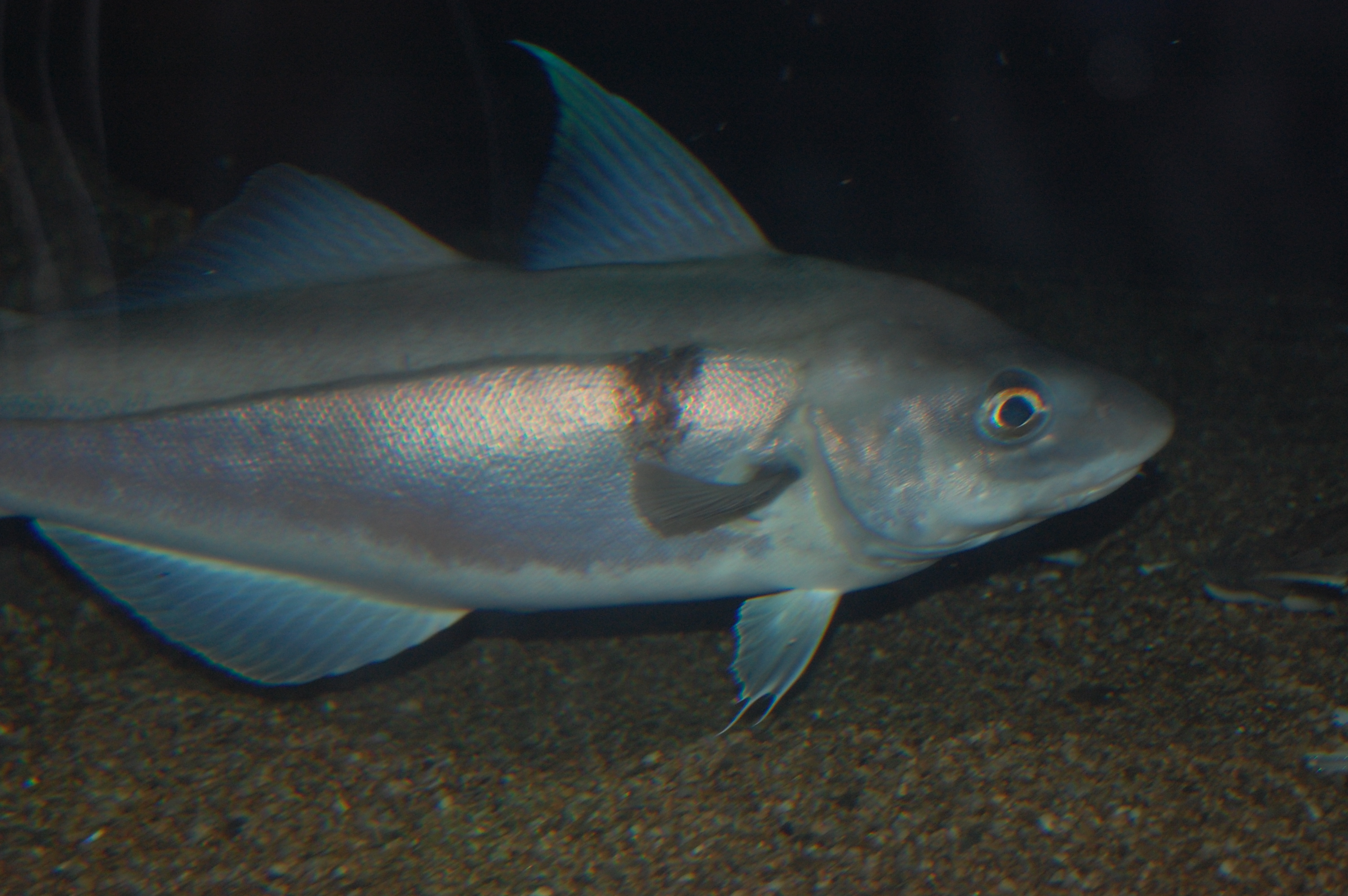
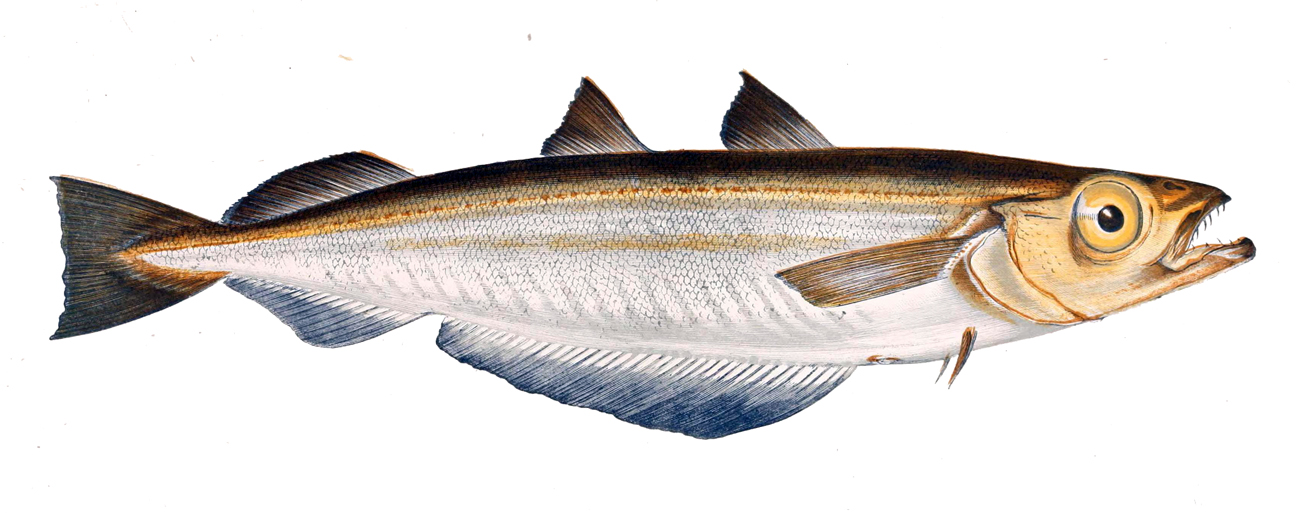
The haddock (Melanogrammus aeglefinus) is a marine fish distributed on both sides of the North Atlantic. Haddock is a popular food fish and is widely fished commercially.
Verified Data
Compound identity and culinary context are continuously cross-referenced across open scientific databases and maintained by Foodgeist's enrichment pipeline.
The Geist can be wrong. Some flavor, taste, and pairing values are model-predicted, not lab-measured.