/ COMPOUND
phenethyl isothiocyanate
Molecular ID 16741Formula C9H9NSMW 163.2460 food sources
Molecular structure
Mass spectrum
A real measured fragmentation pattern · 1 of 4 experimental spectra
◆ measured · HMDBpositive45 peaks
Sensory signature
How this molecule tastes and smells · gold is measured, dashed is a model estimate
measuredpredicted
bittertaste · measuredoilyaroma · measuredgreenaroma · measurednuttyaroma · measuredspicyaroma · measuredearthyaroma · measuredfruityaroma · measuredmarshyaroma · measuredradisharoma · measuredpungentaroma · measuredsulphuraroma · measuredfragrantaroma · measuredchocolatearoma · measuredsickeningaroma · measuredsulfurous
Receptor binding
Measured in literature · peer-reviewed · how this compound interacts with biological receptors
TAS2R38bitter tasteagonistpeer-reviewed
Research associations
Literature-derived · peer-reviewed sources only · not medical advice
arthritis, experimentalpeer-reviewed
blood coagulation disorderspeer-reviewed
bone resorptionpeer-reviewed
chemical and drug induced liver injurypeer-reviewed
colitis, ulcerativepeer-reviewed
colonic diseasespeer-reviewed
disease models, animalpeer-reviewed
edemapeer-reviewed
enterocolitispeer-reviewed
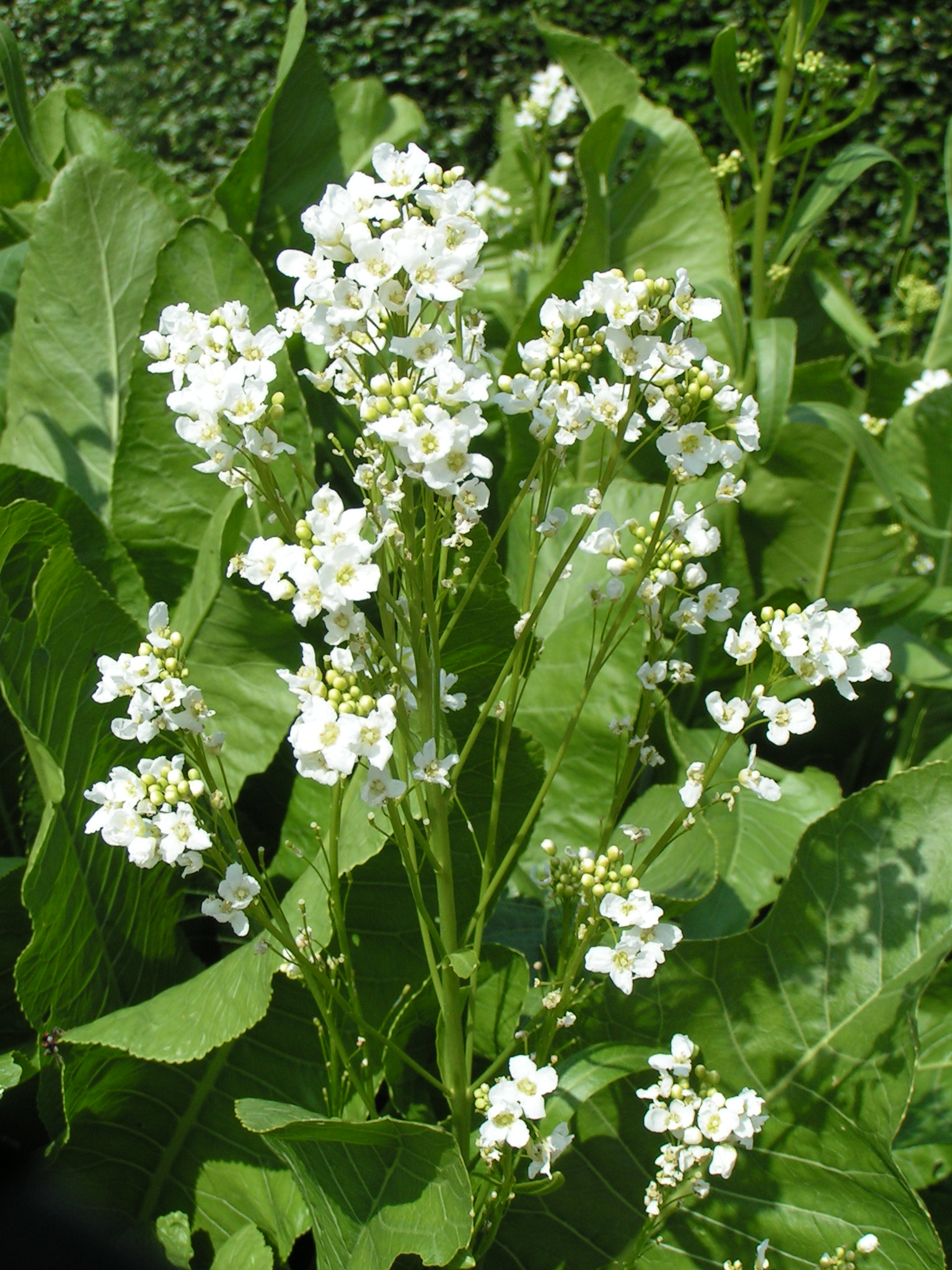
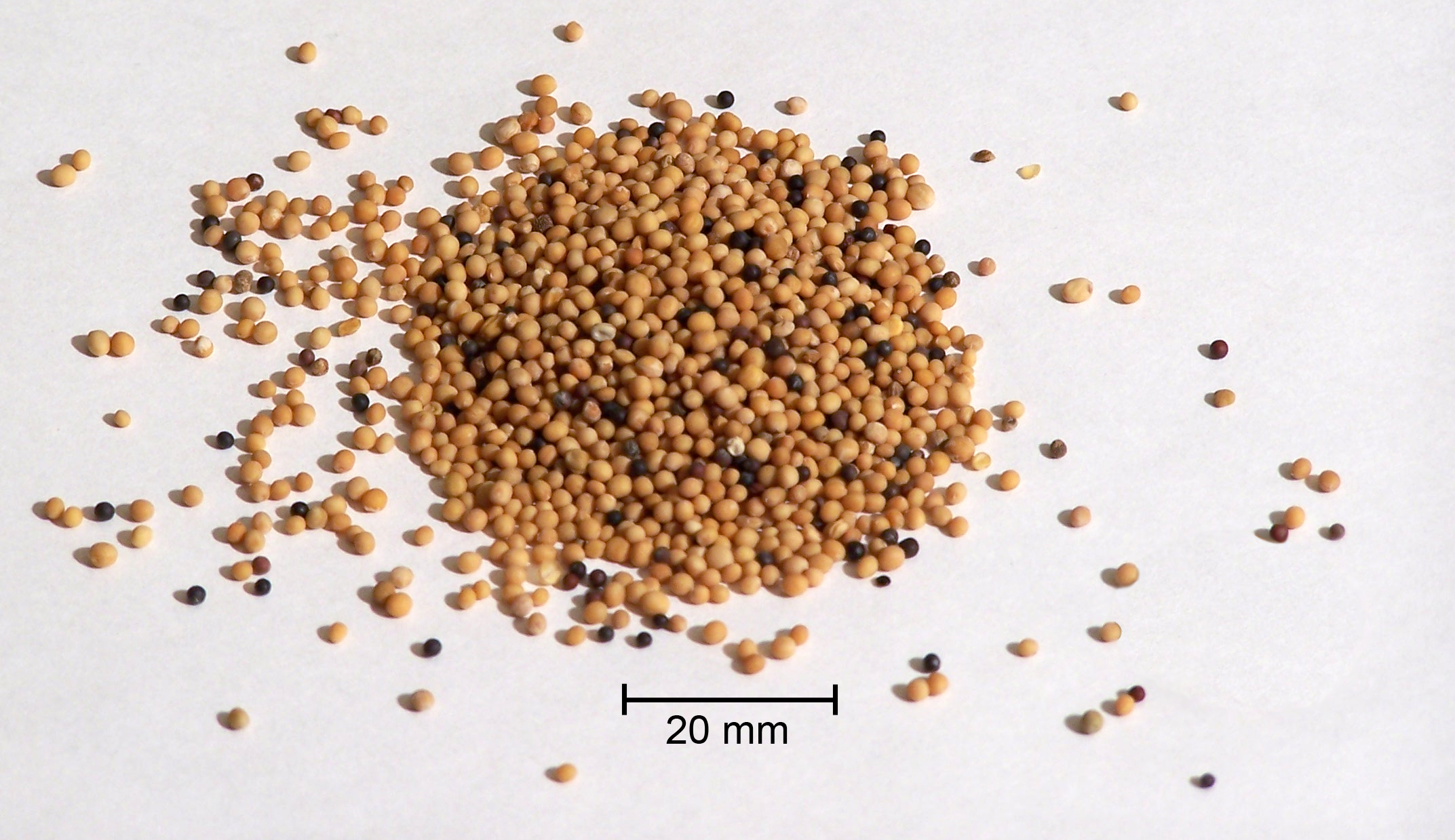
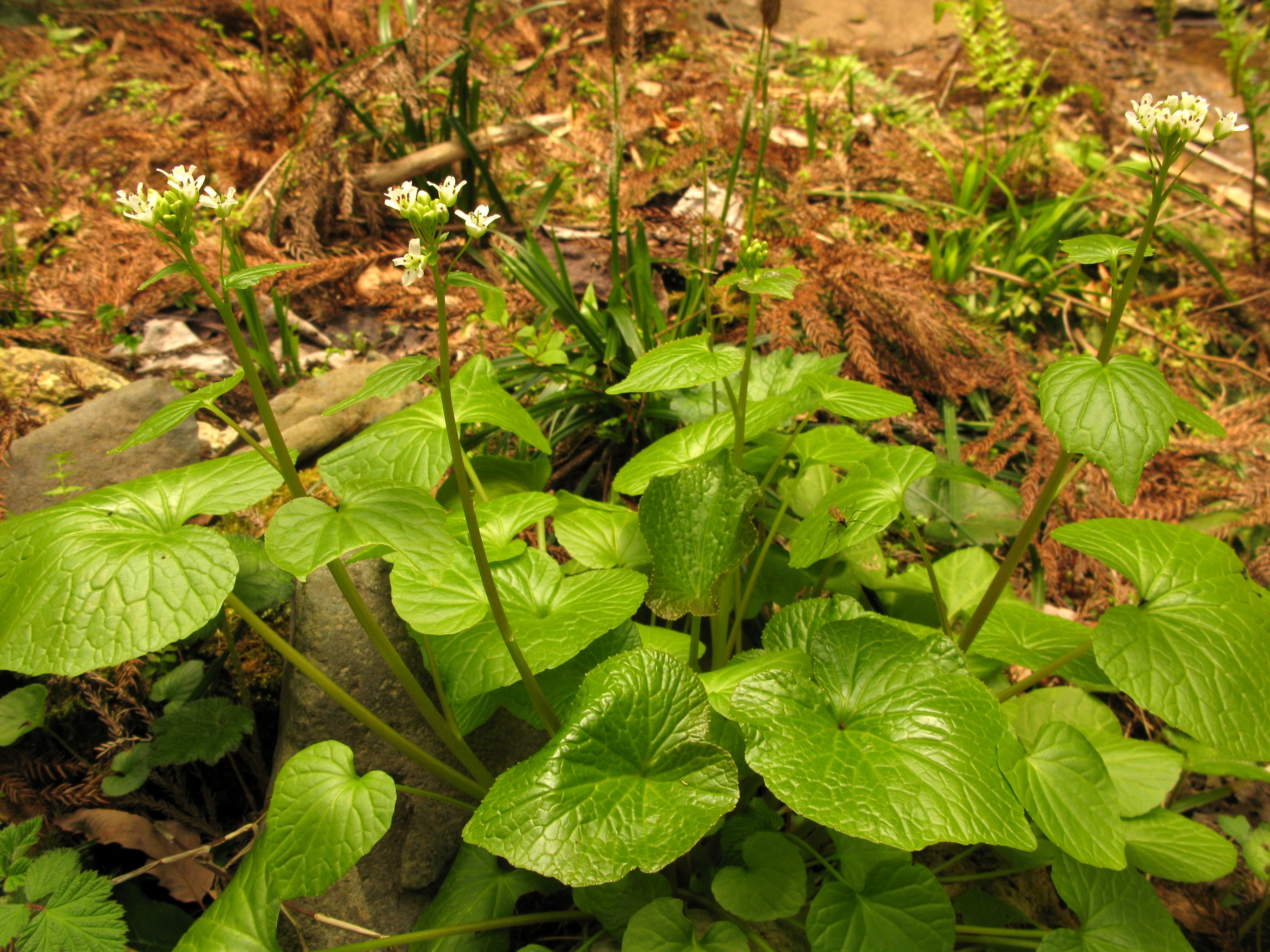
Foods containing this compound


Verified Data
Compound identity and culinary context are continuously cross-referenced across open scientific databases and maintained by Foodgeist's enrichment pipeline.
The Geist can be wrong. Some flavor, taste, and pairing values are model-predicted, not lab-measured.