PubChem CID · CC0
undecan-2-ol
Foods containing this compound

An alcoholic beverage is a drink that typically contains 3% ? 40% ethanol (commonly called alcohol). Alcoholic beverages are divided into three classes: beers, wines, and spirits (distilled beverages). They are legally consumed in most countries around the world. More than 100 countries have laws regulating their production, sale, and consumption.

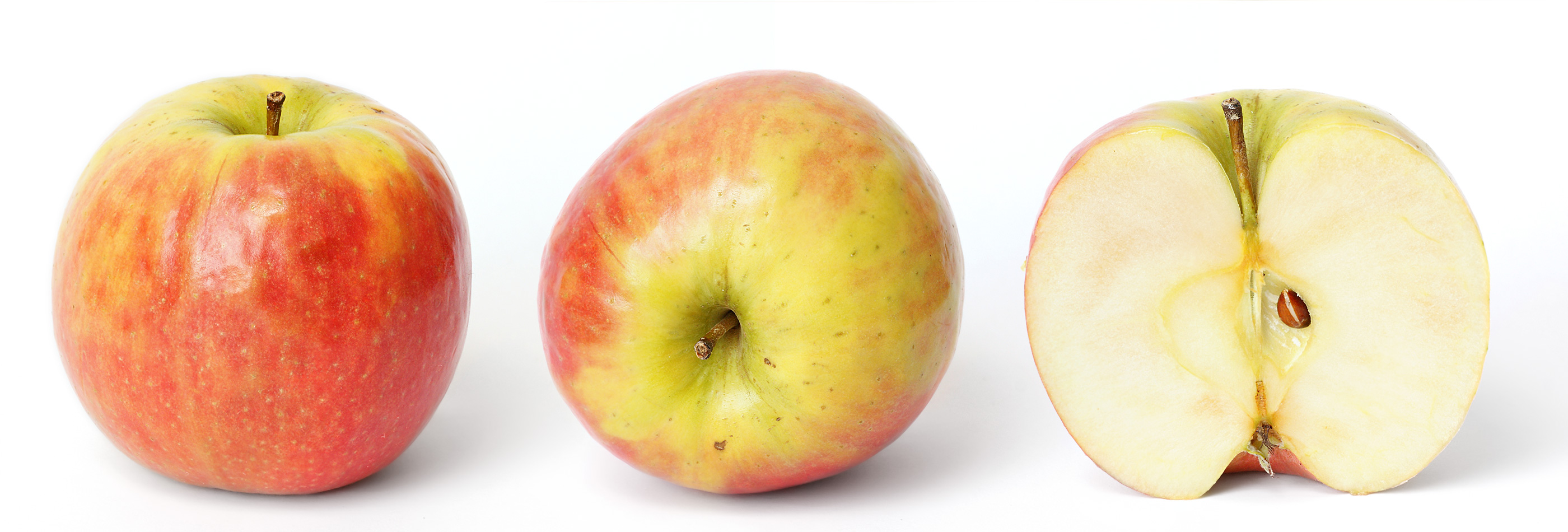
In botany, a pome (after the Latin word for fruit: p?mum) is a type of fruit produced by flowering plants in the subtribe Malinae of the family Rosaceae.
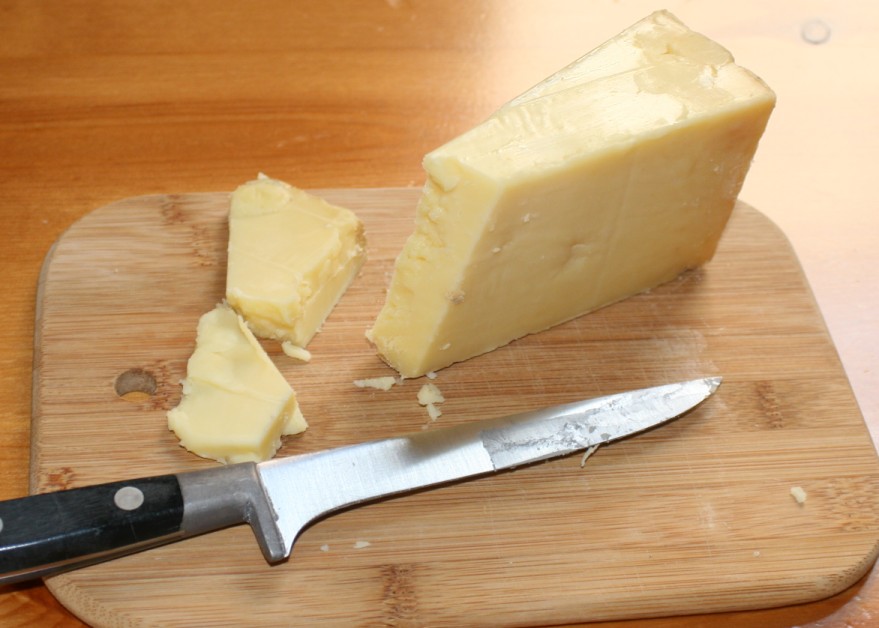
A dairy product is food produced from the milk of mammals. Dairy products are usually high energy-yielding food products. A production plant for the processing of milk is called a dairy or a dairy factory. Apart from breastfed infants, the human consumption of dairy products is sourced primarily from the milk of cows, yet goats, sheep, yaks, horses, camels, and other mammals are other sources of dairy products consumed by humans. Dairy products are commonly found in European, Middle Eastern, and Indian cuisine, whereas aside from Mongolian cuisine they are little-known in traditional Asian cuisine.

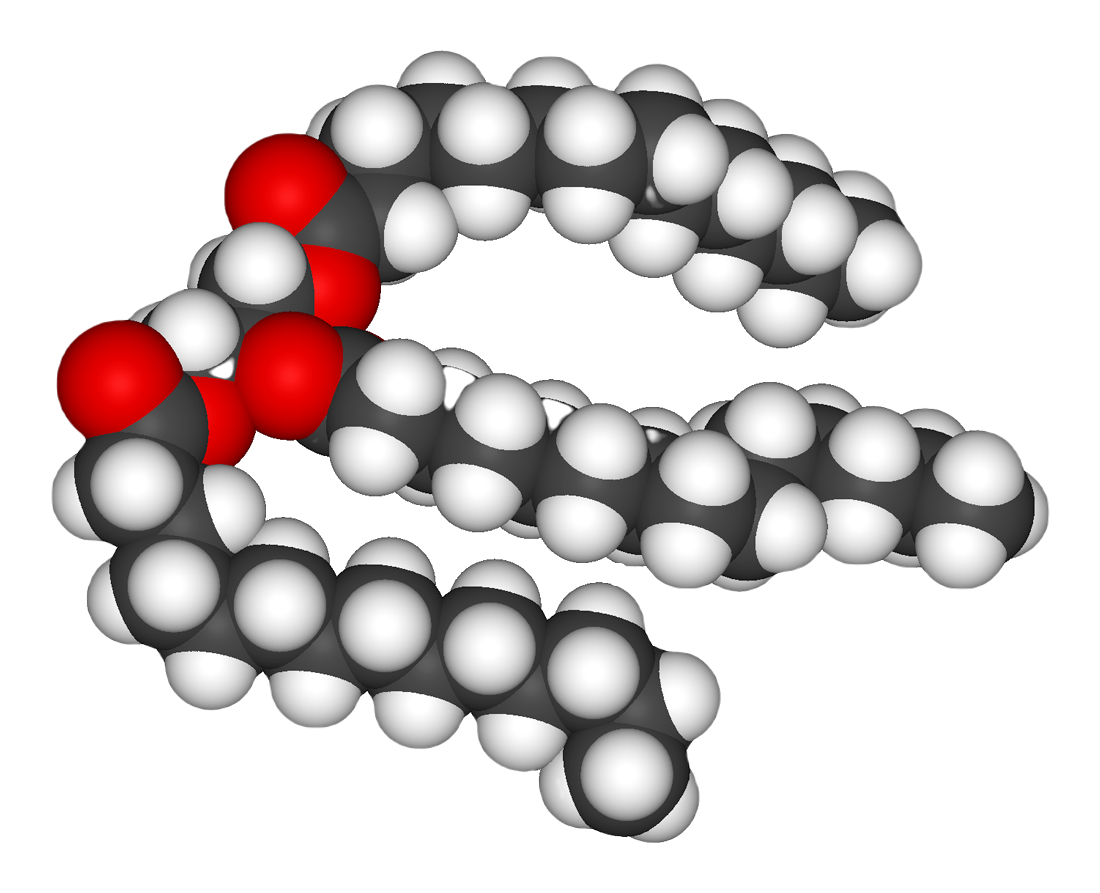
Fats are a wide group of compounds that are generally soluble in organic solvents and generally insoluble in water. Chemically, fats are triglycerides: triesters of glycerol and any of several fatty acids. Fats may be either solid or liquid at room temperature, depending on their structure and composition. Although the words "oils", "fats", and "lipids" are all used to refer to fats, in reality, fat is a subset of lipid. "Oils" is usually used to refer to fats that are liquids at normal room temperature, while "fats" is usually used to refer to fats that are solids at normal room temperature. "Lipids" is used to refer to both liquid and solid fats, along with other related substances, usually in a medical or biochemical context, which are not soluble in water. The word "oil" is also used for any substance that does not mix with water and has a greasy feel, such as petroleum (crude oil), heating oil, and essential oils, regardless of its chemical structure.


In botany, a fruit is a part of a flowering plant that derives from specific tissues of the flower, one or more ovaries, and in some cases accessory tissues. Fruits are the means by which these plants disseminate seeds. Many of them that bear edible fruits, in particular, have propagated with the movements of humans and animals in a symbiotic relationship as a means for seed dispersal and nutrition, respectively; in fact, humans and many animals have become dependent on fruits as a source of food. Fruits account for a substantial fraction of the world's agricultural output, and some (such as the apple and the pomegranate) have acquired extensive cultural and symbolic meanings.
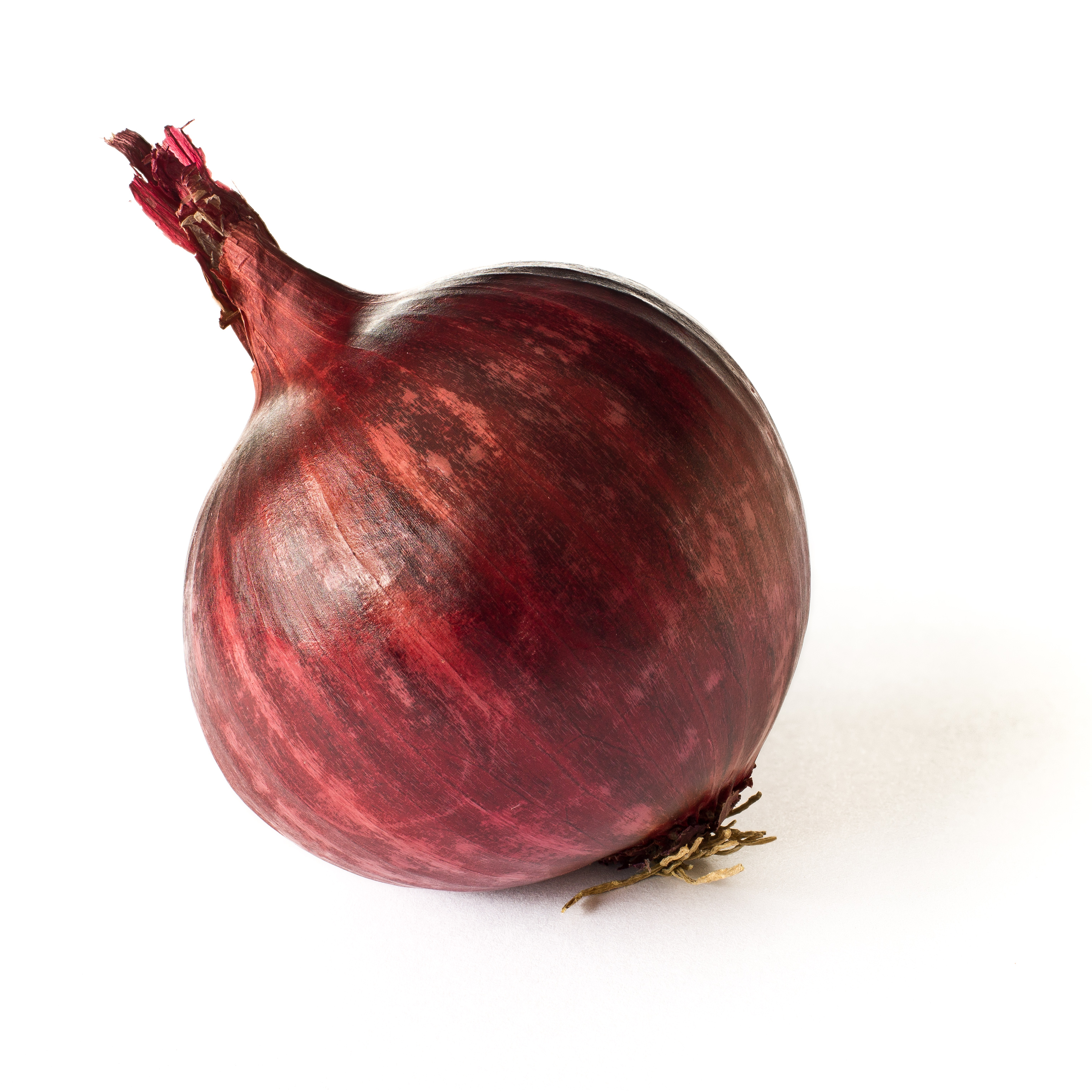
Red onions are cultivars of the onion (Allium cepa) with purplish-red skin and white flesh tinged with red.These onions tend to be medium to large in size and have a mild flavor.Red onions are available throughout the year and are high in flavonoids and fibre (compared to white and yellow onions).
Scallions (also known as green onions, spring onions, chinese onions, or salad onions) are vegetables of various Allium onion species. Scallions have a milder taste than most onions. Their close relatives include garlic, shallot, leek,chive,and Chinese onion.
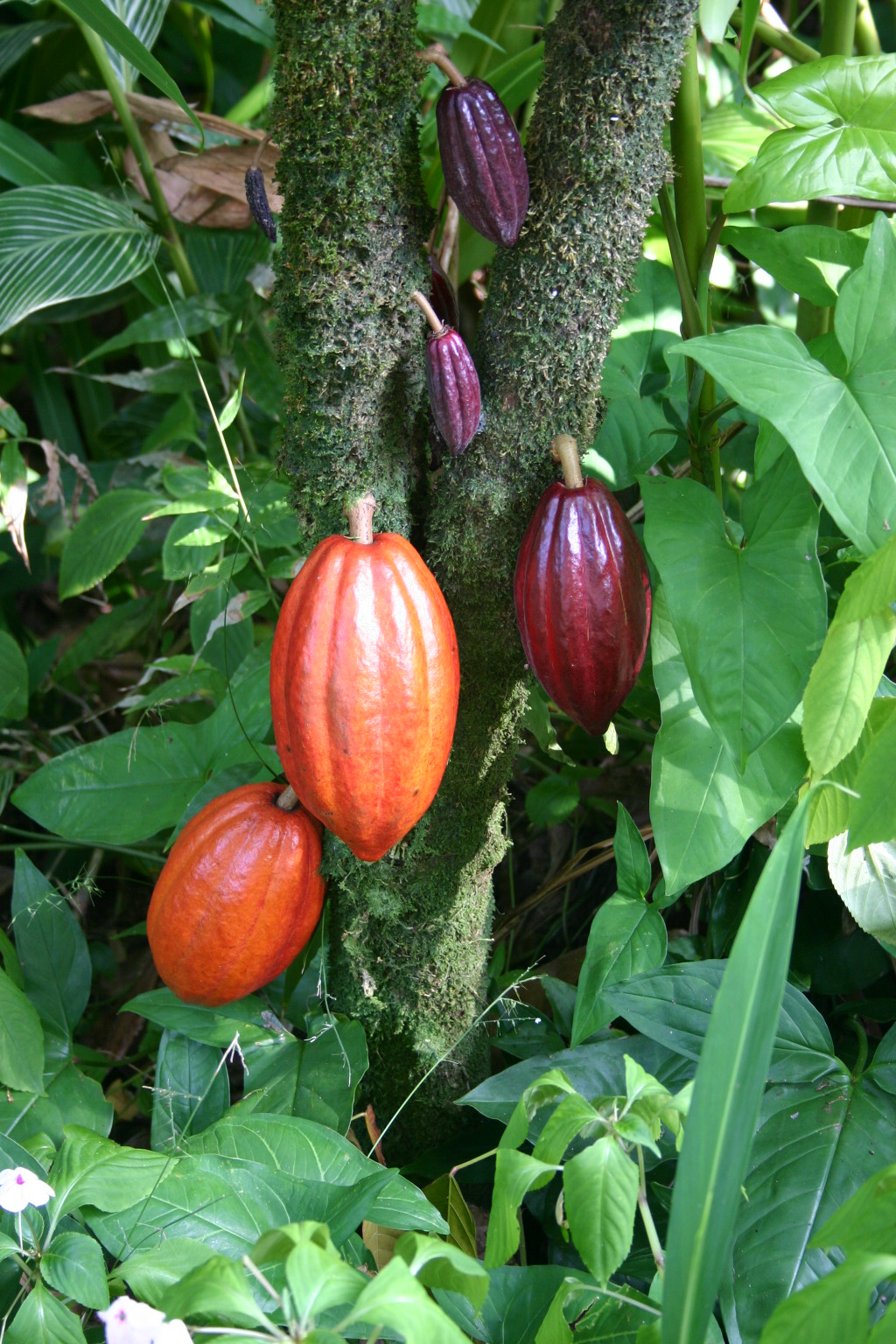
Fatty seed of Theobroma cacao
Source
Compound data linked to PubChem CID 15448, public domain via NCBI. Culinary context + ingredient mappings are maintained by Foodgeist's enrichment fleet and continuously re-matched by the pairings engine. PubChem CID 15448