About
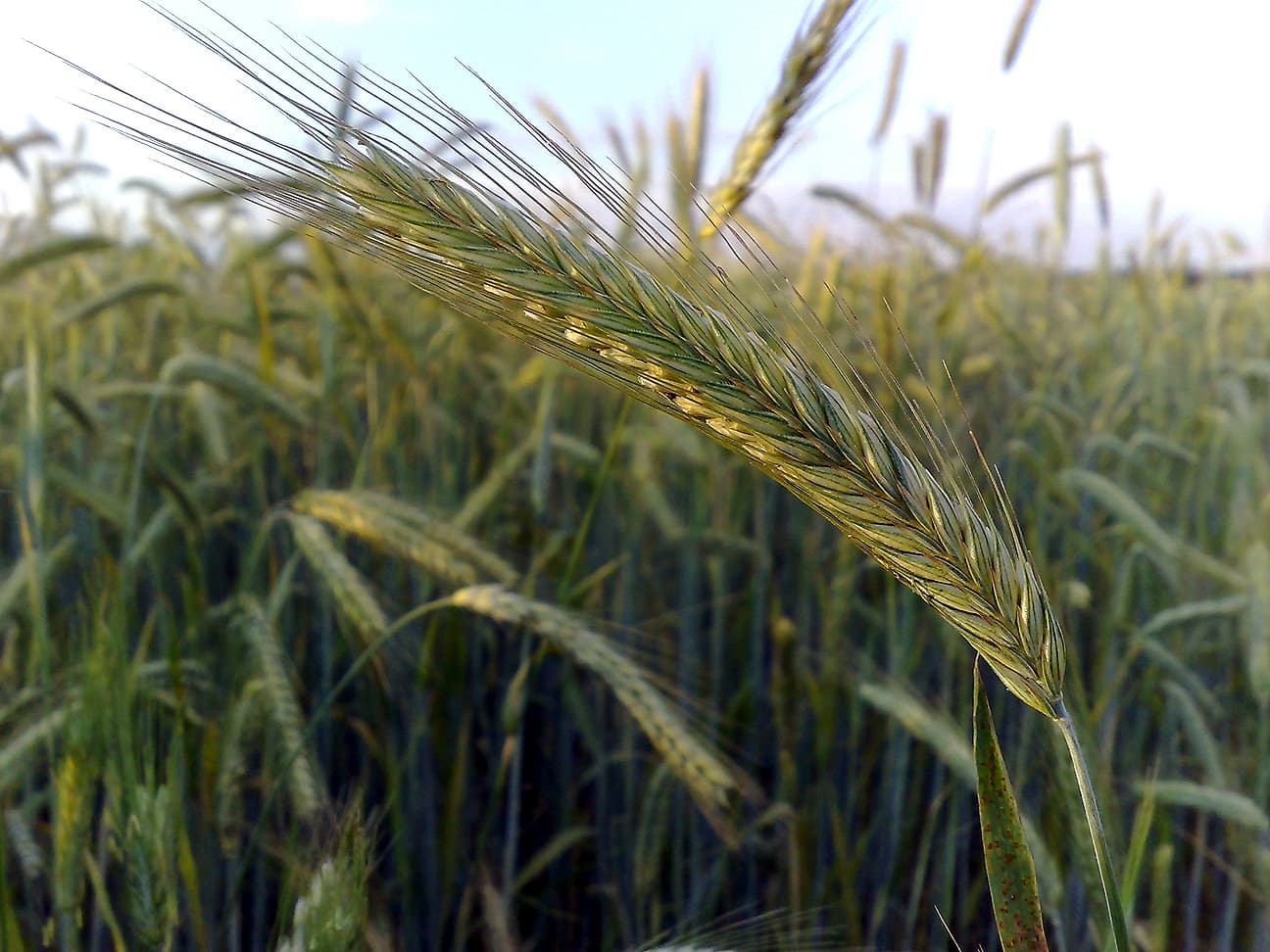
grains of Secale cereale
Aroma profile
Derived from this ingredient’s flavor compounds
dairy×2
creamy×2
caramel×2
powdery×2
vanilla×2
phenolic×2
chocolate×2
medicinal×2
Taste profile
Derived from this ingredient's compounds · measured taste classes
bittersour
Composition
13 compounds predicted — inferred from related foods, not directly measured
predicted composition — no direct measurement on record for this foodMolecular affinity
Pairs well with — ingredients that share aroma compounds
Hard Wheat
9 shared
Pasta, whole grain
5 shared
Rice, whole grain
5 shared
Rice, parboiled
5 shared
Breakfast Cereals
5 shared
Common Wheat
4 shared
Based on shared flavor compounds · click to explore
Commonly combined
Frequently used together in real recipes — ranked by how specifically these ingredients appear together
Sauerkraut
14 recipes
Swiss Cheese
20 recipes
Yeast
16 recipes
Beef
10 recipes
Mayonnaise
21 recipes
Sour Cream
11 recipes
Measured across millions of published recipes · click to explore
Research Evidence
Multi-source verifiedVerification: Independently verified
The Geist can be wrong. Some flavor, taste, and pairing values are model-predicted, not lab-measured.