PubChem CID · CC0
(22α)-hydroxy-campesterol
Odor profile
Multi-model odor estimate · confidence shown
Foods containing this compound

Flax (also known as common flax or linseed) is a member of the genus Linum in the family Linaceae. It is a food and fibre crop that is grown in cooler regions of the world. Flax fibres are taken from the stem of the plant and are two to three times as strong as those of cotton. As well, flax fibres are naturally smooth and straight. Europe and North America depended on flax for cloth until the nineteenth century, when cotton overtook flax as the most common plant used for making linen paper. Flax is grown on the Canadian Praires for linseed oil, which is used as a drying oil in paints and varnish and in products such as linoleum and printing inks. It is native to the region extending from the eastern Mediterranean to India and was probably first domesticated in the Fertile Crescent. Flax was extensively cultivated in ancient Ethiopia and ancient Egypt. A discovery reported in 2009 of spun, dyed, and knotted wild flax fibers in a prehistoric cave in the Republic of Georgia shows that the plant was already in use by humans at the surprisingly early date of 30,000 B.C. New Zealand flax is not related to flax but was named after it, as both plants are used to produce fibers.

Spearmint or spear mint (Mentha spicata) is a species of mint native to much of Europe and southwest Asia, though its exact natural range is uncertain due to extensive early cultivation.

Peppermint (Mentha × piperita, also known as M. balsamea Willd.) is a hybrid mint, a cross between watermint and spearmint. The plant, indigenous to Europe, is now widespread in cultivation throughout all regions of the world. It is found wild occasionally with its parent species. Fresh or dried peppermint leaves are often used alone or with other herbs in herbal teas (tisanes, infusions). Peppermint is used for flavouring ice cream, confectionery, chewing gum, and toothpaste, and can also be found in some shampoos, soaps and skin care products. Menthol activates cold-sensitive TRPM8 receptors in the skin and mucosal tissues, and is the primary source of the cooling sensation that follows the topical application of peppermint oil. Peppermint has a high menthol content. The oil also contains menthone and carboxyl esters, particularly menthyl acetate. Dried peppermint typically has 0.3–0.4% of volatile oil containing menthol (7–48%), menthone (20–46%), menthyl acetate (3–10%), menthofuran (1–17%) and 1,8-cineol (3–6%). Peppermint oil also contains small amounts of many additional compounds including limonene, pulegone, caryophyllene and pinene. Peppermint also contains terpenoids and flavonoids [Wikipedia]
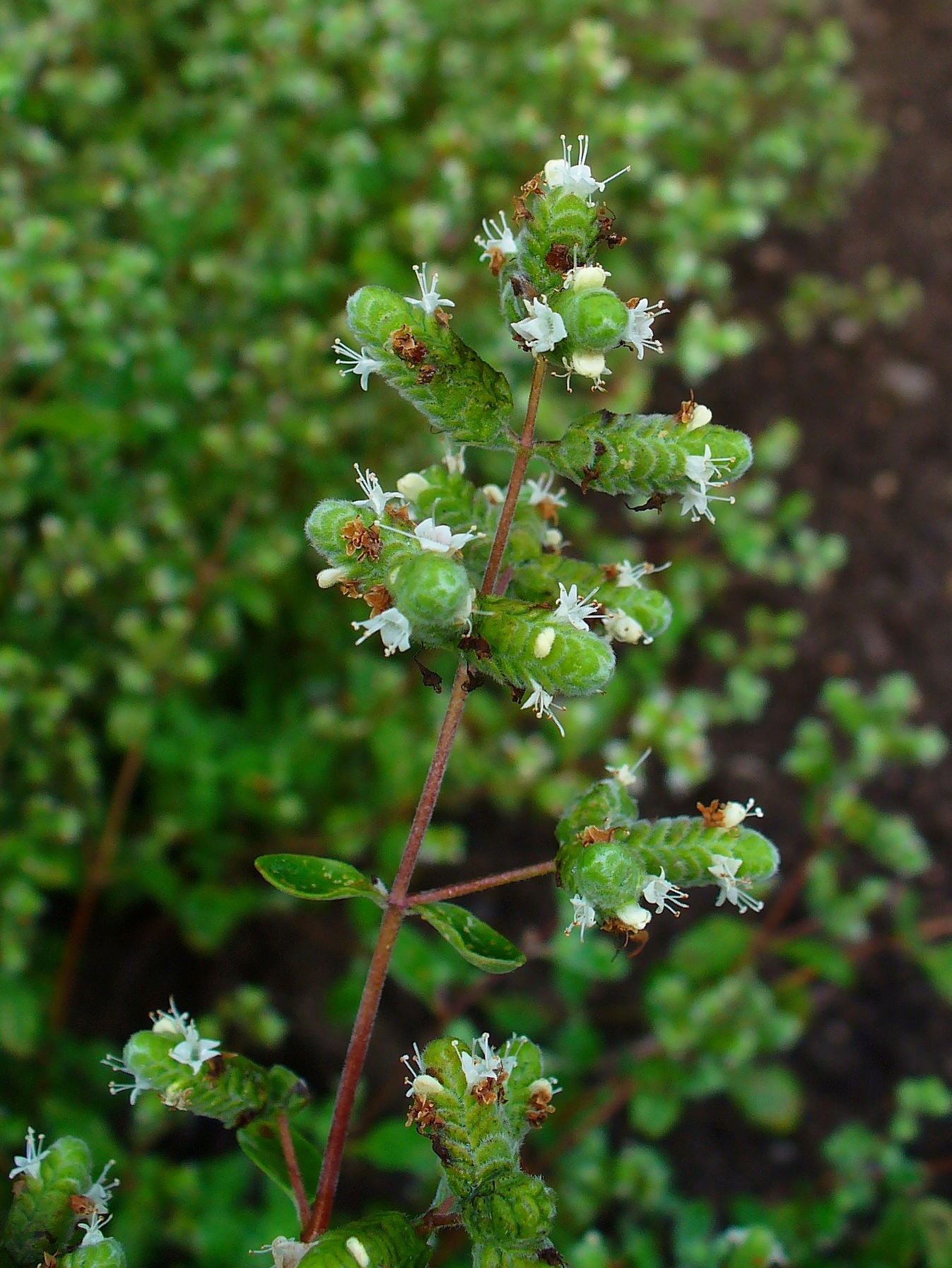
Marjoram (Origanum majorana, syn. Majorana hortensis Moench, Majorana majorana (L.) H. Karst) is a somewhat cold-sensitive perennial herb or undershrub with sweet pine and citrus flavors. In some Middle-Eastern countries, marjoram is synonymous with oregano, and there the names sweet marjoram and knotted marjoram are used to distinguish it from other plants of the genus Origanum.
Oregano (scientific name Origanum vulgare) is a common species of Origanum, a genus of the mint family (Lamiaceae). It is native to warm-temperate western and southwestern Eurasia and the Mediterranean region.

The millets are a group of highly variable small-seeded grasses, widely grown around the world as cereal crops or grains for both human food and fodder. They do not form a taxonomic group, but rather a functional or agronomic one. Millets are important crops in the semi-arid tropics of Asia and Africa, with 97% of millet production in developing countries. The crop is favored due to its productivity and short growing season under dry, high temperature conditions. The most widely grown millet is pearl millet, which is an important crop in India and parts of Africa. Finger millet, proso millet, and foxtail millet are also important crop species. In the developed world, millets are less important. For example, in the United States the only significant crop is proso millet, which is mostly grown for bird seed. While millets are indigenous to many parts of the world, millets most likely had an evolutionary origin in tropical western Africa, as that is where the greatest number of both wild and cultivated forms exist. Millets have been important food staples in human history, particularly in Asia and Africa, and they have been in cultivation in East Asia for the last 10,000 years.

The Poppy is an Angiospermae or flowering plant of the family Papaveraceae. Ornamental poppies are grown for their colorful flowers; some varieties of poppy are used as food, whilst other varieties produce the powerful medicinal alkaloid opium which has been used since ancient times to create analgesic and narcotic medicinal and recreational drugs. Following the trench warfare of the 1st World War which took place in the poppy fields of Flanders, red poppies have become a symbol of remembrance of soldiers who have died during wartime. Poppy flowers have 4 to 6 petals, many stamens forming a conspicuous whorl in the center of the flower and an ovary consisting of from 2 to many fused carpels. Poppies can grow to be over 4 feet tall, and 6 inches across. (Simon, Chadwick, and Craker 1984) The petals are showy, may be of almost any color and some have markings. The petals are crumpled in the bud and as blooming finishes, the petals often lie flat before falling away. The poppy will become dormant after blooming. Poppies are in full bloom late spring to early summer. (Simon, Chadwick, and Craker 1984) Most species secrete latex when injured. The pollen of the oriental poppy, Papaver orientale, is dark blue. The Papaver Somniferum poppy is mainly grown in Eastern and Southern Asia, and South Eastern Europe. It is believed that it originated in the Mediterranean region. (Jonsson and Krzymanski, 1989) The pollen of the field poppy or corn poppy (Papaver rhoeas) is dark green to grey. Bees use poppies as a pollen source. Poppies belong to genera of Papaveraceae, which includes: Papaver – corn poppy, Opium poppy, Oriental poppy, Iceland poppy, and about 120 other species Eschscholzia – California poppy and relatives Meconopsis – Welsh poppy, Nepal poppy, and relatives Stylophorum – Celandine poppy or wood poppy Argemone – Prickly poppy Romneya – Matilija poppy and relatives Canbya – Pygmy poppy Stylomecon – Wind poppy Arctomecon – desert bearpaw poppy Hunnemannia – Tulip poppy Dendromecon – Tree poppy
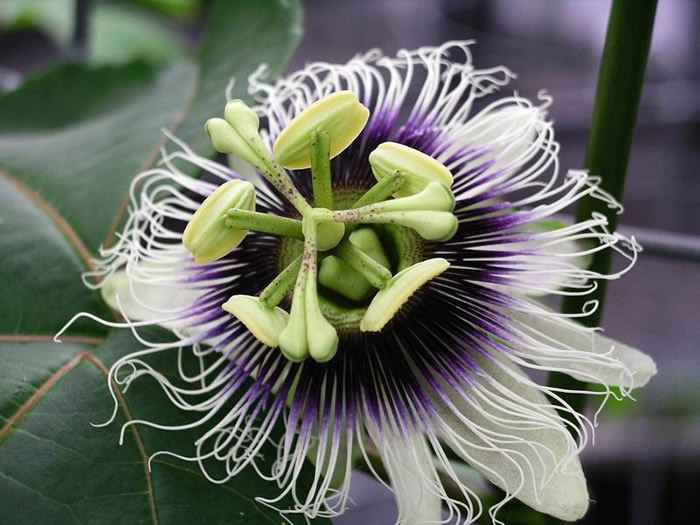
Passiflora edulis is a vine species of passion flower that is native to Brazil, Paraguay and northern Argentina. Its common names include passion fruit (UK and US), passionfruit (Australia and New Zealand), and purple granadilla (South Africa). It is cultivated commercially in warmer, frost-free areas for its fruit and is widely grown in Argentina, Australia, Bolivia, Brazil, the Caribbean, Colombia, Costa Rica, Dominican Republic, East Africa, Ecuador, Haiti, Hawaii, India, Indonesia, Israel, Mexico, New Zealand, Panama, Peru, Portugal, Puerto Rico, Sri Lanka, South Africa, United States, Venezuela and Philippines. The passion fruit is round to oval, either yellow or dark purple at maturity, with a soft to firm, juicy interior filled with numerous seeds. The fruit is both eaten and juiced; passion fruit juice is often added to other fruit juices to enhance the aroma.

The avocado (Persea americana) is a tree native to Central Mexico, classified in the flowering plant family Lauraceae along with cinnamon, camphor and bay laurel. Avocado or alligator pear also refers to the fruit (botanically a large berry that contains a single seed) of the tree. Avocados are commercially valuable and are cultivated in tropical and Mediterranean climates throughout the world. They have a green-skinned, fleshy body that may be pear-shaped, egg-shaped, or spherical. Commercially, it ripens after harvesting. Trees are partially self-pollinating and often are propagated through grafting to maintain a predictable quality and quantity of the fruit.
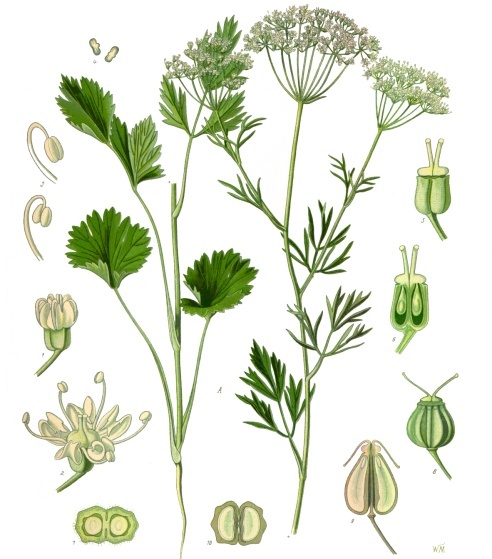
Anise, Pimpinella anisum, also called aniseed, is a flowering plant in the family Apiaceae native to the eastern Mediterranean region and Southwest Asia. Its flavor has similarities with some other spices, such as star anise, fennel and liquorice.
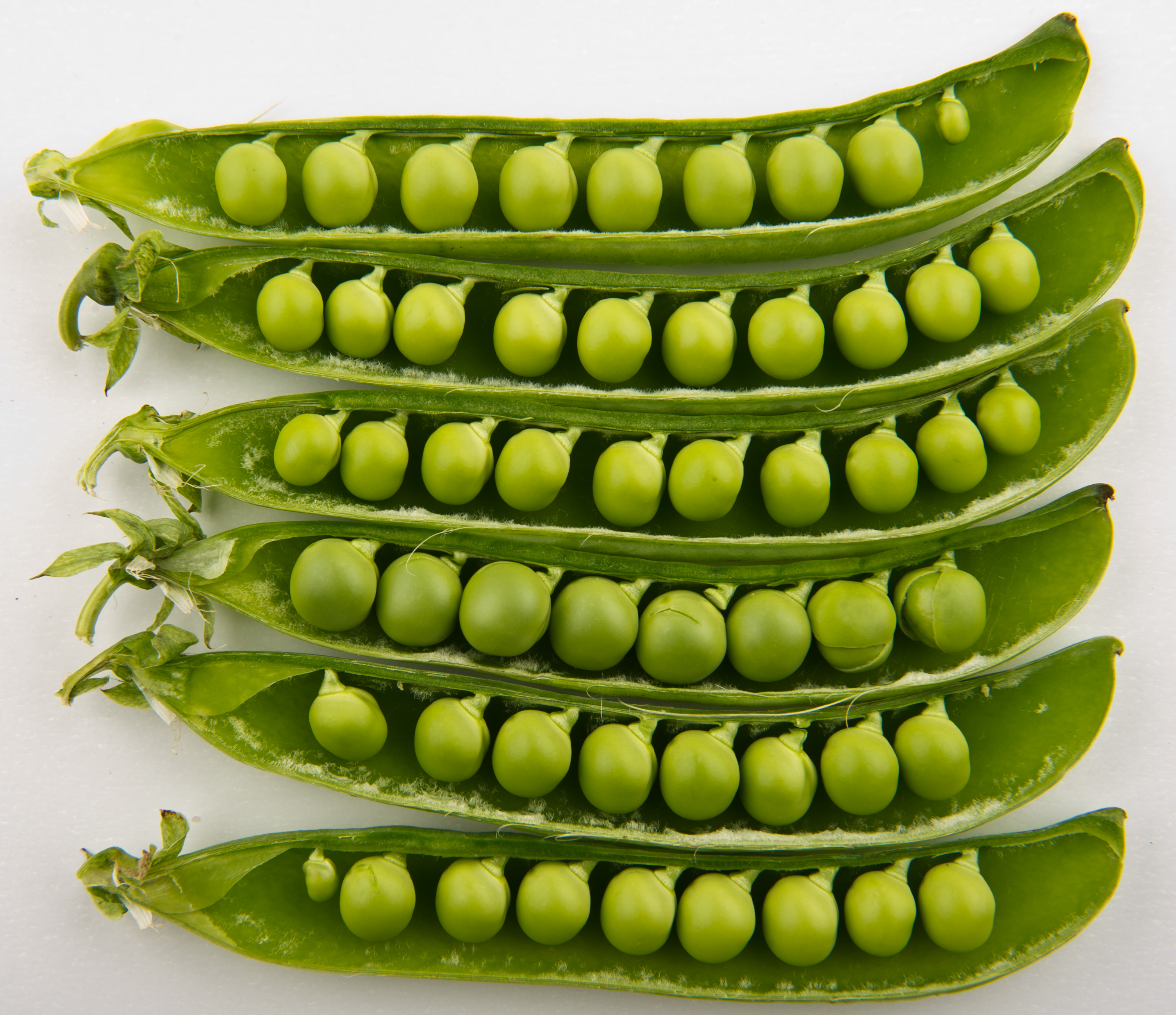
The pea is most commonly the small spherical seed or the seed-pod of the pod fruit Pisum sativum. Each pod contains several peas. Peapods are botanically a fruit, since they contain seeds developed from the ovary of a (pea) flower. However, peas are considered to be a vegetable in cooking. The name is also used to describe other edible seeds from the Fabaceae such as the pigeon pea (Cajanus cajan), the cowpea (Vigna unguiculata), and the seeds from several species of Lathyrus. P. sativum is an annual plant, with a life cycle of one year. It is a cool season crop grown in many parts of the world; planting can take place from winter to early summer depending on location. The average pea weighs between 0.1 and 0.36 grams. The immature peas (and in snow peas the tender pod as well) are used as a vegetable, fresh, frozen or canned; varieties of the species typically called field peas are grown to produce dry peas like the split pea shelled from the matured pod. These are the basis of pease porridge and pea soup, staples of medieval cuisine; in Europe, consuming fresh immature green peas was an innovation of Early Modern cuisine. The wild pea is restricted to the Mediterranean basin and the Near East. The earliest archaeological finds of peas date from the neolithic era of current Syria, Turkey and Jordan. In Egypt, early finds date from ca. 4800–4400 BC in the Nile delta area, and from ca. 3800–3600 BC in Upper Egypt. The pea was also present in Georgia in the 5th millennium BC. Farther east, the finds are younger. Peas were present in Afghanistan ca. 2000 BC, in Harappa, Pakistan, and in northwest India in 2250–1750 BC. In the second half of the 2nd millennium BC, this pulse crop appears in the Gangetic basin and southern India.

The almond (Prunus dulcis, syn. Prunus amygdalus, Amygdalus communis, Amygdalus dulcis) (or badam in Indian English, from Persian: بادام ) is a species of tree native to the Middle East and South Asia. "Almond" is also the name of the edible and widely cultivated seed of this tree. Within the genus Prunus, it is classified with the peach in the subgenus Amygdalus, distinguished from the other subgenera by the corrugated shell (endocarp) surrounding the seed.
The peach (Prunus persica) is a deciduous tree, native to North-West China, in the region between the Tarim basin and the north slopes of the Kunlun Shan mountains, where it was first domesticated and cultivated. It bears an edible juicy fruit also called a peach. The species name persica refers to its widespread cultivation in Persia, whence it was transplanted to Europe. It belongs to the genus Prunus which includes the cherry and plum, in the family Rosaceae. The peach is classified with the almond in the subgenus Amygdalus, distinguished from the other subgenera by the corrugated seed shell.
Wild celery is a common name for several plants Wild celery may refer to Wild growing forms of celery, Apium graveolens Angelica archangelica, cultivated as a vegetable and medicinal plant Lovage, Levisticum officinale, sometimes known as wild celery Vallisneria americana, an aquatic plant in the Hydrocharitaceae family


Horseradish (Armoracia rusticana, syn. Cochlearia armoracia) is a perennial plant of the Brassicaceae family (which also includes mustard, wasabi, broccoli, and cabbage). The plant is probably native to southeastern Europe and western Asia. It is now popular around the world. It grows up to 1.5 metres (5 feet) tall, and is cultivated primarily for its large, white, tapered root. The intact horseradish root has hardly any aroma. When cut or grated, however, enzymes from the now-broken plant cells break down sinigrin to produce allyl isothiocyanate, which irritates the mucous membranes of the sinuses and eyes. Once exposed to air (via grating) or heat, if not used immediately or mixed in vinegar, the grated mash darkens, loses its pungency, and becomes unpleasantly bitter-tasting.
Tarragon (Artemisia dracunculus) is a species of perennial herb in the family Asteraceae. One sub-species, Artemisia dracunculus var. sativa, is cultivated for use of the leaves as an aromatic culinary herb. In some other sub-species, the characteristic aroma is largely absent. The species is polymorphic. Informal names for distinguishing the variations include "French tarragon" (best for culinary use), "Russian tarragon" (typically better than wild tarragon but not as good as so-called French tarragon for culinary use), and "wild tarragon" (covers various states).
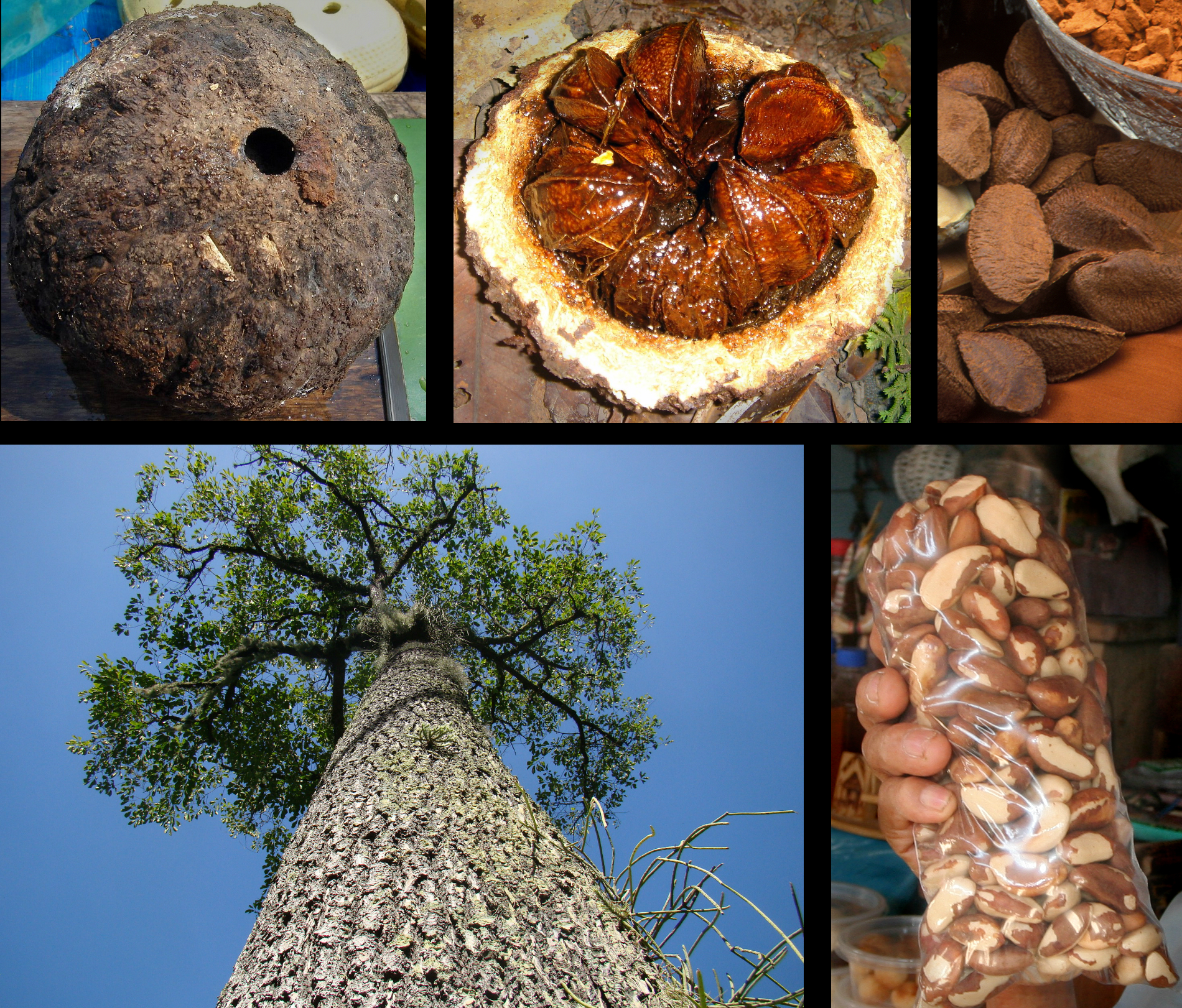
The Brazil nut (Bertholletia excelsa) is a South American tree in the family Lecythidaceae, and also the name of the tree's commercially harvested edible seed.
The swede (from Swedish turnip), rutabaga, turnip, yellow turnip, or neep (Brassica napobrassica, or Brassica napus var. napobrassica, or Brassica napus subsp. rapifera) is a root vegetable that originated as a cross between the cabbage and the turnip. The roots are prepared for human food in a variety of ways, and the leaves can be eaten as a leaf vegetable. The roots and tops are also used as winter feed for livestock, when they may be fed directly, or by allowing the animals to forage the plants in the field.
Rapeseed (Brassica napus), also known as rape, oilseed rape, rapa, rappi, rapaseed (and, in the case of one particular group of cultivars, canola), is a bright yellow flowering member of the family Brassicaceae (mustard or cabbage family). The name derives from the Latin for turnip, r?pa or r?pum, and is first recorded in English at the end of the 14th century. Older writers usually distinguished the turnip and rape by the adjectives round and long (-rooted), respectively. See also Brassica napobrassica, which may be considered a variety of Brassica napus. Some botanists include the closely related Brassica campestris within B. napus.. Brassica napus is cultivated mainly for its oil-rich seed, the third largest source of vegetable oil in the world.

The Brussels sprout is a cultivar in the Gemmifera group of cabbages, grown for its edible buds. The leafy green vegetables are typically 2.5–4 cm (0.98–1.6 in) in diameter and look like miniature cabbages. The Brussels sprout has long been popular in Brussels, Belgium, and may have originated there.
The cherimoya, also spelled chirimoya, is the fruit of the species Annona cherimola, which generally is thought to be native to the Andes, although an alternative hypothesis proposes Central America as the origin of cherimoya because many of its wild relatives occur in this area. Today cherimoya is grown throughout South Asia, Central America, South America, Southern California and southern Andalucia [La Axarquia].

Broccoli is an edible green plant in the cabbage family, whose large flowering head is used as a vegetable. The word broccoli comes from the Italian plural of broccolo, which means "the flowering top of a cabbage", and is the diminutive form of brocco, meaning "small nail" or "sprout". Broccoli is often boiled or steamed but may be eaten raw.

The coconut tree (Cocos nucifera), is a member of the family Arecaceae (palm family). It is the only accepted species in the genus Cocos. The term coconut can refer to the entire coconut palm, the seed, or the fruit, which, botanically, is a drupe, not a nut. The spelling cocoanut is an archaic form of the word. The term is derived from 16th-century Portuguese and Spanish coco, meaning "head" or "skull", from the three indentations on the coconut shell that resemble facial features.

Chinese cabbage (Brassica rapa, subspecies pekinensis and chinensis) can refer to two distinct varieties of Chinese leaf vegetables often used in Chinese cuisine: Pekinensis (napa cabbage) and Chinensis (bok choi).
Sambucus (elder or elderberry) is a genus of flowering plants in the family Adoxaceae. It was formerly placed in the honeysuckle family, Caprifoliaceae, but was reclassified due to genetic evidence. It contains between 5 and 30 species of deciduous shrubs, small trees and herbaceous perennial plants.
Physalis is a genus of plants in the nightshade family (Solanaceae), native to warm temperate and subtropical regions of the world. All but one species are native to the New World, and most species occur in Mexico in particular. At least 46 species are endemic to the country. The genus is characterised by the small orange fruit similar in size, shape and structure to a small tomato, but partly or fully enclosed in a large papery husk derived from the calyx. Many Physalis species are called groundcherries. One name for Physalis peruviana is Cape gooseberry, not to be confused with the true gooseberries, which are of the genus Ribes in the family Grossulariaceae.
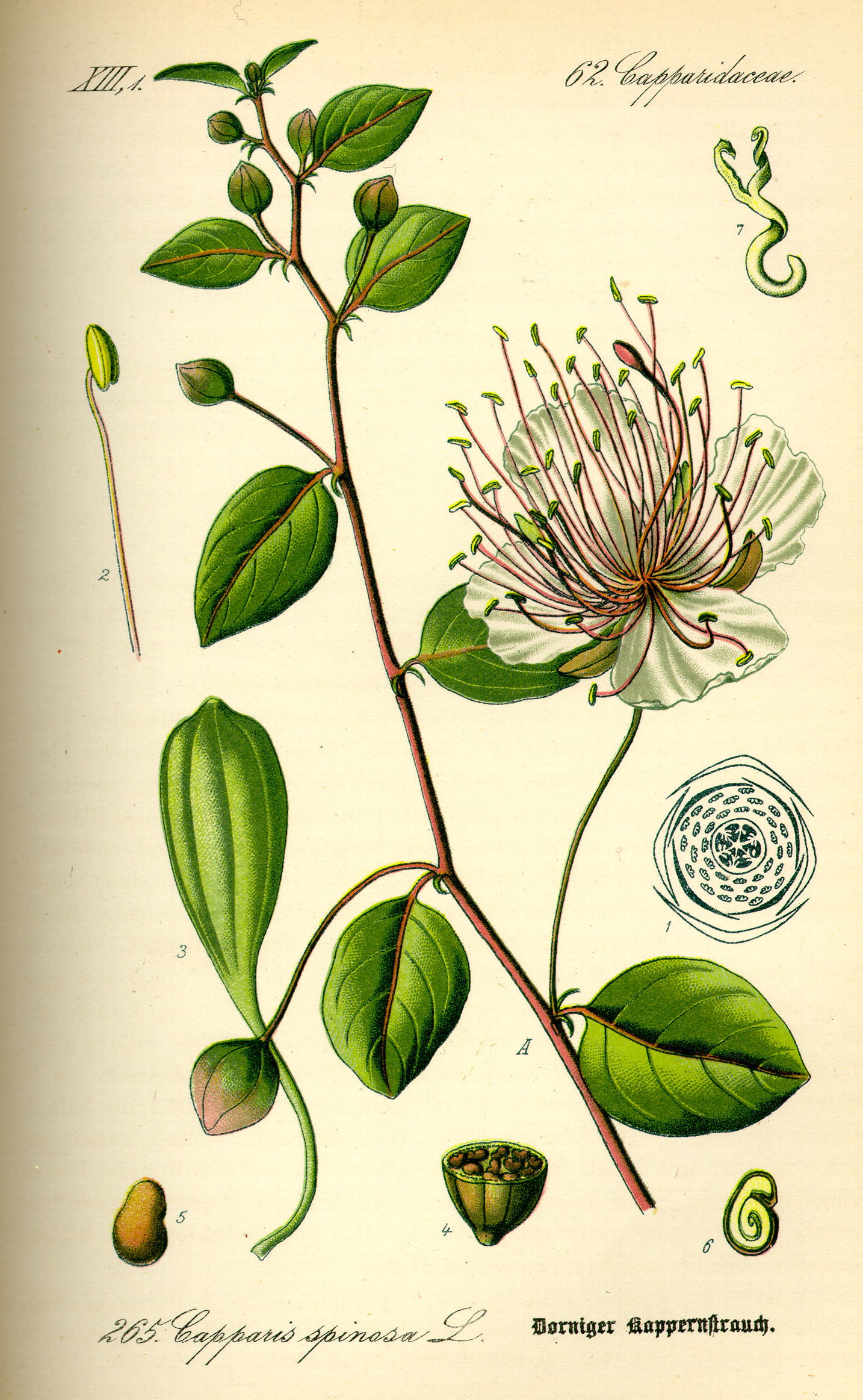
Capparis spinosa, the caper bush, also called Flinders rose, is a perennial winter-deciduous plant that bears rounded, fleshy leaves and large white to pinkish-white flowers. The plant is best known for the edible flower buds (capers), often used as a seasoning, and the fruit (caper berry), both of which are usually consumed pickled. Other species of Capparis are also picked along with C. spinosa for their buds or fruits. Other parts of Capparis plants are used in the manufacture of medicines and cosmetics.
Kumquats or cumquats are a group of small fruit-bearing trees in the flowering plant family Rutaceae, either forming the genus Fortunella, or placed within Citrus sensu lato. The edible fruit closely resembles that of the orange (Citrus sinensis), but it is much smaller and ovular, being approximately the size and shape of a large olive. The English name "kumquat" derives from the Cantonese pronunciation gam1 gwat1 (given in Jyutping romanization).
<i>Capsicum annuum</i> is a domesticated species of the plant genus <i>Capsicum</i> native to southern North America and northern South America. The three species <i>C. annuum</i>, <i>C. frutescens</i> and <i>C. chinense</i> all evolved from a single common ancestor located somewhere in the northwest Brazil - Colombia area. <i>Capsicum annuum</i> is the most common and extensively cultivated of the five domesticated capsicums. The species is a source of popular "sweet peppers":http://en.wikipedia.org/wiki/Bell_peppers and "hot chilis":http://en.wikipedia.org/wiki/Chili_pepper with numerous varieties cultivated all around the world. In American English the plant is commonly known as a chili pepper or bell pepper. In British English, the sweet varieties are called red or green peppers and the hot varieties chillies, whereas in Australian and Indian English the name capsicum is commonly used for bell peppers exclusively and chilli is often used to encompass the hotter varieties. [Wikipedia] See a "list of capsicum cultivars":http://en.wikipedia.org/wiki/List_of_Capsicum_cultivars.

The papaya, papaw, or pawpaw is the fruit of the plant Carica papaya, the sole species in the genus Carica of the plant family Caricaceae. It is native to the tropics of the Americas, perhaps from southern Mexico and neighbouring Central America. It was first cultivated in Mexicoseveral centuries before the emergence of the Mesoamerican classical civilizations. The papaya is a large, tree-like plant, with a single stem growing from 5 to 10 m (to ft) tall, with spirally arranged leaves confined to the top of the trunk. The lower trunk is conspicuously scarred where leaves and fruit were borne. The leaves are large, 50–70 cm in diameter, deeply palmately lobed, with seven lobes. Unusually for such large plants, the trees are dioecious. The tree is usually unbranched, unless lopped. The flowers are similar in shape to the flowers of the Plumeria, but are much smaller and wax-like. They appear on the axils of the leaves, maturing into large fruit - 15–45 cm long and 10–30 cm in diameter. The fruit is ripe when it feels soft (as soft as a ripe avocado or a bit softer) and its skin has attained an amber to orange hue. Carica papaya was the first transgenic fruit tree to have its genome deciphered.

Caraway (Carum carvi), also known as meridian fennel, or Persian cumin, is a biennial plant in the family Apiaceae, native to western Asia, Europe and Northern Africa. The plant is similar in appearance to other members of the carrot family, with finely divided, feathery leaves with thread-like divisions, growing on 20–30 cm stems. The main flower stem is 40–60 cm tall, with small white or pink flowers in umbels. Caraway fruits are crescent-shaped achenes, around 2 mm long, with five pale ridges.

The pecan (Carya illinoinensis) are the fruit of a kind of hickory tree, native to North America and Mexico. Pecans were one of the most recently domesticated major crops. Although wild pecans were well known among native and colonial Americans as a delicacy, the commercial growing of pecans in the United States did not begin until the 1880s. Today, the U.S. produces between 80% and 95% of the world's pecans, with an annual crop of 150–200 thousand tons.
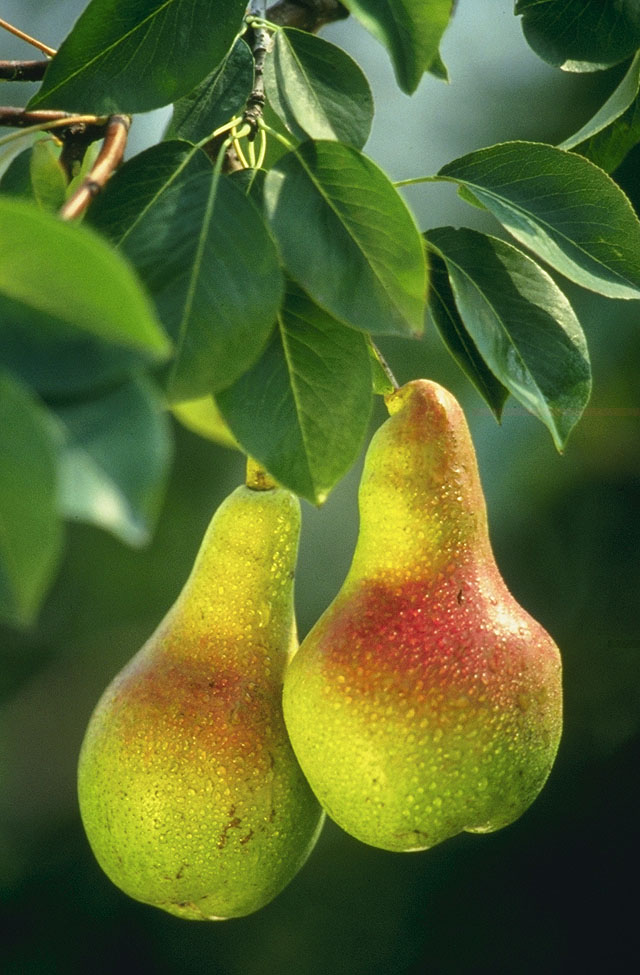
Opuntia, also known as nopales or paddle cactus, is a genus in the cactus family, Cactaceae. Currently, only prickly pears are included in this genus of about 200 species distributed throughout most of the Americas. Chollas are now separated into the genus Cylindropuntia, which some still consider a subgenus of Opuntia. Austrocylindropuntia, Corynopuntia, and Micropuntia are also often included in the present genus, but like Cylindropuntia, they seem rather distinct. Brasiliopuntia and Miqueliopuntia are closer relatives of Opuntia.
The chickpea (Cicer arietinum) is a legume of the family Fabaceae, subfamily Faboideae. Its seeds are high in protein. It is one of the earliest cultivated legumes: 7,500-year-old remains have been found in the Middle East. Other common names for the species include garbanzo bean, ceci bean, sanagalu, chana, hummus and Bengal gram.

Endive, Cichorium endivia, is a leaf vegetable belonging to the daisy family. Endive can be cooked or used raw in salads. Endive is rich in many vitamins and minerals, especially in folate and vitamins A and K, and is high in fiber. There are two main varieties of cultivated C. endivia endive: (1) Curly endive, or frisée (var crispum). This type has narrow, green, curly outer leaves. It is sometimes called chicory in the United States and is called chicorée frisée in French. Further confusion results from the fact that frisée also refers to greens lightly wilted with oil. (2) Escarole, or broad-leaved endive (var latifolia), has broad, pale green leaves and is less bitter than the other varieties. Varieties or names include broad-leaved endive, Bavarian endive, Batavian endive, grumolo, scarola, and scarole. It is eaten like other greens, sauteed, chopped into soups and stews, or as part of a green salad (Wikipedia).

Common chicory, Cichorium intybus, is a somewhat woody, perennial herbaceous plant usually with bright blue flowers, rarely white or pink. Many varieties are cultivated for salad leaves, chicons (blanched buds), or for roots (var. sativum), which are baked, ground, and used as a coffee substitute and additive. It is also grown as a forage crop for livestock. It lives as a wild plant on roadsides in its native Europe, and in North America and Australia, where it has become widely naturalized.
Yam is the common name for some plant species in the genus Dioscorea (family Dioscoreaceae) that form edible tubers. These are perennial herbaceous vines cultivated for the consumption of their starchy tubers in Africa, Asia, Latin America, the Caribbean and Oceania. There are many cultivars of yam. Although some varieties of sweet potato (Ipomoea batatas) are also called yam in parts of the United States and Canada, it is not part of the family Dioscoreaceae; rather it is in the morning glory family Convolvulaceae.
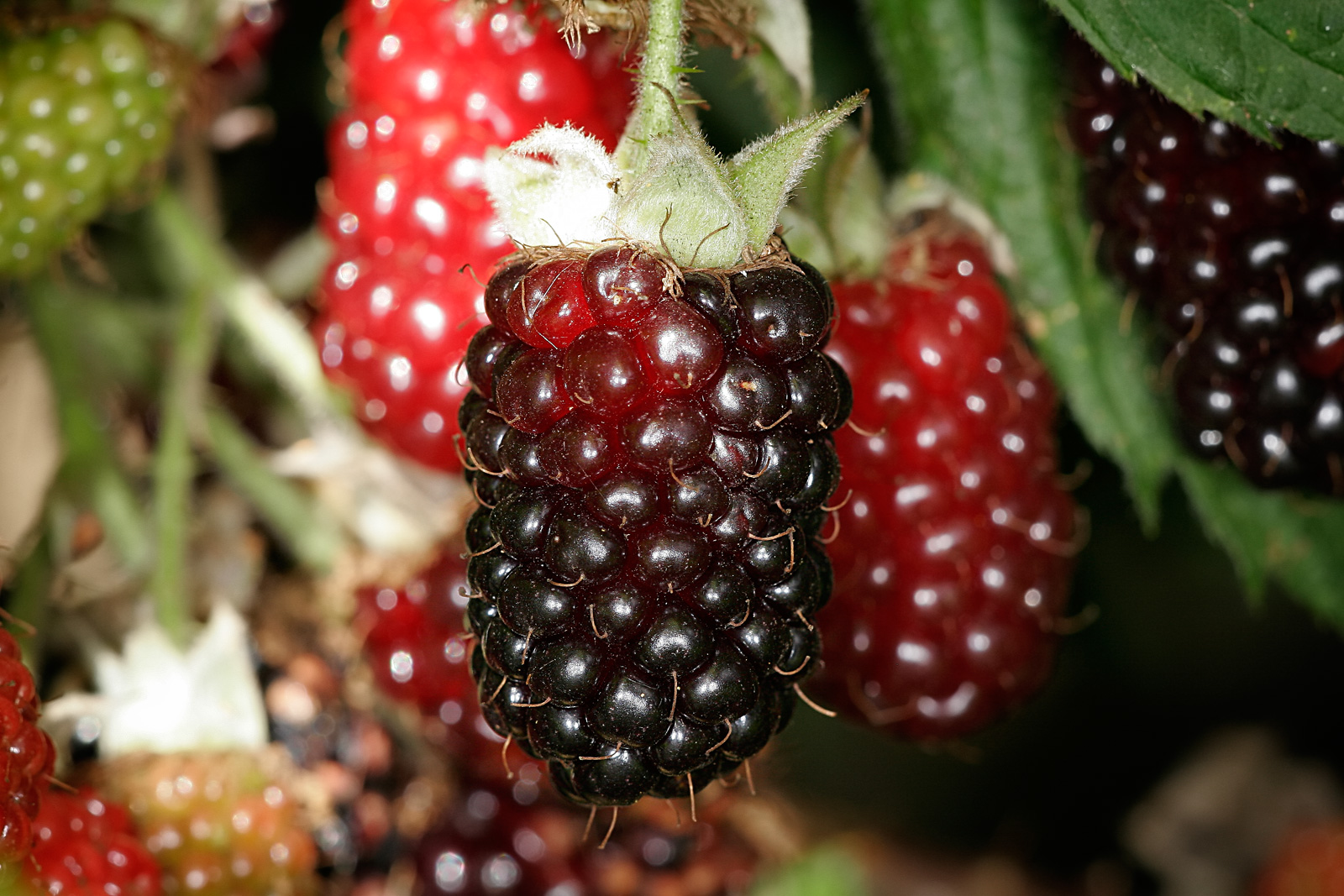
A boysenberry is a cross between a European Raspberry, a Common Blackberry, and a Loganberry. It is a large aggregate fruit, with large seeds and a deep maroon color, which changes to the typical boysenberry color when the fruit is cooked and made into jam and pies.

The Mandarin orange, also known as the mandarin or mandarine, is a small citrus tree (Citrus reticulata) with fruit resembling other oranges. Mandarin oranges are usually eaten plain or in fruit salads. Specifically reddish-orange mandarin cultivars can be marketed as tangerines, but this is not a botanical classification. When exporting began, local Mandarin oranges were named after their port of origin.
Agaricus bisporus—known variously when white as common mushroom, button mushroom, white mushroom, cultivated mushroom, table mushroom, champignon mushroom, crimini mushroom, when brown as Swiss brown mushroom, Roman brown mushroom, Italian brown, Italian mushroom, brown cap mushrooms, chestnut mushroom, and when mature as Portobello mushroom—is an edible basidiomycete mushroom native to grasslands in Europe and North America. Agaricus bisporus is cultivated in more than 70 countries and is one of the most commonly and widely consumed mushrooms in the world.

The orange (specifically, the sweet orange) is the fruit of the citrus species Citrus × sinensis in the family Rutaceae.The fruit of the Citrus sinensis is considered a sweet orange, whereas the fruit of the Citrus aurantium is considered a bitter orange. The orange is a hybrid, possibly between pomelo (Citrus maxima) and mandarin (Citrus reticulata), which has been cultivated since ancient times.

Wheat (Triticum spp. ) is a cereal grain, originally from the Levant region of the Near East and Ethiopian Highlands, but now cultivated worldwide. In 2010, world production of wheat was 651 million tons, making it the third most-produced cereal after maize (844 million tons) and rice (672 million tons). Wheat was the second most-produced cereal in 2009; world production in that year was 682 million tons, after maize (817 million tons), and with rice as a close third (679 million tons). This grain is grown on more land area than any other commercial food. World trade in wheat is greater than for all other crops combined. Globally, wheat is the leading source of vegetable protein in human food, having a higher protein content than soybeans or the other major cereals, maize (corn) or rice. In terms of total production tonnages used for food, it is currently second to rice as the main human food crop and ahead of maize, after allowing for maize's more extensive use in animal feeds. Wheat was a key factor enabling the emergence of city-based societies at the start of civilization because it was one of the first crops that could be easily cultivated on a large scale, and had the additional advantage of yielding a harvest that provides long-term storage of food. Wheat contributed to the emergence of city-states in the Fertile Crescent, including the Babylonian and Assyrian empires. Wheat grain is a staple food used to make flour for leavened, flat and steamed breads, biscuits, cookies, cakes, breakfast cereal, pasta, noodles, couscous and for fermentation to make beer, other alcoholic beverages, or biofuel. Wheat is planted to a limited extent as a forage crop for livestock, and its straw can be used as a construction material for roofing thatch. The whole grain can be milled to leave just the endosperm for white flour. The by-products of this are bran and germ. The whole grain is a concentrated source of vitamins, minerals, and protein, while the refined grain is mostly starch.

Saffron is a spice derived from the flower of Crocus sativus, commonly known as the saffron crocus. Crocus is a genus in the family Iridaceae. Saffron crocus grows to 20-30 cm (8-12 in) and bears up to four flowers, each with three vivid crimson stigmas, which are the distal end of a carpel. Together with the styles, or stalks that connect the stigmas to their host plant, the dried stigmas are used mainly in various cuisines as a seasoning and colouring agent. Saffron, long among the world's most costly spices by weight, is native to Greece or Southwest Asia and was first cultivated in Greece. As a genetically monomorphic clone, it was slowly propagated throughout much of Eurasia and was later brought to parts of North Africa, North America, and Oceania.
Muskmelon (Cucumis melo) is a species of melon that has been developed into many cultivated varieties. These include smooth skinned varieties such as honeydew, crenshaw and casaba, and different netted cultivars (cantaloupe, Persian melon and Santa Claus or Christmas melon). The Armenian cucumber is also a variety of muskmelon, but its shape, taste, and culinary uses more closely resemble those of a cucumber. The large number of cultivars in this species approaches that found in wild cabbage, though morphological variation is not as extensive. It is a fruit of a type called pepo. Muskmelon is native to Persia, Anatolia, Armenia, and adjacent areas on the west and the east which is believed to be their center of origin and development, with a secondary center including the northwest provinces of India and Afghanistan. Although truly wild forms of C. melo have not been found, several related wild species have been noted in those regions.
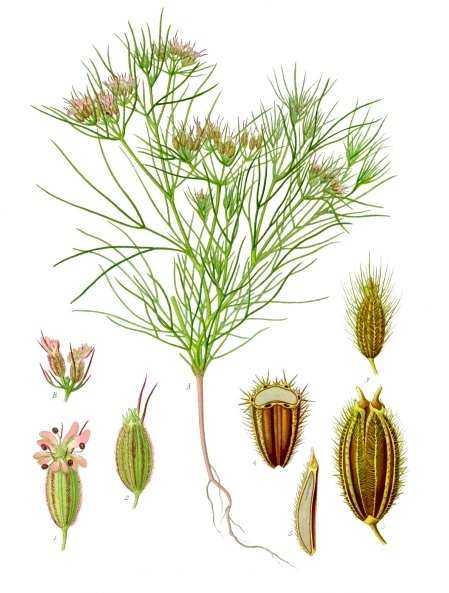
Cumin (Cuminum cyminum) is a flowering plant in the family Apiaceae as caraway, parsley, and dill., native from the east Mediterranean to India. Its seeds (each one contained within a fruit, which is dried) are used in the cuisines of many different cultures, in both whole and ground form. It also has many uses as a traditional medicinal plant. In the ancient Egyptian civilization, cumin was used as spice and as preservative in mummification. Cumin seed is used as a spice for its distinctive flavour and aroma. Cumin can be found in some cheeses, such as Leyden cheese, and in some traditional breads from France. Cumin can be an ingredient in chili powder (often Tex-Mex or Mexican-style), and is found in achiote blends, adobos, sofrito, garam masala, curry powder, and bahaarat. In South Asian cooking, it is often combined with coriander seeds in a powdered mixture called dhana jeera. Cumin's distinctive flavour is strong. It has a warm aroma due to its essential oil content. Its main constituent aroma compounds are cuminaldehyde (a promising agent against alpha-synuclein aggregation) and cuminic alcohol. Other important aroma compounds of toasted cumin are the substituted pyrazines, 2-ethoxy-3-isopropylpyrazine, 2-methoxy-3-sec-butylpyrazine, and 2-methoxy-3-methylpyrazine. Other components include γ-terpinene, safranal, p-cymene and β-pinene [Wikipedia]

The quince (Cydonia oblonga) is the sole member of the genus Cydonia in the family Rosaceae (which also contains apples and pears, among other fruits). It is a small deciduous tree that bears a pome fruit, similar in appearance to a pear, and bright golden-yellow when mature. Throughout history the cooked fruit has been used as food, but the tree is also grown for its attractive pale pink blossom and other ornamental qualities.

The leek is a vegetable that belongs, along with onion and garlic, to the genus Allium, currently placed in family Amaryllidaceae, subfamily Allioideae. Historically many scientific names were used for leeks, which are now treated as cultivars of Allium ampeloprasum. Two related vegetables, elephant garlic and kurrat, are also cultivars of A. ampeloprasum, although different in their uses as food. The edible part of the leek plant is a bundle of leaf sheaths that is sometimes erroneously called a stem or stalk.

The globe artichoke (Cynara cardunculus var. scolymus) is a cultivated variety of a species of thistle. It is cultivated as a food. The edible matter is buds that form within the flower heads before the flowers come into bloom. The buds go away or change to a coarse, barely edible form when the flower blooms. The uncultivated or wild variety of the species is called a cardoon. It is a perennial plant native to the Mediterranean region.
Barley (Hordeum vulgare L. ), a member of the grass family, is a major cereal grain. Important uses include use as animal fodder, as a source of fermentable material for beer and certain distilled beverages, and as a component of various health foods. It is used in soups and stews, and in barley bread of various cultures. Barley grains are commonly made into malt in a traditional and ancient method of preparation. In a 2007 ranking of cereal crops in the world, barley was fourth both in terms of quantity produced (136 million tons) and in area of cultivation (566,000 km²).

Chives is the common name of Allium schoenoprasum, the smallest species of the edible onions. A perennial plant, it is native to Europe, Asia and North America. A. schoenoprasum is the only species of Allium native to both the New and the Old Worlds. The name of the species derives from the Greek skhoínos and práson. Its English name, chives, derives from the French word cive, from cepa, the Latin word for onion. Chives are a commonly used herb and can be found in grocery stores or grown in home gardens. In culinary use, the scapes are diced and used as an ingredient for fish, potatoes, soups, and other dishes. Chives have insect-repelling properties that can be used in gardens to control pests.
Around 50 AD, lettuce leaves were often cooked and served by the Romans with an oil-and-vinegar dressing; however, smaller leaves were sometimes eaten raw. During the 81?96 AD reign of Domitian, the tradition of serving a lettuce salad before a meal began. Post-Roman Europe continued the tradition of poaching lettuce, mainly with large romaine types, as well as the method of pouring a hot oil and vinegar mixture over the leaves. Today, the majority of lettuce is grown for its leaves, although one type is grown for its stem and one for its seeds, which are made into an oil. Most lettuce is used in salads, either alone or with other greens, vegetables, meats and cheeses. Romaine lettuce is often used for Caesar salads, with a dressing that includes anchovies and eggs. Lettuce leaves can also be found in soups, sandwiches and wraps, while the stems are eaten both raw and cooked. The consumption of lettuce in China developed differently from in Western countries, due to health risks and cultural aversion to eating raw leaves. In that country, "salads" were created from cooked vegetables and served hot or cold. Lettuce was also used in a larger variety of dishes than in Western countries, contributing to a range of dishes including bean curd and meat dishes, soups and stir-frys plain or with other vegetables. Stem lettuce, widely consumed in China, is eaten either raw or cooked, the latter primarily in soups and stir-frys.
Laurus nobilis is an aromatic evergreen tree or large shrub with green, glossy leaves, native to the Mediterranean region. It is one of the plants used for bay leaf seasoning in cooking. It is known as bay laurel, sweet bay, bay tree (esp. United Kingdom), true laurel, Grecian laurel, laurel tree or simply laurel. Laurus nobilis figures prominently in classical Greek, Roman, and Biblical culture.

Cress (Lepidium sativum), sometimes referred to as garden cress to distinguish it from similar plants also referred to as cress. Garden Cress is a rather fast-growing, edible herb. Garden cress is genetically related to watercress and mustard, sharing their peppery, tangy flavor and aroma. In some regions, garden cress is known as mustard and cress, garden pepper cress, pepper grass, pepperwort or poor person's pepper. This annual plant can reach a height of 60 cm (~24 inches), with many branches on the upper part. The white to pinkish flowers are only 2 mm (1/12 of an inch) across, clustered in branched racemes.
Source
Compound data linked to PubChem CID 73192390, public domain via NCBI. Culinary context + ingredient mappings are maintained by Foodgeist's enrichment fleet and continuously re-matched by the pairings engine. PubChem CID 73192390