About
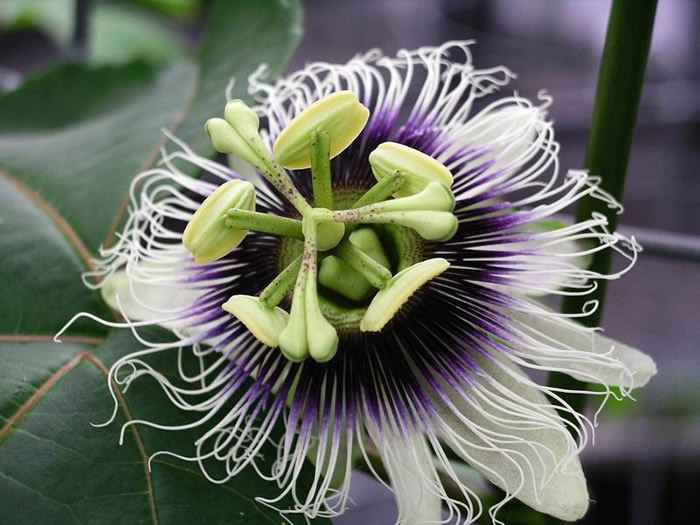
Passiflora edulis is a vine species of passion flower that is native to Brazil, Paraguay and northern Argentina. Its common names include passion fruit (UK and US), passionfruit (Australia and New Zealand), and purple granadilla (South Africa). It is cultivated commercially in warmer, frost-free areas for its fruit and is widely grown in Argentina, Australia, Bolivia, Brazil, the Caribbean, Colombia, Costa Rica, Dominican Republic, East Africa, Ecuador, Haiti, Hawaii, India, Indonesia, Israel, Mexico, New Zealand, Panama, Peru, Portugal, Puerto Rico, Sri Lanka, South Africa, United States, Venezuela and Philippines. The passion fruit is round to oval, either yellow or dark purple at maturity, with a soft to firm, juicy interior filled with numerous seeds. The fruit is both eaten and juiced; passion fruit juice is often added to other fruit juices to enhance the aroma.
Aroma profile
Derived from this ingredient’s flavor compounds
Taste profile
Derived from this ingredient's compounds · measured taste classes
Composition
60 compounds identified — cross-referenced scientific databases
Best pairings
Ranked across every axis at once: shared flavor chemistry, real-recipe co-use, novel-discovery, and nutrient synergy. Pairs agreeing on two or more axes lead.
Molecular affinity
Pairs well with — ingredients that share aroma compounds
Commonly combined
Frequently used together in real recipes — ranked by how specifically these ingredients appear together
Research Evidence
The Geist can be wrong. Some flavor, taste, and pairing values are model-predicted, not lab-measured.