About
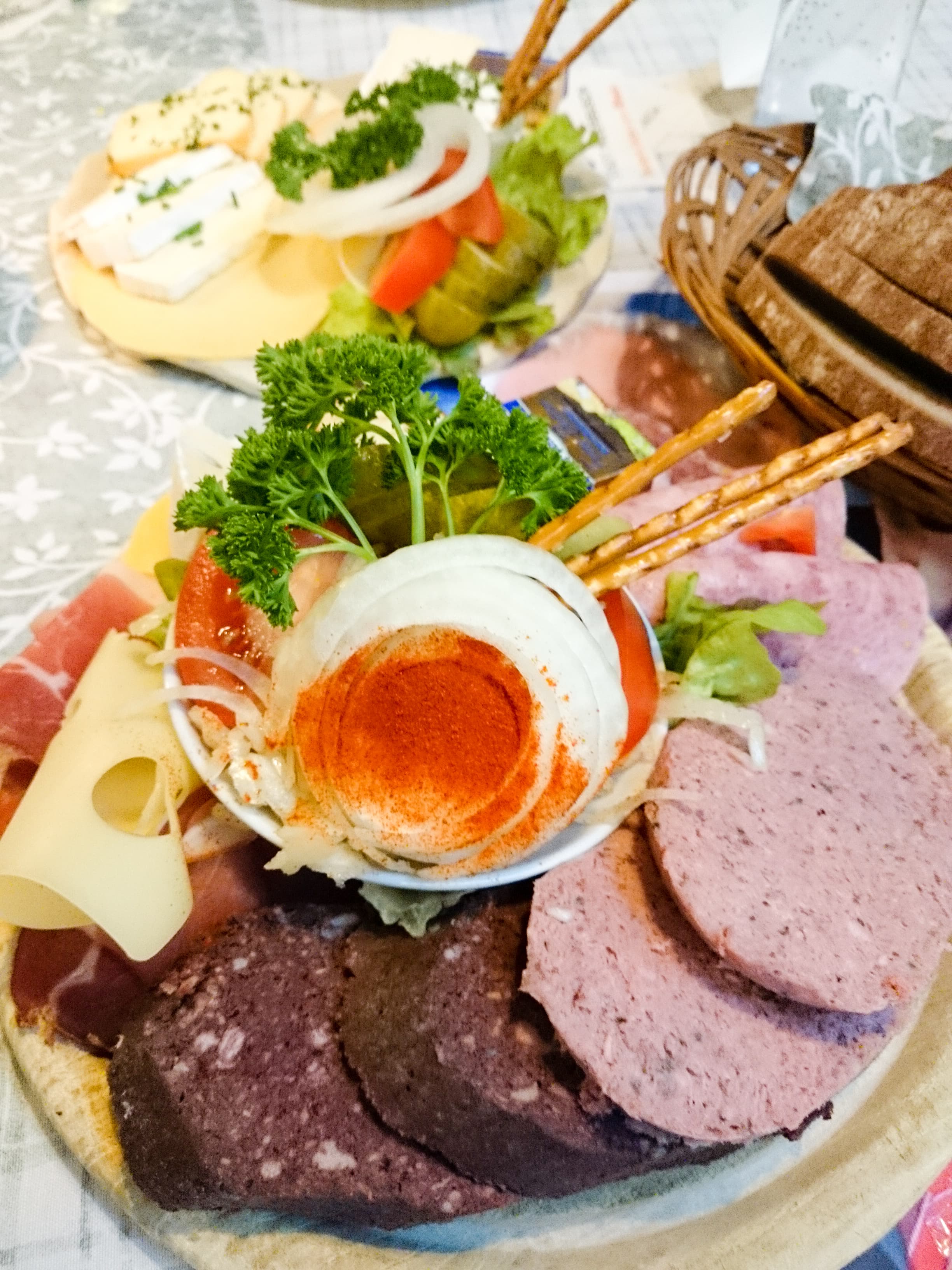
A sausage is a type of meat product usually made from ground meat—often pork, beef, or poultry—along with salt, spices and other flavourings. Other ingredients, such as grains or breadcrumbs, may be included as fillers or extenders.
Aroma profile
Derived from this ingredient’s flavor compounds
fatty×10
wax×6
waxy×6
sharp×6
rancid×5
dairy×5
cheese×5
cheesy×5
Taste profile
Derived from this ingredient's compounds · measured taste classes
bittersweetsourumami
Composition
60 compounds identified — cross-referenced scientific databases
c18:1, n-9oleic acidstarch(z,z)-9,12-octadecadienoic acidbeta-lactosel-glutamic acid(e)-2-phenyl-2-butenall-aspartic acidepsilon-polylysinel-lysined-aspartic acidl-leucineglycineargininel-alaninevaccenic acidl-proline(±)-erythro-isoleucinel-isoleucine
Molecular affinity
Pairs well with — ingredients that share aroma compounds
Research Evidence
Multi-source verifiedVerification: Independently verified
The Geist can be wrong. Some flavor, taste, and pairing values are model-predicted, not lab-measured.