Met-Asn
Molecular structure
Foods containing this compound

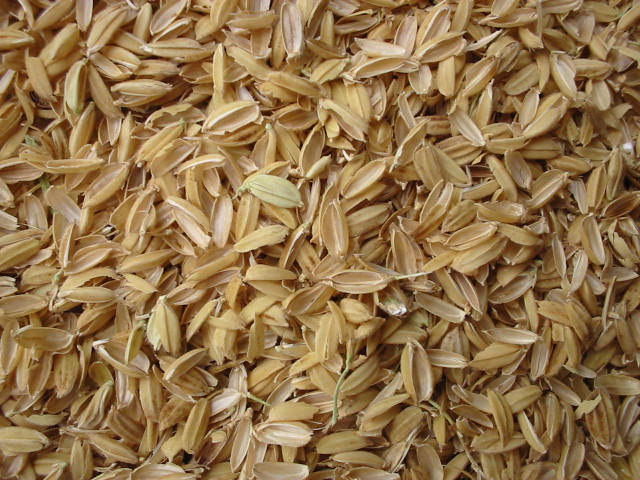




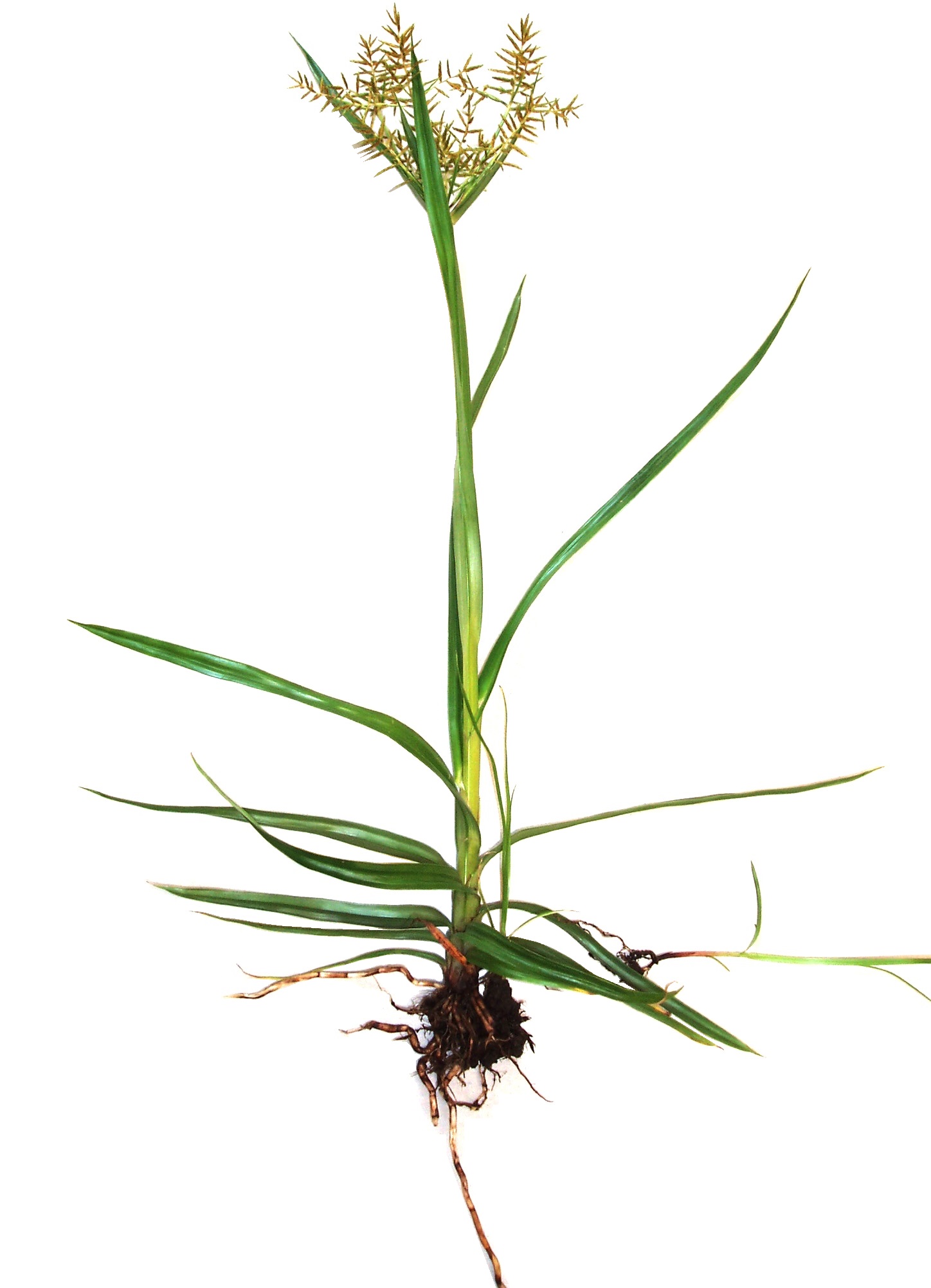
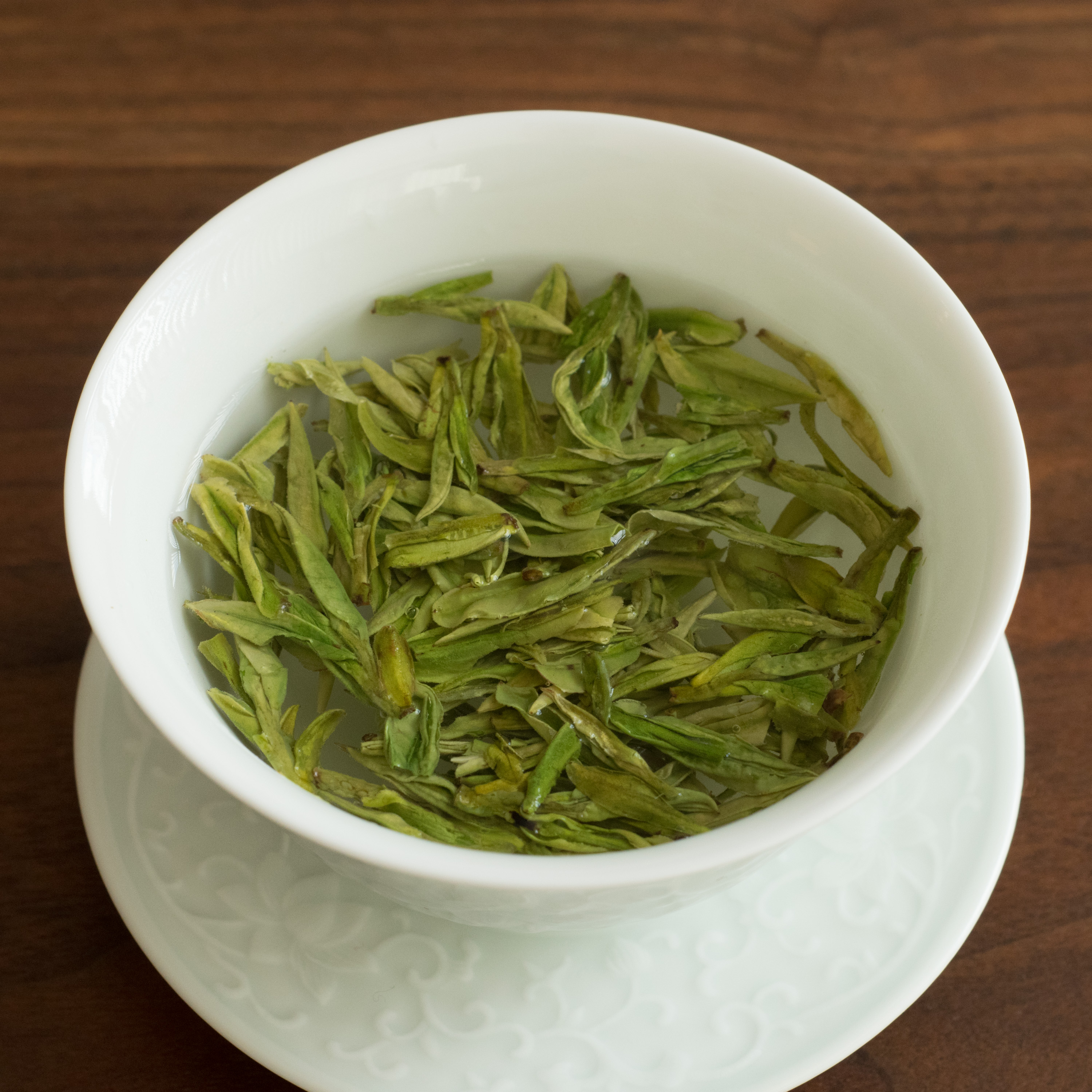
Rice is the seed of the monocot plants Oryza sativa (Asian rice) or Oryza glaberrima (African rice). As a cereal grain, it is the most widely consumed staple food for a large part of the world's human population, especially in Asia and the West Indies. It is the grain with the second-highest worldwide production, after maize (corn), according to data for 2010. Since a large portion of maize crops are grown for purposes other than human consumption, rice is the most important grain with regard to human nutrition and caloric intake, providing more than one fifth of the calories consumed worldwide by the human species. Genetic evidence has shown that rice originates from a single domestication 8,200–13,500 years ago, in the Pearl River valley region of China. Previously, archaeological evidence had suggested that rice was domesticated in the Yangtze River valley region in China. From East Asia, rice spread to Southeast and South Asia. Rice was introduced to Europe through Western Asia, and to the Americas through European colonization. There are many varieties of rice and culinary preferences tend to vary regionally. In the Far East, there is a preference for softer and stickier varieties. Because of its importance as a staple food, rice has considerable cultural importance. Rice is often directly associated with prosperity and fertility. Therefore, there is the custom of throwing rice at weddings. Rice is normally grown as an annual plant, although in tropical areas it can survive as a perennial and can produce a ratoon crop for up to 30 years. The rice plant can grow to 1–1.8 m tall, occasionally more depending on the variety and soil fertility. It has long, slender leaves 50–100 cm long and 2–2.5 cm broad. The small wind-pollinated flowers are produced in a branched arching to pendulous inflorescence 30–50 cm long. The edible seed is a grain 5–12 mm long and 2–3 mm thick. Rice cultivation is well-suited to countries and regions with low labor costs and high rainfall, as it is labor-intensive to cultivate and requires ample water. Rice can be grown practically anywhere, even on a steep hill or mountain. Although its parent species are native to Asia and certain parts of Africa, centuries of trade and exportation have made it commonplace in many cultures worldwide. The traditional method for cultivating rice is flooding the fields while, or after, setting the young seedlings. This simple method requires sound planning and servicing of the water damming and channeling, but reduces the growth of less robust weed and pest plants that have no submerged growth state, and deters vermin. While flooding is not mandatory for the cultivation of rice, all other methods of irrigation require higher effort in weed and pest control during growth periods and a different approach for fertilizing the soil. The name wild rice is usually used for species of the grass genus Zizania, both wild and domesticated, although the term may also be used for primitive or uncultivated varieties of Oryza.
The common oat (Avena sativa) is a species of cereal grain grown for its seed, which is known by the same name (usually in the plural, unlike other grains). While oats are suitable for human consumption as oatmeal and rolled oats, one of the most common uses is as livestock feed.
The chickpea (Cicer arietinum) is a legume of the family Fabaceae, subfamily Faboideae. Its seeds are high in protein. It is one of the earliest cultivated legumes: 7,500-year-old remains have been found in the Middle East. Other common names for the species include garbanzo bean, ceci bean, sanagalu, chana, hummus and Bengal gram.
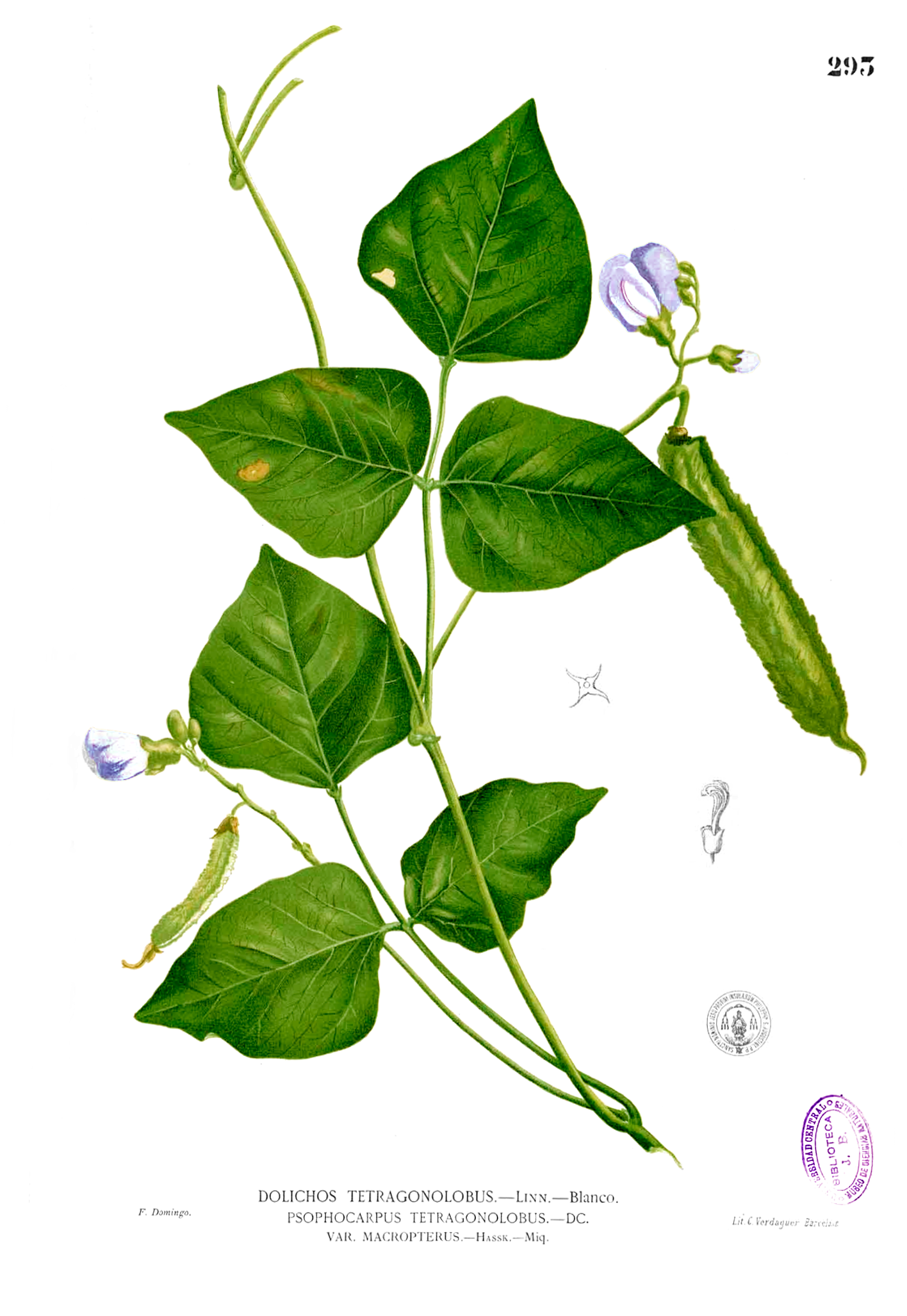
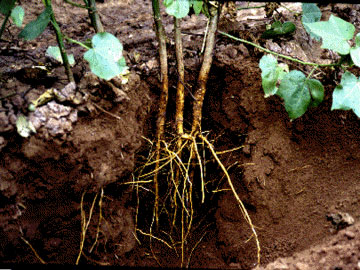
The Winged bean (Psophocarpus tetragonolobus), also known as the Goa bean and Asparagus pea, Four-angled bean and Winged pea, is a tropical legume plant native to New Guinea. It grows abundantly in hot, humid equatorial countries, from the Philippines and Indonesia to India, Burma, Thailand and Sri Lanka. It does well in humid tropics with high rainfall. There are also varieties that can be grown in most areas of the U.S.. The winged bean plant grows as a vine with climbing stems and leaves, 3–4 m in height. It is an herbaceous perennial, but can be grown as an annual. It is generally taller and notably larger than the Common bean. The bean pod is typically 15–22 cm (6–9 in) long and has four wings with frilly edges running lengthwise. The skin is waxy and the flesh partially translucent in the young pods. When the pod is fully ripe, it turns an ash-brown color and splits open to release the seeds. The large flower is a pale blue. The beans themselves are similar to soybeans in both use and nutritional content (being 29.8% to 39% protein). The plant is one of the best nitrogen fixers with nodulation accomplished by the soil bacterium Rhizobium. Because of its ability to fix nitrogen from the atmosphere, the plant requires very little or no fertilizers. Being a tropical plant, it is sensitive to frost. Most plants will not flower if the day length is more than 12 hours, meaning they will not produce pods in most temperate zones, although day length neutral cultivars do exist. The seeds have a hard coat and it helps to soak them before planting to hasten germination. The plant grows very quickly, reaching a length of four meters in a few weeks.
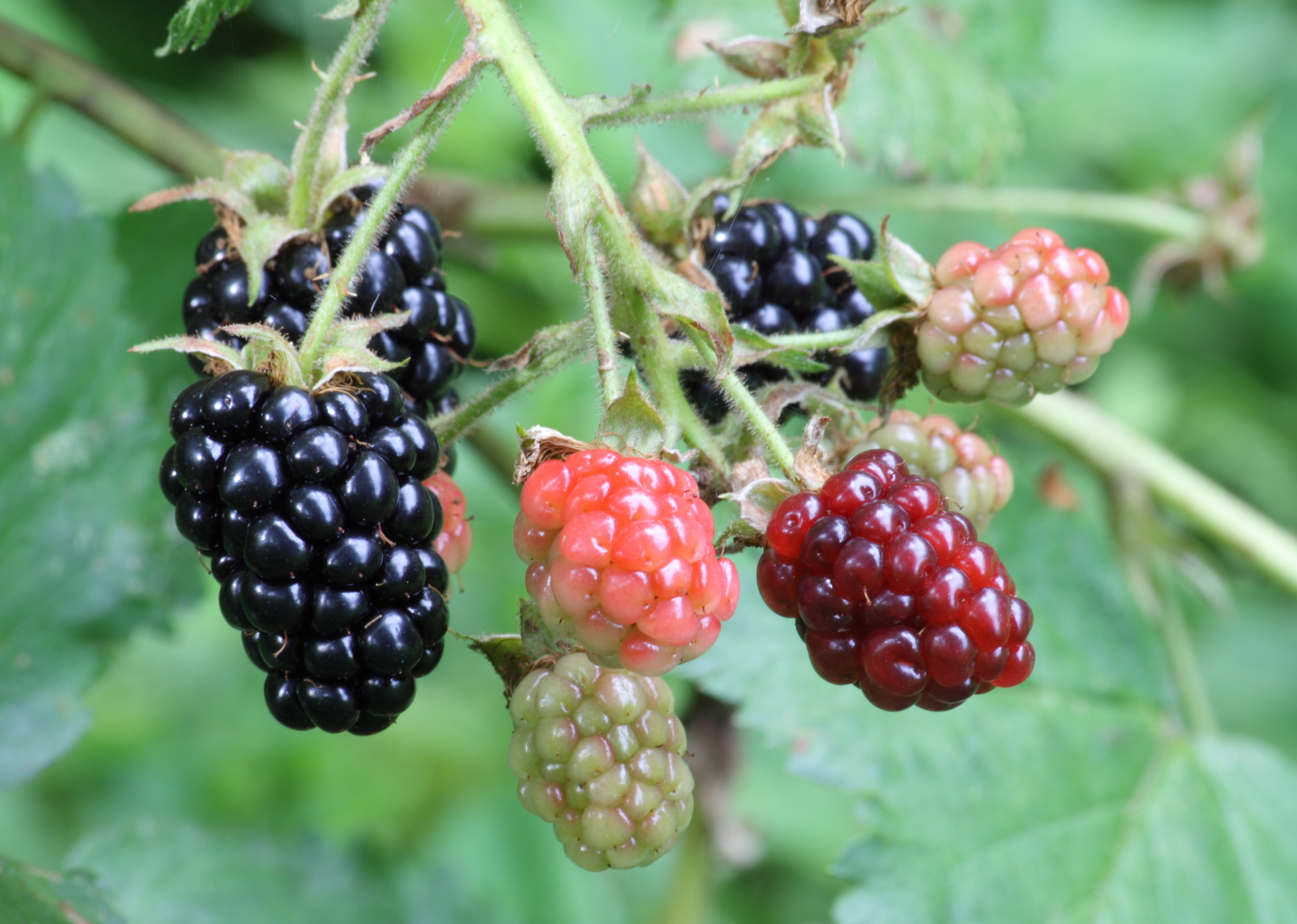
The blackberry is an edible fruit produced by many species in the genus Rubus in the family Rosaceae. Blackberry is a perennial plant that grows to 3-6 meter tall. The pale pink flowers are produced in late spring and early summer. The fruits are rich in vitamin C, anthocyanins, flavonols and ellagitannins (PMID: 22082199), they have shown the beneficial effects to human health (PMID: 22082199)


cannabis strain
bone of chicken

fruit of the coconut palm used as food and raw material

edible seed of the Phaseolus vulgaris plant
skin of any fish

edible berry of a flowering plant in the family Vitaceae

dry, edible fruit or seed which usually has a high fat content

edible fruit

hard candy

type of plant species with edible, often red, berry fruit

fruit of various species of Vaccinium
edible berry of a flowering plant in the family Vitaceae

citrus fruit of the orange tree
Nutrient-rich liquid produced by mammals

Edible seeds of Salvia hispanica or related
Verified Data
Compound identity and culinary context are continuously cross-referenced across open scientific databases and maintained by Foodgeist's enrichment pipeline.
The Geist can be wrong. Some flavor, taste, and pairing values are model-predicted, not lab-measured.