PubChem CID · CC0
4-hydroxycinnamaldehyde
Odor profile
Multi-model odor estimate · confidence shown
Bioactivity signal
Structure-activity model estimate · not measured
Biochemical reactions
Metabolic reactions from RHEA (EMBL-EBI/SIB) · peer-reviewed
(E)-4-coumaroyl alcohol + NADP(+) = (E)-4-coumaraldehyde + NADPH + H(+)
(E)-4-coumaraldehyde + NADP(+) + CoA = (E)-4-coumaroyl-CoA + NADPH + H(+)
(E)-4-coumaroyl alcohol + A = (E)-4-coumaraldehyde + AH2
(E)-4-coumaraldehyde + reduced [NADPH--hemoprotein reductase] + O2 = (E)-caffeyl aldehyde + oxidized [NADPH--hemoprotein reductase] + H2O + H(+)
Foods containing this compound

The mango is a fleshy stone fruit belonging to the genus Mangifera, consisting of numerous tropical fruiting trees in the flowering plant family Anacardiaceae. The mango is native to South Asia, from where it has been distributed worldwide to become one of the most cultivated fruits in the tropics. While other Mangifera species (e.g. horse mango, M. foetida) are also grown on a more localized basis, Mangifera indica – the 'common mango' or 'Indian mango' – is the only mango tree commonly cultivated in many tropical and subtropical regions. It is the national fruit of India, Philippines and Pakistan. In several cultures, its fruit and leaves are ritually used as floral decorations at weddings, public celebrations and religious ceremonies.
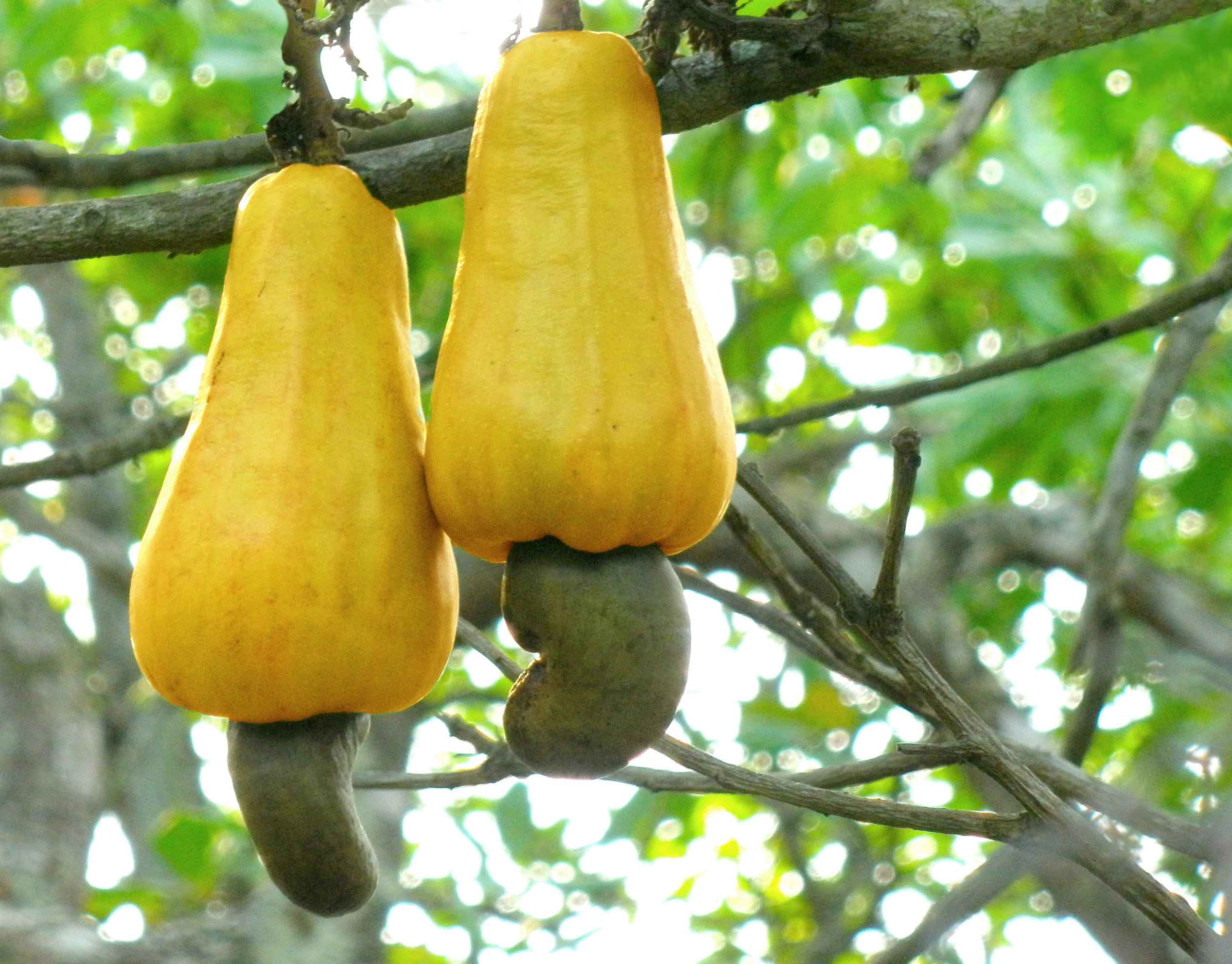
The cashew, or caju, is a small tree native to Brazil. Cashew nuts are the seeds of the cashew apple, and are found in the grey bump at the end of the fruit. The cashew apple itself is sweet, soft and juicy.Cashews are usually sold roasted and salted and eaten as a snack.
Source
Compound data linked to PubChem CID 641301, public domain via NCBI. Culinary context + ingredient mappings are maintained by Foodgeist's enrichment fleet and continuously re-matched by the pairings engine. PubChem CID 641301
The Geist can be wrong. Some flavor, taste, and pairing values are model-predicted, not lab-measured.