Foodgeist is a participant in the Amazon Services LLC Associates Program, an affiliate advertising program designed to provide a means for sites to earn advertising fees by advertising and linking to Amazon.com. As an Amazon Associate we earn from qualifying purchases.
Lentils — Ingredient · Foodgeist
Ingredient
Lentils
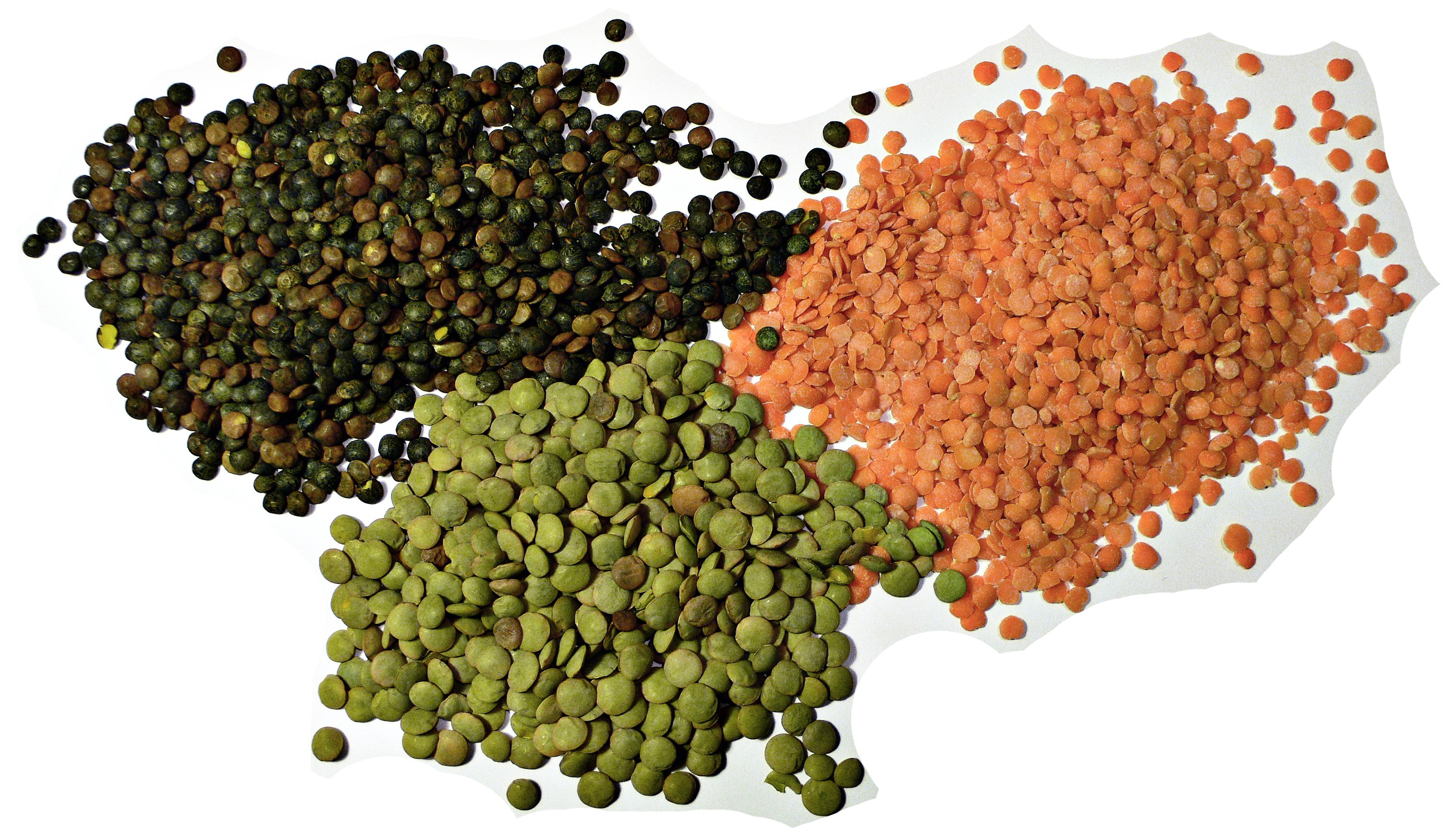
The lentil (Lens culinaris) is an edible pulse. It is a bushy annual plant of the legume family, grown for its lens-shaped seeds. It is about 40 cm (16 in) tall and the seeds grow in pods, usually with two seeds in each.
About
The lentil (Lens culinaris) is an edible pulse. It is a bushy annual plant of the legume family, grown for its lens-shaped seeds. It is about 40 cm (16 in) tall and the seeds grow in pods, usually with two seeds in each.
Aroma profile
Derived from this ingredient’s flavor compounds
floral×3
rose×2
honey×2
musty×2
cocoa×2
sharp×2
fresh×6
aromatic×6
Taste profile
Derived from this ingredient's compounds · measured taste classes
Ranked across every axis at once: shared flavor chemistry, real-recipe co-use, novel-discovery, and nutrient synergy. Pairs agreeing on two or more axes lead.
Commonly combined
Frequently used together in real recipes — ranked by how specifically these ingredients appear together
“For combinations of corn and lentils, the carbohydrate digestion rate, and hence the glycemic potential, was lower than for either 100% corn or 100% lentil wafers.”
blends of corn and lentils→reduces→glycemic impact
“We observed significant genotypic and environmental variation in total Se concentration in lentils and that total Se concentration in lentils ranged between 425 and 673 microg kg(-1), providing 77-122% of the recommended daily intake in 100 g of dry lentils.”
“We found that soils from the locations where the lentils were grown were rich in Se (37-301 microg kg(-1)) and that lentils grown in Saskatchewan have the potential to provide an excellent natural source of this essential element.”