1-O-Caffeoylglucose
Molecular structure
Foods containing this compound


The garden strawberry (or simply strawberry; Fragaria × ananassa) is a widely grown hybrid species of the genus Fragaria (collectively known as the strawberries). It is cultivated worldwide for its fruit. The fruit (which is not a botanical berry, but an aggregate accessory fruit) is widely appreciated for its characteristic aroma, bright red color, juicy texture, and sweetness. It is consumed in large quantities, either fresh or in such prepared foods as preserves, fruit juice, pies, ice creams, milkshakes, and chocolates. Artificial strawberry aroma is also widely used in many industrial food products. As strawberry flavor and fragrance are popular characteristics for consumers,they are used widely in a variety of manufacturing, including foods, beverages, confections, perfumes and cosmetics. Sweetness, fragrance and complex flavor are favorable attributes. In plant breeding and farming, emphasis is placed on sugars, acids, and volatile compounds, which improve the taste and fragrance of a ripe strawberry. Esters, terpenes, and furans are chemical compounds having the strongest relationships to strawberry flavor and fragrance, with a total of 31 volatile compounds significantly correlated to favorable flavor and fragrance [Wikipedia]

Brassica is a genus of plants in the mustard family. The members of the genus are collectively known as cruciferous vegetables, cabbages, or mustards. Crops from this genus are sometimes called cole crops, which is derived from the Latin caulis, meaning stem or cabbage. Common types of brassica used for food include cabbage, cauliflower, broccoli, Brussels sprouts, and some types of seeds. The genus is known for containing many important agricultural and horticultural crops. It also includes a number of weeds, both wild taxa and escapees from cultivation. It includes over 30 wild species and hybrids, and numerous additional cultivars and hybrids of cultivated origin. Most are annuals or biennials, but some are small shrubs. Due to their agricultural importance, Brassica plants have been the subject of much scientific interest. Six particularly important species (Brassica carinata, B. juncea, B. oleracea, B. napus, B. nigra and B. rapa) are derived by combining the chromosomes from three earlier species, as described by the Triangle of U theory. The genus is native in the wild in western Europe, the Mediterranean and temperate regions of Asia. In addition to the cultivated species, which are grown worldwide, many of the wild species grow as weeds, especially in North America, South America, and Australia. A dislike for cabbage, broccoli et. al. can be due to the Brassica species containing a chemical similar to phenylthiocarbamide (PTC), a chemical which is either bitter or tasteless depending on one's genetic makeup.

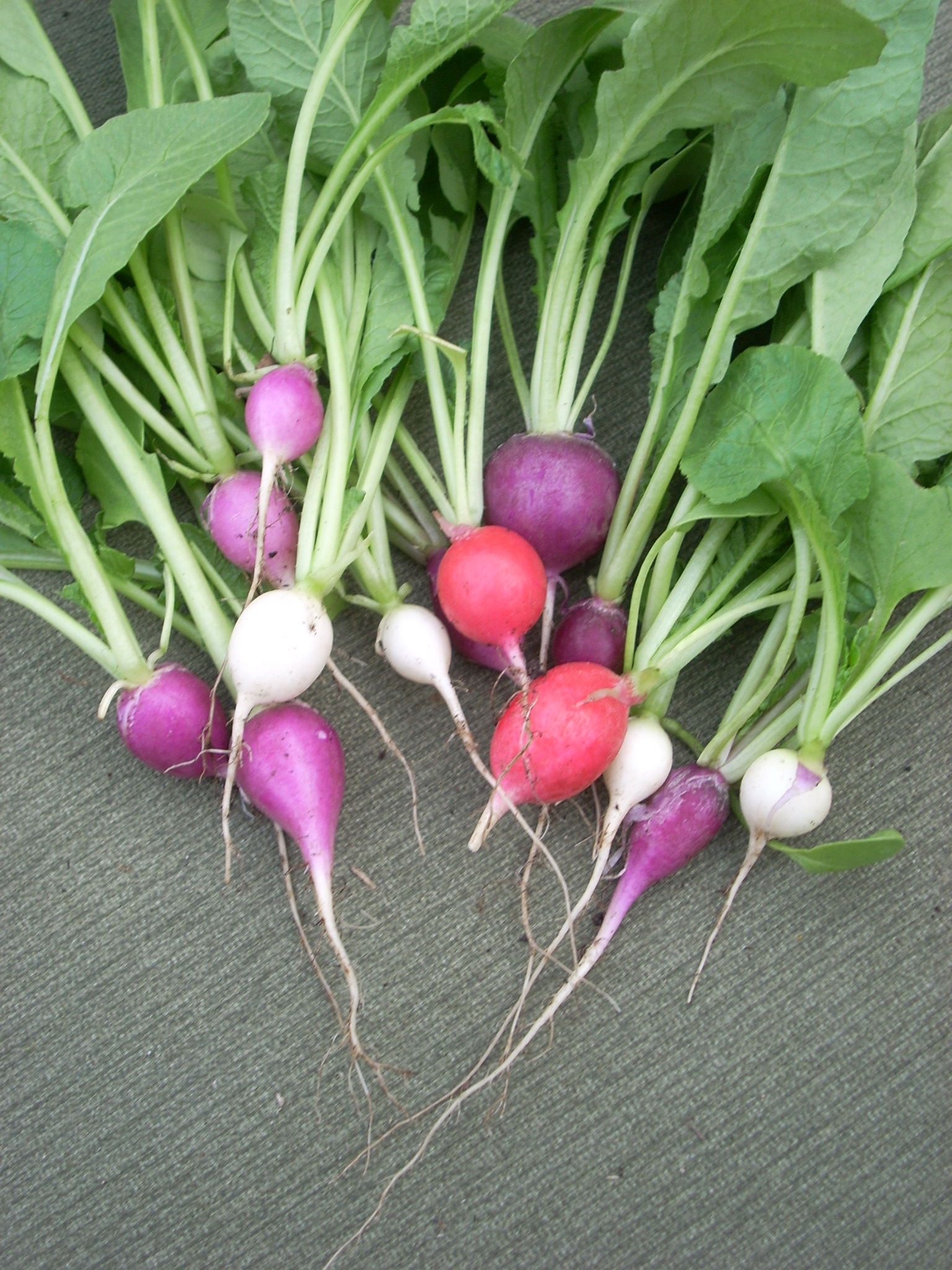
Root vegetables are plant roots used as vegetables. Here "root" means any underground part of a plant.


fruit of the plant Ribes nigrum

fruit from Vaccinium corymbosum
fruit from Vaccinium corymbosum

apple cultivar
Verified Data
Compound identity and culinary context are continuously cross-referenced across open scientific databases and maintained by Foodgeist's enrichment pipeline.
The Geist can be wrong. Some flavor, taste, and pairing values are model-predicted, not lab-measured.