PubChem CID · CC0
isovaleric acid
Foods containing this compound

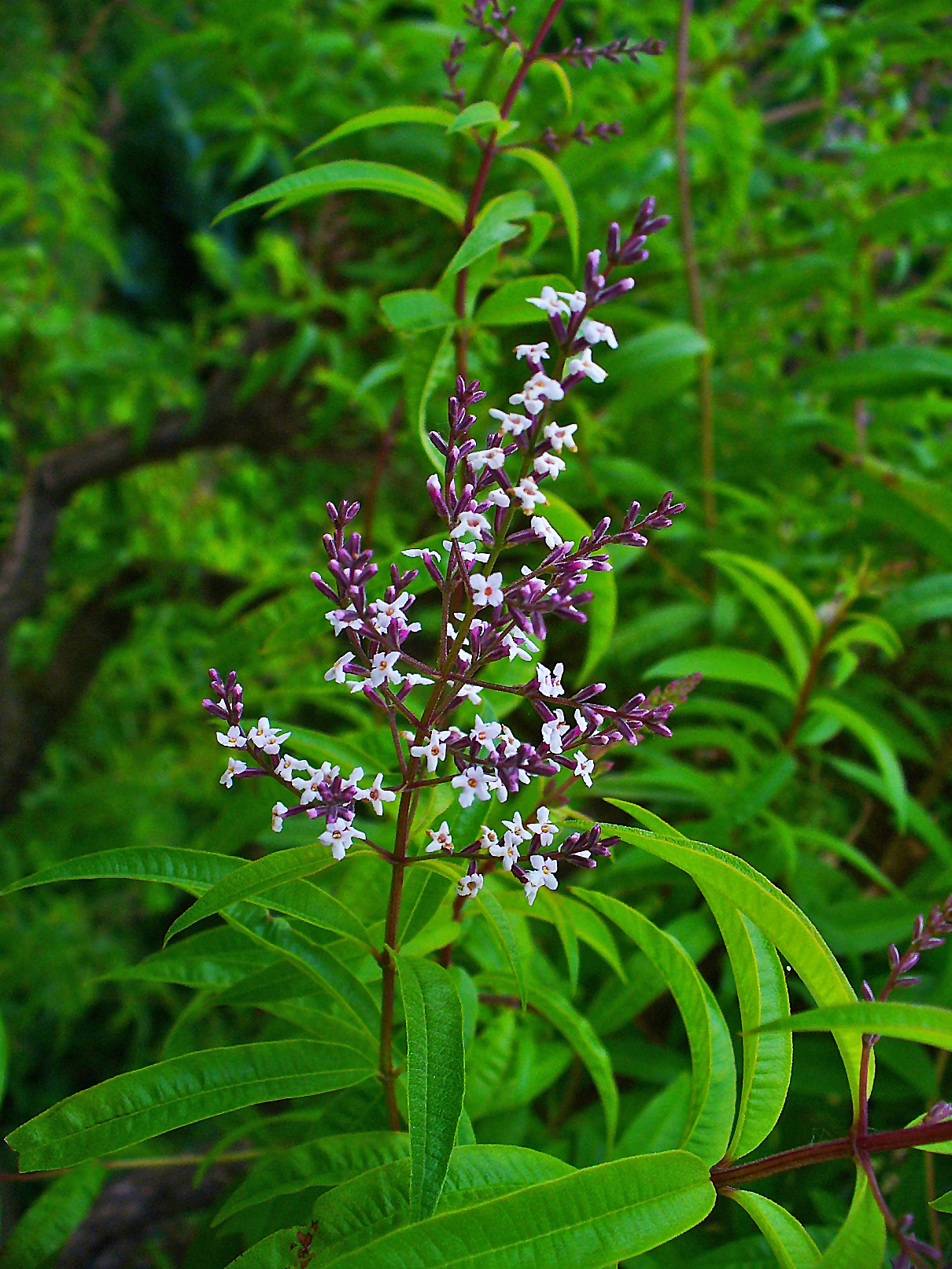
Aloysia citrodora is a species of flowering plant in the verbena family Verbenaceae, native to northwestern Argentina and southern Bolivia. Common names include lemon verbena and lemon beebrush. It was brought to Europe by the Spanish and the Portuguese in the 17th century.
Lovage , Levisticum officinale, is a tall perennial plant, the sole species in the genus Levisticum in the family Apiaceae, subfamily Apioideae, tribe Apieae.
Mentha arvensis (Field Mint, Wild Mint or Corn Mint) is a species of mint with a circumboreal distribution. It is native to the temperate regions of Europe and western and central Asia, east to the Himalaya and eastern Siberia, and North America. It is a herbaceous perennial plant growing to 10–60 cm (rarely to 100 cm) tall. The leaves are in opposite pairs, simple, 2–6.5 cm long and 1–2 cm broad, hairy, and with a coarsely serrated margin. The flowers are pale purple (occasionally white or pink), in clusters on the stem, each flower 3–4 mm long. Uses & Benefits of Podina: 50x40pxThis article does not cite any references or sources. Please help improve this article by adding citations to reliable sources. Unsourced material may be challenged and removed. Podina is used as a carminative and an expectorant. The plant is highly effective in treating headaches, rhinitis, cough sore throat, colic, prurigo and vomiting. It serves as a good blood cleanser, since it is antiseptic and anti-bacterial. Podina plays a significant role in alleviating swollen gums, mouth ulcers and toothaches. Crushed and bruised pudina leaves are used in treating insect bites. The decoction and infusion of its leaves and stems helps in fever, stomachaches, dysmenorrheal and diuresis. Fresh leaves of podina are crushed and sniffed for dizziness. Crushed leaves are also applied on the forehead and temple, to cure headaches. For toothaches, boil 6 tablespoons of pudina leaves in 2 glasses of water, for 15 minutes. Strain and cool the water. Divide it into two parts and take each part after 3 to 4 hours. Boil 6 tablespoons of chopped leaves in 2 glasses of water, for 15 minutes. Cool and strain. Divide the decoction into 3 parts and consume three times a day. This will help in treating coughs. For treating arthritis, take some fresh leaves and heat on low flame. Pound them and apply on the painful joints or muscles, when still warm. Soak 2 tablespoons of chopped leaves in a glass of hot water for 30 minutes and strain. Use the infusion as a mouthwash. The menthol extracted from the plant is used in preparing balms. It is used as a flavoring agent in many culinary preparations There are six subspecies: Mentha arvensis subsp. arvensis. Mentha arvensis subsp. agrestis Briq. Mentha arvensis subsp. austriaca (Jacq. ) Briq. Mentha arvensis subsp. lapponica (Wahlenb. ) Neuman Mentha arvensis subsp. palustris (Moench) Neumann Mentha arvensis subsp. parietariifolia (Becker) Briq. The related species Mentha canadensis is also included in M. arvensis by some authors as two varieties, M. arvensis var. glabrata Fernald (in reference to North American plants) and M. arvensis var. piperascens Malinv. ex L. H. Bailey (in reference to eastern Asian plants).
Prunus cerasus (sour cherry, tart cherry or wild cherry) is a species of Prunus in the subgenus Cerasus (cherries), native to much of Europe and southwest Asia. It is closely related to the sweet cherry (Prunus avium), but has a fruit that is more acidic, has greater nutritional benefits, and may have greater medicinal effects. Dried sour cherries are used in cooking including soups, pork dishes, cakes, tarts, and pies. Sour cherries or sour cherry syrup are used in liqueurs and drinks. In Turkey, Greece and Cyprus, sour cherries are especially prized for making spoon sweets by slowly boiling pitted sour cherries and sugar; the syrup thereof is used for vişne şurubu or vyssináda, a beverage made by diluting the syrup with ice-cold water. A particular use of sour cherries is in the production of kriek lambic, a cherry-flavored variety of a naturally fermented beer made in Belgium [Wikipedia].

Arctium lappa, commonly called greater burdock, gob?,edible burdock, lappa, or beggar's buttons, is a biennial plant of the Arctium (burdock) genus in the Asteraceae family, cultivated in gardens for its root used as a vegetable. It is an invasive weed of high-nitrogen soils.
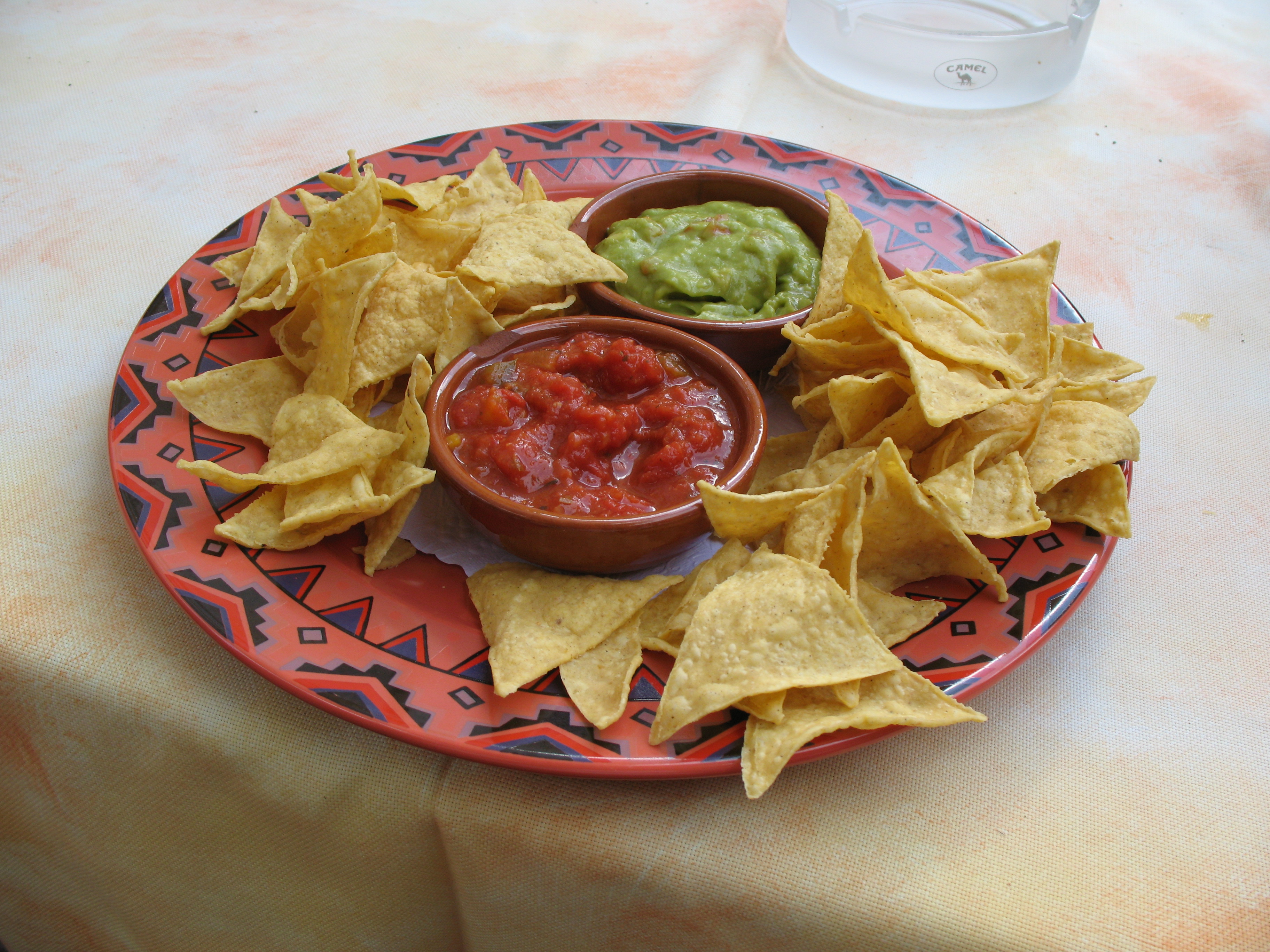
A tortilla chip is a snack food made from corn tortillas, which are cut into wedges and then fried (alternatively they may be discs pressed out of corn masa then fried or baked). Corn tortillas are made of corn, vegetable oil, salt and water. Though usually made of yellow corn, they can also be made of white, blue, or red corn. Some manufacturers include many other ingredients including wheat and sugar and MSG (monosodium glutamate, a common food additive). [Wikipedia]
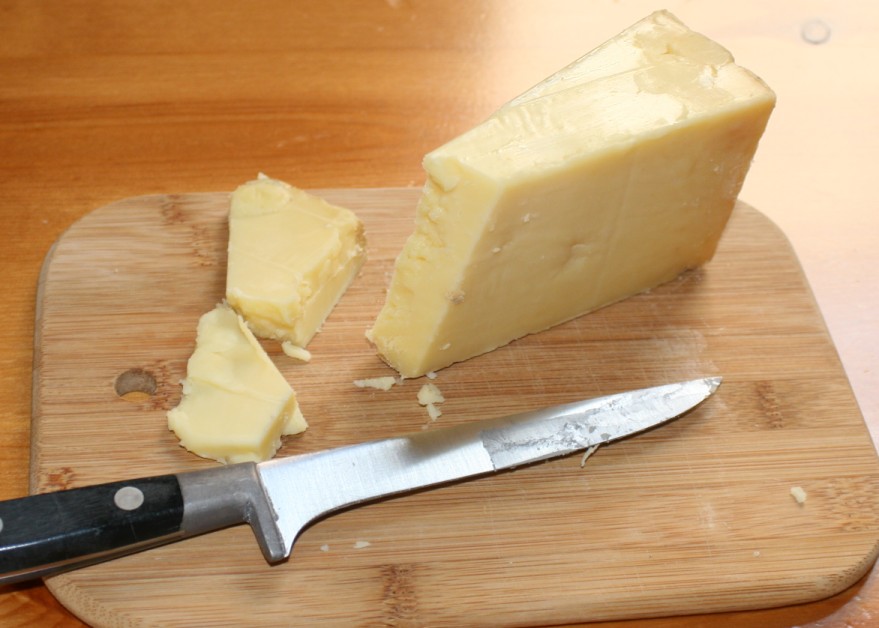
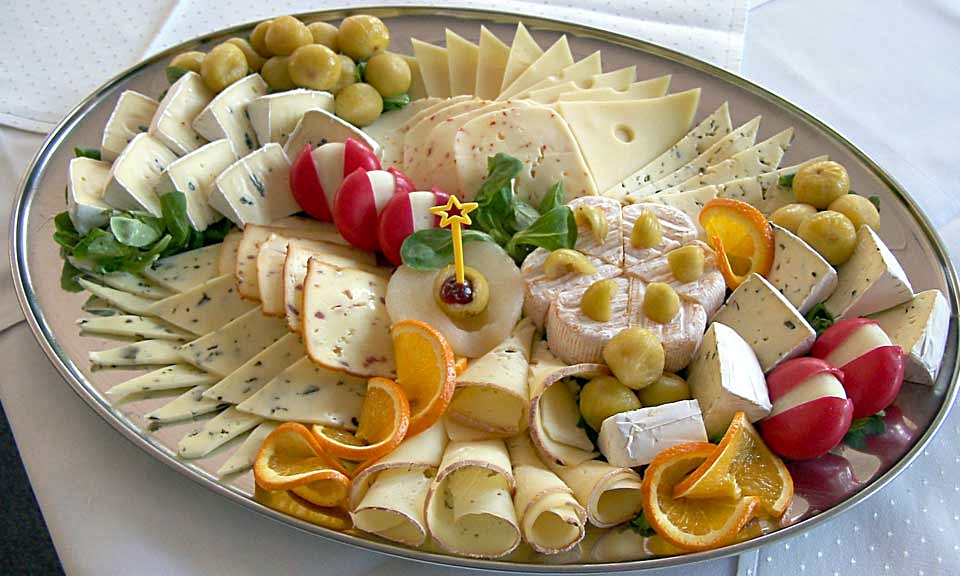
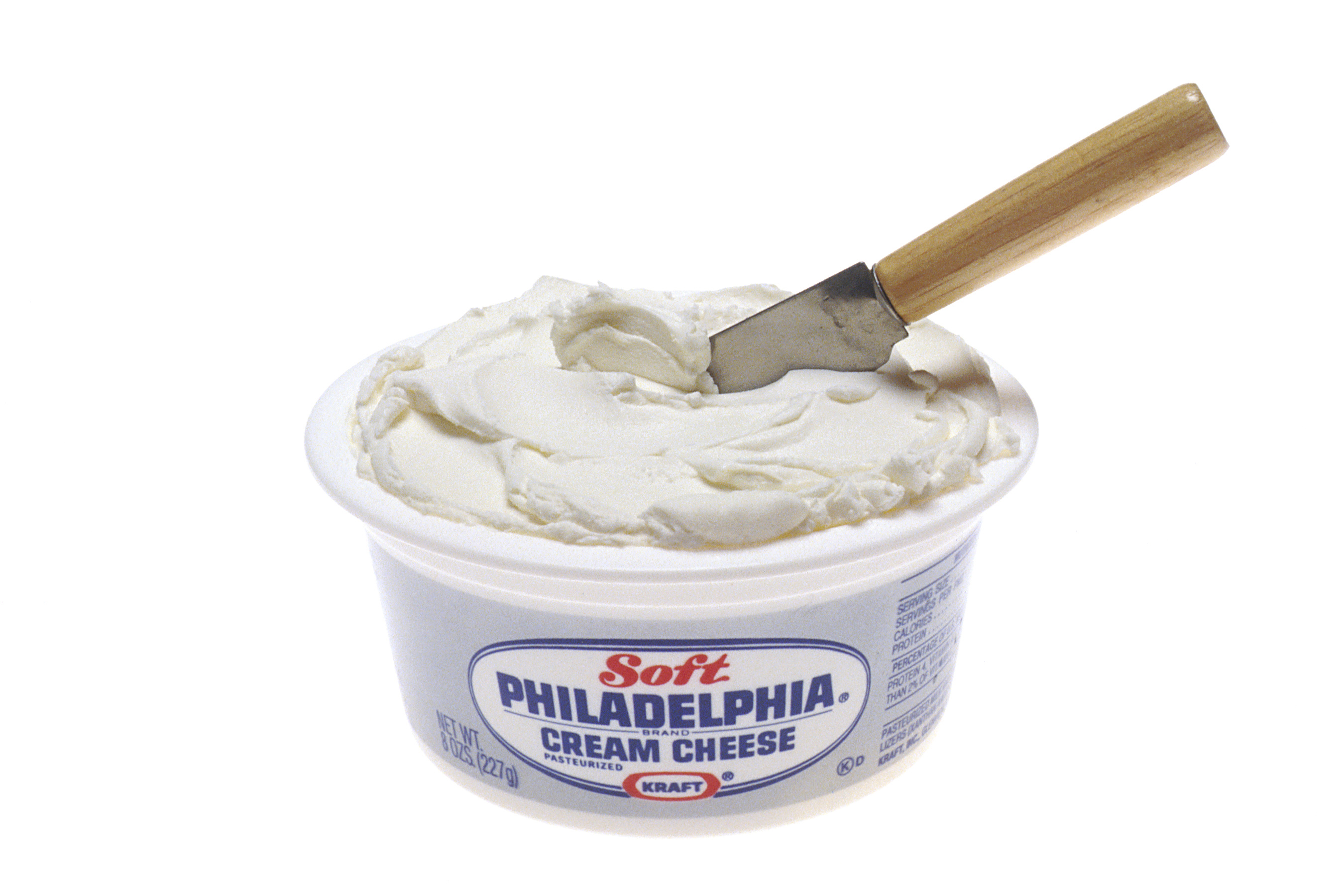
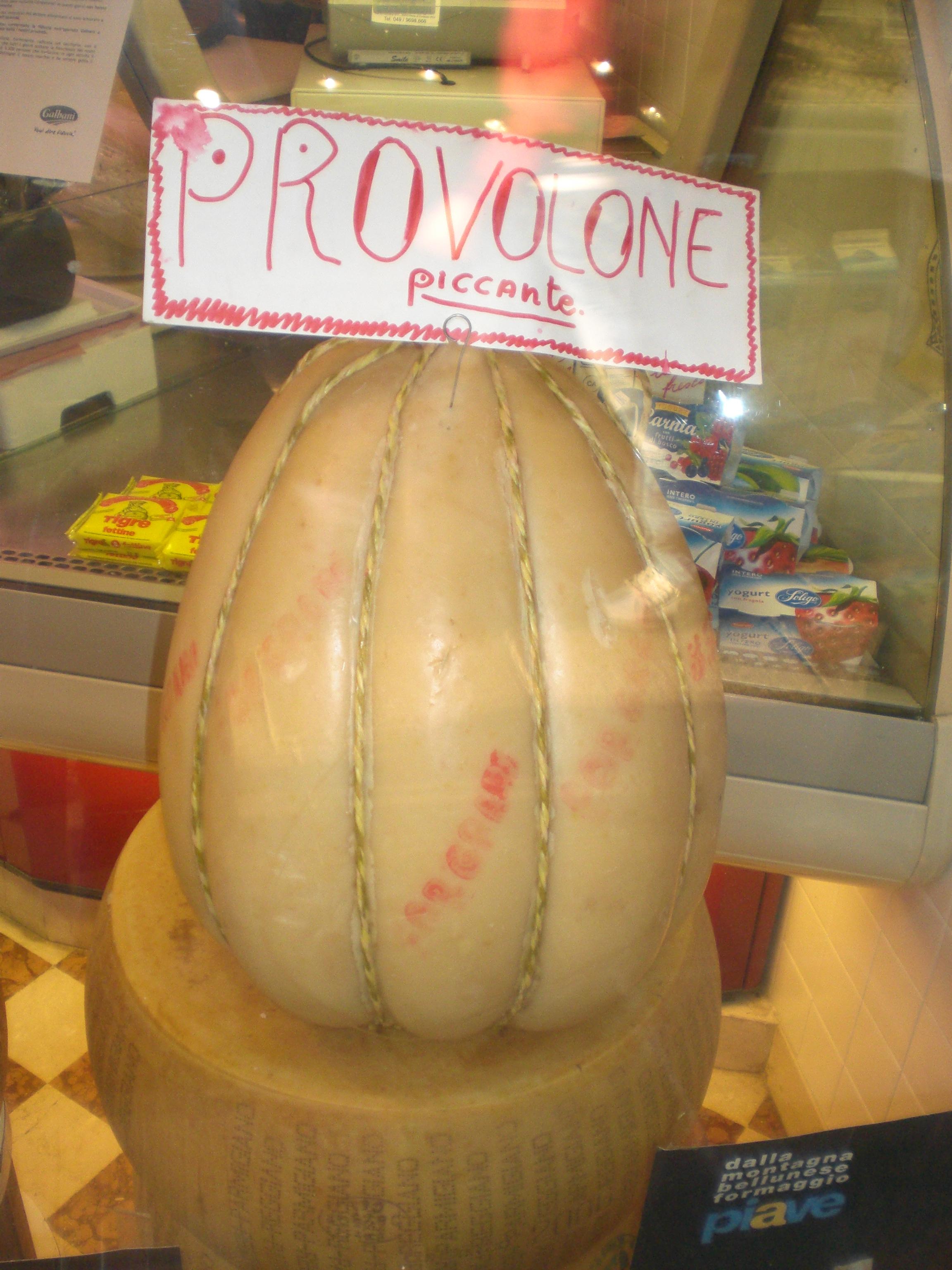
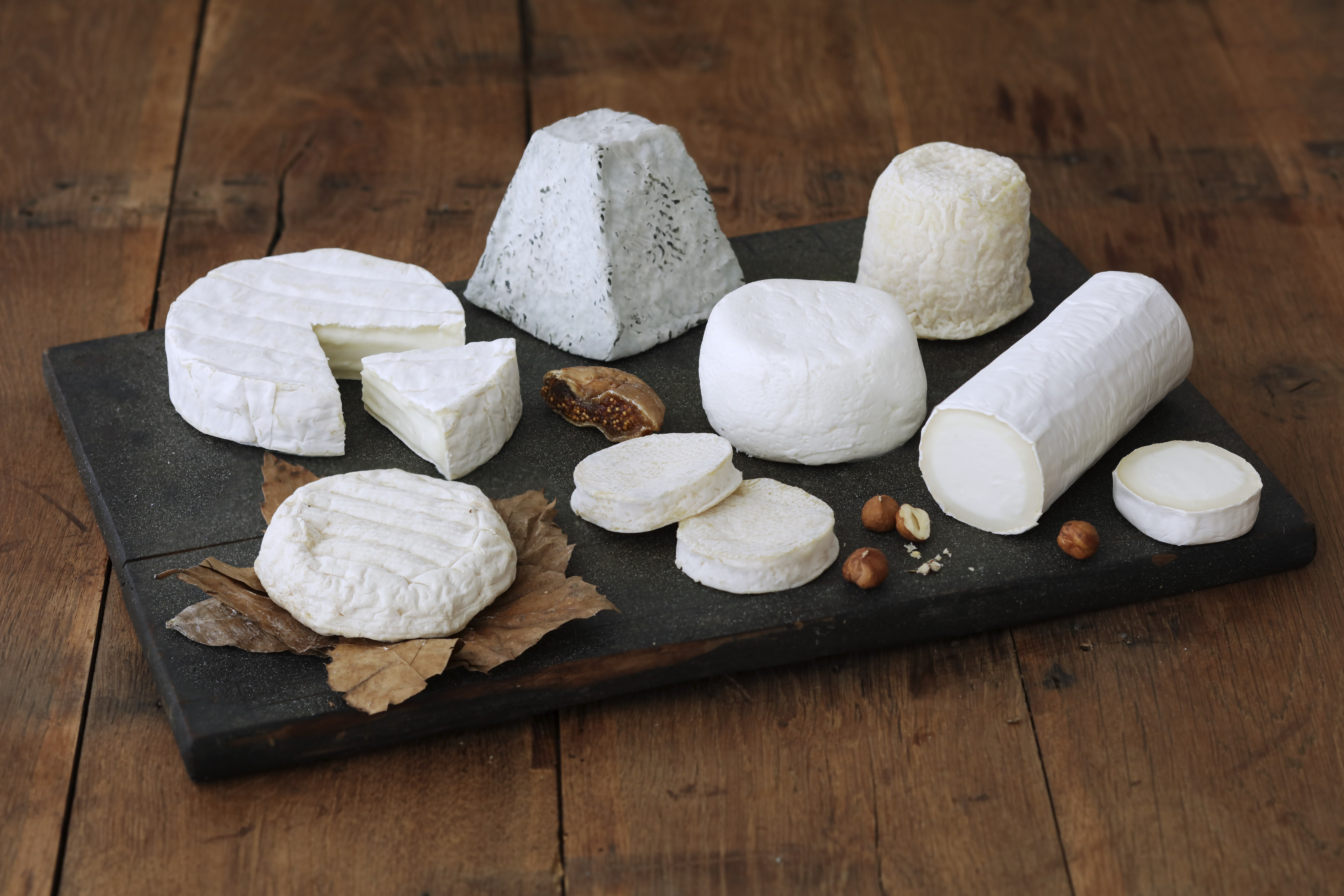
A dairy product is food produced from the milk of mammals. Dairy products are usually high energy-yielding food products. A production plant for the processing of milk is called a dairy or a dairy factory. Apart from breastfed infants, the human consumption of dairy products is sourced primarily from the milk of cows, yet goats, sheep, yaks, horses, camels, and other mammals are other sources of dairy products consumed by humans. Dairy products are commonly found in European, Middle Eastern, and Indian cuisine, whereas aside from Mongolian cuisine they are little-known in traditional Asian cuisine.
As an agricultural product, milk is extracted from mammals during or soon after pregnancy and used as food for humans. Worldwide, dairy farms produced about 730 million tonnes of milk in 2011, from 260 million dairy cows. India is the world's largest producer and consumer of milk, yet neither exports nor imports milk. New Zealand, the European Union's 28 member states, Australia, and the United States are the world's largest exporters of milk and milk products. China and Russia are the world's largest importers of milk and milk products. Throughout the world, there are more than 6 billion consumers of milk and milk products. Over 750 million people live within dairy farming households. Milk is a key contributor to improving nutrition and food security particularly in developing countries. Improvements in livestock and dairy technology offer significant promise in reducing poverty and malnutrition in the world.
Red wine is a type of wine made from dark-colored (black) grape varieties. The actual color of the wine can range from intense violet, typical of young wines, through to brick red for mature wines and brown for older red wines. The juice from most purple grapes is greenish-white, the red color coming from anthocyan pigments (also called anthocyanins) present in the skin of the grape; exceptions are the relatively uncommon teinturier varieties, which produce a red-colored juice.Much of the red-wine production process therefore involves extraction of color and flavor components from the grape skin.
Mate is a traditional South American caffeine-rich infused drink.It is prepared by steeping dried leaves of yerba mate (Ilex paraguariensis, known in Portuguese as erva-mate) in hot water and is served with a metal straw from a shared hollow calabash gourd.The mate leaves are dried, chopped, and ground into a powdery mixture called yerba, "erva" in Portuguese, which means "herb".

White wine is a wine that is fermented without skin contact. The colour can be straw-yellow, yellow-green, or yellow-gold.It is produced by the alcoholic fermentation of the non-coloured pulp of grapes, which may have a skin of any colour.White wine is mainly from "white" grapes, which are green or yellow in colour, such as the Chardonnay, Sauvignon, and Riesling.
female flowers of Humulus lupulus

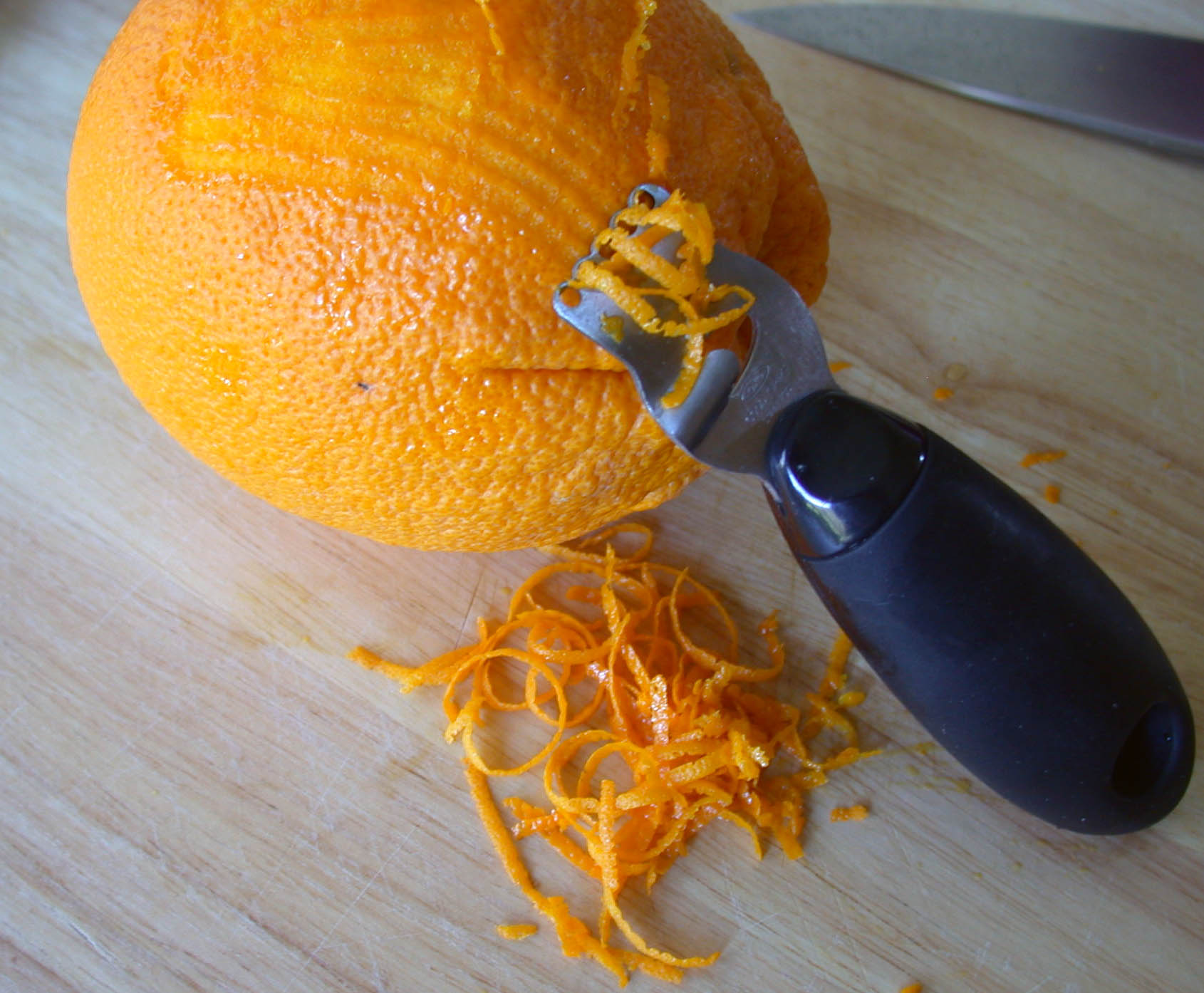
the skin of a lemon, including the white pith, used as a food ingredient

Species of flowering plant

Hybrid flowering plant in the family Lamiaceae
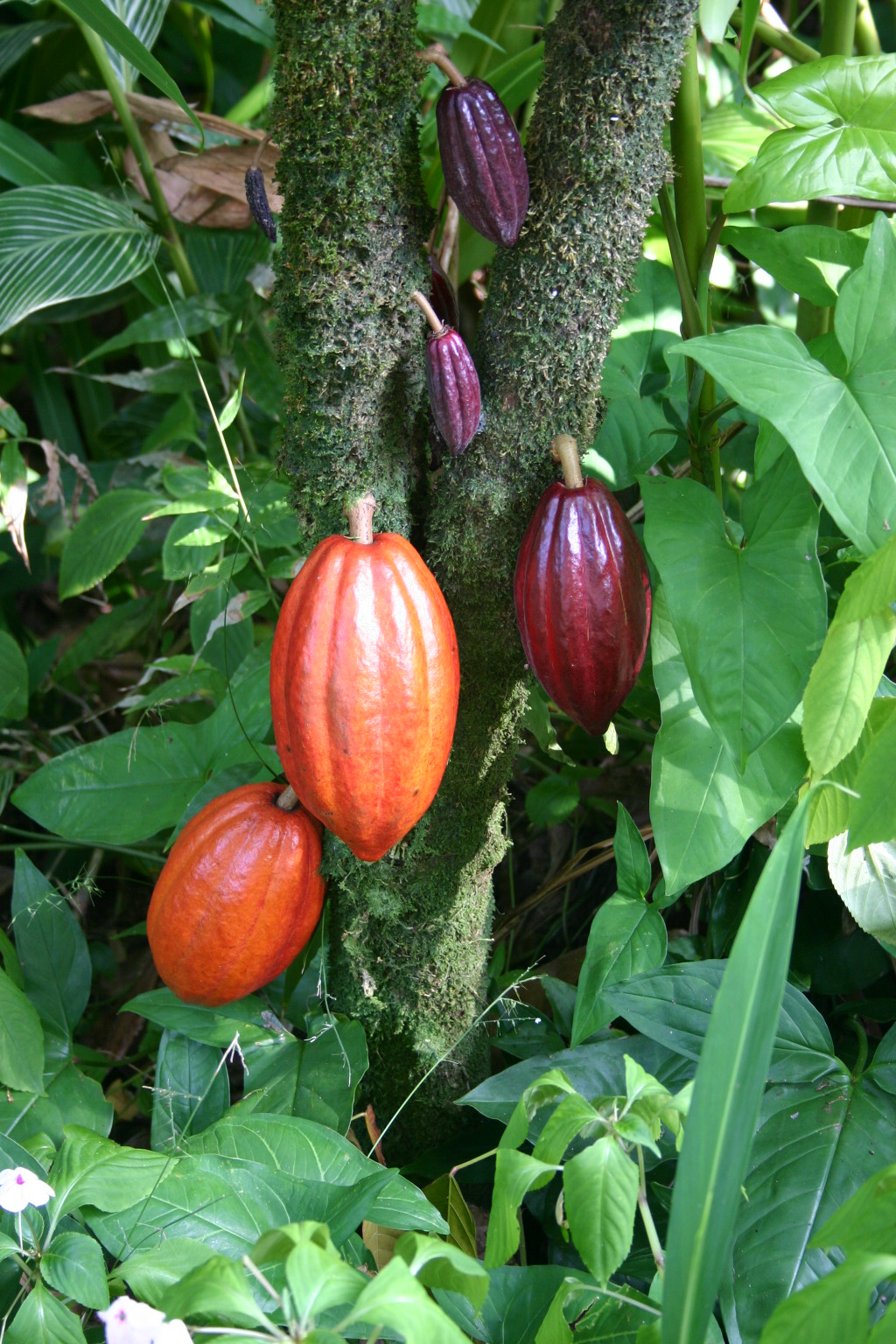
Fatty seed of Theobroma cacao

Species of edible plant
Source
Compound data linked to PubChem CID 10430, public domain via NCBI. Culinary context + ingredient mappings are maintained by Foodgeist's enrichment fleet and continuously re-matched by the pairings engine. PubChem CID 10430