About
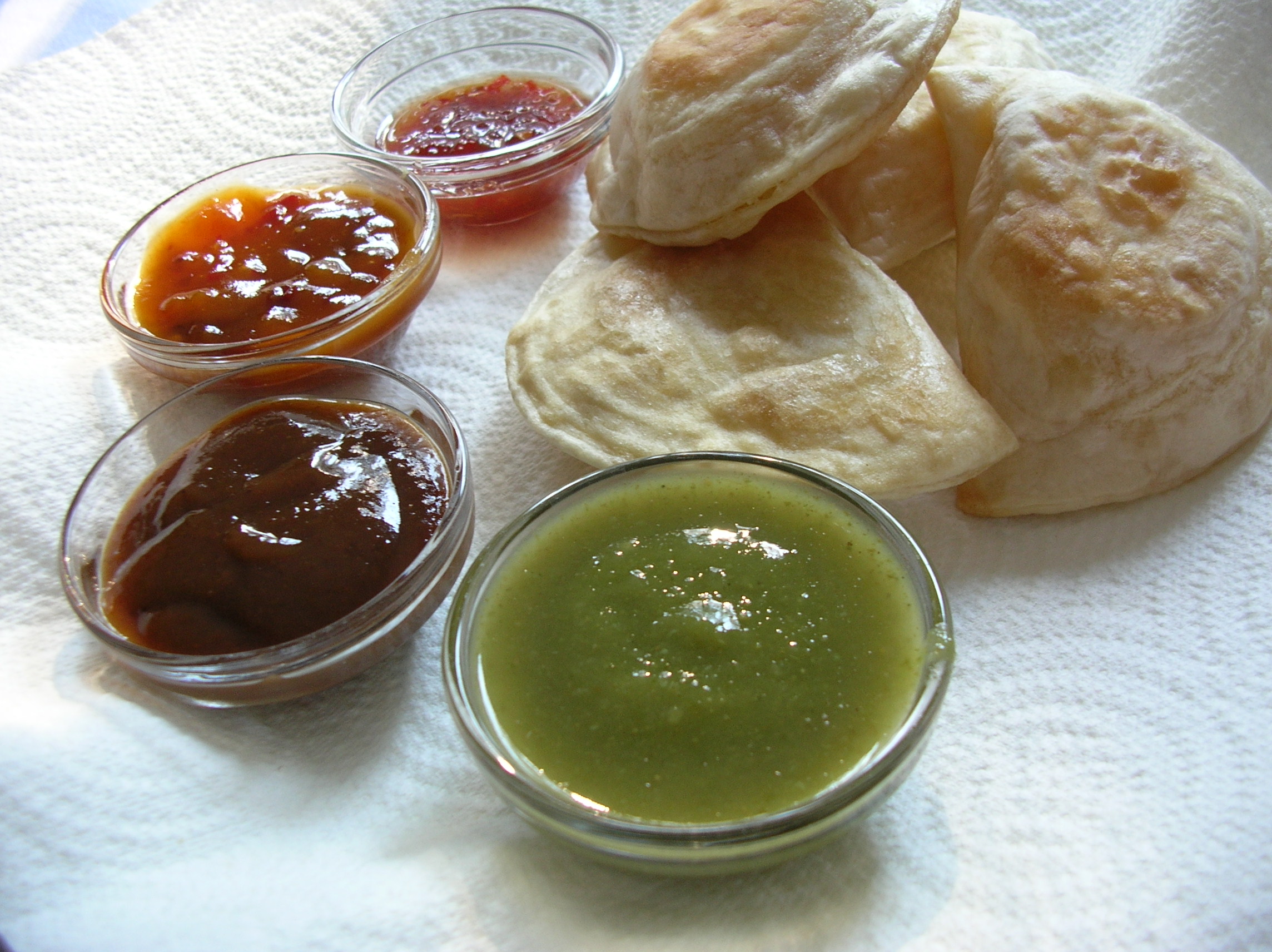
In cooking, a sauce is a liquid, cream, or semi-solid food, served on or used in preparing other foods. Most sauces are not normally consumed by themselves; they add flavour, texture, and visual appeal to a dish. Sauce is a French word probably from the post-classical Latin salsa, derived from the classical salsus 'salted'. Possibly the oldest recorded European sauce is garum, the fish sauce used by the Ancient Romans, while doubanjiang, the Chinese soy bean paste, is mentioned in Rites of Zhou 20.
Aroma profile
Derived from this ingredient’s flavor compounds
Taste profile
Derived from this ingredient's compounds · measured taste classes
Composition
60 compounds identified — cross-referenced scientific databases
Best pairings
Ranked across every axis at once: shared flavor chemistry, real-recipe co-use, novel-discovery, and nutrient synergy. Pairs agreeing on two or more axes lead.
Commonly combined
Frequently used together in real recipes — ranked by how specifically these ingredients appear together
Research Evidence
The Geist can be wrong. Some flavor, taste, and pairing values are model-predicted, not lab-measured.