Foodgeist is a participant in the Amazon Services LLC Associates Program, an affiliate advertising program designed to provide a means for sites to earn advertising fees by advertising and linking to Amazon.com. As an Amazon Associate we earn from qualifying purchases.
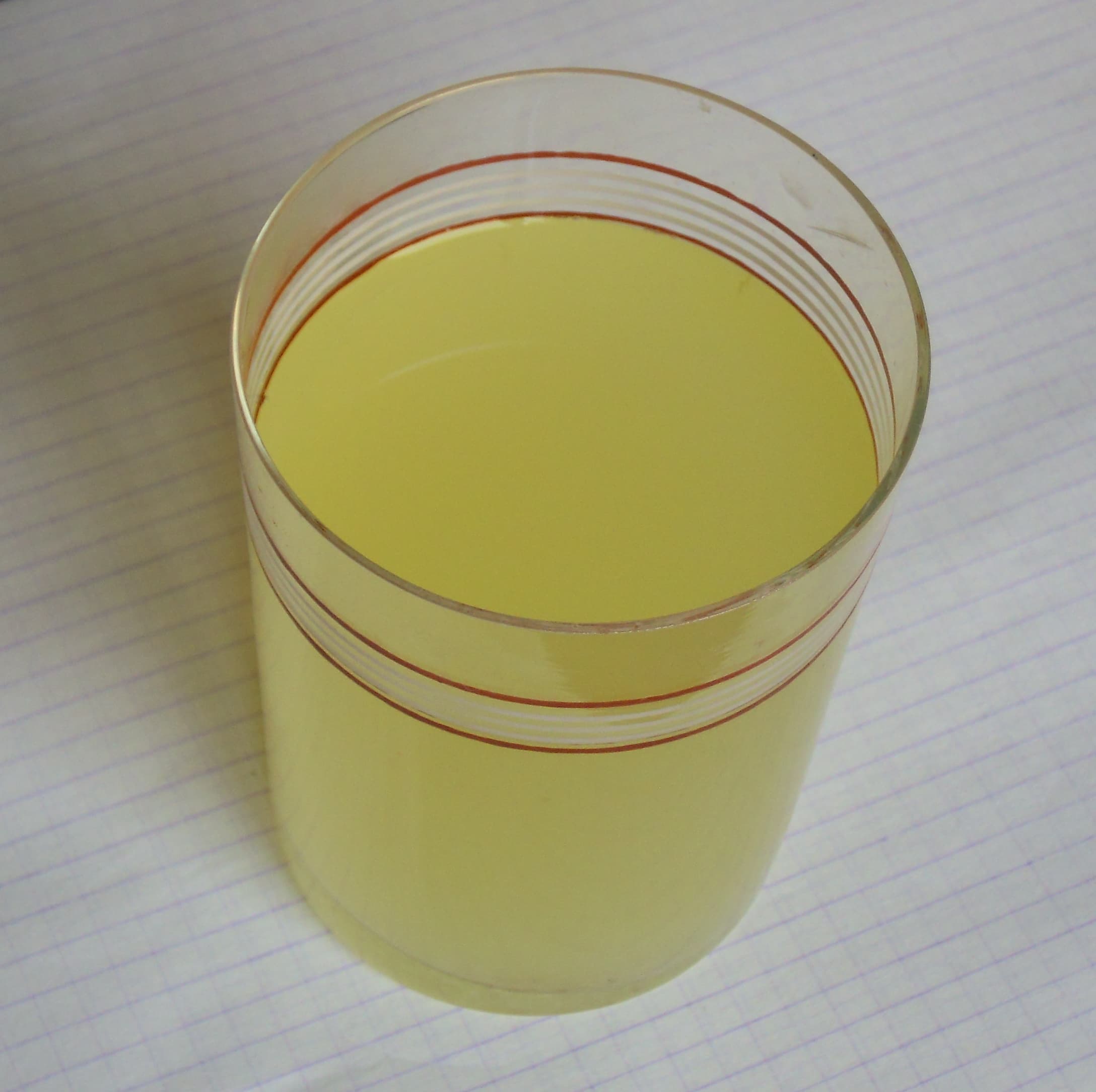
Whey is the liquid remaining after milk has been curdled and strained. It is a byproduct of the manufacturing of cheese or casein and has several commercial uses. Sweet whey is a byproduct of the making of rennet types of hard cheese, like cheddar or Swiss cheese. Acid whey is a byproduct of the making of acidic dairy products such as strained yogurt.
“We have recently identified tetracycline-resistant Lactobacillus paracasei in samples of milk and natural whey starter cultures employed in the manufacturing process of a typical Italian fermented dairy product, Mozzarella di Bufala Campana.”
whey protein concentrate→ had →levels of aerobic mesophilic bacteria, coliforms, yeast, and mold
threshold: <3.85 log10 cfu/g
“Levels of aerobic mesophilic bacteria, coliforms, yeast, and mold were <3.85 log10 cfu/g in all samples.”
whey cheese→ requires →adequate packaging
“Adequate packaging of whey cheeses should be provided, and legislation should be prepared to fix standard characteristics of each type of whey cheese, and hence protect typical products from adulteration and fakes.”
spoilage microorganisms→ not observed →whey beverages containing Pistacia terebinthus resin
“Evaluation of shelf life of the produced beverages showed that spoilage microorganisms were not observed in beverages containing <i>P. terebinthus</i> resin.”
Whey Protein Isolate Edible Films with Essential Oils→ improves →food safety
application: meat and poultry productstarget_organisms: P. fragi,S. enteritidis
“The results of this research have direct application in the food industry with potential applications in various foodstuffs, including meat and poultry products where the control of spoilage bacteria such as P. fragi throughout their chilled storage or the improvement of food safety by controlling pathogens such as S. enteritidis are topics of particular interest for the industry.”
What science says
technique parameter
“Effect of disulfide bond cleavage on structural and interfacial properties of whey proteins”
disulfide bond cleavage→affected→structural and interfacial properties of whey proteins
“PI, insoluble at pHs lower than 4.0, was made soluble at any pH by dissolving at pH 9.0, dialyzing against 50 mM formic acid (pH 3.0) and freeze‐drying.”
dialysis→affects→solubility of precipitate (PI) containing other whey proteins
“The intense astringency in whey protein beverages may result from these increases in particle size and turbidity at these pH values and from the aggregation and precipitation of human salivary proteins alone at pH <3.0.”