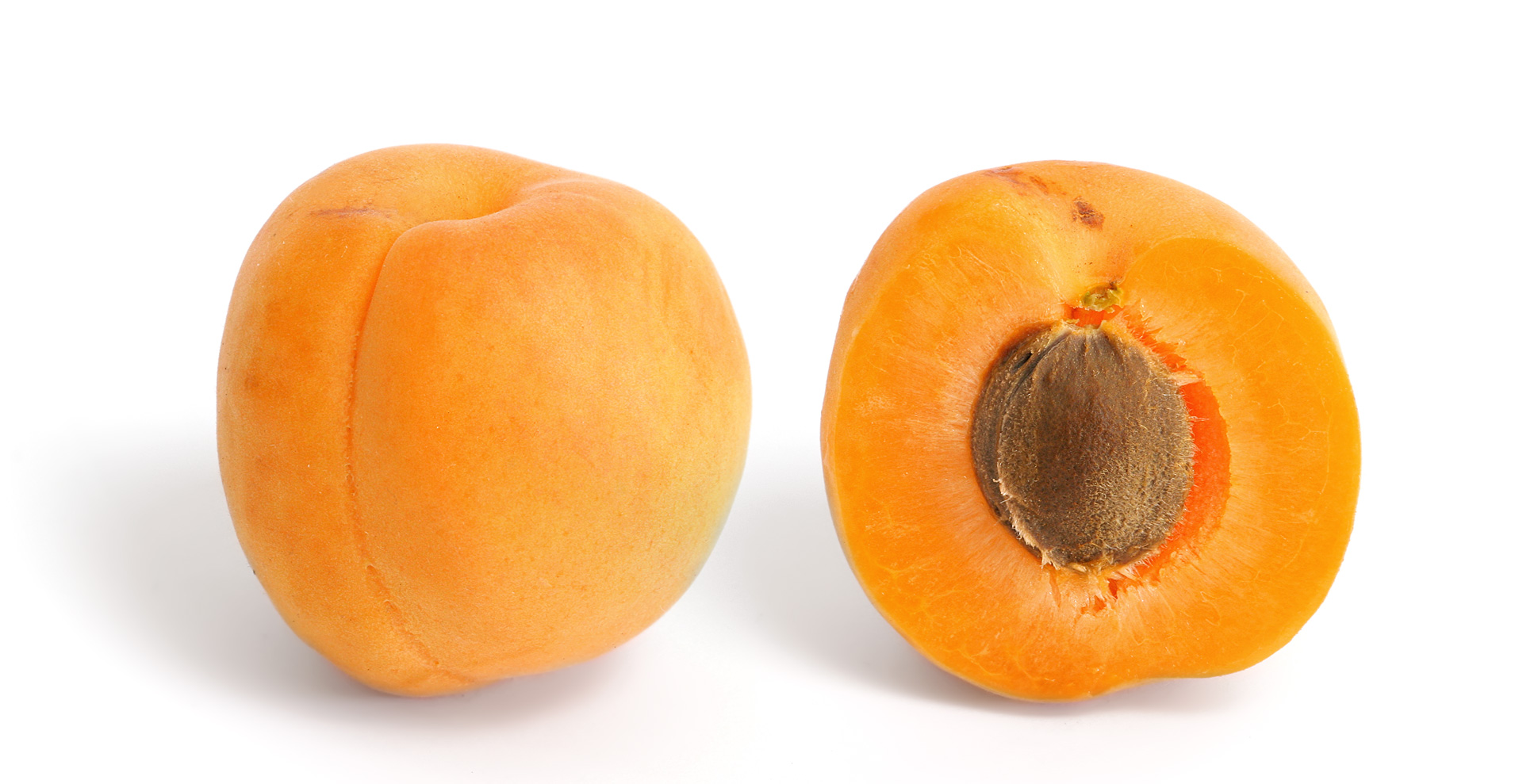
Aroma profile
Derived from flavor compounds · verified measured labels + GNN ensemble predictions
Flavor compounds
60 compounds identified — FoodAtlas / FooDB verified
Foodgeist is a participant in the Amazon Services LLC Associates Program, an affiliate advertising program designed to provide a means for sites to earn advertising fees by advertising and linking to Amazon.com. As an Amazon Associate we earn from qualifying purchases.
Ingredient
Derived from flavor compounds · verified measured labels + GNN ensemble predictions
60 compounds identified — FoodAtlas / FooDB verified
Highlighted compounds are flavor-active · click to view molecular profile
“The Candida stellata AWRI 1159 produced significantly more intense ‘honey’, ‘apricot’, and ‘sauerkraut’ aromas”
Candida stellata AWRI 1159 → produced → ‘honey’, ‘apricot’, and ‘sauerkraut’ aromas
“Omission experiments indicated that previously unknown constituents of apricots, such as (E,Z)-2,6-nonadienal or (Z)-1,5-octadien-3-one, are key contributors to the apricot aroma.”
(E,Z)-2,6-nonadienal → contributes to → apricot aroma
“beta-ionone, (Z)-1,5-octadien-3-one, gamma-decalactone, (E,Z)-2,6-nonadienal, linalool, and acetaldehyde appeared with OAVs >100”
beta-ionone → contributes to → apricot aroma
“(R)-gamma-decalactone, (E)-beta-damascenone, delta-decalactone, and (R/S)-linalool with the highest flavor dilution (FD) factors among the 26 odor-active compounds identified.”
(R/S)-linalool → contributes to → apricot aroma
“(R)-gamma-decalactone, (E)-beta-damascenone, delta-decalactone, and (R/S)-linalool with the highest flavor dilution (FD) factors among the 26 odor-active compounds identified.”
(E)-beta-damascenone → contributes to → apricot aroma