(−)-trans-carveol
Molecular structure
Mass spectrum
A real measured fragmentation pattern · 1 of 10 experimental spectra
Sensory signature
How this molecule tastes and smells · gold is measured, dashed is a model estimate
Biochemical reactions
Metabolic reactions from curated biochemical databases · peer-reviewed
(1S,5R)-carveol + NADP(+) = (R)-carvone + NADPH + H(+)
(4S)-limonene + reduced [NADPH--hemoprotein reductase] + O2 = (1S,5R)-carveol + oxidized [NADPH--hemoprotein reductase] + H2O + H(+)
(1S,5R)-carveol + NAD(+) = (R)-carvone + NADH + H(+)
Foods containing this compound
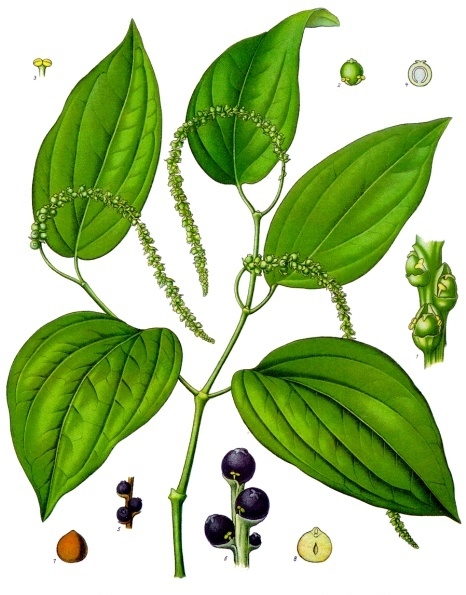


Angelica is a genus of about 60 species of tall biennial and perennial herbs in the family Apiaceae, native to temperate and subarctic regions of the Northern Hemisphere, reaching as far north as Iceland and Lapland. They grow to 1–3 m tall, with large bipinnate leaves and large compound umbels of white or greenish-white flowers. Some species can be found in purple moor and rush pastures.
Verified Data
Compound identity and culinary context are continuously cross-referenced across open scientific databases and maintained by Foodgeist's enrichment pipeline.
The Geist can be wrong. Some flavor, taste, and pairing values are model-predicted, not lab-measured.