Molecular structure
2''-Methoxy-(R)-oleuropein
Foods containing this compound
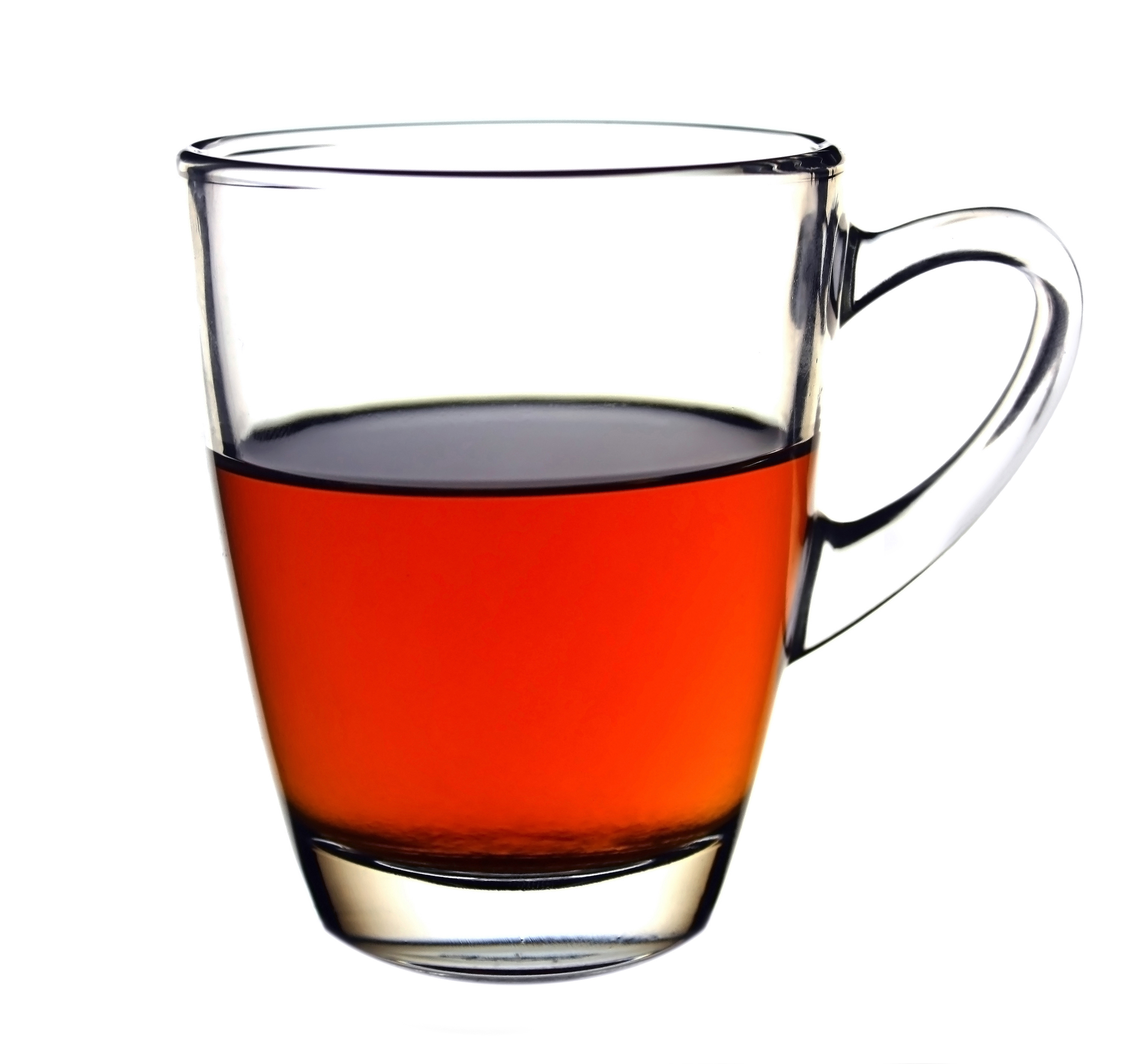
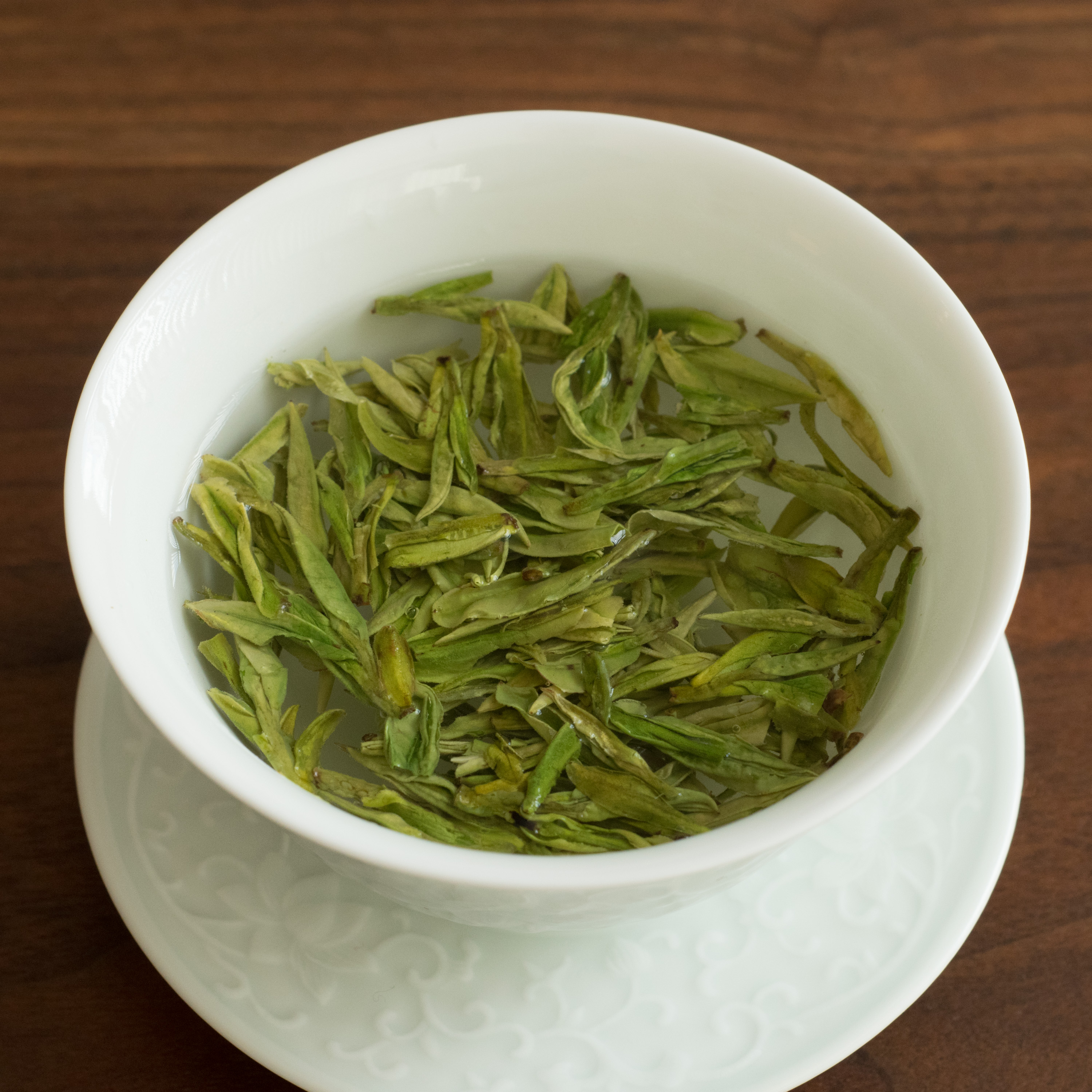

Herbal teas are the beverages made from the infusion or decoction of herbs, spices, or other plant material in hot water. While most herbal teas are safe for regular consumption, some herbs have toxic or allergenic effects. The most herbal teas include Chamomile Tea, Peppermint Tea, Ginger Tea, etc.
Tea is an aromatic beverage commonly prepared by pouring hot or boiling water over cured leaves of the tea plant, Camellia sinensis. After water, tea is the most widely consumed beverage in the world. It has a cooling, slightly bitter, and astringent flavour that many people enjoy.
Black tea is a type of tea that is more oxidized than oolong, green, and white teas.Black tea is generally stronger in flavour than other teas.It is made from leaves of the shrub (or small tree) Camellia sinensis.In China, where black tea was discovered,the beverage is called "red tea" due to the color of the oxidized leaves when processed appropriately.Plain black tea without sweeteners or additives contains caffeine, but negligible quantities of calories or nutrients.
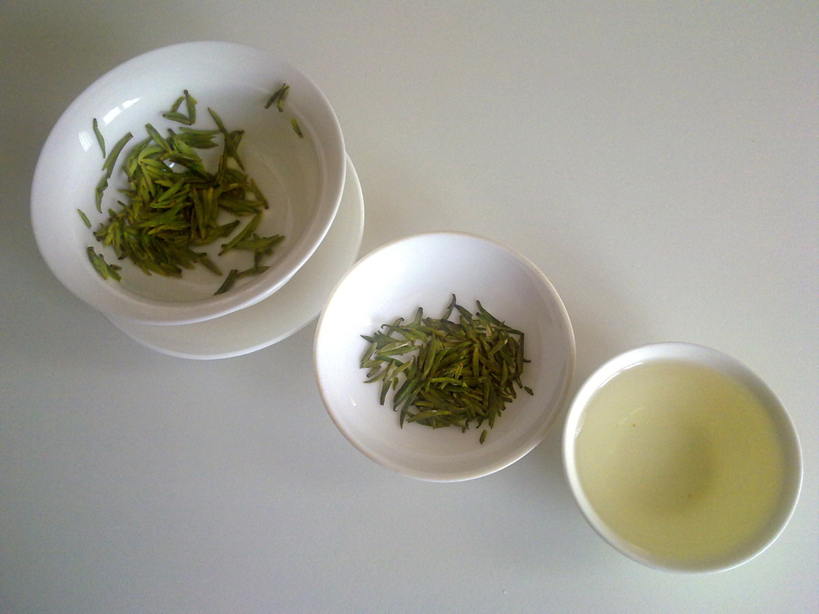
Green tea is a type of tea that is made from Camellia sinensis leaves and buds that have not undergone the same withering and oxidation process used to make oolong teas and black teas.Green tea originated in China, but its production and manufacture has spread to many other countries in Asia. Several varieties of green tea exist, which differ substantially based on the variety of C. sinensis used, growing conditions, horticultural methods, production processing, and time of harvest.
Rooibos tea is also known as red tea or red bush tea.It is made using leaves from a shrub called Aspalathus linearis, usually grown on the western coast of South Africa.Rooibos is a herbal tea and is not related to green or black tea.
Verified Data
Compound identity and culinary context are continuously cross-referenced across open scientific databases and maintained by Foodgeist's enrichment pipeline.
The Geist can be wrong. Some flavor, taste, and pairing values are model-predicted, not lab-measured.