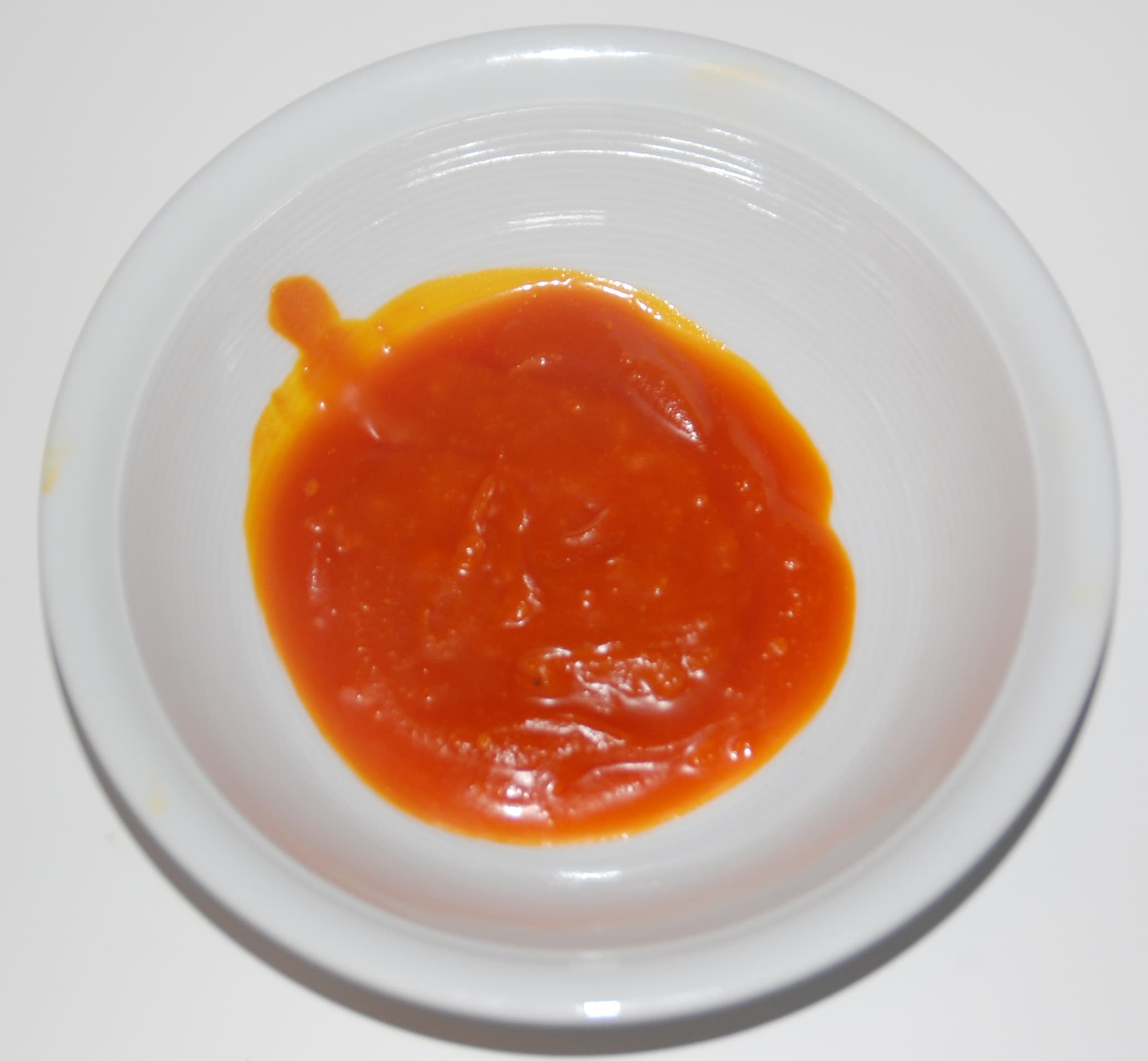
About
edible and biocombustible vegetable oil from fruit of oil palms
Aroma profile
Derived from this ingredient’s flavor compounds
fatty
fruity
Taste profile
Derived from this ingredient's compounds · measured taste classes
bitter
Composition
60 compounds identified — cross-referenced scientific databases
alpha-linolenic acidbeta-carotene(+)-pinoresinol(r,r,r)-alpha-tocopherol1-monoglyceride7h-xanthine9h-xanthinealcohol~predalkanesall-trans-retinolalpha-lactosealpha-tocopherolalpha-tocotrienolbeta-lactosebeta-tocotrienolcampesterolcarbohydrate~predcarotene~predcarotenoid
Best pairings
Ranked across every axis at once: shared flavor chemistry, real-recipe co-use, novel-discovery, and nutrient synergy. Pairs agreeing on two or more axes lead.
Molecular affinity
Pairs well with — ingredients that share aroma compounds
Based on shared flavor compounds · click to explore
Research Evidence
Multi-source verifiedVerification: Independently verified
The Geist can be wrong. Some flavor, taste, and pairing values are model-predicted, not lab-measured.