Foodgeist is a participant in the Amazon Services LLC Associates Program, an affiliate advertising program designed to provide a means for sites to earn advertising fees by advertising and linking to Amazon.com. As an Amazon Associate we earn from qualifying purchases.
Pitaya (produce) — Ingredient · Foodgeist
Ingredient
Pitaya
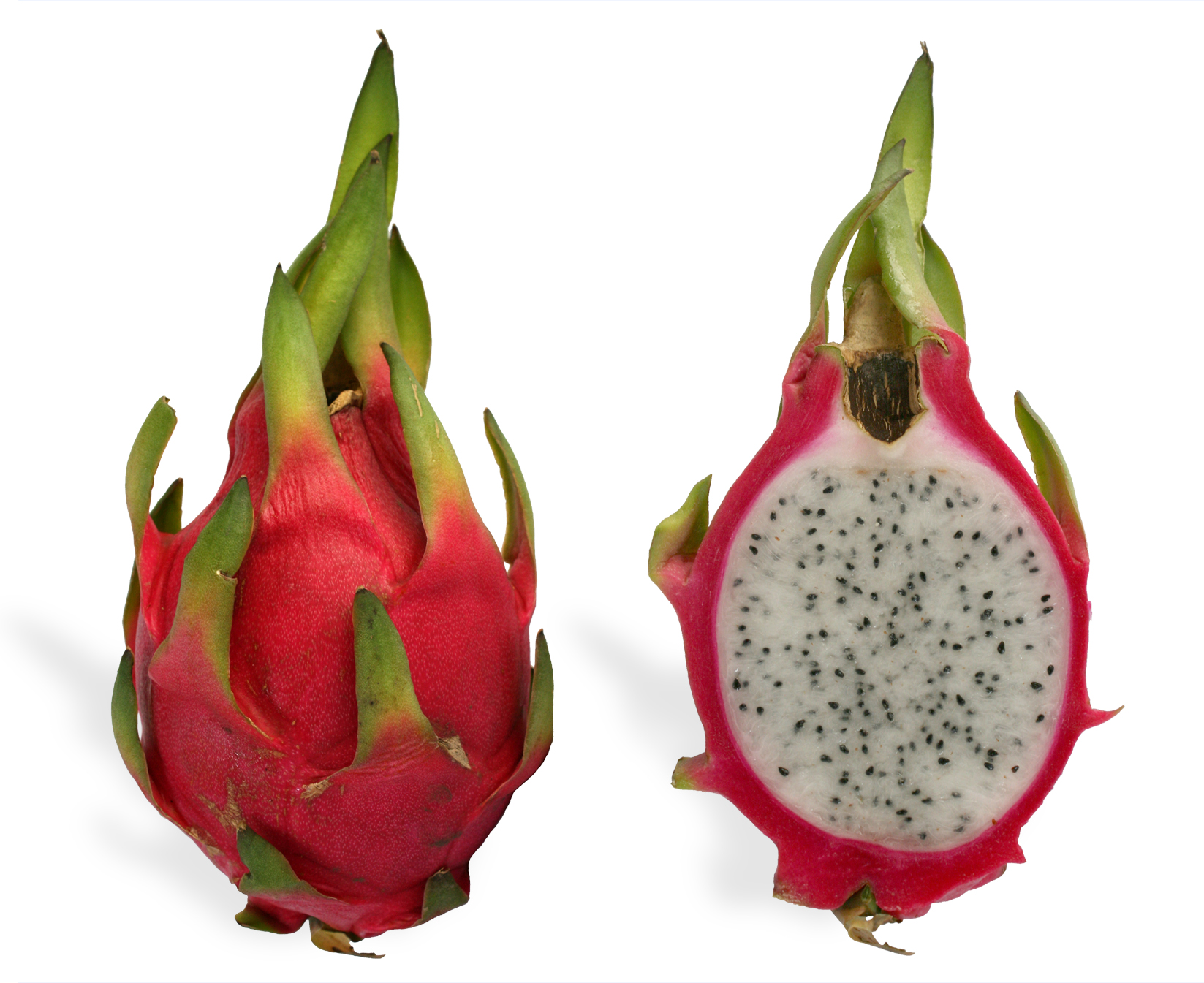
Pitaya or pitahaya is the fruit of several different cactus species indigenous to the Americas.The fruit's texture is sometimes likened to that of the kiwifruit because of its black, crunchy seeds. The seed oil contains the fatty acids, linoleic acid and linolenic acid.
produce
About
Pitaya or pitahaya is the fruit of several different cactus species indigenous to the Americas.The fruit's texture is sometimes likened to that of the kiwifruit because of its black, crunchy seeds. The seed oil contains the fatty acids, linoleic acid and linolenic acid.
Aroma profile
Derived from this ingredient’s flavor compounds
bland×2
Composition
60 compounds predicted — inferred from related foods, not directly measured
predicted composition — no direct measurement on record for this food
“The best results for the extraction of phenolic compounds from pitaya (dragon fruit) were achieved with an organic solvent (450. 41 mg 100 g^-1 dry bases-db) in comparison to NADESs lactic acid:glycine (193.18 mg 100 g^-1 db) and lactic acid:ammonium acetate (186.08 mg 100 g^-1 db).”
NADESs lactic acid:glycine→achieved→193.18 mg 100 g^-1 dry bases-db for the extraction of phenolic compounds from pitaya
“The peel also had very high insoluble and soluble dietary fbre which had exhibited a good ratio of insoluble dietary fbre to soluble dietary fbre (3.8: 1.0)”
pitaya peel (Hylocereus polyrhizus)→has high insoluble and soluble dietary fiber→with a ratio of 3.8:1.0