(2E,4Z)-N-Isobutyl-2,4-decadienamide
Molecular structure
Foods containing this compound
Black pepper (Piper nigrum) is a flowering vine in the family Piperaceae, cultivated for its fruit, which is usually dried and used as a spice and seasoning. The fruit, known as a peppercorn when dried, is approximately 5 millimetres in diameter, dark red when fully mature, and, like all drupes, contains a single seed. Peppercorns, and the ground pepper derived from them, may be described simply as pepper, or more precisely as black pepper (cooked and dried unripe fruit), green pepper (dried unripe fruit) and white pepper (dried ripe seeds). Black pepper is native to south India, and is extensively cultivated there and elsewhere in tropical regions. Currently Vietnam is the world's largest producer and exporter of pepper, producing 34% of the world's Piper nigrum crop as of 2008. Dried ground pepper has been used since antiquity for both its flavour and as a medicine. Black pepper is the world's most traded spice. It is one of the most common spices added to European cuisine and its descendants. The spiciness of black pepper is due to the chemical piperine, not to be confused with the capsaicin that gives fleshy peppers theirs. It is ubiquitous in the modern world, often paired with salt.
Tarragon (Artemisia dracunculus) is a species of perennial herb in the family Asteraceae. One sub-species, Artemisia dracunculus var. sativa, is cultivated for use of the leaves as an aromatic culinary herb. In some other sub-species, the characteristic aroma is largely absent. The species is polymorphic. Informal names for distinguishing the variations include "French tarragon" (best for culinary use), "Russian tarragon" (typically better than wild tarragon but not as good as so-called French tarragon for culinary use), and "wild tarragon" (covers various states).

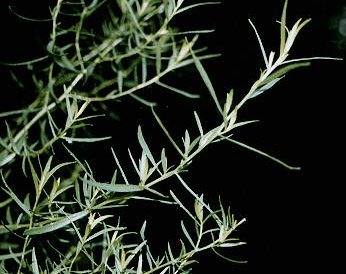
Species of flowering plant in the daisy family Asteraceae
Verified Data
Compound identity and culinary context are continuously cross-referenced across open scientific databases and maintained by Foodgeist's enrichment pipeline.
The Geist can be wrong. Some flavor, taste, and pairing values are model-predicted, not lab-measured.