4,7-dimethyl-1-propan-2-yl-1,2,4a,5,6,8a-hexahydronaphthalene
Molecular structure
Foods containing this compound


Matricaria chamomilla, commonly known as chamomile (also spelled camomile), German chamomile, Hungarian chamomile, wild chamomile or scented mayweed, is an annual plant of the composite family Asteraceae. M. chamomilla is the most popular source of the herbal product chamomile, although other species are also used as chamomile.

Lemon balm (Melissa officinalis), not to be confused with bee balm (which is genus Monarda), is a perennial herb in the mint family Lamiaceae, native to southern Europe and the Mediterranean region. It grows to 70–150 cm tall. The leaves have a gentle lemon scent, related to mint. During summer, small white flowers full of nectar appear. These attract bees, hence the genus name Melissa (Greek for 'honey bee'). Its flavour comes from citronellal (24%), geranial (16%), linalyl acetate (12%) and caryophyllene (12%).

Basil, Thai basil, or sweet basil, is a common name for the culinary herb Ocimum basilicum of the family Lamiaceae (mints), sometimes known as Saint John's Wort in some English-speaking countries.
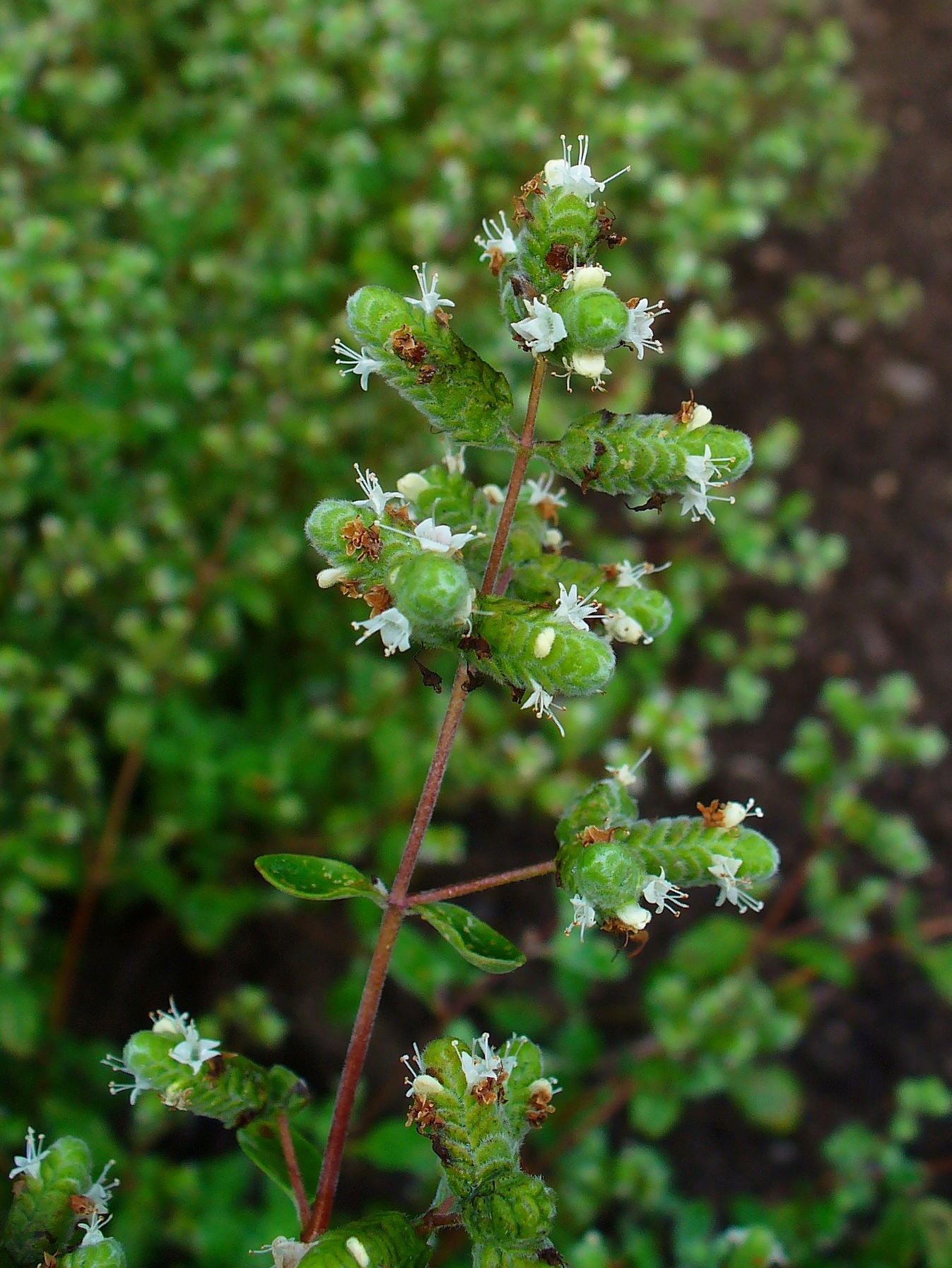
Origanum onites, the Cretan oregano, Turkish oregano, pot marjoram or rίgani in Greek (Ελληνική ρίγανη), is a plant species in the genus Origanum found in Greece and Turkey. It has similar flavors as oregano. Its essential oil can be distinguished from other species such as Greek oregano (Origanum vulgare ssp. hirtum). The plant contains the chemical compounds thymol, carvacrol and cedrol. It has antimicrobial activities. [Wikipedia]

Oregano (scientific name Origanum vulgare) is a common species of Origanum, a genus of the mint family (Lamiaceae). It is native to warm-temperate western and southwestern Eurasia and the Mediterranean region.
A grape is a fruiting berry of the deciduous woody vines of the botanical genus Vitis. Grapes can be eaten raw or they can be used for making wine, jam, juice, jelly, grape seed extract, raisins, vinegar, and grape seed oil. Grapes are a non-climacteric type of fruit, generally occurring in clusters.
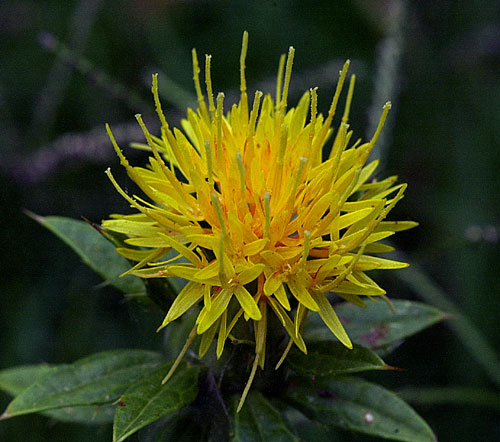
Safflower is a highly branched, herbaceous, thistle-like annual. It is commercially cultivated for vegetable oil extracted from the seeds. Plants are 30 to 150 cm (to in) tall with globular flower heads having yellow, orange, or red flowers. Each branch will usually have from one to five flower heads containing 15 to 20 seeds per head. Safflower is native to arid environments having seasonal rain. It grows a deep taproot which enables it to thrive in such environments.

Illicium verum, commonly called Star anise, star aniseed, or Chinese star anise is a spice that closely resembles anise in flavor, obtained from the star-shaped pericarp of Illicium verum, a medium-sized native evergreen tree of northeast Vietnam and southwest China. The star shaped fruits are harvested just before ripening.
Laurus nobilis is an aromatic evergreen tree or large shrub with green, glossy leaves, native to the Mediterranean region. It is one of the plants used for bay leaf seasoning in cooking. It is known as bay laurel, sweet bay, bay tree (esp. United Kingdom), true laurel, Grecian laurel, laurel tree or simply laurel. Laurus nobilis figures prominently in classical Greek, Roman, and Biblical culture.
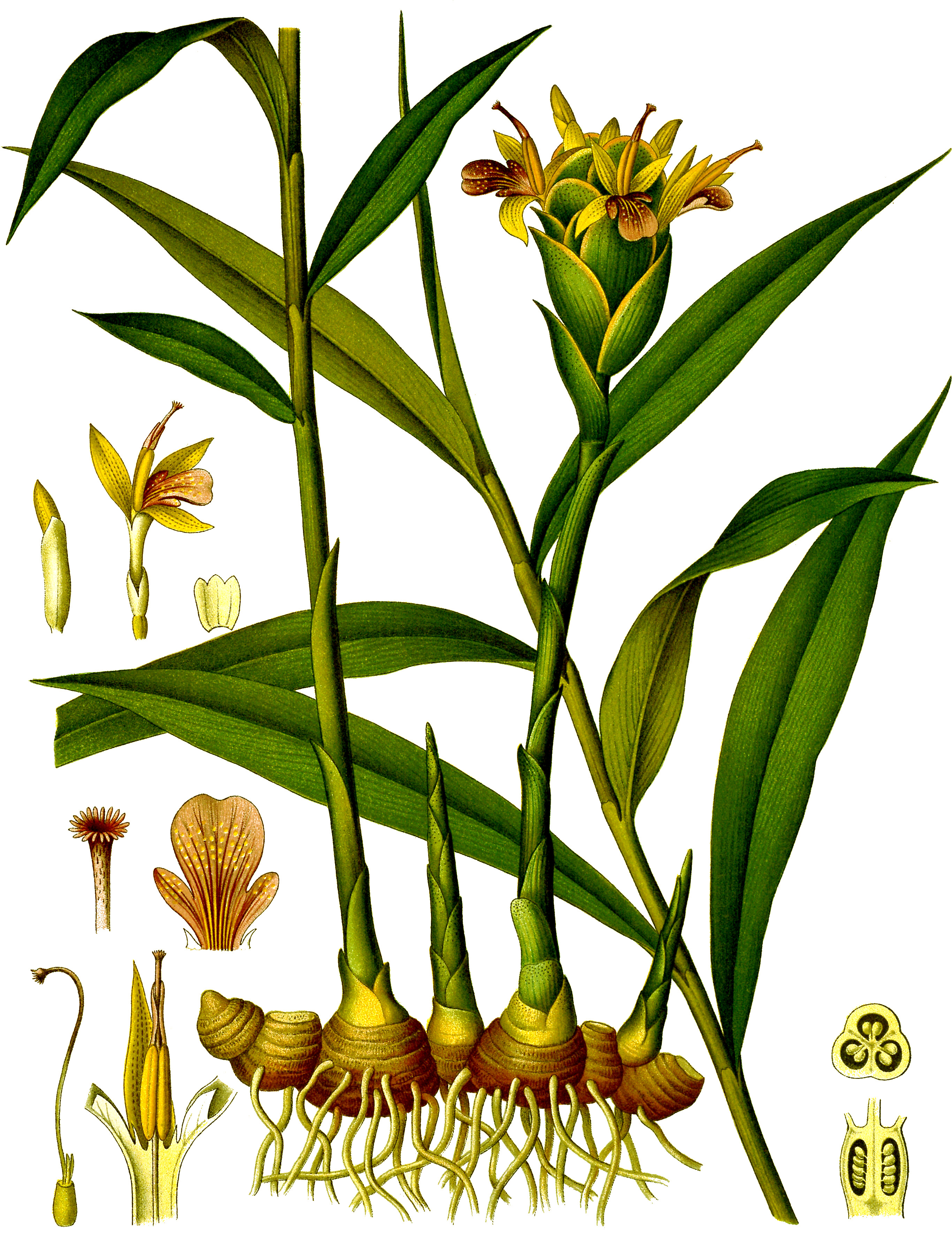

spice; for the species, use Q158468

culinary or medicinal herb, for the taxon use Q102240169
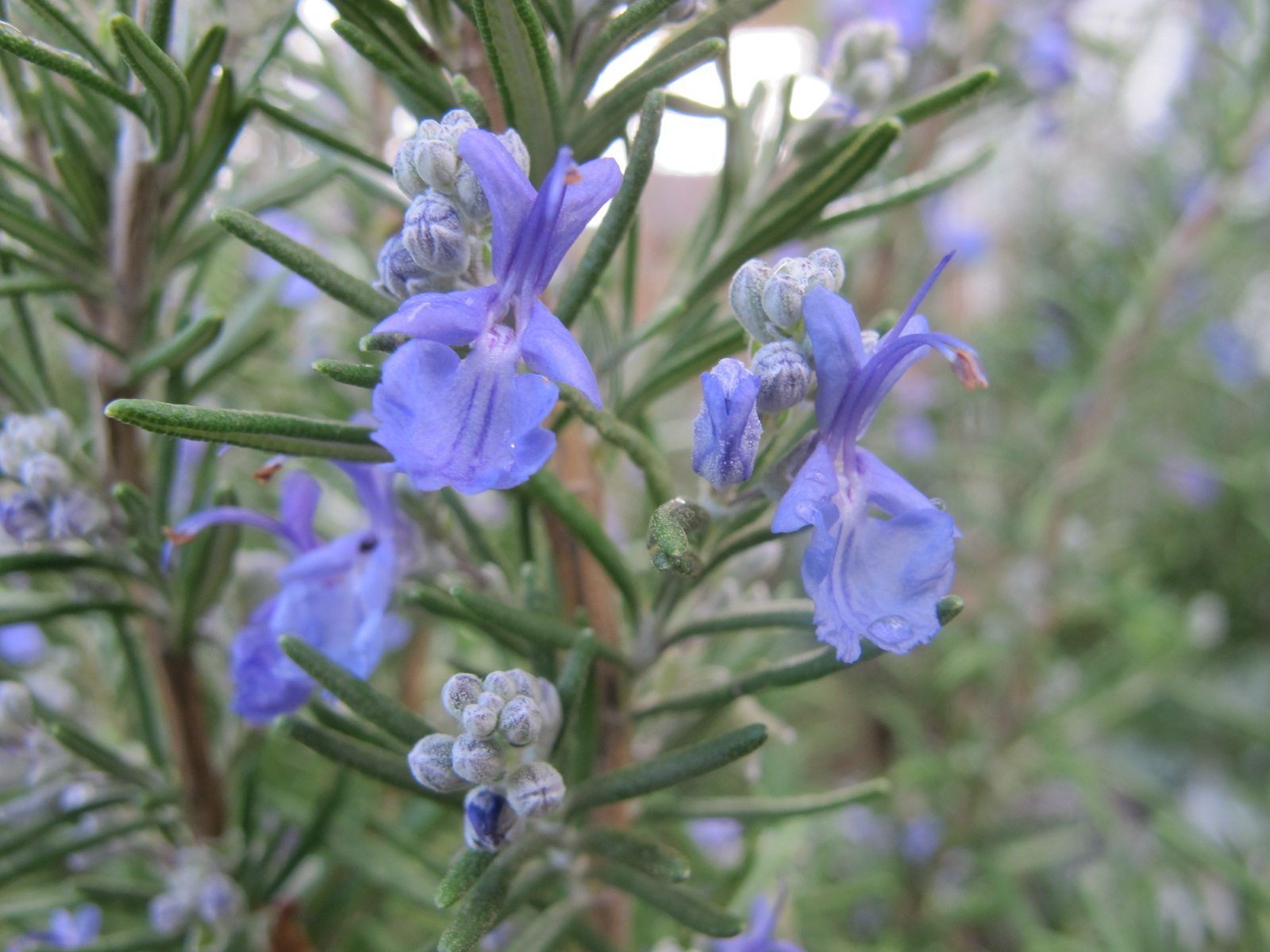
Species of plant

Species of flowering plant
Species of plant used as a spice
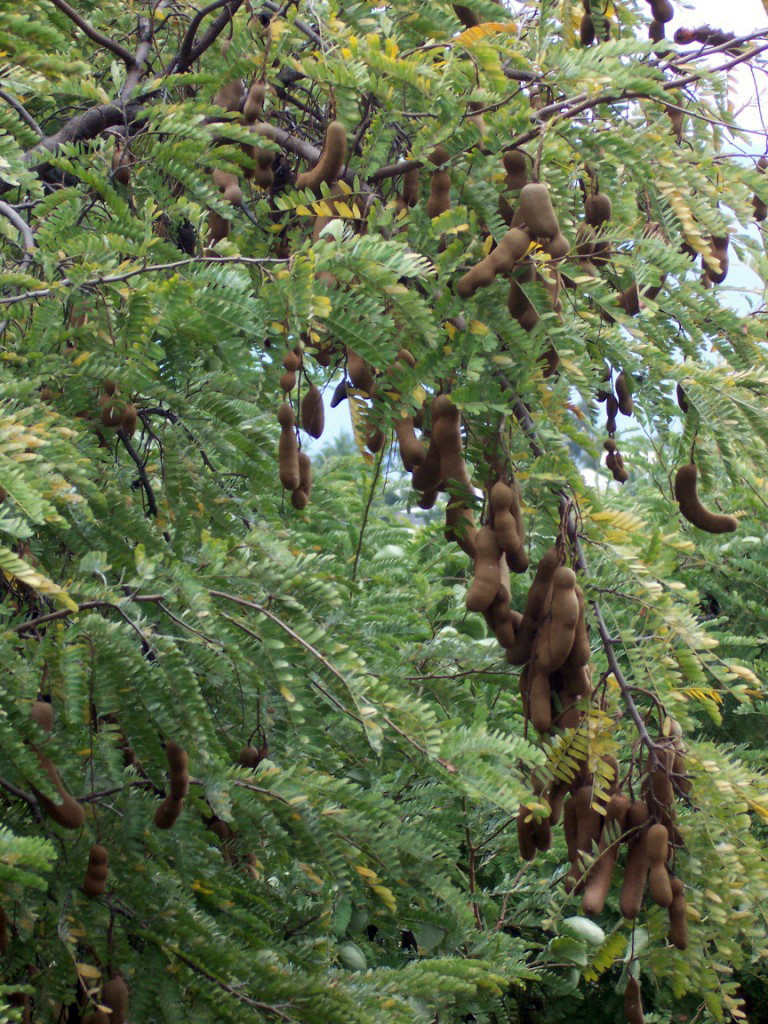
Leguminous tree bearing edible fruit
Verified Data
Compound identity and culinary context are continuously cross-referenced across open scientific databases and maintained by Foodgeist's enrichment pipeline.
The Geist can be wrong. Some flavor, taste, and pairing values are model-predicted, not lab-measured.