Jujube + American pokeweed
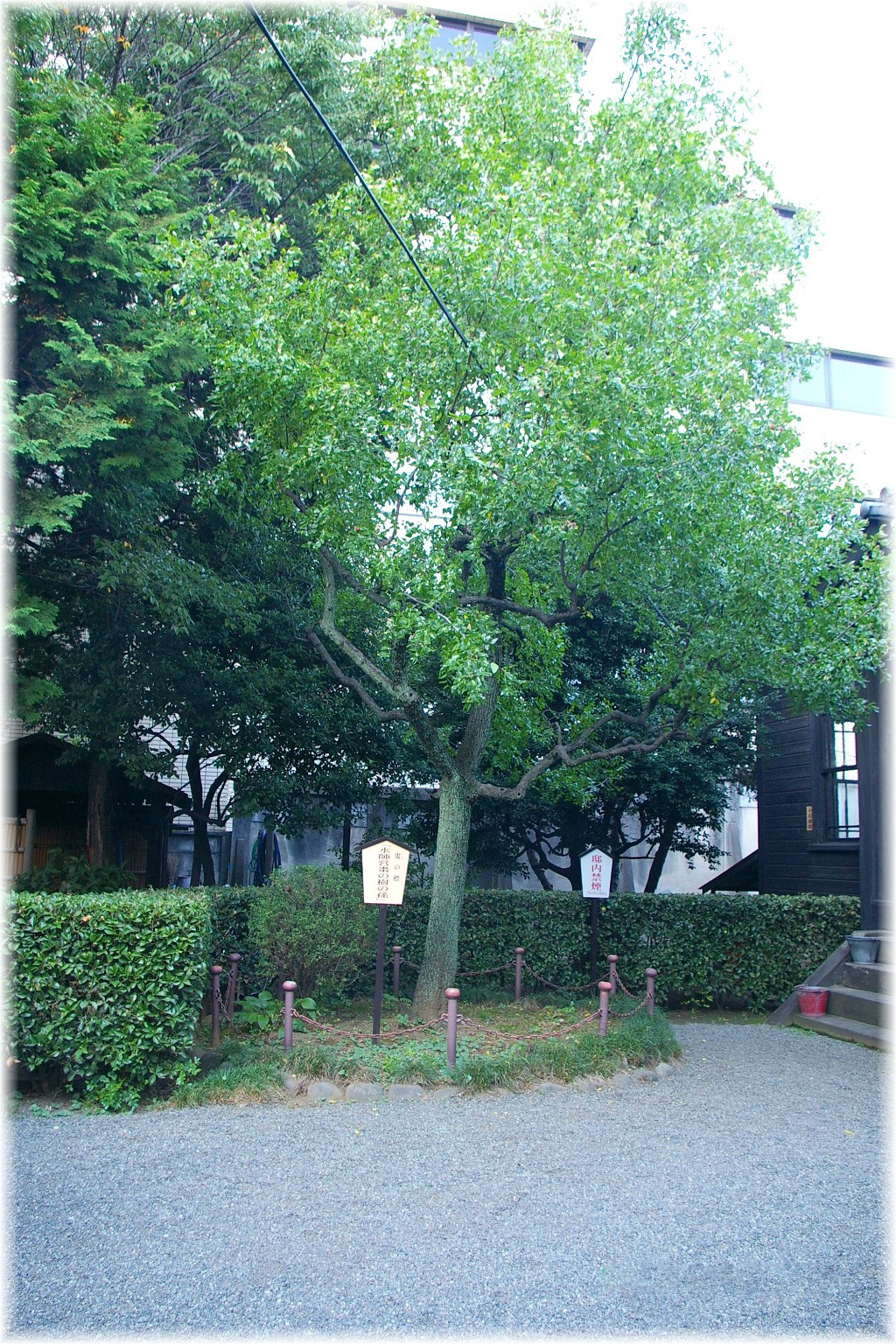
Ziziphus jujuba (from Greek ζίζυφον, zízyphon), commonly called jujube (sometimes jujuba), red date, Chinese date, Korean date, or Indian date is a species of Ziziphus in the buckthorn family (Rhamnaceae), used primarily as a shade tree that also bears fruit.
American Pokeweed (Phytolacca americana) is a large semi-succulent herbaceous perennial plant growing up to 10 feet (3 meters) in height. It is native to eastern North America, the Midwest, and the Gulf Coast, with more scattered populations in the far West. It is also known as Virginia poke, American nightshade, cancer jalap, coakum, garget, inkberry, pigeon berry, pocan, pokeroot, pokeweed, pokeberry, redweed, scoke, red ink plant and chui xu shang lu. Parts of this plant are highly toxic to livestock and humans, and it is considered a major pest by farmers. Nonetheless, some parts can be used as food, medicine or poison. The plant has a large white taproot, green or red stems, and large, simple leaves. White flowers are followed by purple to almost black berries, which are a good food source for songbirds such as Gray Catbird, Northern Cardinal, Brown Thrasher, and Northern Mockingbird.
Shared flavor compounds
These compounds appear in both Jujube and American pokeweed, giving them a molecular basis for flavor affinity, the pairing principle articulated by Francois Benzi and implemented in flavor-pairing research.
Why it works
The flavor-pairing hypothesis proposes that ingredients sharing significant aromatic compounds harmonize on the palate. Jujube and American pokeweed overlap on 20 key compound(s), which is why classic culinary traditions, and our deterministic matching algorithm, place them together.
- Pairing computed by: pairing-compute
- Methodology: deterministic compound-overlap matching (no LLM)
- Compound data: Wikidata + Wikidata
- Part of: Living Gastronomic Intelligence graph