Irish moss + Persian lime
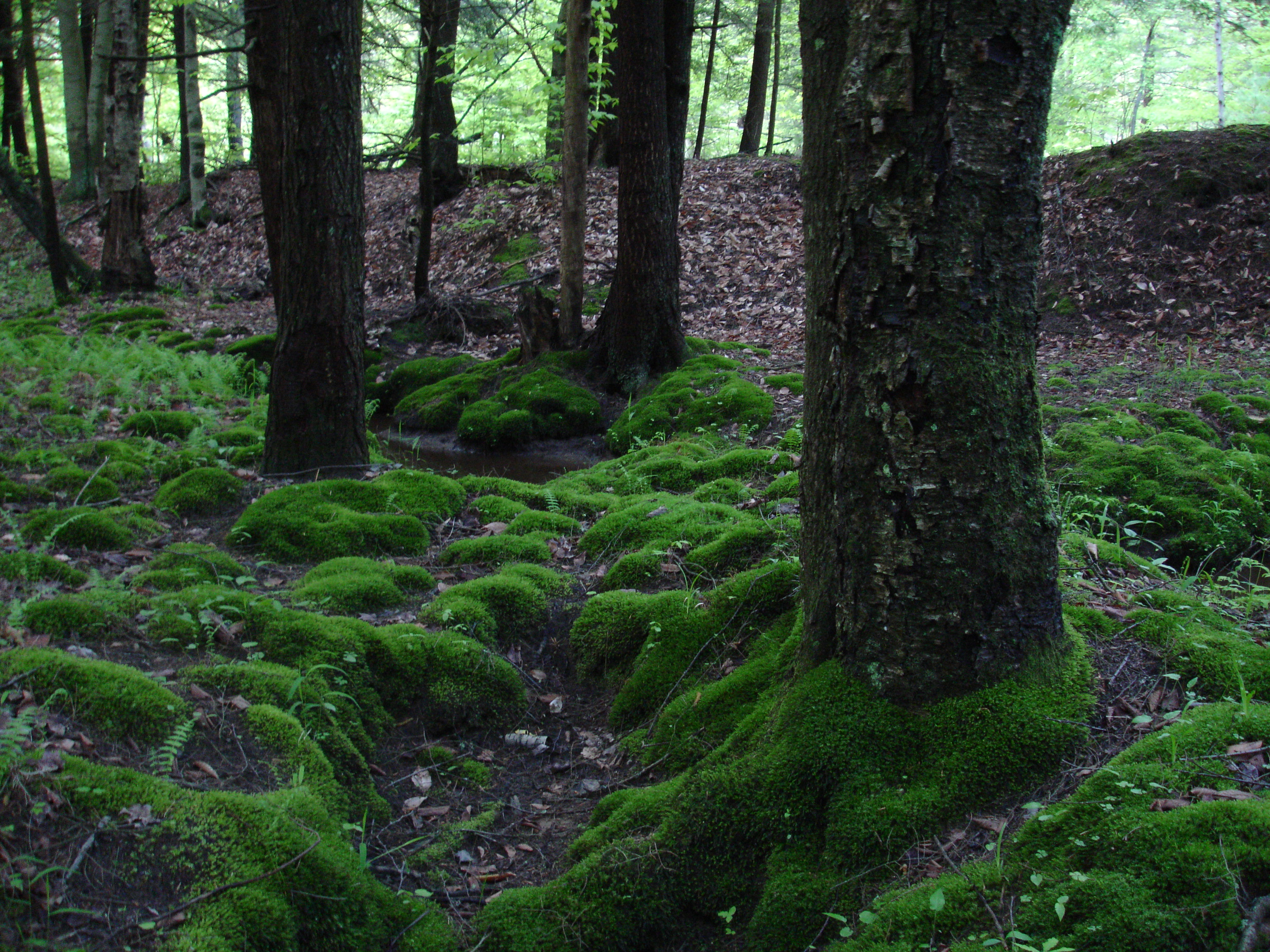
Chondrus crispus ? commonly called Irish moss or carrageen moss (Irish carraigín, "little rock") ? is a species of red algae which grows abundantly along the rocky parts of the Atlantic coast of Europe and North America. In its fresh condition this protist is soft and cartilaginous, varying in color from a greenish-yellow, through red, to a dark purple or purplish-brown. The principal constituent is a mucilaginous body, made of the polysaccharide carrageenan which comprises about 55% by weight. The organism also consists of nearly 10% protein and about 15% mineral matter, and is rich in iodine and sulfur. When softened in water it has a sea-like odour and because of the abundant cell wall polysaccharides it will form a jelly when boiled, containing from 20 to 100 times its weight of water.
Persian lime (Citrus ×latifolia) or Shiraz Limoo also known as Tahiti lime or Bearss lime (named after John T. Bearss, who developed this seedless variety about 1895 in his nursery at Porterville, California), is a citrus fruit related to the standard lime. It has a nearly thornless tree. The Persian lime is of hybrid origin, most likely from a cross between key lime (Citrus aurantiifolia) and either lemon (Citrus ×limon) or citron (Citrus medica).
Shared flavor compounds
These compounds appear in both Irish moss and Persian lime, giving them a molecular basis for flavor affinity, the pairing principle articulated by Francois Benzi and implemented in flavor-pairing research.
Why it works
The flavor-pairing hypothesis proposes that ingredients sharing significant aromatic compounds harmonize on the palate. Irish moss and Persian lime overlap on 20 key compound(s), which is why classic culinary traditions, and our deterministic matching algorithm, place them together.
- Pairing computed by: pairing-compute
- Methodology: deterministic compound-overlap matching (no LLM)
- Compound data: Wikidata + Wikidata
- Part of: Living Gastronomic Intelligence graph