Asparagus + Fats and oils
Asparagus officinalis is a spring vegetable, a flowering perennial plant species in the genus Asparagus. It was once classified in the lily family, like its Allium cousins, onions and garlic, but the Liliaceae have been split and the onion-like plants are now in the family Amaryllidaceae and asparagus in the Asparagaceae. Asparagus officinalis is native to most of Europe, northern Africa and western Asia, and is widely cultivated as a vegetable crop.
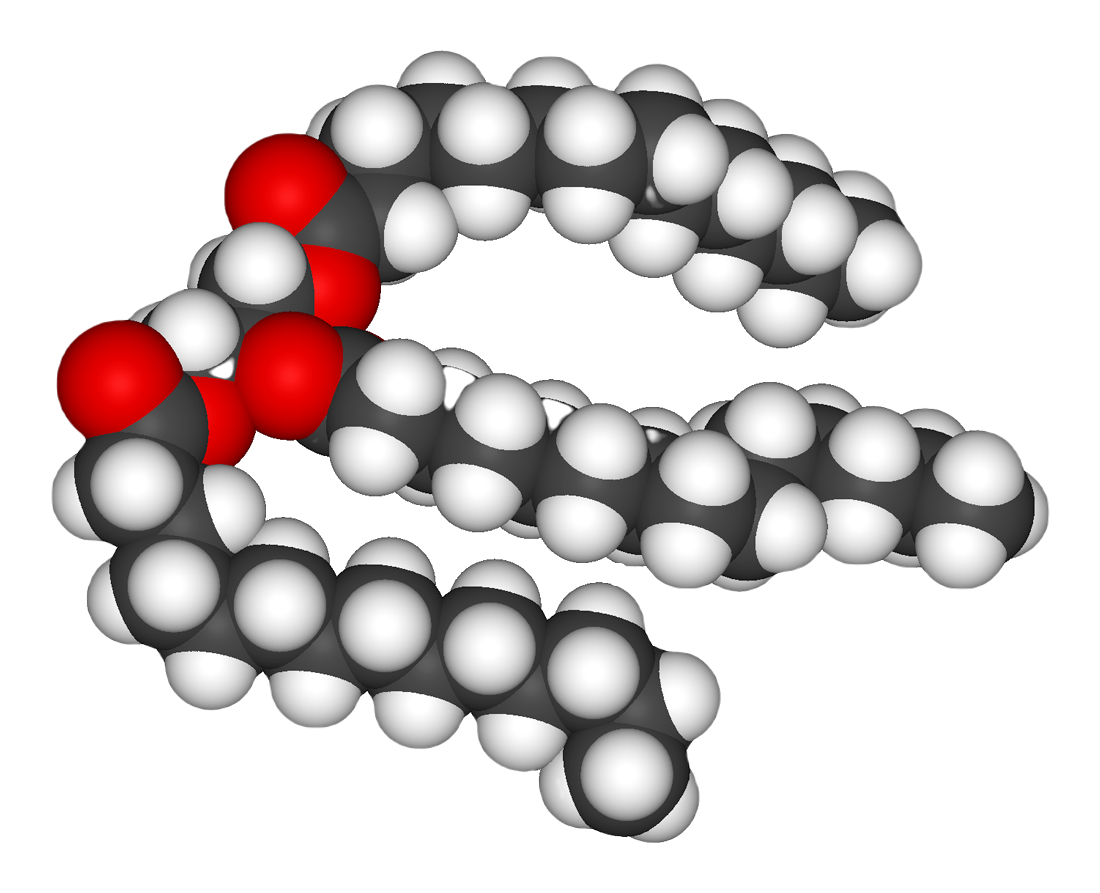
Fats are a wide group of compounds that are generally soluble in organic solvents and generally insoluble in water. Chemically, fats are triglycerides: triesters of glycerol and any of several fatty acids. Fats may be either solid or liquid at room temperature, depending on their structure and composition. Although the words "oils", "fats", and "lipids" are all used to refer to fats, in reality, fat is a subset of lipid. "Oils" is usually used to refer to fats that are liquids at normal room temperature, while "fats" is usually used to refer to fats that are solids at normal room temperature. "Lipids" is used to refer to both liquid and solid fats, along with other related substances, usually in a medical or biochemical context, which are not soluble in water. The word "oil" is also used for any substance that does not mix with water and has a greasy feel, such as petroleum (crude oil), heating oil, and essential oils, regardless of its chemical structure.
- Pairing computed by: learned pairing model
- Methodology: GNN-derived compound-profile similarity (no LLM)
- Part of: Living Gastronomic Intelligence graph
Asparagus and Fats and oils were also scored by a graph neural network trained on measured flavor compounds — 2 independent model run(s) converged on this affinity estimate.