Scarlet bean + Jute
Phaseolus coccineus, known as runner bean, scarlet runner bean, or multiflora bean, is a plant in the Fabaceae family. Runner beans have also been called "Oregon Lima Bean", and in Nahuatl "ayocotl" or in Spanish "ayocote". It differs from the common bean (P. vulgaris) in several respects: the cotyledons stay in the ground during germination, and the plant is a perennial vine with tuberous roots (though it is usually treated as an annual). This species originated from the mountains of Central America. Most varieties have red flowers and multicolored seeds (though some have white flowers and white seeds), and they are often grown as ornamental plants.
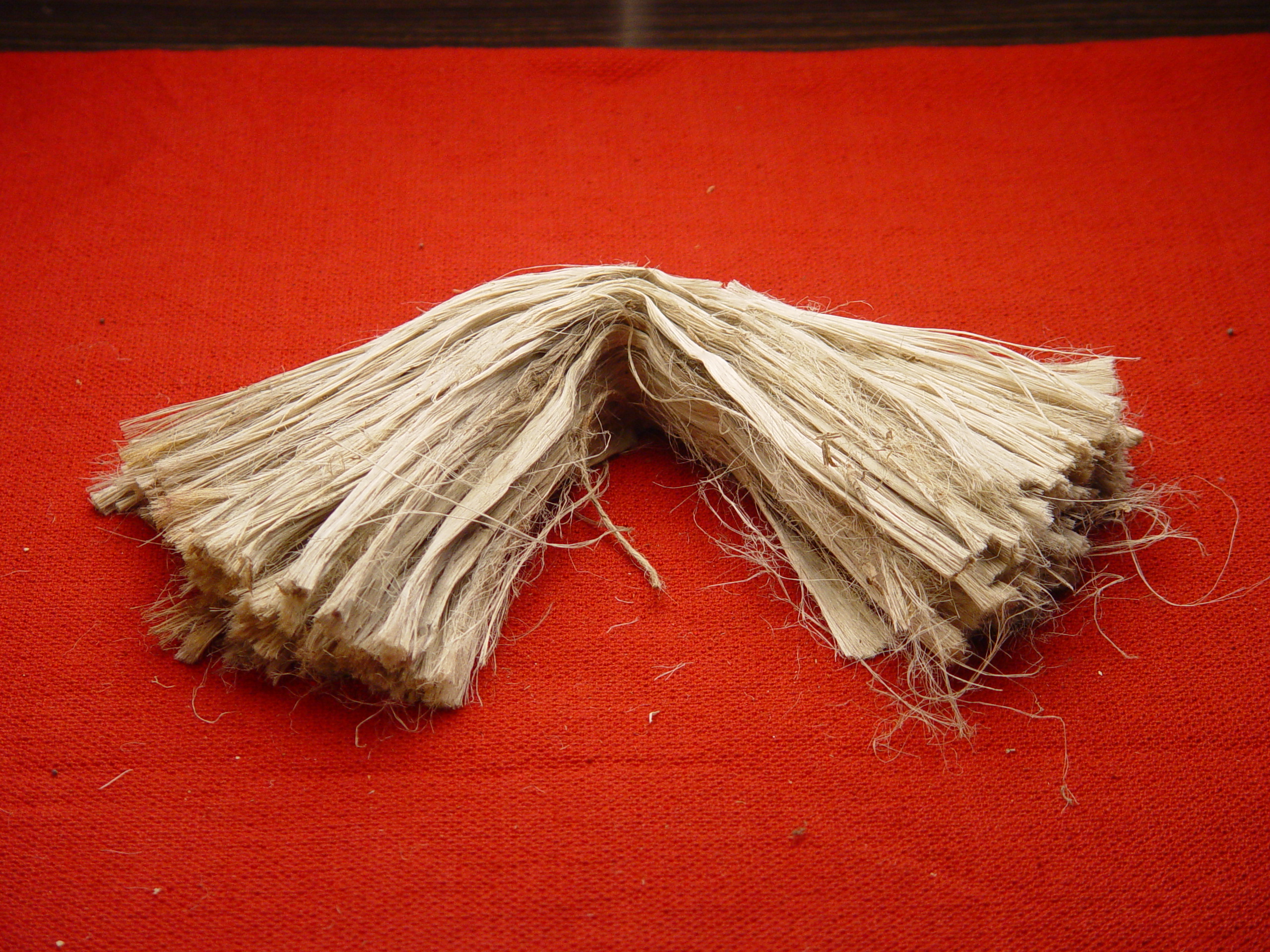
Jute is a long, soft, shiny vegetable fiber that can be spun into coarse, strong threads. It is produced from plants in the genus Corchorus, which was once classified with the family Tiliaceae, more recently with Malvaceae, and has now been reclassified as belonging to the family Sparrmanniaceae. "Jute" is the name of the plant or fiber that is used to make burlap, Hessian or gunny cloth.
Shared flavor compounds
These compounds appear in both Scarlet bean and Jute, giving them a molecular basis for flavor affinity, the pairing principle articulated by Francois Benzi and implemented in flavor-pairing research.
Why it works
The flavor-pairing hypothesis proposes that ingredients sharing significant aromatic compounds harmonize on the palate. Scarlet bean and Jute overlap on 20 key compound(s), which is why classic culinary traditions, and our deterministic matching algorithm, place them together.
- Pairing computed by: pairing-compute
- Methodology: deterministic compound-overlap matching (no LLM)
- Compound data: Wikidata + Wikidata
- Part of: Living Gastronomic Intelligence graph