Common salsify + Oil-seed Camellia
Tragopogon porrifolius is a plant cultivated for its ornamental flower, edible root, and herbal properties. It also grows wild in many places and is one of the most widely known species of the salsify genus, Tragopogon. It is commonly known as purple or common salsify, oyster plant, vegetable oyster, Jerusalem star, goatsbeard or simply salsify (although these last two names are also applied to other species, as well).
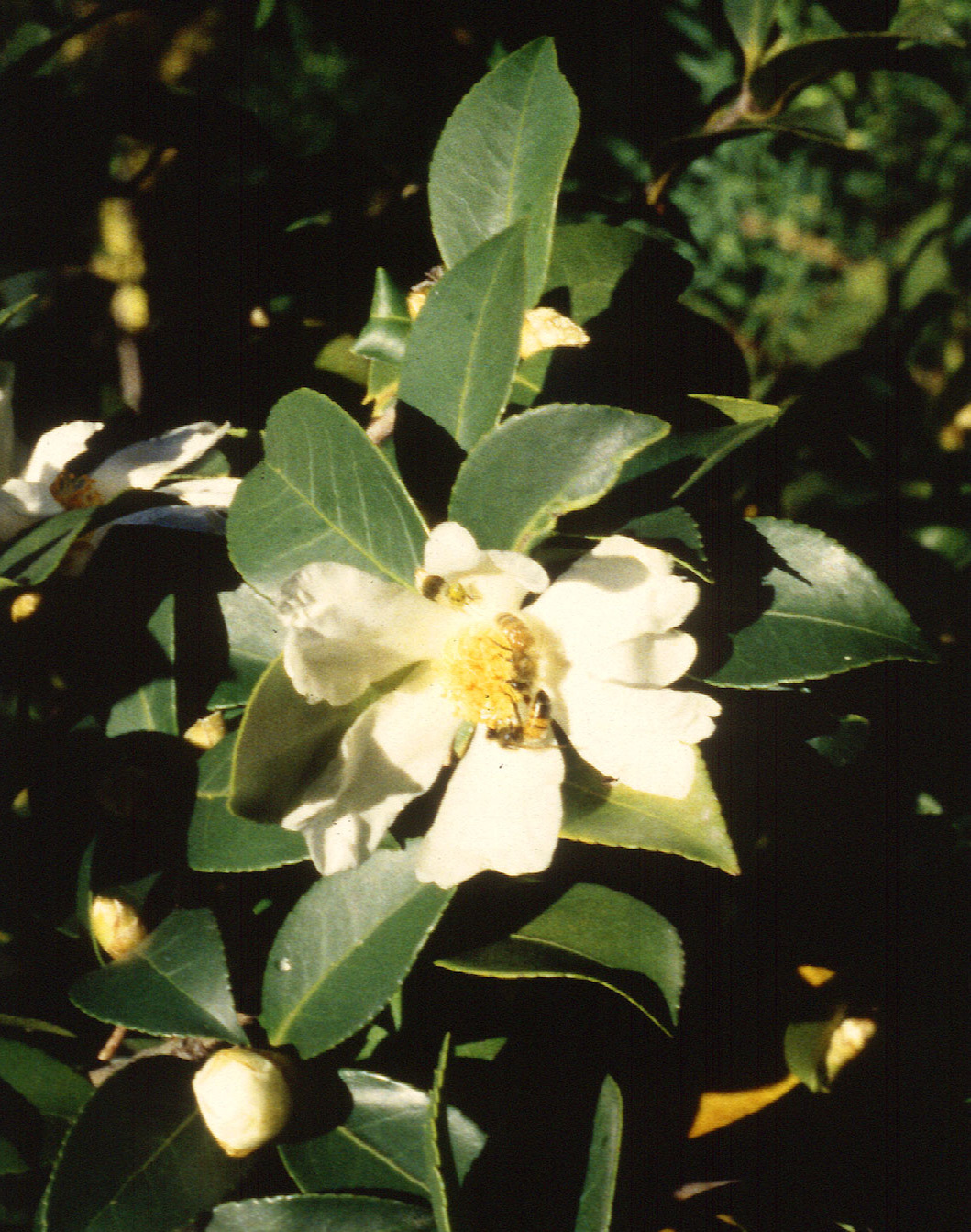
Oil-seed camellia (or tea oil camellia) is an important source of edible oil (known as tea oil or camellia oil) obtained from its seeds. Tea oil is a sweetish seasoning and cooking oil that should not be confused with tea tree oil, an essential oil that is used for medical and cosmetical purposes and originates from the leaves of a different plant. [Wikipedia]
Shared flavor compounds
These compounds appear in both Common salsify and Oil-seed Camellia, giving them a molecular basis for flavor affinity, the pairing principle articulated by Francois Benzi and implemented in flavor-pairing research.
Why it works
The flavor-pairing hypothesis proposes that ingredients sharing significant aromatic compounds harmonize on the palate. Common salsify and Oil-seed Camellia overlap on 20 key compound(s), which is why classic culinary traditions, and our deterministic matching algorithm, place them together.
- Pairing computed by: pairing-compute
- Methodology: deterministic compound-overlap matching (no LLM)
- Compound data: Wikidata + Wikidata
- Part of: Living Gastronomic Intelligence graph