Common persimmon + Hedge mustard
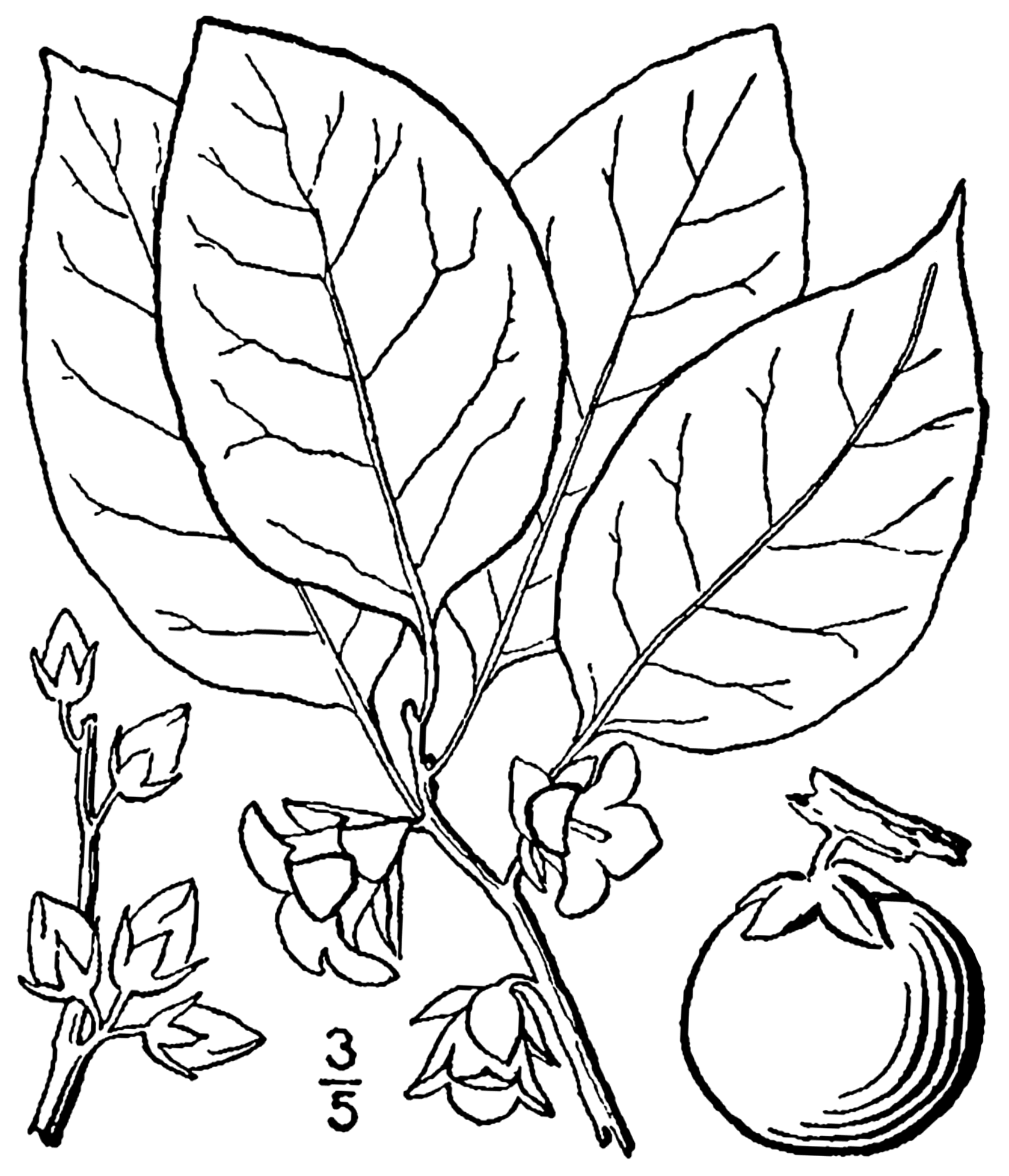
Diospyros virginiana is a persimmon species commonly called the American Persimmon, Common Persimmon, Eastern Persimmon, "'Simmon", "Possumwood", or "Sugar-plum". It ranges from southern Connecticut/Long Island to Florida, and west to Texas, Louisiana, Oklahoma, and Kansas. The tree grows wild but has been cultivated for its fruit and wood since prehistoric times by Native Americans.

Hedge mustard (Sisymbrium officinale) is a plant in the family Brassicaceae. It is found on roadsides and wasteland, and as a weed of arable land. A native of Europe and North Africa, it is now well-established throughout the world.
Shared flavor compounds
These compounds appear in both Common persimmon and Hedge mustard, giving them a molecular basis for flavor affinity, the pairing principle articulated by Francois Benzi and implemented in flavor-pairing research.
Why it works
The flavor-pairing hypothesis proposes that ingredients sharing significant aromatic compounds harmonize on the palate. Common persimmon and Hedge mustard overlap on 20 key compound(s), which is why classic culinary traditions, and our deterministic matching algorithm, place them together.
- Pairing computed by: pairing-compute
- Methodology: deterministic compound-overlap matching (no LLM)
- Compound data: Wikidata + Wikidata
- Part of: Living Gastronomic Intelligence graph