Alaska blueberry + Rowal
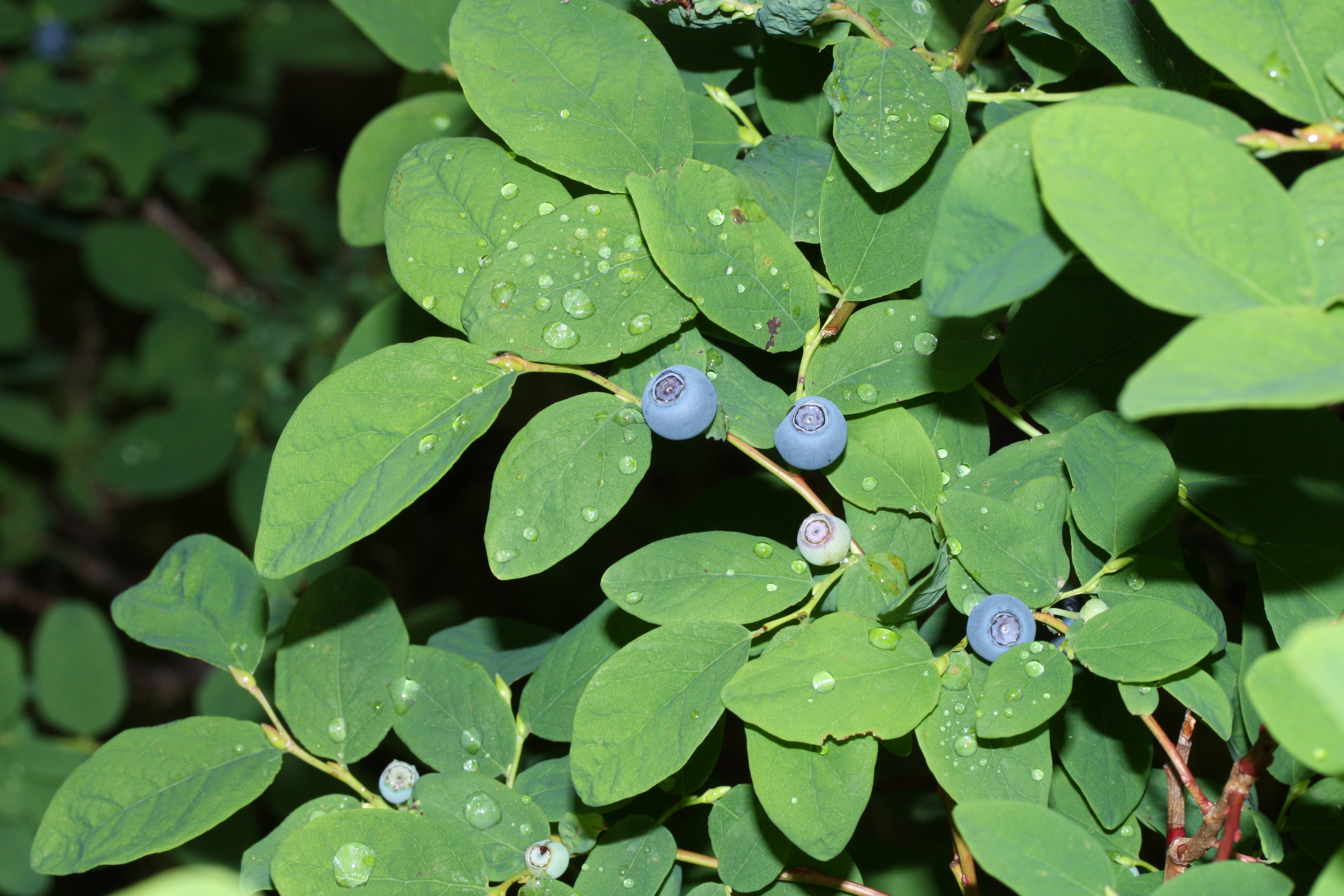
Vaccinium ovalifolium (commonly known as Alaska blueberry, early blueberry, oval-leaf bilberry, oval-leaf blueberry, and oval-leaf huckleberry) is a plant in the heath family having three varieties, all of which grow in northerly regions, including the subarctic.
Pangium edule (Indonesian: keluak or keluwak; Malay: kepayang) is a tall tree native to the mangrove swamps of Southeast Asia (Indonesia, Malaysia and Papua New Guinea[2]). It produces a large poisonous fruit (the "football fruit") which can be made edible by fermentation.
Shared flavor compounds
These compounds appear in both Alaska blueberry and Rowal, giving them a molecular basis for flavor affinity, the pairing principle articulated by Francois Benzi and implemented in flavor-pairing research.
Why it works
The flavor-pairing hypothesis proposes that ingredients sharing significant aromatic compounds harmonize on the palate. Alaska blueberry and Rowal overlap on 20 key compound(s), which is why classic culinary traditions, and our deterministic matching algorithm, place them together.
- Pairing computed by: pairing-compute
- Methodology: deterministic compound-overlap matching (no LLM)
- Compound data: Wikidata + Wikidata
- Part of: Living Gastronomic Intelligence graph