Chinese water chestnut + Mammee apple

The Chinese water chestnut (Eleocharis dulcis; synonyms E. equisetina, E. indica, E. plantaginea, E. plantaginoides, E. tuberosa, E. tumida), more often called simply the water chestnut, is a grass-like sedge grown for its edible corms. The water chestnut is actually not a nut at all, but an aquatic vegetable that grows in marshes, underwater in the mud. It has tube-shaped, leafless green stems that grow to about 1.5 metres. The water caltrop, which is also referred to by the same name, is unrelated and often confused with the water chestnut.
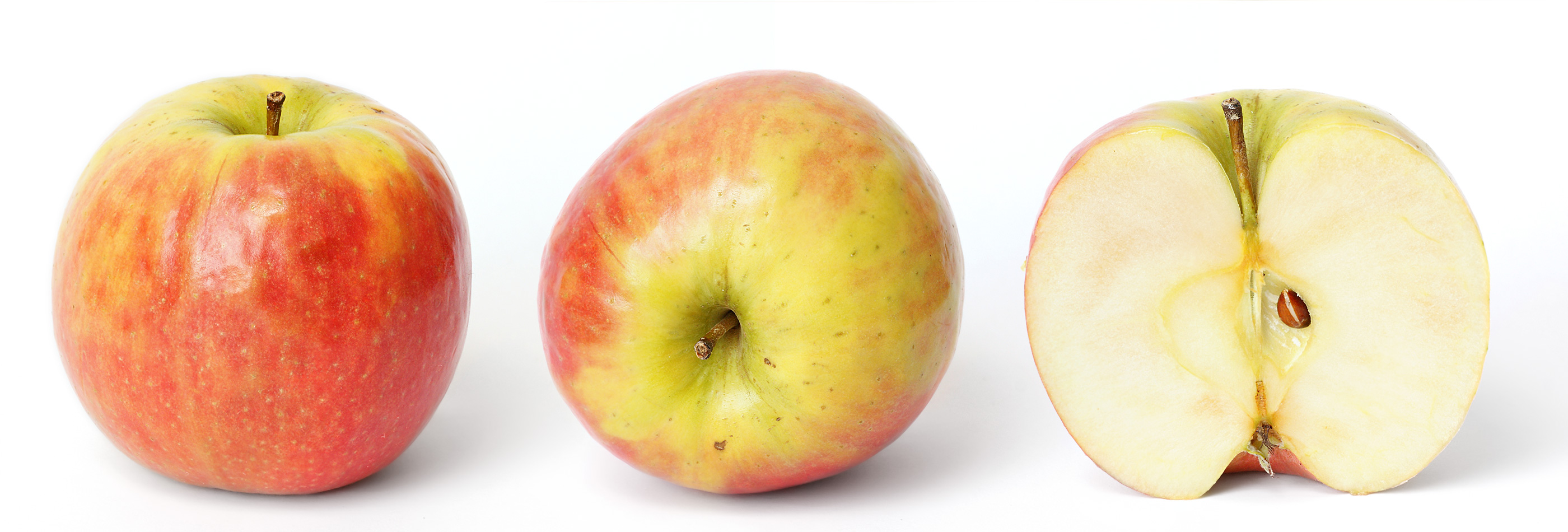
The mammee apple is a berry, though it is often misinterpreted to be a drupe. It is round or slightly irregular, with a brown or grey-brown 3 mm (0.12 in) thick rind. In fact, the rind consists of the exocarp and mesocarp of the fruit, while the pulp is formed from the endocarp. The stem is thick and short. The mammee apple has more or less visible floral remnant at the apex.
Shared flavor compounds
These compounds appear in both Chinese water chestnut and Mammee apple, giving them a molecular basis for flavor affinity, the pairing principle articulated by Francois Benzi and implemented in flavor-pairing research.
Why it works
The flavor-pairing hypothesis proposes that ingredients sharing significant aromatic compounds harmonize on the palate. Chinese water chestnut and Mammee apple overlap on 20 key compound(s), which is why classic culinary traditions, and our deterministic matching algorithm, place them together.
- Pairing computed by: pairing-compute
- Methodology: deterministic compound-overlap matching (no LLM)
- Compound data: Wikidata + Wikidata
- Part of: Living Gastronomic Intelligence graph