Annual wild rice + Common buckwheat
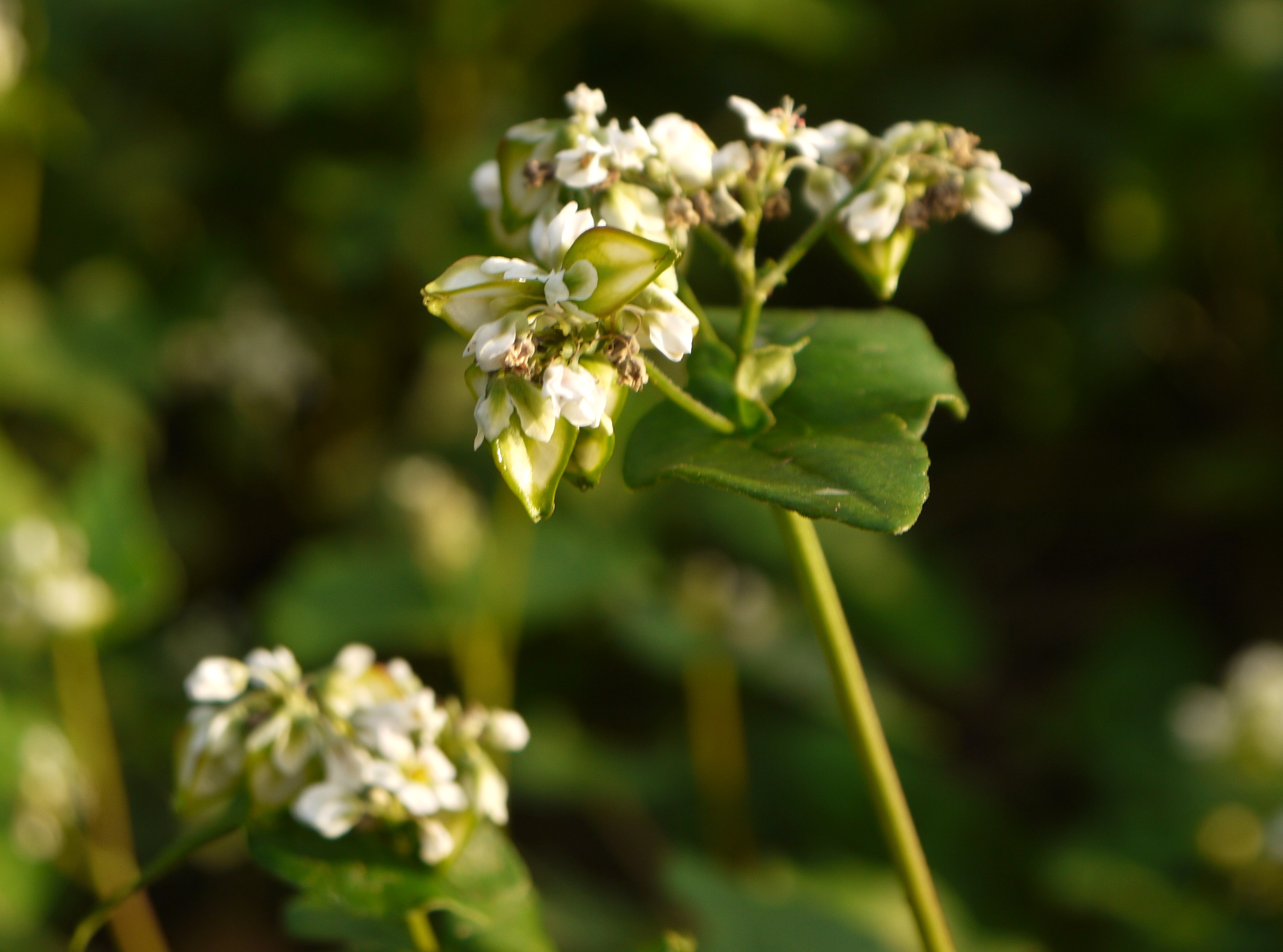
Buckwheat (Fagopyrum esculentum) is a plant cultivated for its grain-like seeds, and also used as a cover crop. Despite the name, buckwheat is not related to wheat, as it is not a grass; instead, buckwheat is related to sorrel, knotweed, and rhubarb. The cultivation of buckwheat grain declined sharply in the 20th century with the adoption of nitrogen fertilizer that increased the productivity of other staples. A related species, Fagopyrum tataricum (Tartary buckwheat) is also cultivated as a grain in the Himalayas.
Shared flavor compounds
These compounds appear in both Annual wild rice and Common buckwheat, giving them a molecular basis for flavor affinity, the pairing principle articulated by Francois Benzi and implemented in flavor-pairing research.
Why it works
The flavor-pairing hypothesis proposes that ingredients sharing significant aromatic compounds harmonize on the palate. Annual wild rice and Common buckwheat overlap on 6 key compound(s), which is why classic culinary traditions, and our deterministic matching algorithm, place them together.
- Pairing computed by: pairing-compute
- Methodology: deterministic compound-overlap matching (no LLM)
- Compound data: Wikidata + Wikidata
- Part of: Living Gastronomic Intelligence graph