Prunus (Cherry, Plum) + Swede
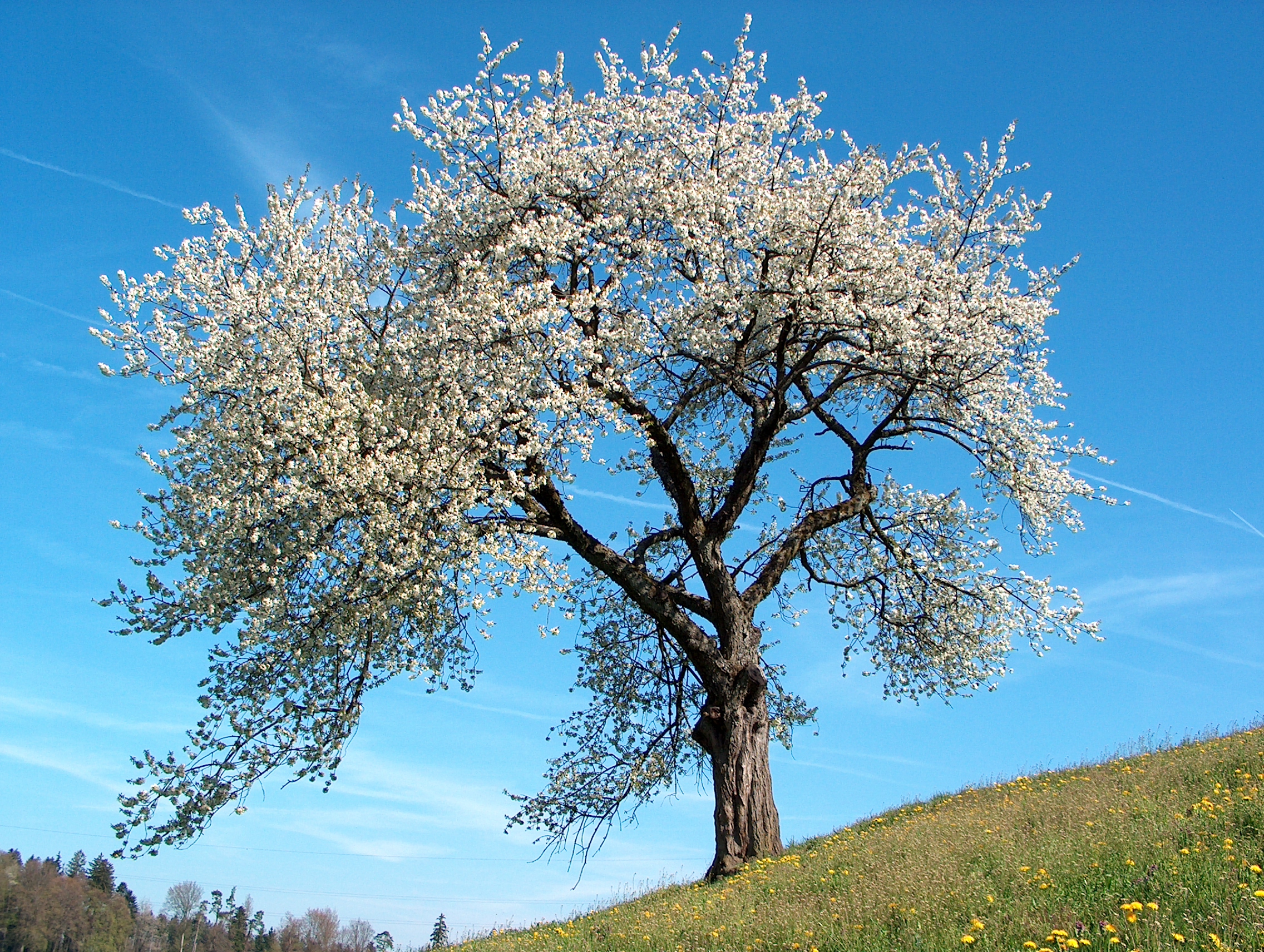
Prunus is a genus of trees and shrubs, which includes the plums, cherries, peaches, nectarines, apricots and almonds. Around 430 species are spread throughout the northern temperate regions of the globe. Many members of the genus are widely cultivated for fruit and ornament. The fruit from this genus are commonly called the stone fruit.
The swede (from Swedish turnip), rutabaga, turnip, yellow turnip, or neep (Brassica napobrassica, or Brassica napus var. napobrassica, or Brassica napus subsp. rapifera) is a root vegetable that originated as a cross between the cabbage and the turnip. The roots are prepared for human food in a variety of ways, and the leaves can be eaten as a leaf vegetable. The roots and tops are also used as winter feed for livestock, when they may be fed directly, or by allowing the animals to forage the plants in the field.
Shared flavor compounds
These compounds appear in both Prunus (Cherry, Plum) and Swede, giving them a molecular basis for flavor affinity, the pairing principle articulated by Francois Benzi and implemented in flavor-pairing research.
Why it works
The flavor-pairing hypothesis proposes that ingredients sharing significant aromatic compounds harmonize on the palate. Prunus (Cherry, Plum) and Swede overlap on 20 key compound(s), which is why classic culinary traditions, and our deterministic matching algorithm, place them together.
- Pairing computed by: pairing-compute
- Methodology: deterministic compound-overlap matching (no LLM)
- Compound data: Wikidata + Wikidata
- Part of: Living Gastronomic Intelligence graph